

In every romantic relationship, there is a moment when the future starts unfolding through soft talks, shared dreams, and minutiae that, over time, become part of your shared vision.
Discussing your future wedding plans is no longer just about selecting the date or venue; it is about creating the image of a life you want to start, the mood you wish to set, and the memories you want to intertwine with your next chapter.
The act of dreaming about the future together brings a thrill, clear vision, and a sense of unity.

No matter if you are still dreaming or already making plans, the things that discourage wedding talk, the couples who show their future wedding plans, and the elements that come naturally are the elements that come naturally.
20 Checklist for Your Future Wedding Plans Preparation
1. Set a limit for your wedding expenses
One of the easiest ways to stay organized is to break your future wedding plans into manageable steps that connect your vision, budget, and priorities.
Setting financial boundaries early is a key part of future wedding plans because it prevents stress and allows you to choose vendors with confidence.
Finding out what typical weddings cost in your area is a good way to get an accurate estimation of what to prepare for.
Check out the prices of venues, photographers, florists, DJs, décor rentals, bridal stylists, and catering packages.
With a clear picture of where the highest costs are, you can start considering which areas you would like to invest in.
Identifying your financial focus areas early will help you a lot, as you will then get a wedding plan that is balanced, intentional, and stress-free.
2. Create a sketch of your vision
Future wedding plans become more meaningful when you infuse them with rituals, colors, and décor that honor your story and cultural background.
Your vision can be influenced by online galleries, wedding fairs, Pinterest boards, movies, or even occasions you’ve been to.
After you have collected some sources of inspiration, take time to discuss it with your partner in down-to-earth terms.
Talk about the atmosphere that you want to create, the guest experience that you want to offer, and the details that are most important to both of you.
This whole process of discerning together becomes the creative blueprint for every subsequent decision.
3. Select the date and the location
Your wedding date and venue significantly determine your event’s logistics, style, and budget.
Dates like weekends or summer months in high demand greatly increase costs and limit vendor availability.
However, weekday or off-peak weddings can save you a lot while still allowing you to hold a nice celebration.
Read also: Creative Date Night Ideas That Will Keep the Spark Alive
Take into account the climate, guests’ convenience, the venue’s accessibility, and the vibe you want your wedding day to have.
4. Start with a guest list
To start off, you should jot down the names of people you would like to invite in an ideal situation, without cutting anyone out. When done, go over it carefully and see if any changes are needed.
The number of people you will invite will determine the venue size, catering costs, and even seating arrangements, ordering stationery, and overall logistics, so the sooner you narrow down your list, the less hassle there will be with the rest of your planning.

5. Choose locations for your ceremony and celebration
The wedding venue you choose sets the ambiance for the whole wedding day; thus, it is necessary to prioritize price after careful consideration.
Depending on your taste and budget, you can consider different types of venues, such as hotels, banquet halls, gardens, beaches, estates, or cultural centers.
Read also: Fall Wedding Guest Dress Ideas: What to Wear to Look Effortlessly Elegant This Autumn
If you are operating on a limited budget, consider unusual yet inexpensive options such as a family home, a community center, or an outdoor venue.
Find out if the venue has any restrictions regarding music, décor, or vendors. Some venues may require in-house catering, which may affect your budget and menu options.
Others may provide more leeway but may require extra rental costs for essential items.
6. Meet with an officiant
Your officiant selection is a critical moment in the emotional core of the wedding ceremony.
If it’s a religious leader, a civil celebrant, or a family friend who is authorized to marry, the early meeting gives you the opportunity to set your standards and talk about your preferences.
This dialogue not only ensures that your ceremony aligns with your beliefs, ethics, and character, but also helps the officiant understand which cultural, spiritual, or symbolic aspects are significant to you and your family, and which you want to introduce into your ceremony.
In the meeting, you will be able to discuss the entire ceremony step by step, including the vows and any other readings or customs you wish to include.
7. Choose the wedding party
Your wedding party will play emotional and practical roles during your planning process, so it is better to select them earlier for smoother coordination.
They are the ones who will constantly support you, celebrate with you, and reduce your stress as the wedding date comes closer.
Read also: Best 10 New Year Eve Wedding Anniversary Party Themes for Couples
Once the wedding attendants have been chosen, it is important to communicate your expectations for them such as their dress, participation in pre-wedding events, roles during the wedding ceremony, and even their help with planning.
It is very considerate of you to give people enough notice as it will help them to get ready, put aside money, and even organize their time.
8. Purchase your wedding dress
Selecting wedding attire is an exhilarating milestone, but it also demands a lot of time and patience.
No matter if you are a bride looking for a dress, a groom looking for a tuxedo, or a couple looking for a cultural outfit, early hunting gives you the benefit of the widest collection of styles and price options.
When you are doing your research on wedding dresses, consider factors such as comfort, season, wedding location, and the overall spirit of the wedding.
9. Order Wedding Invitations and Save-the-Date Cards.
Invitations will be the first official impression your guests have of the wedding; hence, it is advisable to spend time selecting an invitation style that complements the theme.
Whether it is gorgeous calligraphy, clean modern designs, or something playful and cultural, stationery gives the first hint of the event’s mood.
Ordering in advance will ensure there is enough time for printing, shipping, addressing envelopes, and sending, without rushing any steps.
Save-the-dates are particularly useful when you have guests coming from far away or if the wedding is during peak seasons.
Invitations at the final stage must include the venue, time, dress code, directions, and RSVP deadlines at a minimum.
Besides these essentials, you might also include details about accommodation, notes on transportation, and a link to your wedding website.
10. Set up a wedding registry and website
Documenting the process is an important section of future wedding plans because memories matter just as much as the celebration itself.
A wedding website, besides being a great communication tool, is a very nice way to show all important information in one accessible place.
Read also: Best Halloween Costumes for Couples: 20 Fun Ways to Dress Together
You can use it to tell your story, share event schedule details, offer travel tips, write dress code notes, and recommend accommodations.
Moreover, it provides updates in the event of last-minute changes to timing, weather, or logistics.
A simple, clear website will keep your guests informed and, at the same time, reduce the number of questions directed to you in the run-up to the event.
11. Financial and legal arrangements attended to
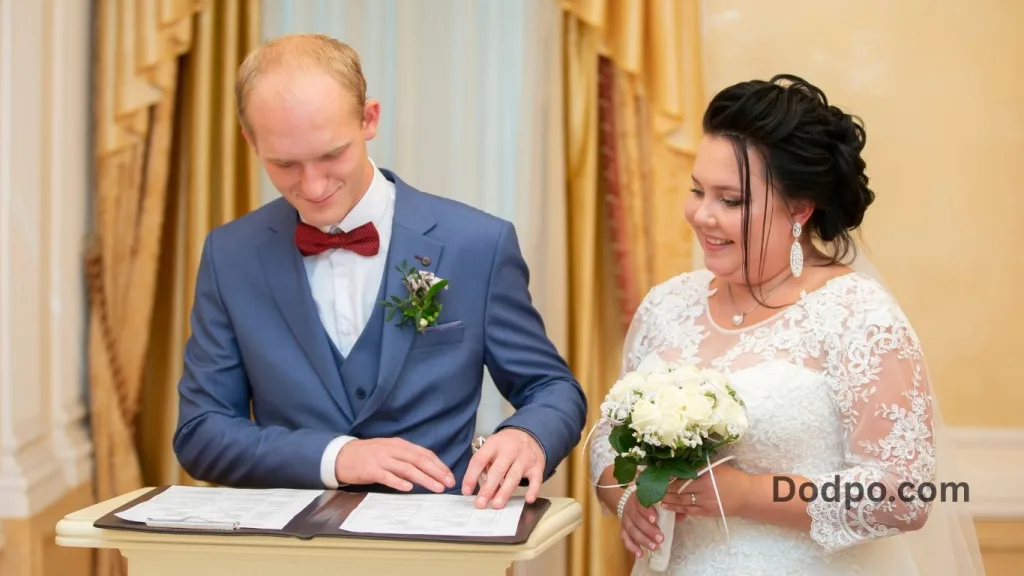
Taking care of financial and legal matters early on provides assurance that there will be no last-minute interruptions or overlooked requirements.
Different states and countries have different rules about marriage licenses, waiting periods, and identification, so it is necessary to reach the local registrar or clerk’s office to know what applies to you.
Filing the paperwork in advance avoids problems and lets you collect documents, schedule appointments, and pay required fees.
While these steps may not be very exciting, they are the legal foundation of your marriage and should be completed with care and well in advance of the ceremony.
12. Choose your honeymoon destination
The honeymoon is your first experience together as a married couple; therefore, the selection of the destination must be a careful one.
To begin with, find places that fit your combined interests – be it a peaceful beach getaway, a cultural city trip, a quiet countryside holiday, or an action-packed journey.
Start your research on places early so you can easily estimate travel costs, weather, accommodation, and peak seasons.
Finding a compromise between your ideal experience and the total cost of the wedding is easier and smoother if you do not rush your decisions under pressure.
Honeymoon trips don’t have to start right away after the wedding, though sometimes couples prefer to have a “mini-moon” that is close to the ceremony, and then later they can go for the main trip when the ticket prices go down or the time is more favorable.
13. Choose the perfect provider for catering
Guest comfort should always be included in your future wedding plans to ensure that everyone feels welcome and able to enjoy the entire day.
Hence, you should thoroughly check out and sample the different catering styles and providers before you check them off your list.
First, reflect on the type of food service that complements your conception which may be formal seated dining, buffet, cocktail party with hors d’oeuvres, or, perhaps, a more relaxed setup. Guest count, budget, and venue rules will also guide your options.
Many caterers offer food tasting sessions, which are a great opportunity for you to get a feel for the portion sizes, flavors, presentation, and overall quality of the service.
Not only do you get an idea of what you are going to get, but you are also more likely to make a confident and informed decision if you attend tastings.
Read also: Top 12 Flowers Wedding Bouquet Ideas for Pink Lovers Who Adore Romance
14. Hire a videographer and photographer
Wedding pictures and videos will be some of the most valued keepsakes; thus, the choice of a photographer and videographer should be made very carefully.
These artists usually have a full schedule months or even years ahead, especially during the wedding season.
First, get a sense of the different styles (candid, editorial, classic, documentary, or cinematic) by checking the online portfolios and social media pages of various photographers and videographers.
Be on the lookout for their consistency and observe how they convey emotions, use lighting, and depict movement.
Once you have narrowed it down to a few, arrange meetings with them to discuss their offers, prices, and what you expect from them.
15. Reserve entertainment for the reception
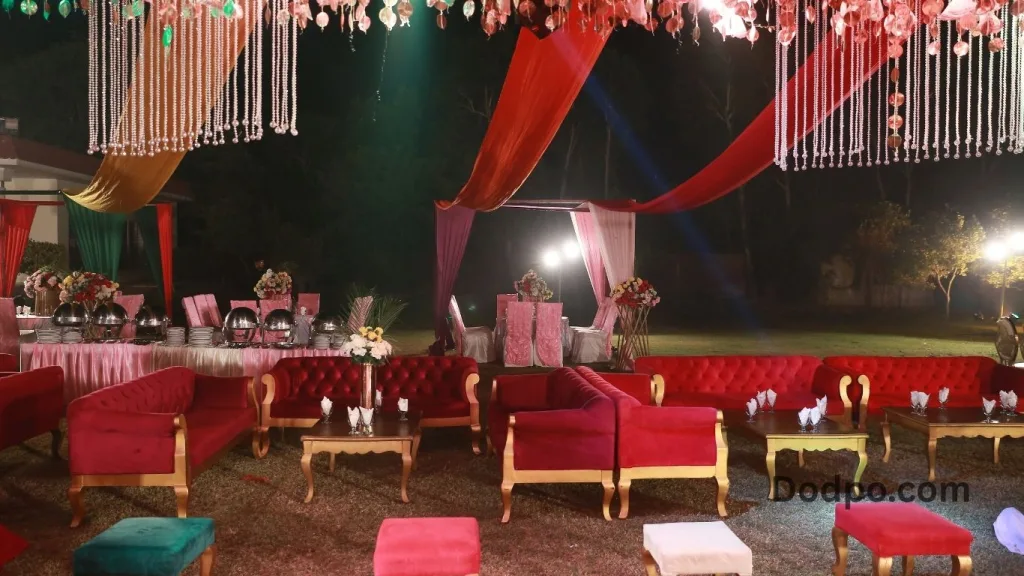
The reception’s energy is drawn by the entertainment, so the selection of the right music or activities is very important to the ambiance you want. Start by picking either a DJ, a live band, or a mix of both.
DJs usually offer versatility with playlists, transitions, and guest requests, while a band contributes a vibrant, energetic atmosphere through live vocals and instruments.
Each option will have different price ranges, equipment requirements, and setup time commitments; hence, doing your research in advance will help you guarantee the ideal choice for your wedding date and location.
16. Choosing Symbolic Elements That Represent Your Relationship
Choosing symbolic elements helps to infuse the celebration with personal meaning as you plan your future wedding.
These details can include colors that remind you of special memories, floral choices that reflect your combined style, or symbolic rituals rooted in your cultural background.
Read also: Best Diwali Gift Ideas for Boyfriend/Girlfriend: Creative and Romantic Surprises
Some couples also incorporate elements from their first date, engagement story, or even shared milestones.
All these nice little things keep reminding the guests and you of the love story that brought you to this very moment, turning the wedding into a demonstration of your unique bond rather than a generic ceremony.
17. Planning How to Document the Day and Preserve Memories
Being mindful of your wedding documentation will make the day’s memories last longer than just the celebration itself.
Laying out the kinds of photography and videography styles you like and are comfortable with will help you find the right professionals who can bring that vision closer to reality.
Candid storytelling, cinematic video edits, or classic portraiture are your preferences, but taking the time to choose the appropriate creative team is what makes it a great buy.
These moments captured belong to your family’s history and are preserved in albums, digital galleries, and prints that you can enjoy for years to come.
18. Thinking About Comfort, Practicality, and Guest Inclusivity
Weddings become more enjoyable for everyone (including you) when comfort and inclusivity are intentional parts of the planning.
This involves choosing venues that accommodate diverse needs, ensuring seating is comfortable, and designing a schedule that flows naturally.
Accessibility matters too, whether that means ramps for guests with mobility needs, shade or heating depending on the season, or comfortable walking paths.
Thoughtfulness in these areas creates an environment where everyone feels welcome and can fully enjoy the moment without unnecessary stress.
19. Deciding on the Tone, Energy, and Overall Experience of the Reception
The reception sets the mood for the whole celebration, so the first step in planning your wedding is to define the experience you want to create.
Some couples want an elegant, formal night with candlelit dinners and soft music, while others prefer a lively party atmosphere with lots of dancing and loud entertainment.

You can easily pick the right music, lighting, seating layout, and décor style by recognizing your common preferences early.
The right tone between intimate, playful, energetic, or sophisticated guarantees that the party is a true reflection of your character.
20. Ready for Life After the Wedding and Joint Routines Development
Future wedding plans is not solely about the wedding day; it is also about the life that you will live together afterward.
Planning for married life is just as important as designing the ceremony, which is why many couples include long term routines and expectations in their future wedding plans.
Read also: 13 Perfect Engagement Gifts: Affordable, Luxury & Personalized Options
Prioritizing the same patterns of communication, household chores, finances, and personal time has a stabilizing effect.
Such discussions ensure that, when the wedding euphoria is over, your base will remain strong, supportive, and clear.