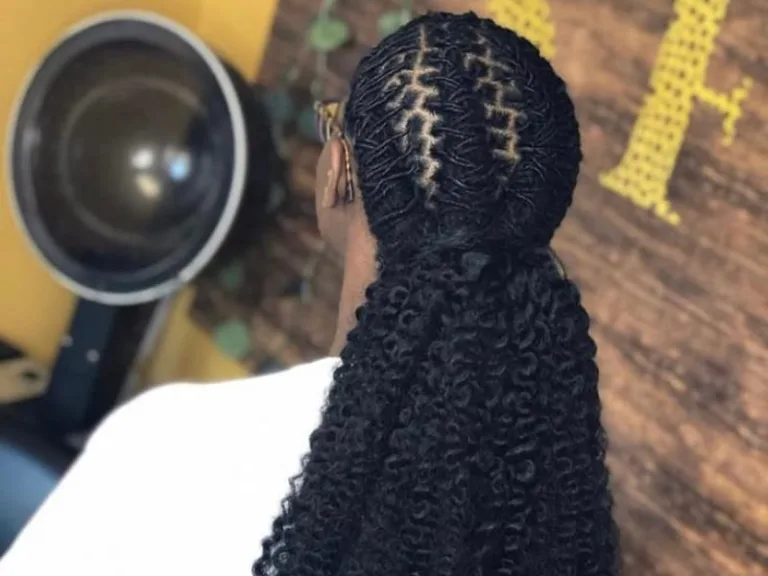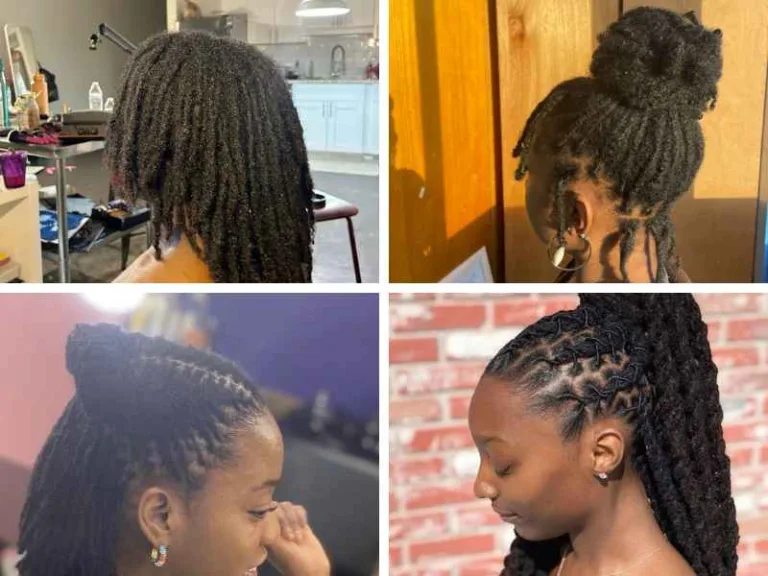
How do I prevent sweat buildup at the nape? Keep your locs off your neck. Skip low ponytails and go for high-clearance styles like a High Pineapple or Double Space Buns so sweat can evaporate instead of soaking in. Add a silk-lined, moisture-wicking headband to catch sweat at the hairline, and always take your hair down right after your workout so your roots can dry properly.
For the modern loc-wearer in 2026, the gym isn’t just where you build strength, it’s where your hair gets put to the test.
If you live an active lifestyle, you’ve probably dealt with the Active Loc Dilemma: trying to crush your workouts while also keeping your scalp fresh, your locs neat, and sweat from building up at the nape of your neck.
Locs are often praised for being low-maintenance, but anyone who works out regularly knows the truth is a little more complicated. During intense cardio sessions, strength training, or even hot yoga, locs absorb sweat like a sponge.
That mix of moisture, salt, and heat doesn’t just disappear; it settles in, especially at the back of your neck.
That’s where most people run into trouble. The nape is a high-heat zone, and when sweat gets trapped there, it can dry into salt residue that leaves locs feeling stiff, crunchy, and uncomfortable.
Over time, constant moisture at the roots can lead to odor, scalp irritation, and the dreaded “loc funk” caused by bacteria thriving in damp conditions.
The good news? You don’t have to choose between your fitness goals and your loc journey. In 2026, protective styles for locs during gym workouts are less about piling hair on top of your head and more about smart airflow.
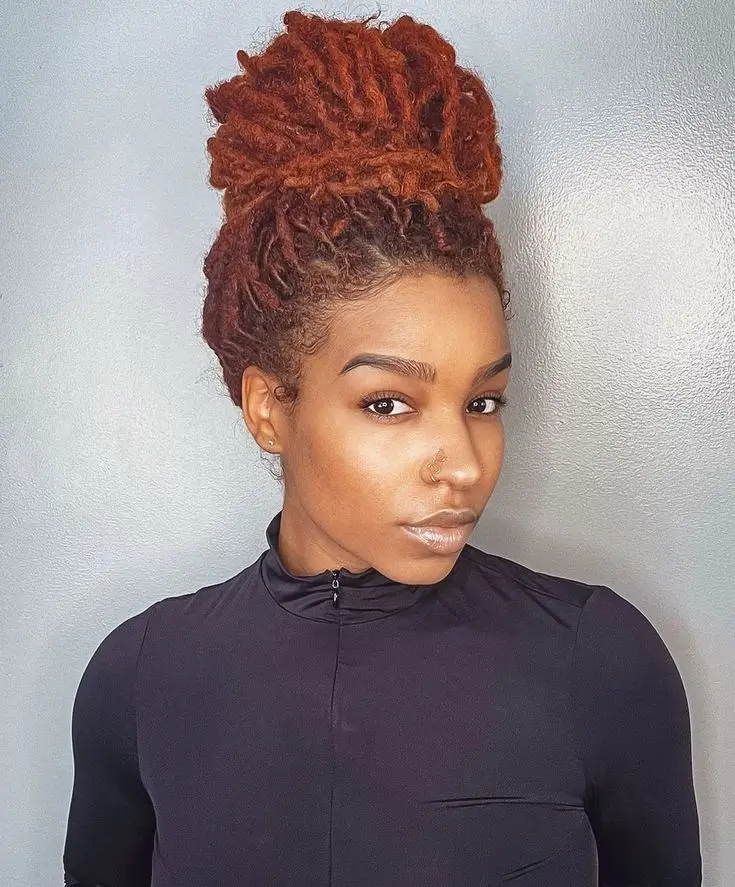
It’s about learning how to tie up your locs in a way that lifts them off the nape, reduces sweat buildup, and lets your scalp breathe while you move.
In this guide, we’ll break down why sweat behaves the way it does in locs and share practical, gym-friendly protective styles that help keep your roots healthy, your scalp fresh, and your locs thriving, no matter how hard you train.
Top 5 Protective Styles for Locs during Gym Workouts
In 2026, the gold standard for gym hair isn’t how cute the style looks in the mirror; it’s clearance and airflow.
The goal is simple: keep your locs off your neck, reduce friction, and allow your scalp to release heat and moisture instead of trapping it.
If your locs are touching your skin while you’re working out, sweat has nowhere to go. That’s when buildup, odor, and scalp irritation start creeping in.
These five protective styles are designed specifically for high-intensity movement, not just casual stretching.
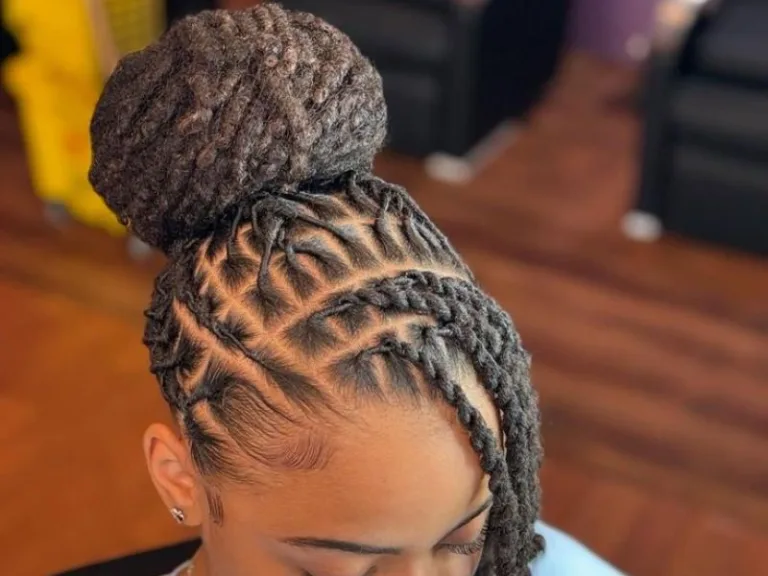
1. The High Pineapple (Best for Medium to Long Locs)
The high pineapple is a classic for a reason. By gathering your locs at the very top of your head, you completely lift them away from your neck and shoulders, the main sweat zones during workouts.
This style works especially well for running, cycling, strength training, and anything that keeps your upper body moving.
Why it works:
It creates full airflow around the nape, allowing sweat to evaporate instead of soaking into your roots.
Pro tip: Skip tight elastics. Use a thick, silk-lined scrunchie or stretch band to avoid tension and that dreaded “line of demarcation” frizz that can weaken locs over time.
2. Double Space Buns (The “No-Swing” Hero)
If your workout includes jumping, sprinting, or explosive movements (think burpees, box jumps, or dance cardio), space buns are a game changer.
Instead of one heavy bun pulling at your scalp, this style splits the weight evenly across both sides of your head.
Read now: Loc Parting Patterns 2026: Most Popular Shapes & Styles Right Now
Why it works:
It locks your locs in place so they don’t swing, slap, or drag against your sweaty back; reducing friction and edge stress.
Bonus: This style stays secure even during high-impact movement, so you’re not constantly stopping mid-set to fix your hair.
3. Silly Plats or Braid-Backs (Essential for Starter or Short Locs)
If you’re early in your loc journey, your main concern at the gym should be security. Starter locs are more likely to unravel when exposed to sweat and friction.
Braiding your locs back into 4–6 large plats or even two simple French braids, keeps everything compressed and controlled.
Why it works:
It minimizes movement and friction while protecting the integrity of new locs.
Safety step: If braiding isn’t your thing, two-strand twists secured with soft, snag-free bands work just as well and are beginner-friendly.
4. Loc Bantu Knots (The Ultimate Airflow Style)
When maximum heat and sweat are involved; hot yoga, heated Pilates, or outdoor summer workouts, nothing beats Bantu knots.
By sectioning your locs into small, evenly spaced knots, you expose almost your entire scalp to open air.
Why it works:
Sweat evaporates quickly instead of getting trapped inside the loc, helping prevent odor and post-workout dampness.
Extra perk: Once you take them down, you’re left with a soft, stretched loc pattern, no extra styling required.
5. The Multi-Tiered Bubble Ponytail (Best for Very Long Locs)
For long locs, a regular ponytail often isn’t enough. The ends still swing, absorb sweat, and brush against your lower back.
Check out: The 5 Stages of a Relationship: Signs, Challenges, and How to Handle Each Phase
A bubble ponytail uses multiple soft bands spaced down the length of your locs to keep them in a fixed, vertical position.
Why it works:
It prevents the “wet mop” effect where your ends soak up sweat and odor from your body.
Tip: Use snag-free, fabric-covered bands and keep the tension gentle to avoid stress at the roots.
The workout-with-locs care video below is highly relevant because it demonstrates practical, real-world techniques for managing locs during high-intensity workouts, specifically addressing sweat control, moisture management, and odor prevention for active loc wearers and heavy sweaters.
Preventing the “Nape Funk”: The Clearance Rule
The biggest secret to avoiding post-gym odor is something many people overlook: your locs should never rest against your skin during a workout.
This is known as the Clearance Rule.
Why Clearance Matters
When locs stay pressed against your neck, sweat dries into salt crystals. That’s what causes the stiff, crunchy feeling and over time, it creates the perfect environment for bacteria.
Aeration Is Everything
Lifting your locs allows moisture to escape instead of settling in. Better airflow means:
- Less buildup
- Faster drying
- Fresher-smelling locs
- The Headband Trick
No matter which style you choose, add a moisture-wicking headband positioned right at the nape of your neck.
It acts as a barrier, absorbing sweat before it reaches your roots and helping keep your scalp dry during intense sessions.
See also: 10 Common Loc Mistakes to Avoid That Cause Thinning & Breakage
When it comes to protective styles for locs during gym workouts, the goal isn’t perfection; it’s protection, airflow, and consistency.
The right style can make the difference between fresh, healthy locs and constant post-workout frustration.
The Post-Workout Protocol: A Simple 3-Step Reset for Fresh, Clean Locs.
In 2026, the real threat to your locs isn’t the workout, it’s what happens after. Leaving your hair tied up while your scalp is still sweaty traps moisture, creating the perfect environment for odor and “loc funk.”
That’s why professionals rely on this simple 3-step post-workout reset to keep your nape clean and your locs fresh.
Step 1: Immediate Release
As soon as your workout ends, take your hair down. Damp locs held in a bun or ponytail press moisture into your scalp, especially at the nape.
Do this: Shake your locs out and gently lift them at the roots with your fingers to let air reach your skin.
Step 2: Cool-Blast Dry
Skip slow air-drying after heavy sweat. Salt and minerals can stiffen locs if they dry too slowly.
Do this: Use a blow dryer on cool or low heat for 2–3 minutes, focusing on your nape and hairline.
Step 3: Quick Scalp Refresh
Sweat can throw off your scalp’s pH and cause itchiness.
DIY mist:
– 1 part apple cider vinegar
– 4 parts rosewater
– 5 drops peppermint oil
Lightly mist your scalp (not your locs) and wipe the nape with a soft microfiber cloth. Fresh, balanced, and no full wash needed.
See more: What Causes Lint in Locs? The Real Reasons & Proven Solutions in 2026
This small reset makes a big difference, especially if you work out often.
Conclusion: Your Locs Can Handle the Heat
In 2026, the active loc journey is no longer about choosing between your fitness goals and your hair goals. Sweat isn’t the problem, trapped moisture is.
When you stop hiding your locs under heavy wraps and start prioritizing airflow with high-clearance styles like the High Pineapple or Bantu Knots, your scalp stays healthier and your locs stay fresher.
Follow the golden rule of active loc care: aeration is everything. Take your hair down right after your workout, give your nape a cool blast of air, and keep your scalp balanced with light, pH-friendly mists.
Your locs are built to match your lifestyle; strong, resilient, and adaptable. With the right protective styles and post-workout habits, you can push your body, protect your hair, and walk confidently from the gym straight into the rest of your day.
FAQ: Gym Loc Care
As we move through 2026, more people with locs are living active, fitness-forward lives. Naturally, a lot of questions come up at the intersection of workouts and loc maintenance.
Here are the answers loc wearers ask most; without the myths or guesswork.
1. Can I work out with a fresh retwist?
Yes, you just need the right approach. If your retwist was done with palm rolling, your roots are more likely to swell or loosen when you sweat. To protect the style, keep your locs in a compression style like rope twists or neat braids for the first 7–10 days.
If your locs were interlocked, you have a bit more freedom. Interlocked roots are much more secure and can usually handle high-intensity workouts right away without losing their shape.
2. How often should I rinse my locs if I work out every day?
You don’t need a full wash after every workout. Sweat is mostly water and salt, which rinse away easily. For most active loc wearers, a scalp-only rinse twice a week does the trick.
Simply lift your locs and let the water hit your roots directly, this removes salt buildup without committing to the long drying time of a full wash day.
3. Is dry shampoo safe for locs?
Traditional aerosol dry shampoos are not loc-friendly. They leave behind powders that can get trapped inside the loc and cause buildup over time. In 2026, many people are switching to lightweight astringent mists instead. An alcohol-free witch hazel spray with a few drops of peppermint oil helps absorb excess oil and neutralize odor, without residue.
4. How do I stop my locs from smelling like the gym?
That “gym smell” isn’t caused by sweat, it’s caused by bacteria growing in trapped moisture. The key is speed and airflow. The 3-Step Reset; taking your hair down immediately, cool-drying your nape, and refreshing your scalp with an antimicrobial mist like peppermint or tea tree, stops odor before it ever has a chance to form.