
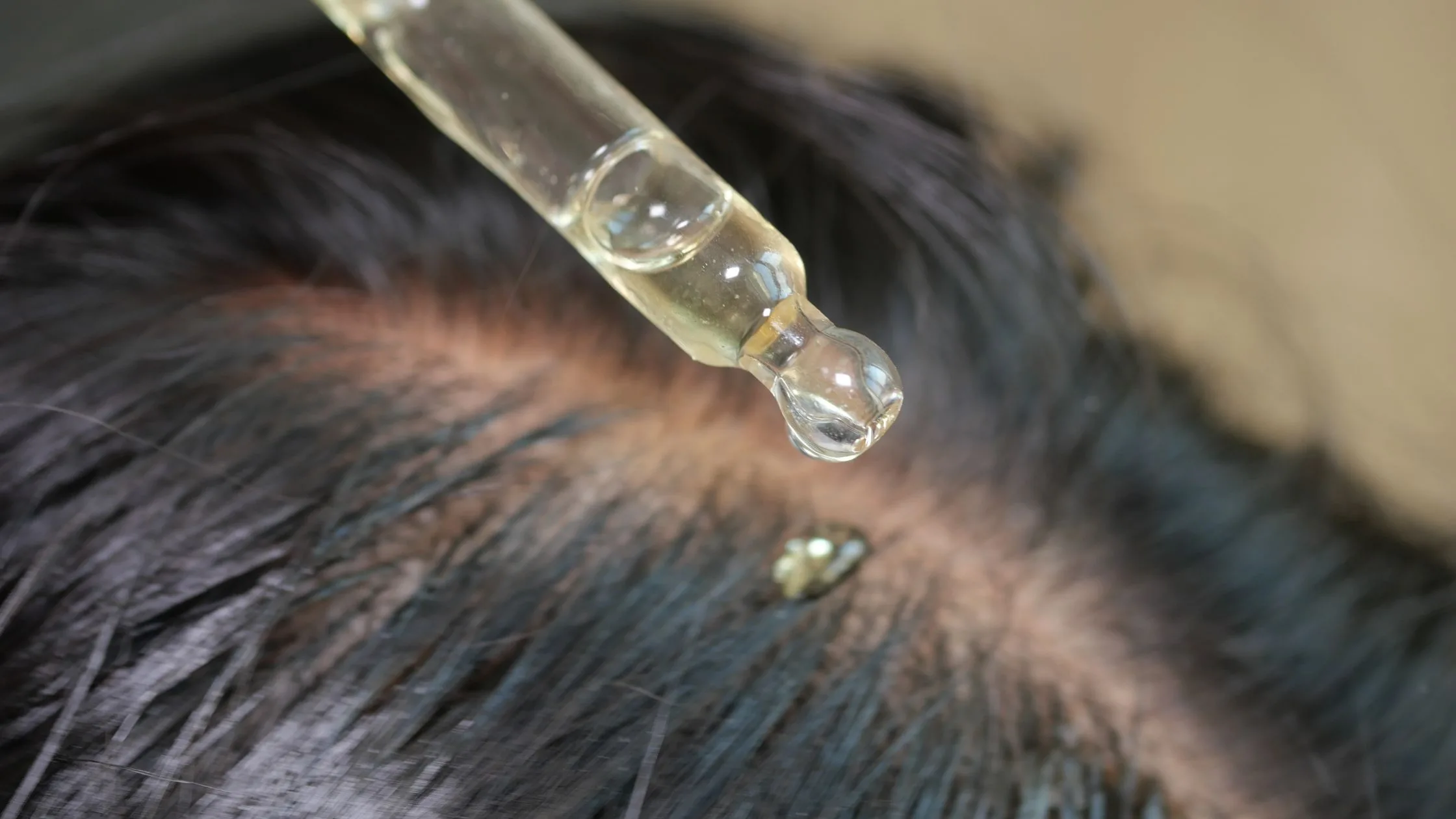
Loc-Safe Scalp Microbiome Serums are a must-have hair care product for people with locs, twists, or braids. Their main purpose is to protect the scalp’s natural microbiome and, at the same time, moisturise, cleanse, and eliminate the presence of residues in the hair and scalp.
The difference between these products and regular oils or serums is that they focus on the fragile ecosystem of microorganisms composed of bacteria and fungi existing on the scalp.
Maintaining this balance prevents itchiness, flaking, and odour while encouraging healthy hair growth beneath the locs.
Source
Whether you have long, thick locs or short, just-installed ones, microbiome serums are a lightweight, practical solution for scalp discomfort and styling problems.
Loc-Safe Scalp Microbiome Serums: What Are They?
A Loc-Safe Scalp Microbiome Serum is an airy, no-residue serum that can scalp but not so much the locs.
The word ‘microbiome’, in reference to the community of microorganisms residing on your scalp, also serves as a local protector against irritation, dryness, and dandruff.
Read also: The Professional Edit: How to Style Short Locs for an Interview in 2026
Otherwise, which hair products would solve the same issue, loc-safe serums:
- Keep the natural microbial balance
- Lessen irritation and inflammation
- Moisturise without the residue
- Make hair grow healthier
How to Use Loc-Safe Scalp Microbiome Serums
Step 1: Section Your Hair
The very first thing to do is to carefully divide the locs. This step is a must because locs are usually thick, and without parting, the serum may not penetrate the scalp uniformly.
Source
When one parts the hair into small sections, the roots are uncovered, where the scalp microbiome resides and where hydration and nutrients are most needed.
Proper sectioning allows you to spot and treat problem areas like the crown, temples, and nape, where dryness, tension, or itching are often more noticeable.
It also prevents product waste, as the right amount of serum can be applied exactly where it is needed, rather than overcoating the whole head.
For long or heavy locs, it might be helpful to clip or tie away the sections not being treated, making the process more comfortable and accurate.
Step 2: Apply the Serum
After sectioning, the serum is applied directly to the scalp. The prescribed quantity is 3–5 drops per section, but this may vary depending on the density and thickness of your hair.
Concentrate on the dry, tight, or itchy spots, as these are usually the scalp areas that need the most hydration and microbial support.
By applying the serum directly to the scalp, you ensure the beneficial ingredients reach the follicles, where they can nourish hair growth, support microbial balance, and soothe irritation.
Read also: Salt Water Benefits for Loc Maturation: How to Make Locs Mature Faster in 2026
Step 3: Massage Gently
As soon as you apply the serum, use your fingertips to gently massage your scalp. This message has a dual purpose.
To begin with, it increases blood flow to hair follicles, promoting stronger, healthier hair growth. Also, it helps the serum fully absorb into the scalp rather than just sitting on the surface.
The constant circular movements of the massage, performed with gentle pressure on the scalp, are the correct way, and using nails might lead to discomfort or damage the locs.
At the same time, it comes as a surprise to many that this step, along with the others, has a comforting effect, which is very helpful for those with long or heavy locs, as it relieves scalp tension and pressure.
This also ensures the serum achieves maximum effectiveness.
Step 4: Style as Usual
The serum can be massaged into the scalp, but no rinsing will take place afterwards.
You are free to style your locs however you like (down, bun, ponytail, twist, braid) because the serum has a lightweight, residue-free formula.
Although the serum remains very active throughout your day, it keeps your scalp moist and healthy without making your hair feel heavy.
Thus, this step makes the application of microbiome serums really convenient and their integration into the hair routine extremely easy.
Also, your locs have maintained their natural texture and style while still being nourished and supported by the microbes.
Step 5: Frequency
Loc-safe scalp microbiome serums would be sufficient for most consumers two or three times a week.
Since these serums are very concentrated, it is not necessary to use them often, and even frequent use can lead to overly oily skin or a slight buildup. It is the regularity that counts more than the number of times.
The scalp is kept balanced, hydrated, and comfortable throughout the day, and this method helps reduce common problems such as dryness, flaking, and irritation.
Types Of Loc‑Safe Scalp Microbiome Serums
Loc-Safe Scalp Microbiome Serums come in different varieties. They are all for the same purpose of protecting your scalp’s natural microbial balance and keeping locs healthy, but the differences in their formulations are great.
With the main types, you can easily pick the one that best suits your scalp condition, hair density, styling routine, and comfort needs.
1. Botanical Extract-Based Serums
Source
Botanical extract-based serums will be composed almost entirely of plant-sourced ingredients such as aloe vera, chamomile, green tea, rosemary, calendula, and neem.
These components support the scalp microbiome and are immune-friendly, without harsh chemicals.
Botanicals are the source of natural anti-inflammatory, antioxidant, and calming properties. Aloe vera, for instance, relieves irritation and dryness, whereas green tea extract reduces oxidative stress and helps produce healthy follicles.
These serums are usually very light and cool on the scalp, making them not just good for sensitive or itchy scalps that need relief without heavy oils, but also for regular oil application.
This type of product is best suited for customers with locs who experience mild to moderate irritation, dryness, and the like.
Botanical serums are very gentle, hence, they are universal and great for newly installed locs or those who favour minimalistic, natural, and processed ingredients.
2. Prebiotic/Probiotic Infusion Serums
The main concern of prebiotic and probiotic serums is maturing the scalp microbiome by supporting beneficial microbes rather than simply calming the skin.
Prebiotics are the nutrients that supply the good bacteria living on your scalp with what they need to survive, and thus, they also help in maintaining the microbial balance.
Probiotics are either live cultures or compounds that feed the beneficial strains and encourage them to dominate.
These serums, unlike most hair oils that provide only moisture, operate at an organism level, creating an environment where healthy microbes can live and, over time, gradually eliminate itchiness, odour, and irritation more efficiently.
What’s more, they provide your scalp with a natural, vigorous barrier against harmful microorganisms.
3. Lightweight Oil Blends
Some loc-safe serums are primarily lightweight oil blends containing fractionated coconut, jojoba, argan, grape seed, or squalane oils, among others.
The reason for selecting these oils is that they not only closely resemble scalp sebum but also absorb quickly, leaving no greasy feel or residue.
These different products not only provide scalp and hair with moisture but also help maintain the balance of skin microbes.
For locs, oil-based, lightweight serums are ideal, while the thicker ones that need water are still unable to tolerate heavy, sticky products.
Moreover, they are very effective at sealing moisture left behind by washing or co-washing.
Lightweight oil blends are the go-to solution for people prone to scalp dryness, for locs that are rough and lack softness, or for people who experience scalp discomfort in the winter months.
They make the hair soft and at the same time the scalp very moisturised.
4. Cooling / Soothing Serums
The application of these active ingredients to the skin produces a mild cooling sensation that can provide instant relief for irritated or itchy scalps.
The cooling effect not only improves blood circulation but also supports hair follicle health and reduces discomfort.
Those loc wearers who suffer from tension at the back of their neck, temples, or crown (particularly after protective hairdos or due to hot weather) will find such serums very calming.
These active cooling compounds can be quite strong, so it’s best to use them only occasionally and in small amounts.
Final Thoughts
Loc‑Safe Scalp Microbiome Serums are available in multiple formulations, as the needs of the scalp and hair differ greatly among individuals.
Knowing how to differentiate between the botanical, prebiotic/probiotic, oil‑based, cooling, vitamin‑enriched, and minimalist serums will give you the power to select the one that perfectly fits your scalp condition, styling habits, and comfort preferences.
Making the right choice means not only protecting your microbiome but also bringing your loc care routine to a healthier, more comfortable, and more eco-friendly level.
Frequently Asked Questions
1. How To Repair the Scalp Microbiome?
Restoration of the scalp microbiome involves reestablishing the natural balance of beneficial bacteria and fungi. The first step to accomplishing this goal is to apply gentle, microbiome-friendly treatments, such as loc-safe serums or shampoos that do not contain harsh sulfates, silicones, or alcohols, which can upset the microbial ecosystem.
Applying serums containing prebiotics or probiotics can help nourish and support healthy microbes; meanwhile, plant extracts such as aloe vera or green tea can serve as anti-inflammatory agents.
There are also practices you can do, such as washing and moisturising regularly, avoiding excessive heat or chemical treatments, and reducing stress, which would help the microbiome recover.
The skin and hair on the head would eventually become less itchy, flaky, and smelly, and their overall health would improve with these practices.
2. What Is The Best Scalp Serum For Thinning Hair?
For thinning hair, the best scalp serums are those containing vitamins, nutrients that support growth, and very light oils.
Serums that have vitamin E, biotin, niacinamide, or peptides can provide nourishment to the follicles, increase blood circulation, and make hair stronger from the roots up.
A very light carrier, such as jojoba or argan oil, will keep the hair moisturised without blocking pores, and at the same time, microbiome-friendly components will keep the scalp healthy, which is vital for hair regrowth.
An application that is consistent, along with a gentle scalp massage, can increase absorption and help achieve denser, healthier hair over time.
3. Does Scalp Serum Clog Pores?
They supply moisture and bacterial support without forming a thick layer. Heavy oils, silicone-based products, or excessive application can block pores and trap dirt, but serums that are friendly to the microbiome do not.
Dividing the hair properly, applying the serum directly to the scalp rather than the hair shaft, and using it in moderation all help keep your pores clear while the scalp gets its necessary nutrients.
4. What Causes The Scalp Microbiome To Be Disturbed?
A number of different factors can disrupt your scalp microbiome’s natural balance. A lot of washing with harsh shampoos or sulfates, the constant use of alcohol-based styling products, and heavy oils and silicones can all lead to the removal of good bacteria.
External factors, such as pollution, UV rays, and humidity, are also major contributors, along with physical factors, such as tight hairstyles that pull on the scalp. Unhealthy lifestyle habits including poor diet, high stress, and lack of sleep can also worsen the microbial balance.
The most effective way to restore and protect balance is to use gentle, loc-safe, microbiome-supportive products and maintain a scalp care routine.