
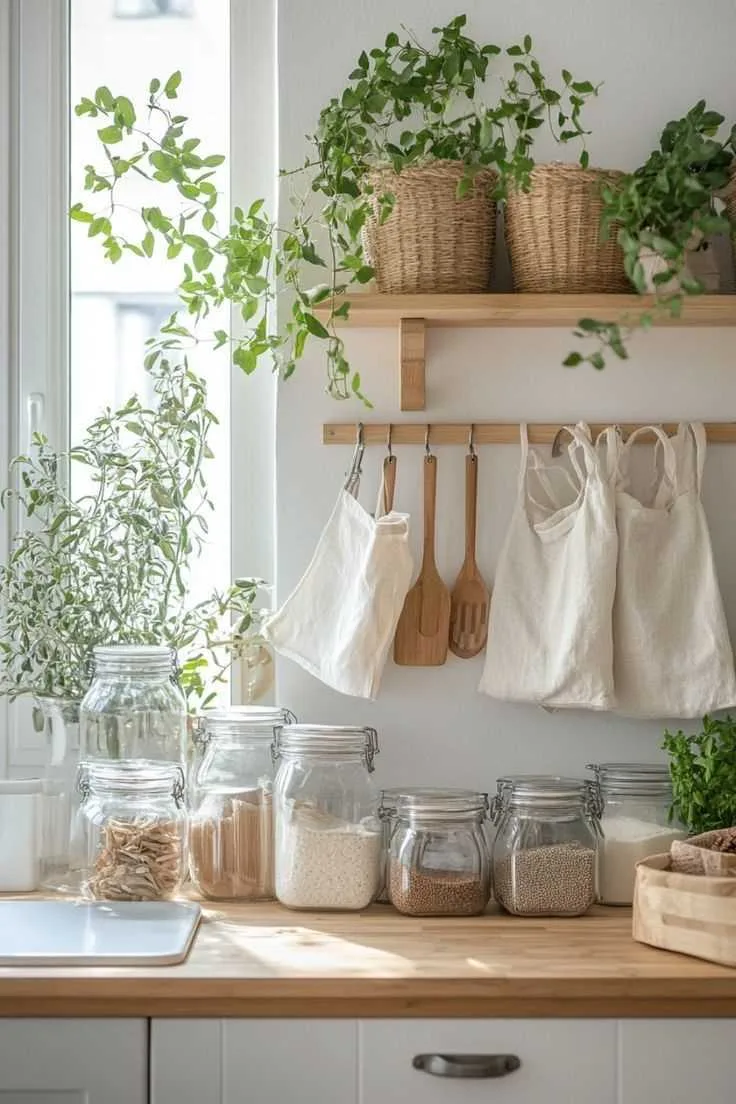
This post will teach you Zero-Waste Apartment Hacks for Beginners (Simple & Affordable Tips).
Living a zero-waste lifestyle might sound overwhelming at first, especially if you live in an apartment with limited space, shared facilities, or strict rules.
Many beginners assume zero waste means being perfect, buying expensive eco-products, or producing absolutely no trash at all.
The truth is much simpler.
Zero waste is about reducing waste gradually, making smarter choices, and creating habits that fit your lifestyle.
Even small changes in an apartment setting can significantly reduce the amount of trash you send to landfills.
If you’re just starting out, this guide will walk you through easy zero-waste apartment hacks for beginners, practical, affordable, and realistic steps you can implement without stress.
What Does Zero Waste Really Mean?
Zero waste does not mean producing zero trash overnight. Instead, it focuses on the 5 R’s:
-
Refuse what you don’t need
-
Reduce what you use
-
Reuse what you already own
-
Recycle properly
-
Rot (compost) organic waste
For apartment dwellers, the goal is progress, not perfection. Every item you reuse or avoid buying is a win.
Why Zero-Waste Living Is Perfect for Apartment Beginners
Apartments can actually make zero-waste living easier in many ways:
-
Smaller spaces encourage mindful consumption
-
Less storage means fewer unnecessary purchases
-
Shared utilities reduce overall environmental impact
-
Minimalism fits naturally into apartment living
With the right hacks, you can reduce waste without cluttering your home or breaking your budget.
Easy Zero-Waste Apartment Hacks for Beginners (Explained in Detail)
1. Start With a Waste Audit
Photo credit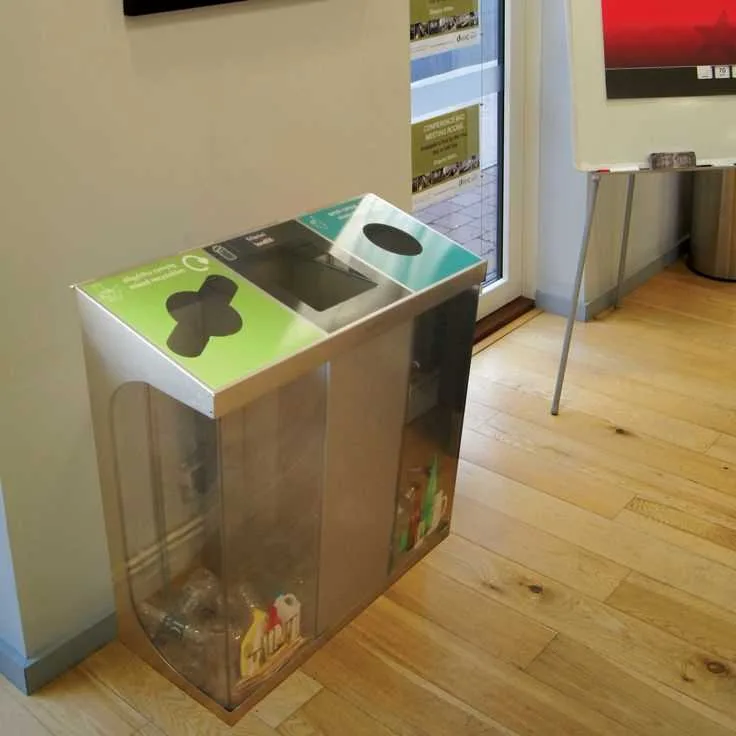
Before trying to live zero waste, it is important to understand your current habits. A waste audit simply means paying attention to what you throw away over a few days.
For one week, observe your trash and note the items you discard most often. This may include plastic water bottles, food wrappers, takeaway containers, paper towels, or shopping bags. Seeing your waste pattern helps you identify where change is most needed.
For example, if you notice many plastic drink bottles, switching to a reusable bottle becomes a priority.
If most waste comes from food packaging, you can focus on shopping differently. This method prevents you from feeling overwhelmed and helps you improve step by step.
2. Replace Single-Use Items With Reusables
Single-use items are products designed to be used once and thrown away. These items create the largest amount of household waste.
Common examples include plastic bags, disposable cups, paper napkins, and bottled water. Replacing them with reusable options is one of the fastest ways to reduce trash.
You can start small by carrying a reusable water bottle, using cloth shopping bags, and storing food in reusable containers. Over time, these habits become automatic and reduce your dependence on disposables.
Although reusable items may cost more at first, they save money in the long run because you no longer need to keep buying replacements.
3. Create a Simple Recycling System
photo credit
Many beginners avoid recycling because it feels confusing. However, having a simple system makes it easy and stress-free.
First, find out what materials your local recycling program accepts. Some places recycle plastic, glass, paper, and metal, while others accept only certain items.
Next, create separate bins or containers in your apartment for recyclable materials. Label them clearly if necessary.
Always rinse food containers before recycling to prevent odor and contamination.
If your building does not provide recycling facilities, you can collect recyclables in a bag and drop them off at a nearby center once a week.
4. Reduce Food Waste in Small Kitchens
photo credit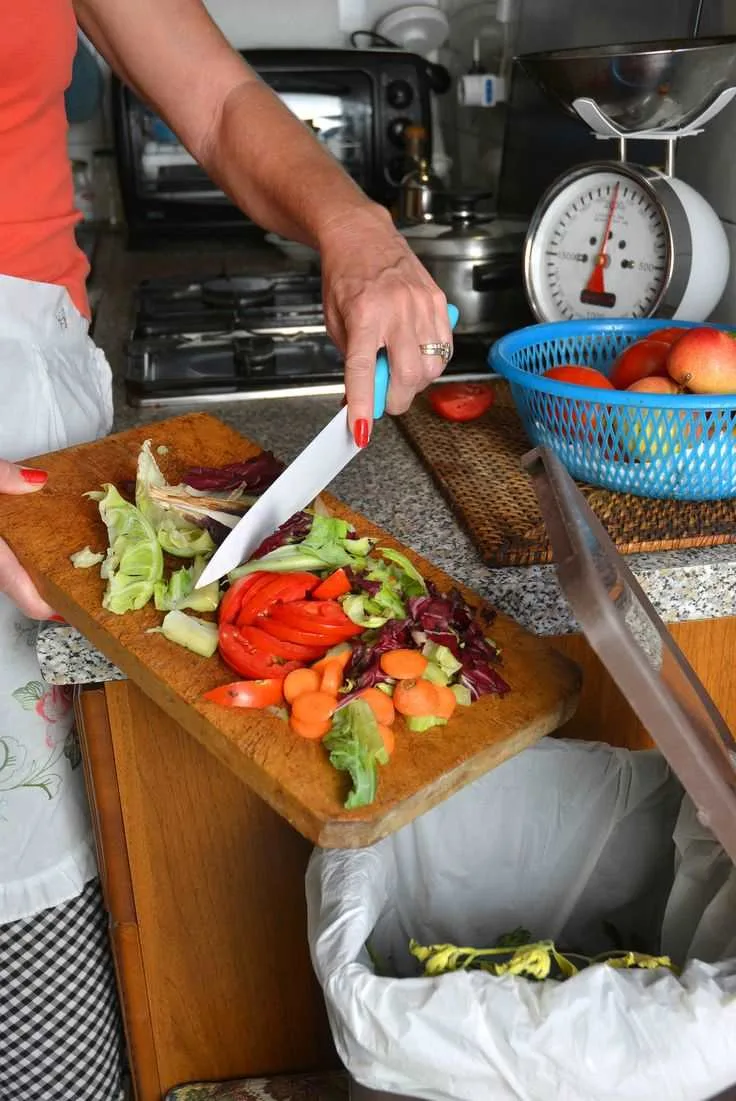
Food waste is one of the biggest problems in apartment living, especially in small kitchens where storage is limited.
To reduce waste, start by planning your meals before shopping. Write a list and stick to it. Avoid buying food simply because it looks appealing if you already have similar items at home.
Store food properly to extend freshness. Keep fruits and vegetables in suitable containers and refrigerate leftovers promptly. You can also freeze cooked meals and extra ingredients for later use.
By managing food carefully, you reduce waste, save money, and keep your kitchen organized.
You may also like:
25 Amazing Spring Tablescape Ideas for Everyday Events
How to Dry Locs After a Gym Workout Without Odor or Damage
5. Compost Even in an Apartment
Many people think composting is only possible in houses with gardens, but this is not true. Apartment composting is simple with the right tools.
You can use a small countertop compost bin with a tight lid to store food scraps. Some people prefer storing scraps in the freezer to prevent odor until disposal.
Look for community compost programs, local gardens, or collection services in your area. These programs accept food waste and turn it into natural fertilizer.
Composting reduces the amount of organic waste sent to landfills and helps protect the environment.
6. Shop With Zero-Waste in Mind
Zero-waste shopping means being intentional about what you buy and how it is packaged.
Before purchasing anything, ask yourself if you really need it. Avoid impulse buying, which often leads to unnecessary waste. Choose items with minimal or recyclable packaging whenever possible.
Buying in bulk reduces plastic packaging and saves money.
Shopping at local markets and refill stores also supports sustainable businesses.
Carrying reusable bags and containers makes zero-waste shopping easier and more convenient.
7. Use What You Already Own First
Photo credit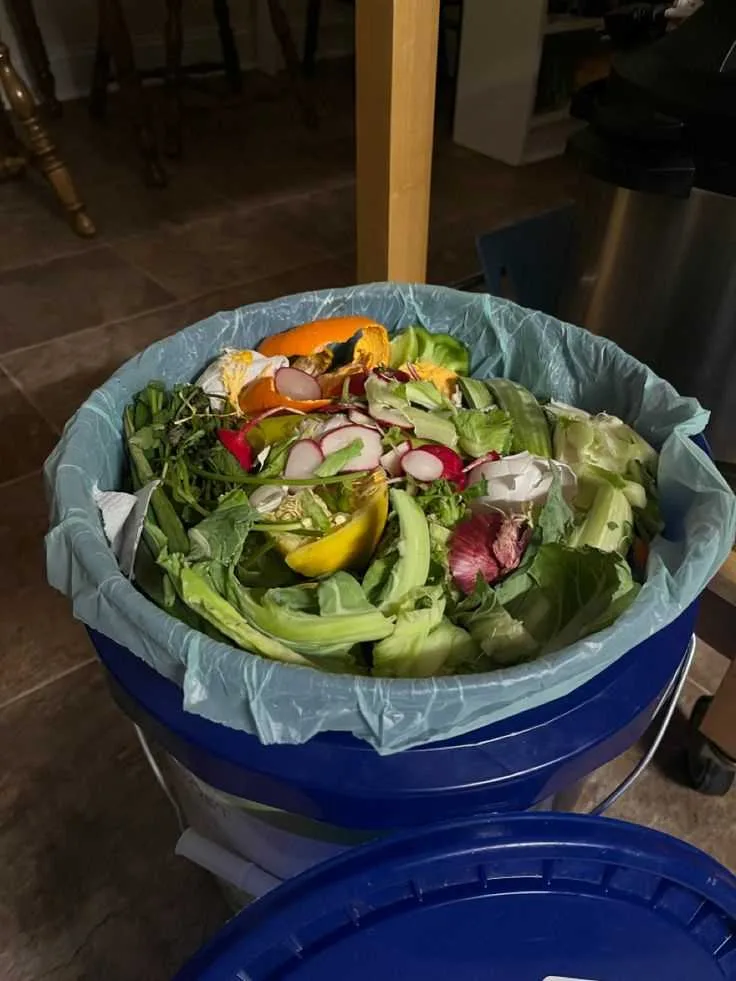
A common beginner mistake is throwing away usable items to buy “eco-friendly” replacements. This actually creates more waste.
Instead, use what you already have until it is finished or worn out. For example, finish your plastic shampoo bottle before switching to bar shampoo. Reuse glass jars for storage. Turn old clothes into cleaning rags.
Zero waste is not about replacing everything, it is about making the best use of what you own.
Check this out:
How to Decorate for Valentine’s Day Sustainably (Thrifted & DIY Décor Guide)
Birthday Decoration Ideas for Girlfriend: Romantic, Cute & Creative Surprises
8. Switch to Zero-Waste Cleaning Hacks
Photo credit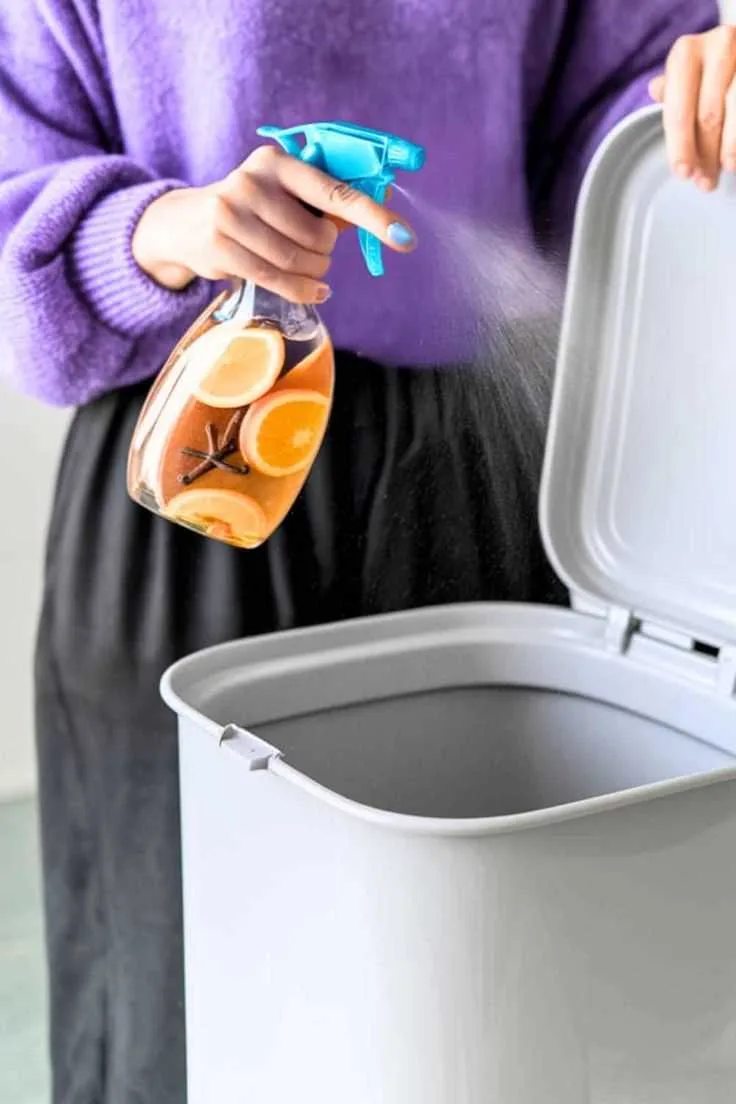
Many commercial cleaning products come in plastic bottles and disposable wipes, which add to waste.
You can create effective cleaners using simple ingredients like vinegar, baking soda, lemon juice, and water. These are affordable, safe, and environmentally friendly.
Use reusable cloths instead of paper towels. Wash and reuse them regularly. Invest in refillable spray bottles to reduce plastic waste.
These methods keep your apartment clean while reducing environmental impact.
You might enjoy reading :
Mob Wife Bachelorette Theme: Outfits, Decor, and Party Ideas for 2026 Brides
The Ultimate Galentini Martini Making Party Guide for a Perfect Bestie Bash in 2026
9. Reduce Bathroom Waste Gradually
Photo credit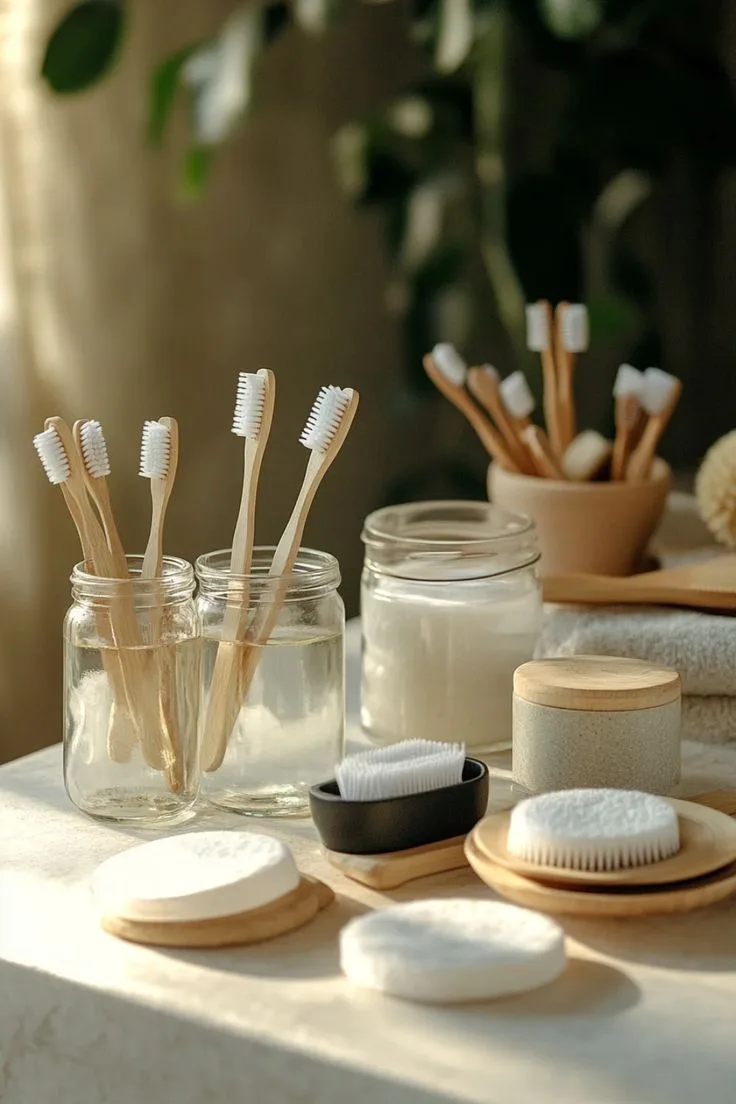
Bathrooms generate a lot of plastic waste from personal care products. However, switching everything at once can be expensive and stressful.
Start gradually. When a product finishes, replace it with a sustainable option.
For example, switch from liquid soap to bar soap, from disposable pads to reusable cotton pads, or from plastic toothbrushes to bamboo ones.
Taking small steps prevents waste and allows you to adjust comfortably.
10. Avoid Takeout Packaging Where Possible
Photo credit
Takeout food is convenient, but it produces large amounts of waste through plastic containers, bags, and cutlery.
To reduce this, try cooking more meals at home and packing lunch when possible. When ordering food, choose restaurants that use biodegradable packaging.
If you bring home leftovers, use your own containers instead of disposable ones. Some restaurants also allow customers to bring reusable containers.
You do not need to stop eating out completely, just be mindful and reduce how often you rely on disposable packaging.
Check this out:
Dill With It: The Ultimate Pickle Party Galentine’s Decor & Hosting Guide
Common Zero-Waste Mistakes Beginners Make
Starting a zero-waste lifestyle is exciting, but many beginners make avoidable mistakes that can lead to frustration and burnout.
Understanding these common errors will help you stay consistent and enjoy the journey.
1. Trying to Be Perfect
One of the biggest mistakes beginners make is aiming for perfection from the start. Many people believe that living zero waste means producing no trash at all. When they fail to meet this unrealistic standard, they become discouraged.
In reality, zero waste is a gradual process.
Everyone makes mistakes, especially in the beginning. You may forget your reusable bag, buy something in plastic packaging, or throw away food occasionally. These moments do not mean you have failed.
Instead of feeling guilty, focus on learning from each experience. Progress matters more than perfection. Every small improvement contributes to a cleaner environment.
2. Buying Too Many Eco-Friendly Products
Another common mistake is replacing everything with “eco-friendly” products at once. Many beginners rush to buy bamboo items, metal straws, reusable wraps, and sustainable gadgets without first using what they already own.
This behavior often leads to unnecessary spending and clutter.
Ironically, it can also create more waste when old items are discarded too quickly.
Minimalism is an important part of zero-waste living. Before buying anything new, ask yourself if you already have something that serves the same purpose. The most sustainable product is the one you already own.
3. Giving Up Too Soon
Some beginners expect immediate results and become disappointed when change feels slow. After a few weeks, they may feel that their efforts are not making a difference and decide to quit.
Zero-waste living is built on long-term habits, not quick fixes.
Small actions repeated daily create meaningful impact over time.
Using reusable bags, reducing food waste, and composting may seem minor, but together they make a powerful difference.
Consistency is more important than speed. Stay patient, trust the process, and remember that lasting change takes time.
How Much Waste Can You Actually Reduce?
Many beginners are surprised by how quickly their waste decreases once they start making mindful changes.
Within the first few months, most people notice:
-
Fewer trash bags filled each week
-
Reduced plastic packaging at home
-
Lower spending on groceries and takeout
-
More awareness of buying habits
Simple actions such as cooking more at home, using reusable containers, and avoiding impulse purchases can significantly reduce waste.
For many beginners, reducing household waste by 30–50% is a realistic and impressive achievement. This level of reduction already has a positive environmental impact and shows that your efforts are working.
Remember, every piece of waste you avoid matters.
Tips to Stay Motivated as a Beginner to Zero-Waste Apartment Hacks
Maintaining motivation is essential for long-term success in zero-waste living. Here are practical ways to stay encouraged and committed.
1. Follow Zero-Waste Creators Online
Social media and blogs are full of inspiring zero-waste creators who share tips, routines, and personal experiences. Following them keeps you informed and motivated.
2. Track Your Progress
Pay attention to how your habits are changing. Notice how often you take out the trash, how much plastic you buy, and how much food you save. Seeing improvement builds confidence.
3. Celebrate Small Wins
Every positive step counts. Whether you switched to reusable bags or started composting, take pride in your achievements. Small wins lead to big results.
4. Involve Roommates or Family
Living zero waste is easier with support. Encourage the people you live with to participate. Shared goals make the journey more enjoyable and sustainable.
Motivation grows when you recognize your progress and feel supported.
Is Zero-Waste Living Expensive?
Many people believe that zero-waste living is only for those with large budgets. However, this is a common misconception.
While some sustainable products may cost more upfront, zero-waste living often saves money in the long run.
It helps you:
-
Reduce impulse buying
-
Spend less on packaged foods
-
Cut down on takeout expenses
-
Reuse items instead of replacing them
By shopping mindfully and using what you already own, you naturally spend less. Over time, many people find that their overall household expenses decrease.
Zero-waste living is not about buying more, it is about buying less and choosing wisely.
Zero-waste apartment living is not about being flawless, it’s about being intentional. As a beginner, focus on progress, not pressure. Each reusable item, each mindful purchase, and each habit change contributes to a cleaner environment.
You don’t need a big house, a huge budget, or years of experience to start. With these zero-waste apartment hacks for beginners, you can reduce waste, simplify your lifestyle, and feel good about the impact you’re making, one small step at a time.
This post showed you Zero-Waste Apartment Hacks for Beginners.