This Post Will Show You 20 Best Dreadlocks Haircare Routine.
When I first started my dreadlocks (locs) journey, I honestly thought they would be “low maintenance.” I assumed that once my hair locked, it would simply grow without much effort.
However, I quickly discovered that locs thrive on intentional care, patience, and consistent habits.
Healthy dreadlocks don’t just happen, they are built through consistent routines, scalp attention, moisture balance, and gentle handling.
If you’re on your loc journey, or planning to start, this guide will walk you through the 20 Best Dreadlocks Haircare Routine that helped me prevent dryness, thinning, breakage, and buildup.
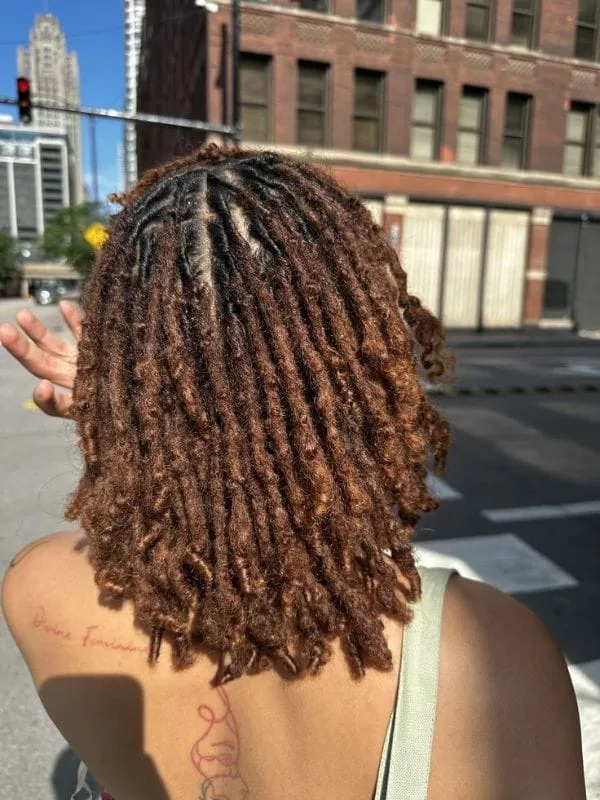
If you are looking to understand How I Prevented Thinning and Hair Loss in My Locs (And You Can Too)
Why Locs Need Intentional Care (And What I Learned Early On)
When I first started my loc journey, I assumed “low maintenance” meant I could wash occasionally and everything would take care of itself.
I quickly discovered that locs have a memory, they hold onto water, oil, product, and even neglect.
Understanding this completely changed how I approached haircare.
Unlike loose natural hair, locs require a balance between moisture, cleanliness, and minimal manipulation.
Overdoing any one thing can cause dryness, buildup, or even thinning at the roots. On the other hand, neglecting them slows growth and weakens strands.
Key Lessons I Learned Early
Clean Scalp Over Everything: Best Dreadlocks Haircare Routine; A clean scalp is non-negotiable. Dirt, sweat, and excess product slow growth and cause odor.
- Moisture Without Weight: Locs need hydration, but heavy creams and butters can suffocate them. Light water based sprays paired with a small amount of oil work best.
- Consistency Beats Intensity: I realized that small, repeated habits work better than occasional, over the top routines. Regular washes, gentle retwists, and scalp massages made a bigger difference than any single product.
- Edges Are Fragile: Early on, I pulled my hair too tightly for certain styles. The thinning edges taught me to protect my hairline at all costs.
- Patience Is Essential: Locs develop in stages, starter, budding, and mature. Growth is not linear. Embracing these phases helped me let go of frustration and enjoy the process.
Transitioning to a Routine That Works
Once I understood the core needs of locs, I built a haircare routine that targets these four pillars:
- Clean scalp to promote growth and prevent buildup
- Balanced moisture to prevent brittleness without causing residue
- Low manipulation to maintain root strength
Patience and observation to identify issues before they escalate. By focusing on these fundamentals, my locs gradually became stronger, fuller, and healthier.
The following 20 Best Dreadlocks Haircare Routine are a step-by-step guide of everything I do now, from washing to protecting, styling, and monitoring growth.
Each tip reflects lessons learned through trial, error, and experience, not just theory.
Here are 20 Best Dreadlocks Haircare Routines (My Complete Guide to Healthy, Strong Locs).
For more insight Comb Coil Unraveling Fix: How To Keep Your Coils Neat And Defined
20 Best Dreadlocks Haircare Routine (My Complete Guide to Healthy, Strong Locs)
1. Cleanse My Locs Regularly (But Not Too Often)
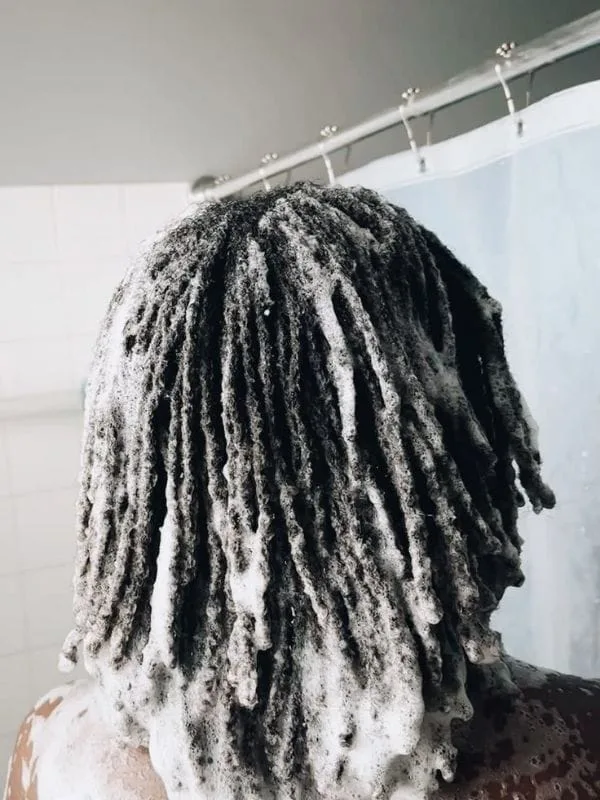
Washing too frequently or skipping washes entirely can both cause issues. I cleanse my locs every 2–4 weeks depending on activity, product use, weather, and scalp condition.
I choose a residue free shampoo because heavy shampoos leave buildup trapped inside locs.
Clean locs grow better, and itchy or flaky scalp cues me when it’s time for a wash.
2. Prioritize Scalp Health First
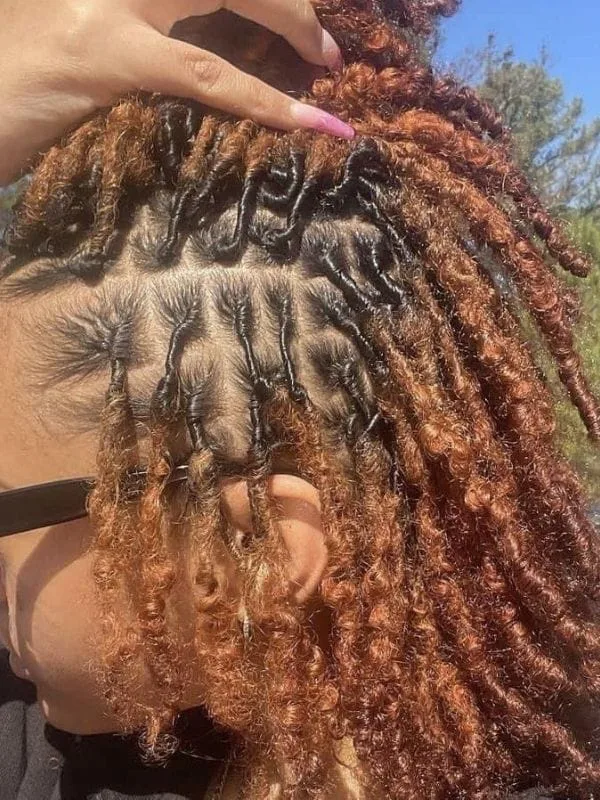
Locs are only as healthy as the scalp underneath. When washing, I massage my scalp gently with fingertips.
This boosts circulation, removes dirt, and stimulates hair growth. Strong roots translate to thicker, more resilient locs over time.
You might enjoy reading Starting Locs on Bleached Hair Safely: A Beginner’s Guide
3. Keep Locs Moisturized Without Overdoing It
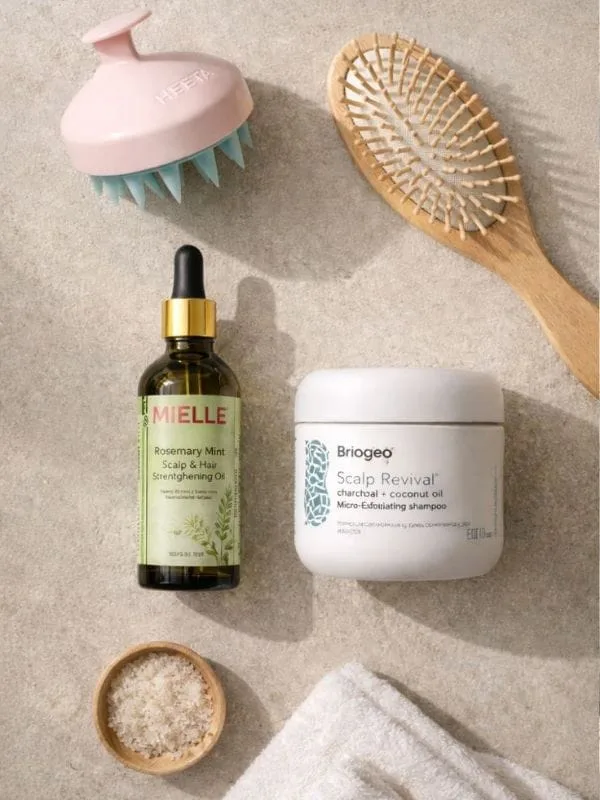
Dry locs break easily. Unlike loose hair, locs don’t distribute natural oils along the shaft efficiently, so I provide moisture manually.
My simple routine involves a light water mist, a loc friendly leave in, and a touch of light oil. I avoid heavy creams to prevent buildup.
4. Use a Lightweight LOC or LCO Method
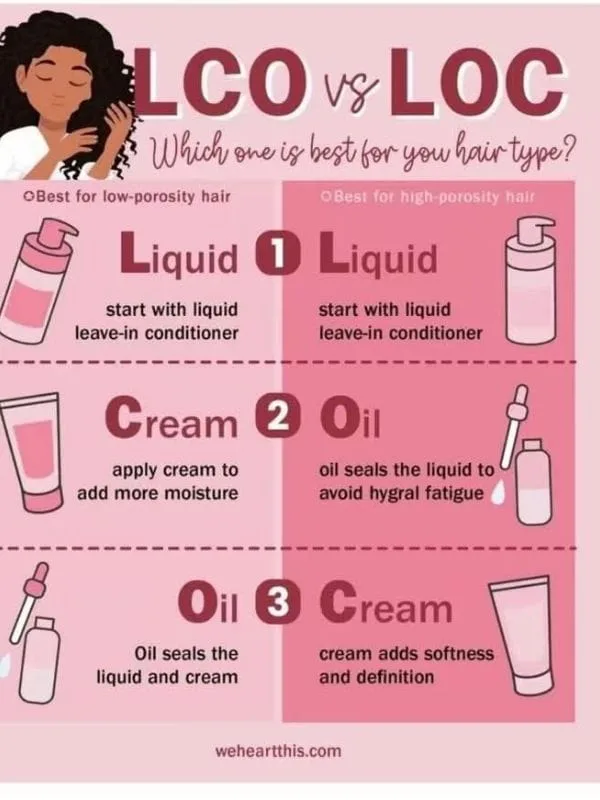
The LOC (Liquid Oil Cream) method works for locs in a lighter version.
I spray water or aloe based liquids first, then seal with light oils such as jojoba or grape seed. This keeps locs hydrated without clogging them.
5. Protect Locs While Sleeping
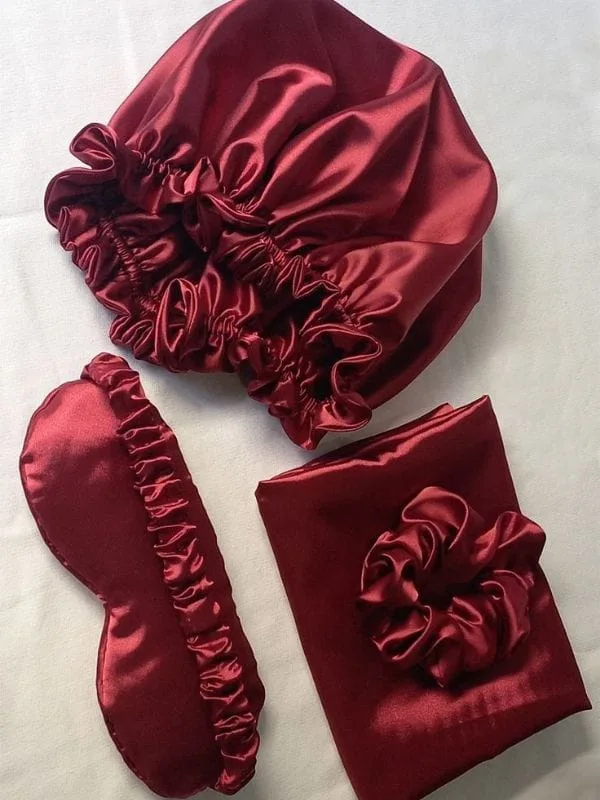
Cotton pillowcases can steal moisture and create friction, weakening edges. I sleep with a satin bonnet, scarf, or pillowcase. Since adopting this, breakage has decreased significantly.
For more insight 15 Beautiful and Professional Loc Styles for Corporate Women
- How to Sleep with Locs Without a Bonnet: 5 Safe Alternatives for 2026
- Frictionless Loc Sleeping Gear: Protect Locs While You Sleep
6. Avoid Frequent Retwisting
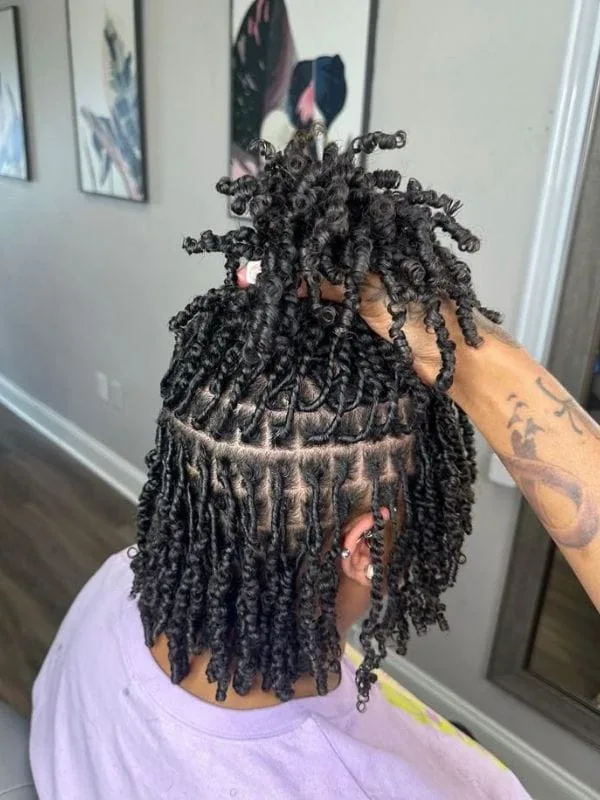
Over retwisting weakens roots, causes traction alopecia, and forms weak spots. I retwist every 4–8 weeks depending on hair growth. Less manipulation equals stronger locs.
7. Keep Edges Stress-Free
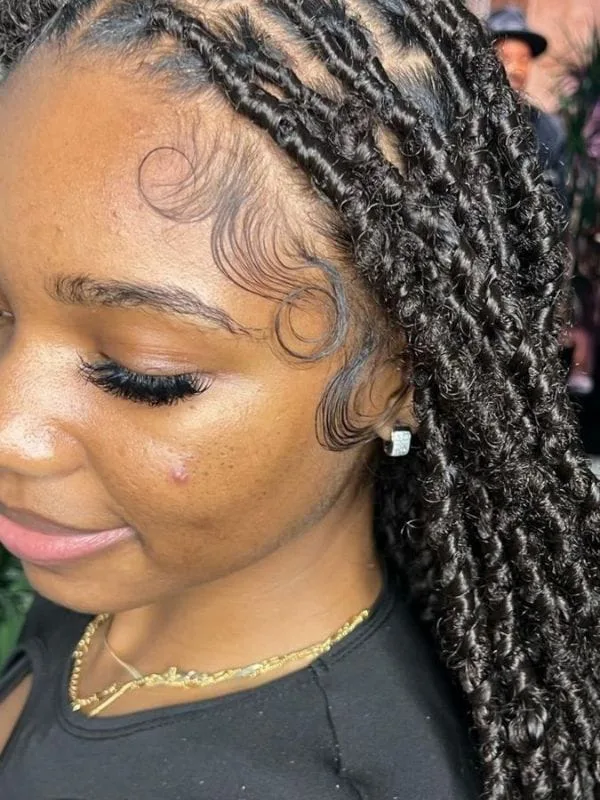
Tight styling pulls at the hairline. To protect my edges, I avoid tight ponytails, barrel twists, and heavy extensions.
Gentle handling keeps my hairline intact and healthy.
8. Clarify Locs When Necessary
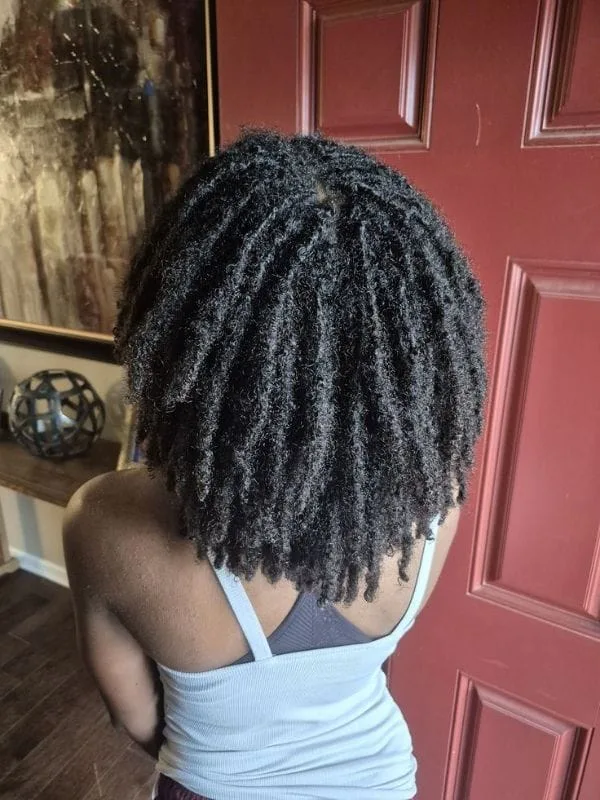
Even after regular washing, locs can feel dull due to buildup. I clarify every few months to remove residue, refresh, and restore shine. Overdoing it can dry locs, so moderation is key.
You might enjoy reading The Best Loc-Safe Heatless Curls for Defined, Healthy Locs
9. Dry Locs Completely After Washing
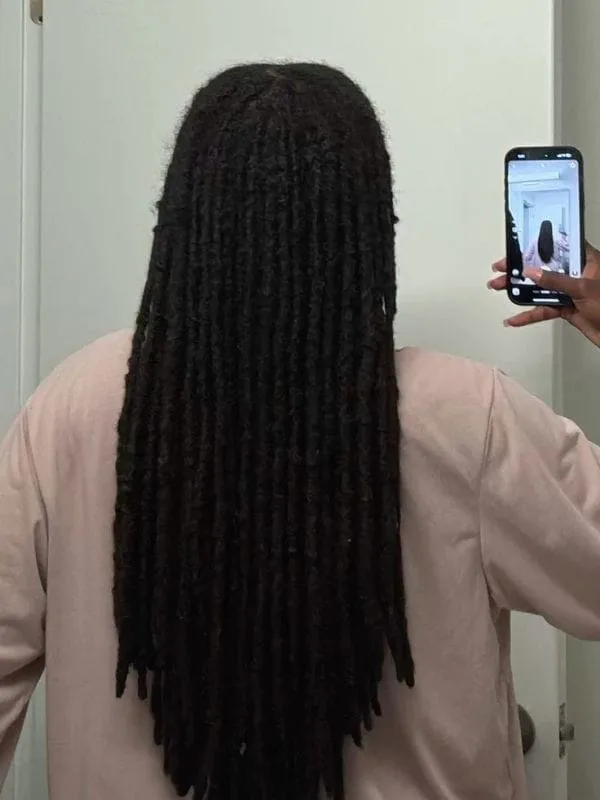
Wet locs can develop an unpleasant smell or mildew. After washing, I squeeze out excess water, air dry when possible, or use a dryer. Wet locs should never be tied up.
10. Avoid Heavy Products
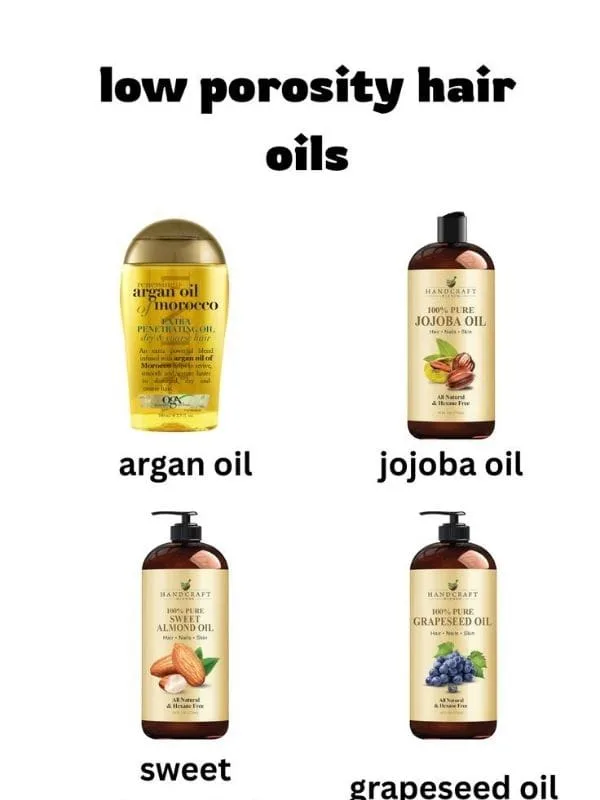
Thick butters, grease, and heavy waxes can settle inside locs, making them hard to clean. Lightweight products keep locs soft, breathable, and build up free.
11. Massage Scalp With Light Oils
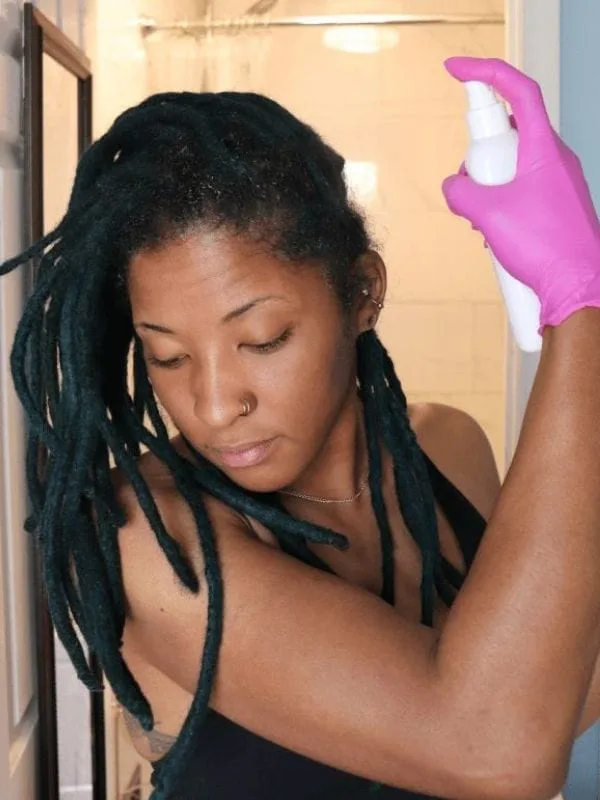
Once or twice weekly, I gently massage my scalp with natural oils. This increases circulation, reduces dryness, and feels relaxing. I avoid over oiling to prevent residue.
This article dives into Salt Water Loc Maturation: How Sea Water Speeds Up Loc Growth Naturally
12. Maintain a Healthy Diet

Hair growth is as internal as external. Increased water intake, protein-rich meals, fruits, and vegetables make my locs stronger and more resilient. Healthy hair reflects a healthy body.
13. Trim Weak or Thinning Ends Early
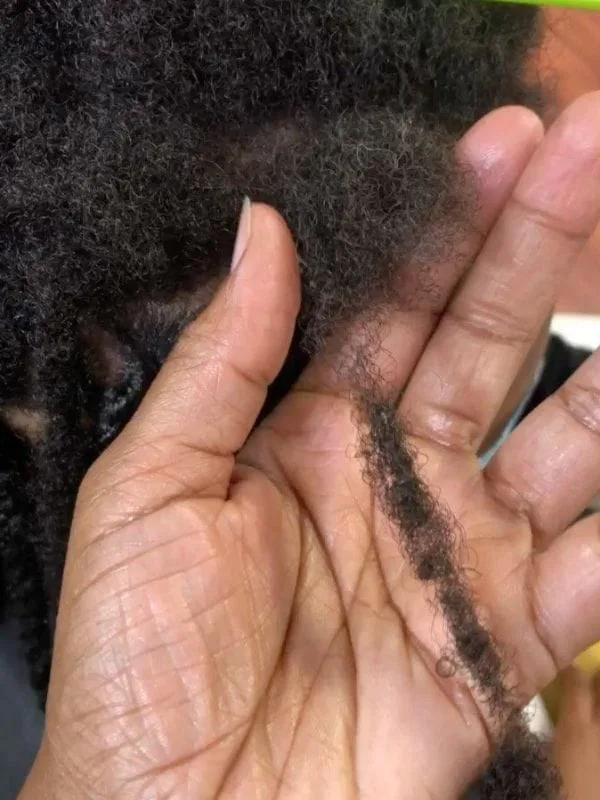
Ignoring thinning locs or damaged ends can cause breakage. I trim weak tips or combine fragile locs early. Early intervention prevents bigger issues.
14. Limit Heat Styling
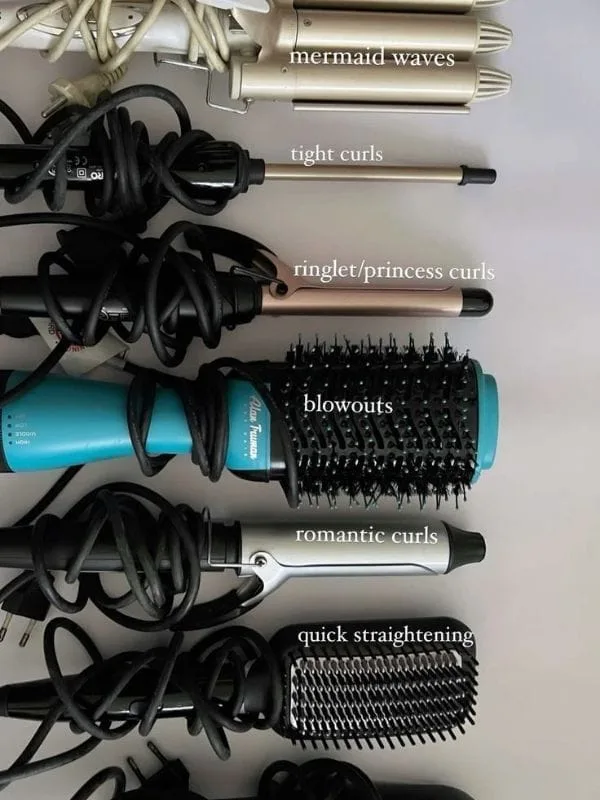
Excessive heat weakens locs. I rarely use flat irons or blow-dryers. If I do, I apply a heat protectant and keep the temperature low.
15. Give Locs Rest Days
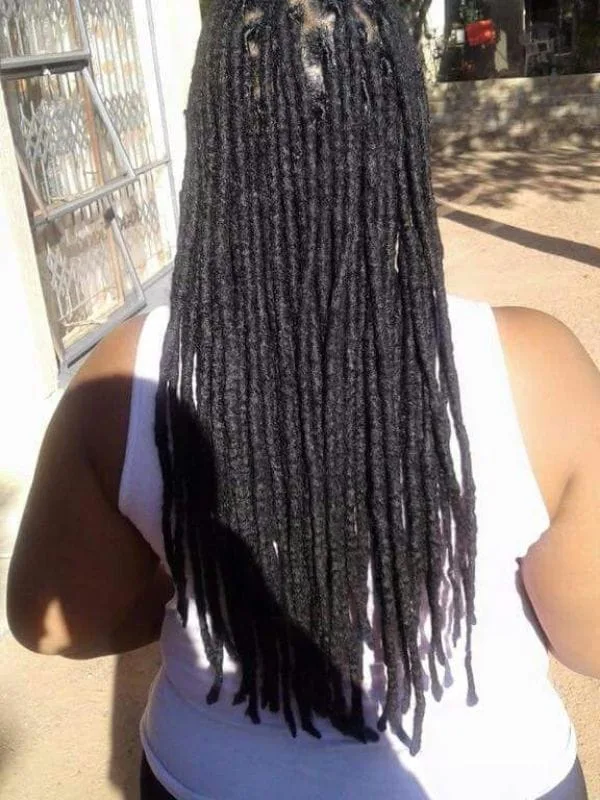
Constant styling stresses locs. Some days I leave them down without tension, manipulation, or styling. Locs, like hair and scalp, need recovery periods.
16. Stick to a Consistent Interlocking Schedule
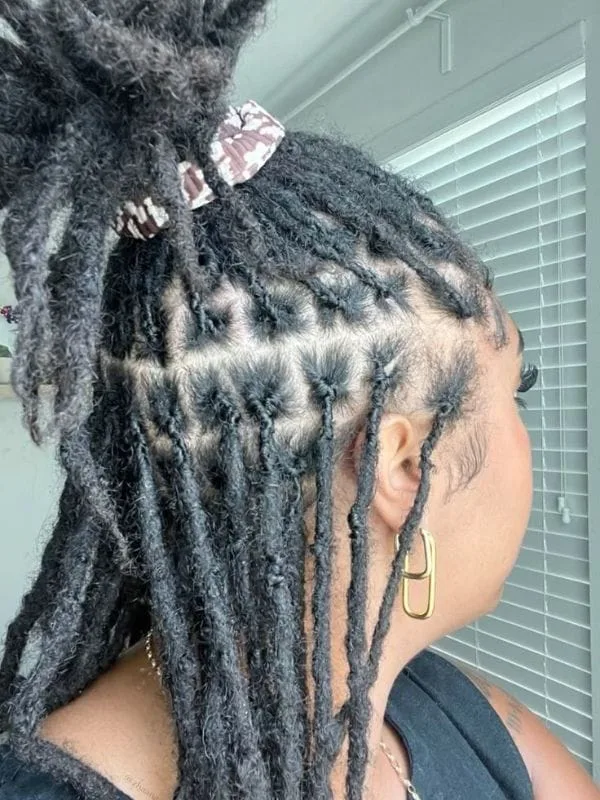
For interlocked locs, consistency prevents weak new growth and tangling at roots. I maintain a schedule and never skip necessary touch ups.
17. Handle Locs Gently
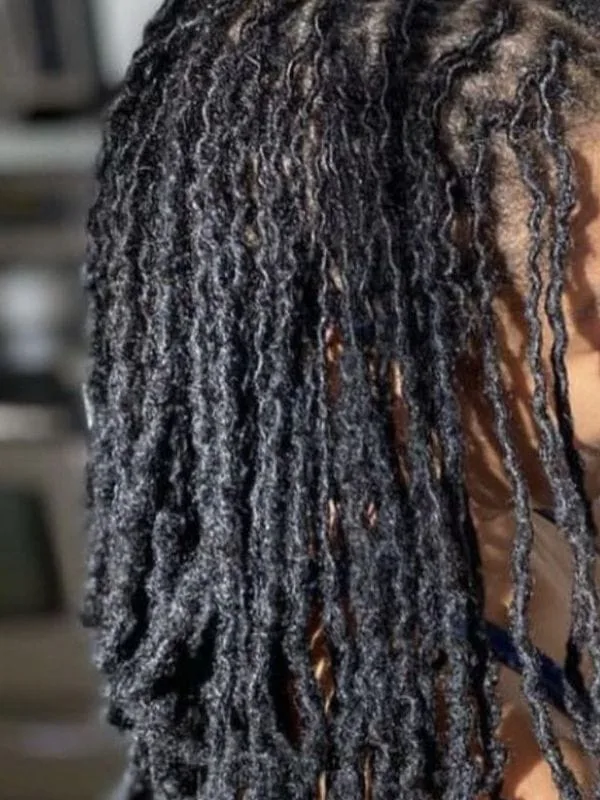
No aggressive twisting, rough towel drying, or pulling. I treat locs like delicate fabric, which preserves strength and prevents unnecessary breakage.
18. Watch for Thinning Early
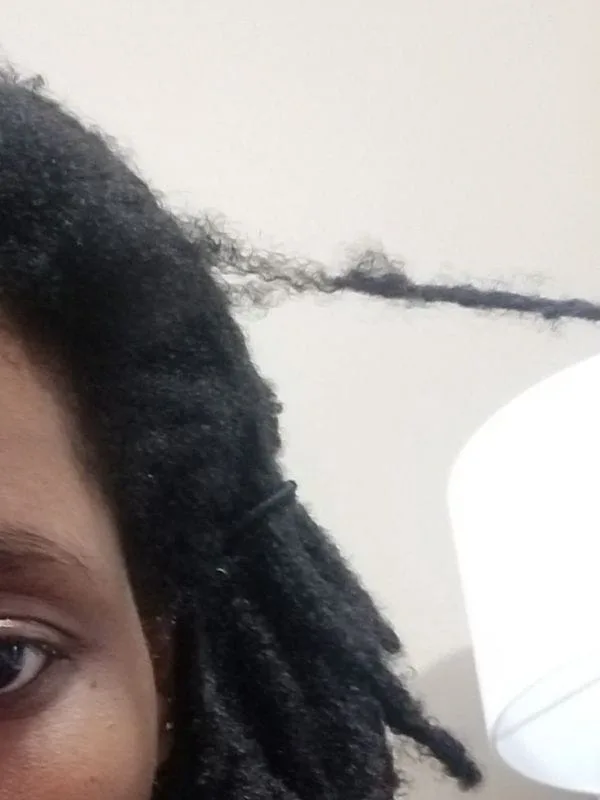
If I notice skinny roots, pain, or shedding, I adjust immediately. Early action prevents permanent damage.
You might enjoy reading How I Prevented Thinning and Hair Loss in My Locs (And You Can Too)
10 Common Loc Mistakes to Avoid That Cause Thinning & Breakage
19. Detox Occasionally
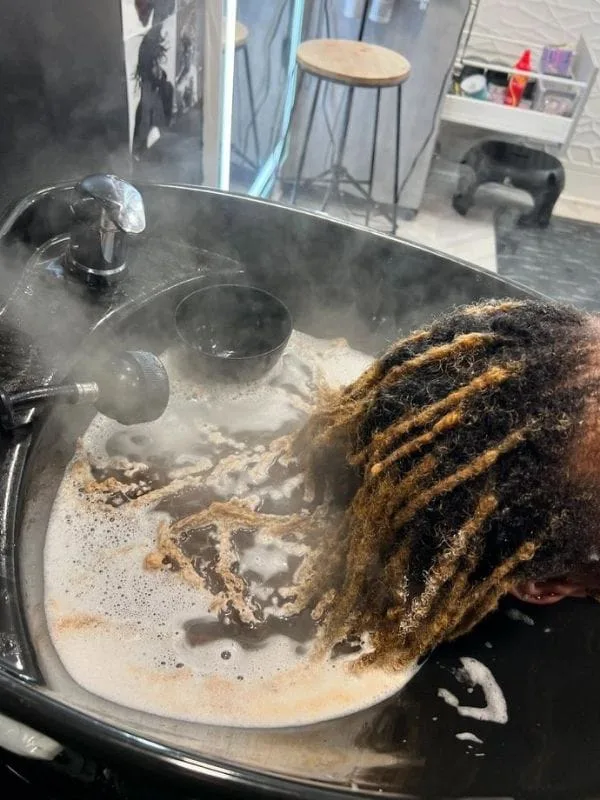
Locs trap sweat, dirt, and product residue over time. I perform gentle detox soaks every few months. Detoxing too frequently can dry locs, so moderation is key.
20. Embrace Patience and the Process
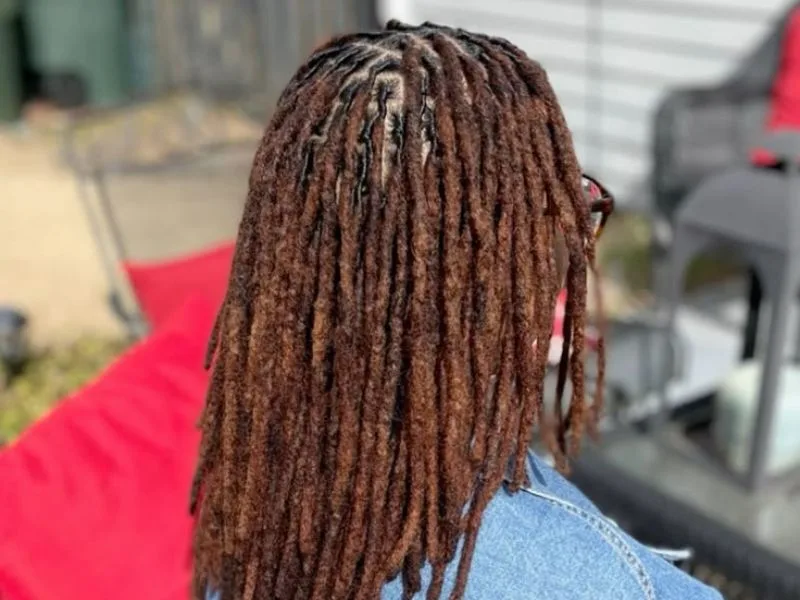
Patience is the ultimate routine. Locs evolve through stages: starter, budding, and mature. Each stage has its own texture and appearance.
I stopped comparing my locs to others and focused on care. Consistency yields results.
My Weekly Loc Care Schedule
Daily: Protect at night, mist lightly if dry.
Weekly: Gentle scalp massage, moisture refresh.
Every 4–8 weeks: Wash, retwist if necessary.
Every few months: Clarify or detox.
Simple, consistent care always outperforms occasional perfection.
Final Thoughts
Dreadlocks require intention, not just luck. Healthy locs grow from:
- Clean scalp
- Balanced moisture
- Minimal tension
- Consistent care
Following these Best Dreadlocks Haircare Routines will strengthen roots, reduce thinning, and improve shine. Your loc journey is unique.
You might be interested in reading Wedding Nails for Bride: Elegant & Timeless Designs for the Big Day
Focus on care, patience, and rhythm rather than comparison. With consistency, your locs will thrive, look healthy, and make you proud.
Frequently Asked Questions
a. Washing & Cleansing
1. How often should I wash my locs?
I wash every 2–4 weeks based on activity, scalp condition, and product buildup. Excessive washing dries locs; insufficient washing causes buildup.
2. Can I wash starter locs?
Yes. Use gentle patting, minimal manipulation, and a mesh or stocking cap. Clean starter locs lock better than dirty ones.
3. What products work best?
Lightweight, residue free options:
- Shampoo without buildup
- Water based leave in sprays
- Light oils like jojoba or grape seed
b. Moisture & Oils
4. Why are my locs dry?
Locs struggle to retain natural oils. I spray water, apply a light leave in, and seal with oil. Hydration is ongoing, not one-time.
5. Should I oil daily?
No. Over oiling clogs pores and causes residue. I oil 1–2 times weekly, depending on dryness.
6. How do I maintain moisture balance?
Follow the LOC or LCO method lightly. Use water based sprays and light oils, avoiding heavy creams or butters.
c. Styling & Manipulation
7. How do I prevent thinning?
Avoid tight styles, frequent retwisting, and excessive tension. Early intervention with weak locs prevents breakage.
8. Is retwisting necessary?
Optional. I retwist every 4–8 weeks. Neatness is aesthetic; health comes first.
9. Can locs be styled daily?
Occasional low tension styling is fine. Constant manipulation stresses locs.
10. Can I swim with locs?
Yes, but rinse immediately and moisturize afterward. Chlorine and saltwater can dry locs.
d. Health & Growth
11. How long for locs to mature?
Starter → budding → teenage → mature. Generally 12–24 months depending on texture and care.
12. Can locs grow long?
Yes. Consistent care and minimal breakage support length retention.
13. Why are locs uneven?
Differences come from parting size, hair density, and maintenance methods. Slight variations are normal.
14. Can I color locs safely?
Yes, with caution. Avoid overlapping bleach, deep condition regularly, and allow recovery time between applications.
e. Maintenance & Troubleshooting
15. How do I stop odors?
Fully dry locs, clarify occasionally, and avoid tying up wet locs.
16. Why does my scalp itch after washing?
Likely buildup or incomplete rinsing. Massage gently, rinse thoroughly, avoid over oiling.
17. Should I deep condition?
Lightweight conditioning is preferable. Heavy treatments can cause buildup.
18. Can thinning locs be combined?
Yes, but only early. Weak locs should be reinforced or merged carefully to prevent breakage.
19. What is the best drying method?
Squeeze excess water, air dry or use a dryer. Ensure locs are completely dry before styling or covering.
20. What is the most important rule?
Consistency over perfection. Gentle handling, balanced moisture, minimal tension, and regular cleansing keep locs thriving.
This Post Showed You Best 20 Dreadlocks Haircare Routine.