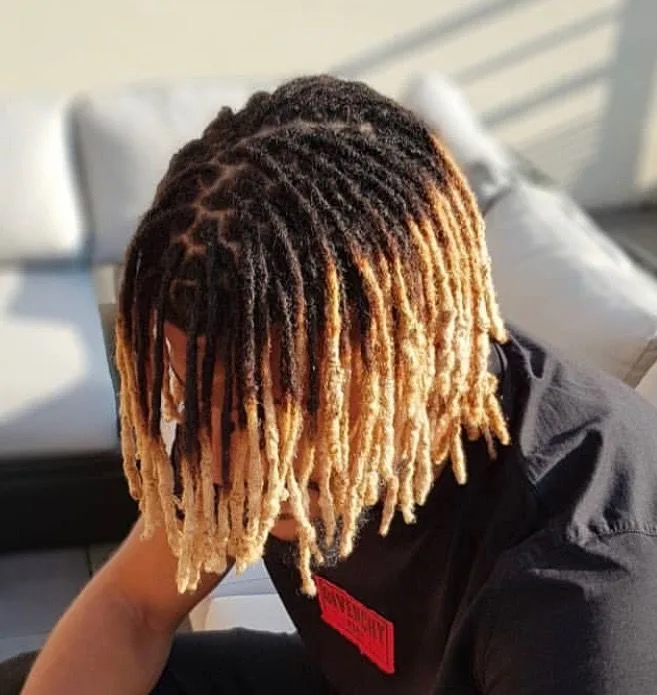
Locs are more than just a hairstyle; they are a powerful expression of culture, identity, patience, and personal growth. While many people assume locs are a “low-maintenance hairstyle,” anyone who has actually started or maintained locs knows that this couldn’t be further from the truth.
Starting and sustaining healthy locs requires intention, consistency, and the right knowledge.
Unfortunately, due to widespread misconceptions, many new loc wearers unknowingly make mistakes that lead to thinning, frizz, weak roots, buildup, or even long-term damage.
The good news? Most of these issues are completely preventable.
In this guide, we’ll break down the most common loc mistakes to avoid, explain why they’re harmful, and show you exactly how to do things the right way so your loc journey is smooth, healthy, and long-lasting.
Let’s get into it.
Common Loc Mistakes to Avoid When Locking Your Hair

1. Starting Locs Without Proper Hair Preparation
One of the biggest and most common loc mistakes to avoid is jumping straight into the locking process without preparing your hair. The truth is, your locs can only be as healthy as the hair you start with.
Check out: Loc Longevity Treatments: How to Keep Locs Healthy for 10+ Years Without Thinning
Why hair preparation matters:
- Prepping ensures your hair is moisturized, trimmed, and damage-free
- Healthy hair locks faster, holds better, and resists breakage
- Weak strands will eventually show up as thin or broken locs
Common hair prep mistakes:
- Skipping deep conditioning before starting locs
- Ignoring split ends or previous heat/chemical damage
- Not clarifying the scalp to remove product buildup
Consequences of poor preparation:
- Uneven or slow loc formation
- Weak spots that lead to thinning over time
- Frizzy, unstable starter locs
What to do instead:
Spend at least 1–2 weeks prepping your hair before locking. Deep condition, trim damaged ends, clarify your scalp, and focus on moisture. This foundation makes all the difference.
2. Choosing the Wrong Locking Method for Your Hair Type
Not every locking method works for every hair texture. Choosing the wrong method is another major loc mistake that can cause frizz, unraveling, or unnecessary tension.
Common locking methods:
- Twist and rip – Best for coarse or kinky textures
- Comb coils – Ideal for tightly coiled hair
- Interlocking – Works for fine, straight, or active lifestyles
- Freeform locs – Minimal manipulation, requires patience
Recommended Read: Freeform Loc Separation Techniques for Healthy Natural Locs
Common mistakes to avoid:
- Using a method that causes excessive tension
- Choosing freeform on very fine hair without guidance
- Following trends instead of your hair’s needs
Pro tip: Always research your hair type or consult a loctician before deciding. The right method prevents future damage and makes maintenance easier.
3. Over-Manipulating Locs in the Early Stages
The first 6–12 months of your loc journey are critical. During this phase, your hair is fragile, and too much manipulation can set you back.
Over-manipulation mistakes include:
- Retwisting too often
- Constantly separating or styling locs
- Tight accessories and frequent re-parting
What happens when you over-manipulate:
- Thinning roots
- Weak loc bases
- Slower locking process
What to do instead:
Less is more. Retwist every 4–6 weeks, keep styles loose, and let your locs mature naturally.
4. Neglecting Scalp Care
One of the most overlooked common loc mistakes to avoid is ignoring scalp health. Healthy locs start at the scalp, no exceptions.
Scalp care mistakes:
- Ignoring dryness, flakes, or itching
- Allowing product buildup to sit for weeks
- Skipping scalp massages
What to do:
- Use lightweight oils like jojoba, coconut, or peppermint oil
- Wash regularly with residue-free shampoo
- Massage your scalp to stimulate blood flow
A healthy scalp supports growth, reduces breakage, and prevents hair loss.
5. Using the Wrong Products on Your Locs
Locs and heavy products do not mix. One of the most damaging loc mistakes is using waxes, heavy gels, or creamy conditioners.
Product mistakes to avoid:
- Beeswax and heavy pomades
- Conditioners with silicones or sulfates
- Overloading locs with multiple products
Better product choices:
- Aloe vera gel for light hold
- Residue-free shampoos
- Lightweight oils (argan, jojoba, coconut)
Remember: If it leaves residue, it doesn’t belong in your locs.
6. Washing Locs Incorrectly
Some people overwash; others avoid washing altogether, both are common loc mistakes to avoid.
See now: Loc Detox for Hard Water: Remove Buildup & Restore Healthy Locs
Washing mistakes:
- Using harsh shampoos
- Washing too frequently
- Scrubbing locs aggressively
Proper washing tips:
- Focus on the scalp, not the length
- Rinse thoroughly
- Gently squeeze locs dry instead of rubbing
Ideal frequency:
Every 1–2 weeks, depending on your lifestyle and scalp type.
7. Ignoring a Maintenance Schedule
Locs thrive on consistency. Skipping maintenance leads to uneven growth and weak sections.
Maintenance mistakes:
- Delaying retwists too long
- Ignoring new growth
- Letting locs merge unintentionally
Healthy maintenance habits:
- Retwist every 4–6 weeks
- Moisturize between sessions
- Separate locs gently when needed
Consistency keeps locs strong and uniform.
8. Tight Styling That Causes Tension
While styling locs is fun, tight styles can cause serious damage.
Styles to avoid:
- Tight ponytails and buns
- Cornrows with excessive pulling
Risks include:
- Traction alopecia
- Thinning edges
- Permanent hair loss
Better alternatives:
Loose buns, soft ties, and low-tension protective styles.
9. Expecting Instant Results
Impatience is one of the most common mistakes new loc wearers make.
Unrealistic expectations:
- Comparing your locs to others
- Retwisting too frequently out of frustration
Realistic timeline:
- Starter locs: 6–12 months
- Mature locs: 1–2 years
Locs reward patience. Trust the process.
10. Lack of Research and Education About Locs
Many loc mistakes come from misinformation.
Read more: Frictionless Loc Sleeping Gear: Protect Locs While You Sleep
Common knowledge mistakes:
- Blindly following trends
- Ignoring advice from experienced loc wearers
How to stay informed:
- Join loc communities
- Watch reputable tutorials
- Learn your hair’s unique needs
- Education protects your loc journey.
Wrapping Up
Starting a loc journey is exciting, but it also requires knowledge, patience, and intentional care. By avoiding these common loc mistakes to avoid, you set yourself up for stronger, healthier, and longer-lasting locs.
There’s no rush. Locs are a journey, not a destination. Treat them with care, stay consistent, and enjoy watching your hair and confidence grow over time.
Frequently Asked Questions About Common loc mistakes to avoid
1. What are the most common loc mistakes beginners make?
Some of the most common loc mistakes to avoid include starting locs without proper hair preparation, choosing the wrong locking method for your hair type, over-retwisting, using heavy products that cause buildup, and neglecting scalp care. These mistakes can lead to thinning, breakage, slow growth, and unhealthy locs over time.
2. Can locs thin out over time?
Yes, locs can thin if they are over-manipulated, styled too tightly, retwisted too often, or started on weak or damaged hair. Poor scalp health and lack of moisture are also major contributors. Avoiding common loc mistakes and maintaining a consistent care routine helps prevent thinning.
3. How often should I retwist my locs?
Most people should retwist their locs every 4–6 weeks. Retwisting too frequently is one of the most damaging common loc mistakes to avoid, as it can weaken the roots and cause thinning, especially around the edges and crown.
4. What products should be avoided in locs?
Heavy products like beeswax, thick pomades, petroleum-based creams, and conditioners with silicones should be avoided. These products cause buildup inside locs, which is difficult to remove and can lead to odor, dryness, and scalp issues.
5. Is it okay to wash locs regularly?
Yes, washing locs regularly is essential for scalp health. The mistake is either overwashing with harsh shampoos or avoiding washing altogether. Using a residue-free shampoo every 1–2 weeks keeps locs clean without disrupting the locking process.
6. How long does it take for locs to fully mature?
Locs typically take 12–24 months to fully mature, depending on hair texture, maintenance routine, and locking method. Expecting instant results is a common loc mistake; patience is key to healthy, strong locs.
7. Can tight styles damage locs permanently?
Yes. Consistently wearing tight styles can lead to traction alopecia, thinning roots, and permanent hair loss. Loose, low-tension styles are best for maintaining long-term loc health.