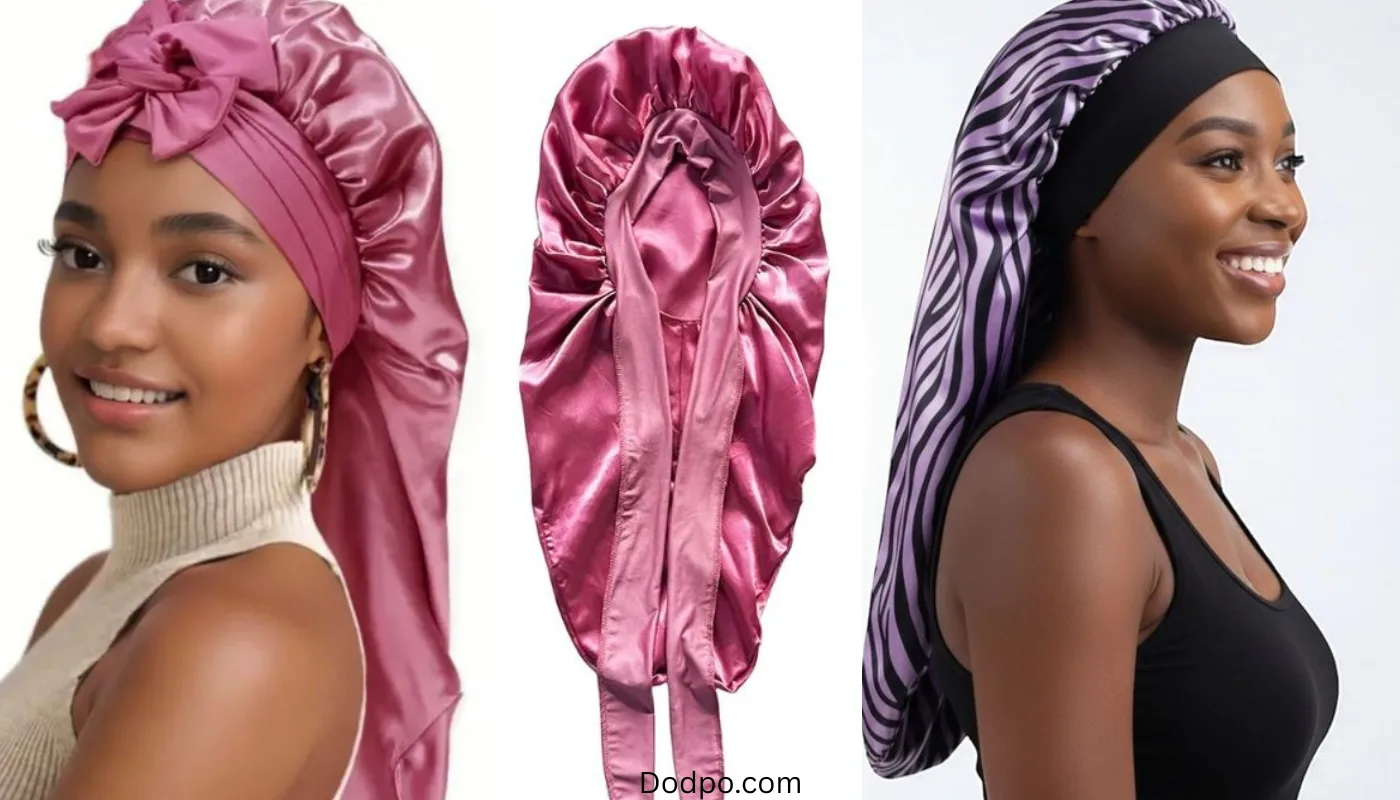
If you’re investing time, patience, and love into your loc journey, what you do at night matters more than you might think. Many loc issues such as dryness, frizz, lint buildup, thinning roots don’t start during the day. They start while you’re sleeping.
That’s where frictionless loc sleeping gear comes in. Using the right nighttime protection can make a noticeable difference in how healthy, neat, and strong your locs look over time.
Whether you wear freeform locs, traditional locs, or mature long locs, sleeping smart is one of the easiest ways to protect your hair with minimal effort.
In this guide, we’ll break down what frictionless loc sleeping gear is, why it’s important, the best options to choose from, and how to use them properly for healthier locs.
What Is Frictionless Loc Sleeping Gear?

Frictionless loc sleeping gear refers to nighttime hair accessories made from smooth, low-friction fabrics; most commonly satin or silk alternatives.
These materials allow your locs to glide instead of rubbing aggressively against rough surfaces like cotton pillowcases.
Cotton absorbs moisture and creates friction, which can:
- Dry out your locs
- Cause frizz and lint buildup
- Weaken roots over time
- Lead to thinning or breakage
Satin and silk-like fabrics help reduce these problems by protecting moisture and minimizing stress on your locs while you sleep.
See also: The Five Love Languages Explained: How to Strengthen Any Relationship
Benefits of Frictionless Sleeping Gear for Locs
Using frictionless sleeping gear isn’t just about aesthetics, it’s about long-term loc health.
1. Reduces Frizz and Lint
Smooth fabrics prevent fuzz and lint from getting trapped in your locs, which is especially important for lighter-colored or freeform locs.
2. Helps Retain Moisture
Unlike cotton, satin and silk don’t pull moisture from your hair, helping locs stay hydrated longer.
3. Protects Roots and Edges
Less friction means less tension at the scalp, which supports stronger roots and healthier edges.
4. Supports Long-Term Loc Growth
Healthy locs grow best when they’re protected consistently, especially overnight.
Types of Frictionless Loc Sleeping Gear
Not all nighttime hair protection is created equal, and the best option for you often depends on your loc length, thickness, and how you sleep.
The good news is that frictionless loc sleeping gear comes in several styles, so you can choose what feels comfortable while still protecting your hair.
Read more: Freeform Loc Separation Techniques for Healthy Natural Locs
Below are the most common options, along with when and why they work best:
1. Satin or Silk Loc Bonnets
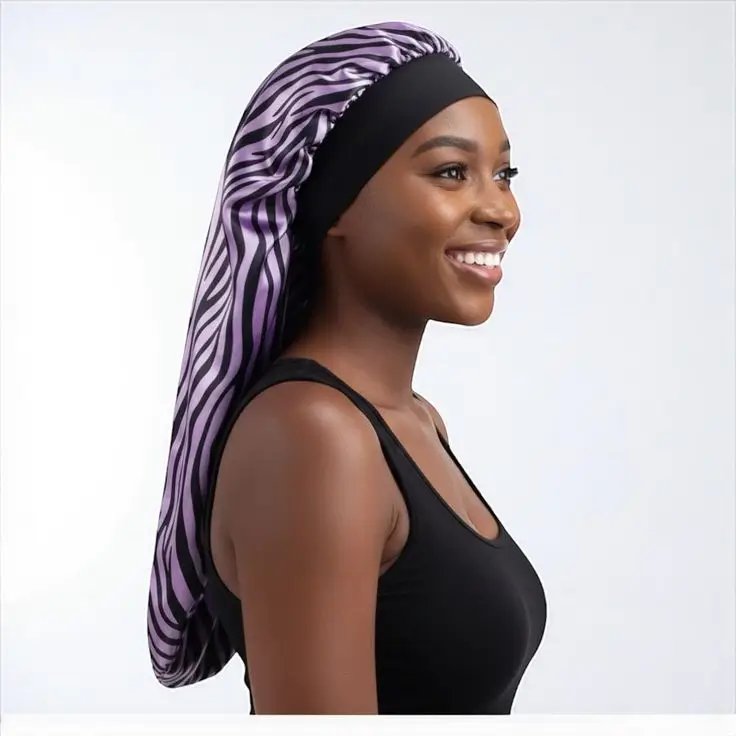
Loc bonnets are one of the easiest and most popular ways to protect locs at night. Made with smooth satin or silk-like fabric, they create a protective barrier between your locs and rough surfaces like cotton pillowcases.
Bonnets work especially well for short to medium locs and for anyone who wants a low-effort nighttime routine. You simply put it on and go to sleep, no complicated wrapping required.
Adjustable bonnets are a great choice because they stay in place without pulling on your edges or causing tension around the hairline.
If your bonnet tends to slip off at night, pairing it with a satin pillowcase can give you extra protection without stress.
Best for: short to medium locs, beginners, low-maintenance routines
Benefits:
- Easy to use
- Protects the entire head
- Great for beginners
2. Loc Socks and Loc Tubes
Loc socks or loc tubes are long, satin-lined coverings designed specifically for longer or thicker locs. They help keep locs stretched, contained, and protected throughout the night.
This option is especially helpful for people with mature locs or heavy locs that can tug at the roots while sleeping.
By keeping locs in one direction, loc socks reduce tangling and tension, making them a favorite for those who wake up with sore roots or flattened locs.
Check out: 10 Painful Signs Your Partner Doesn’t Love You Anymore (2026 Guide)
Many people love loc tubes because they’re also great for lounging at home, running quick errands, or even wearing under hoodies.
Best for: long, thick, or mature locs
Benefits:
- Keeps locs stretched and contained
- Reduces tangling
- Comfortable for sleeping or lounging
3. Satin or Silk Pillowcases
If you’ve ever woken up to frizz or lint even after covering your hair, your pillowcase might be the culprit.
Satin or silk pillowcases offer frictionless protection for your locs and they’re perfect for people who move around a lot in their sleep.
A satin pillowcase is a great backup if your bonnet slips off or if you prefer not to wear head coverings at all. It also protects your edges, skin, and even your eyelashes, making it a simple upgrade with multiple benefits.
While pillowcases alone are helpful, combining them with a bonnet or scarf offers the best nighttime protection.
Best for: active sleepers, minimalists
Benefits:
- Constant protection even if headwear moves
- Good for skin and edges too
- Easy, low-effort solution
4. Satin Scarves and Wraps
Satin scarves are a versatile and budget-friendly option for protecting locs at night. They can be tied in different ways depending on your loc length and personal comfort.
Scarves work well for short to medium locs and for people who like a customizable fit. The key is tying the scarf securely without making it too tight, especially around the hairline.
Read more: 13 Baby Boy Baby Shower Ideas That Feel Thoughtful and Memorable
A loose but stable wrap protects your locs while allowing your scalp to breathe.
Scarves are also great for layering, many people use a satin scarf under a bonnet for extra security.
Best for: budget-friendly protection, multi-use wear
Benefits:
- Adjustable fit
- Can be layered with bonnets
- Works well for short to medium locs
Choosing What Works Best for You
There’s no single “best” frictionless loc sleeping gear, only what works best for your lifestyle and loc journey. Some people prefer one option, while others mix and match depending on their needs.
The most important thing is consistency. The gear you’ll actually wear every night is the one that will help protect your locs the most.
How to Choose the Right Sleeping Gear for Your Locs
The best frictionless sleeping gear depends on your loc journey.
- Loc length & thickness: Longer locs benefit from tubes or socks
- Loc type: Freeform locs may need looser, flexible protection
- Sleeping style: Active sleepers should combine bonnets with pillowcases
- Comfort: If it’s uncomfortable, you won’t use it consistently
Consistency matters more than perfection.
How to Properly Use Frictionless Loc Sleeping Gear
Before bed:
- Lightly moisturize locs if needed (avoid heavy products)
- Make sure locs are dry or slightly damp, not soaking wet
- Gently gather locs without pulling at the roots
When wearing gear:
- Avoid wrapping too tightly
- Make sure edges and hairline aren’t under tension
- Secure long locs downward to prevent stress on roots
Common Mistakes to Avoid
- Sleeping on cotton pillowcases without protection
- Wrapping locs too tightly
- Ignoring nighttime care altogether
- Not washing bonnets or scarves regularly
- Dirty sleeping gear can reintroduce buildup and lint into clean locs.
Frictionless Sleeping Gear for Different Loc Stages
- Starter Locs: Soft bonnets or scarves to prevent unraveling
- Freeform Locs: Loose, flexible gear to maintain natural formation
- Mature Locs: Loc socks or satin pillowcases for weight support
- Long Locs: Tubes combined with bonnets for full protection
Caring for Your Sleeping Gear
- Wash bonnets and scarves weekly
- Use gentle, fragrance-free detergent
- Air-dry when possible
- Replace worn-out gear that loses smoothness.
Conclusion: Small Nighttime Changes, Healthier Locs
Healthy locs aren’t just about what you do during the day, they’re also shaped by what happens while you sleep.
Something as simple as switching to frictionless loc sleeping gear can make a noticeable difference in moisture retention, frizz control, and overall loc strength.
Protecting your locs at night doesn’t have to be complicated or expensive. With the right bonnet, scarf, loc tube, or pillowcase, you’re creating a supportive environment for your hair to rest, recover, and thrive.
Small, consistent nighttime habits add up over time. When you care for your locs while you sleep, you’re choosing long-term health, less maintenance, and locs that look and feel their best – every single day.
FAQs About Frictionless Loc Sleeping Gear
1. Do I really need frictionless sleeping gear if my locs are already mature?
Yes. Even mature locs benefit from nighttime protection. Friction can still cause frizz, lint buildup, dryness, and unnecessary tension at the roots. Frictionless sleeping gear helps maintain the health and appearance of locs at every stage.
2. Is a satin bonnet enough on its own?
A satin bonnet works well for many people, especially those with short to medium locs.
However, if you move a lot in your sleep or notice your bonnet slipping off, pairing it with a satin pillowcase offers extra protection.
3. Can frictionless sleeping gear help with thinning locs or edges?
While it won’t reverse thinning on its own, reducing friction and tension at night can help prevent further damage. Over time, this gentle protection supports healthier roots and edges.
4. Is satin or silk better for locs?
High-quality satin is just as effective as silk and much more affordable. The most important factor is that the fabric is smooth and low-friction.
5. How often should I wash my bonnet or scarf?
Ideally, once a week. Clean sleeping gear prevents oils, sweat, and product residue from transferring back onto your locs and scalp.