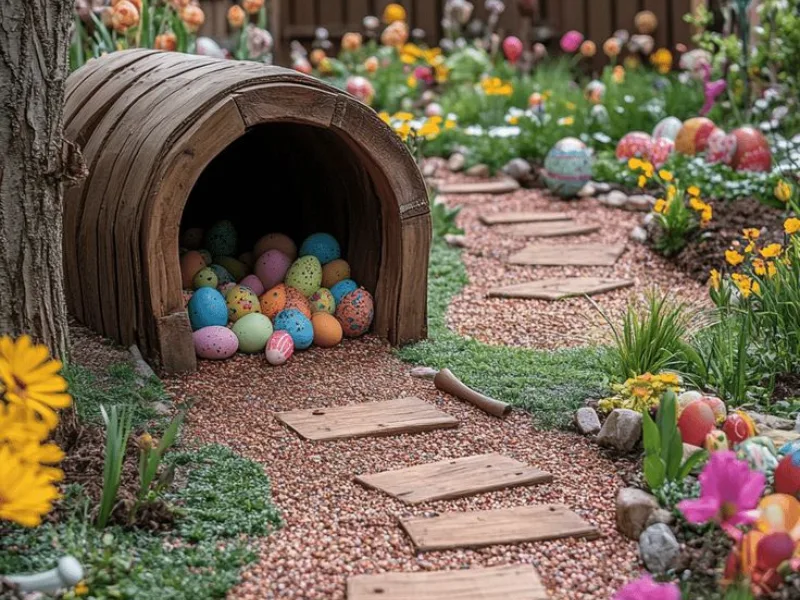
This Post Will Show You How to Host a Sustainable Easter Egg Hunt Eco-Friendly Way.
Every Easter, I used to feel excited by bright plastic eggs, shiny candy wrappers, and oversized baskets filled with sweets. At first, everything looked festive and fun.
However, once the celebration ended, the excitement quickly faded. After just one afternoon, I found myself cleaning up piles of plastic, broken toys, and unnecessary trash.
That moment sparked a realization. Surely, there had to be a better approach.
Instead of repeating the same waste heavy routine, I chose to try something new. This time, I planned a sustainable Easter egg hunt that focused on joy, creativity, and care for the environment. Surprisingly, the celebration felt lighter, calmer, and even more meaningful.
Even better, the experience turned out to be one of the best Easter celebrations I have ever hosted.
In this guide, I’m sharing how I planned it, what truly worked, what I would adjust next time, and how you can host your own eco-friendly Easter egg hunt without stress or overspending.
Why I Chose a Sustainable Easter Egg Hunt
Before diving into the planning steps, it helps to understand the motivation behind this choice.
Over time, I noticed that many Easter celebrations create unnecessary waste. For example, plastic eggs often break, decorations are used once, and candy packaging piles up quickly. After the holiday passes, most of these items end up in the trash.
That reality didn’t feel right to me.
Instead, I wanted an Easter celebration that felt thoughtful and purposeful. More importantly, I hoped to create something that would teach children responsibility while still feeling magical and exciting.
A sustainable Easter egg hunt can:
- Encourage mindful habits
- Reduce unnecessary spending
- Protect nature and shared spaces
- Still feel joyful and special
Ultimately, sustainability doesn’t remove fun. Rather, it adds intention. Because of that shift, the entire celebration became more meaningful.
Here’s a helpful guide on Thrifted Sustainable Valentine’s Decor: Zero-Waste Romantic Ideas for 2026
How to Host a Sustainable Easter Egg Hunt Without Wasting Money
Step 1: Planning With Purpose and Intention
Before buying anything, I paused and reflected. With a notebook in hand, I asked myself a few guiding questions.
- First, could the item be reused later?
- Next, was it recyclable or biodegradable?
- Finally, did I truly need it?
These questions shaped every decision that followed.
Rather than rushing to the store, I explored what I already owned at home. Surprisingly, many everyday items worked perfectly with a bit of creativity.
For instance, I reused:
- Old baskets
- Fabric bags
- Glass jars
- Small containers
- Cardboard boxes
With a fresh perspective, these ordinary items became useful Easter supplies.
Step 2: Choosing Eco-Friendly Easter Eggs
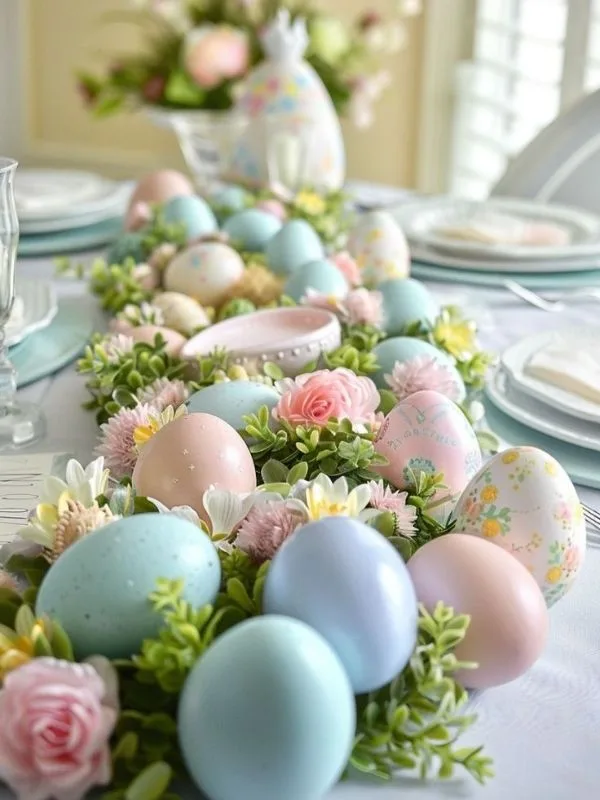
Although plastic eggs are popular, they are rarely sustainable. Many crack easily and are thrown away after one use. Because of that, I explored more durable and eco-friendly alternatives.
To begin with, wooden eggs worked beautifully. After painting them with non toxic paint, I stored them for future years.
In addition, fabric eggs added charm. Using leftover cloth, I sewed simple shapes that looked lovely and lasted far longer than plastic.
Another favorite option involved real eggs dyed naturally. Using onion skins, turmeric, hibiscus leaves, and spinach created soft, earthy colors. Since the eggs were edible, nothing went to waste.
Finally, recycled paper eggs offered a budget friendly solution. By cutting shapes from cartons and newspapers, I created decorations that were simple yet creative.
If you are looking to understand 20 Eco-Friendly Home Organization Ideas for Tiny Spaces
Step 3: Sustainable Fillings That Replace Plastic Toys
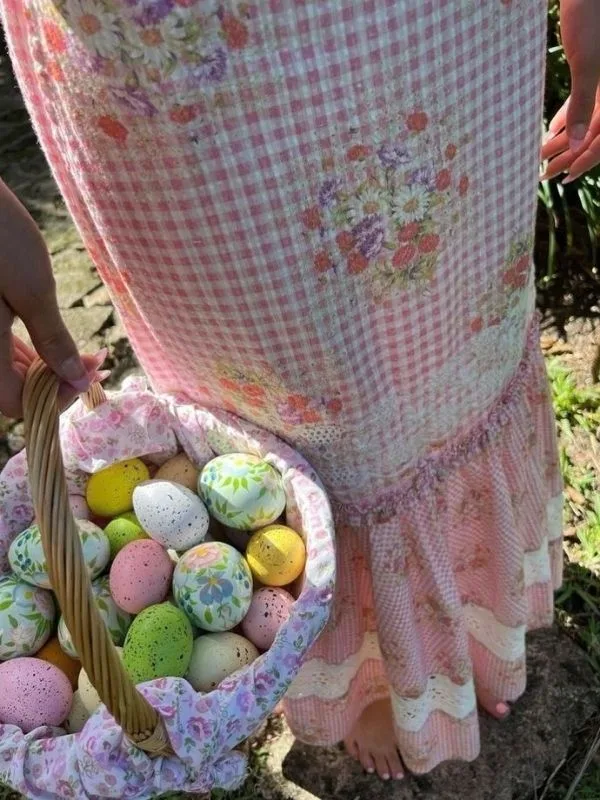
Next came the question of what to place inside the eggs.
Typically, eggs are filled with cheap plastic toys that break quickly. Instead, I chose items that felt useful, memorable, and meaningful.
For snacks, I included homemade treats such as cookies, dried fruits, nuts, and mini banana bread. To reduce waste further, everything was wrapped in brown paper or cloth.
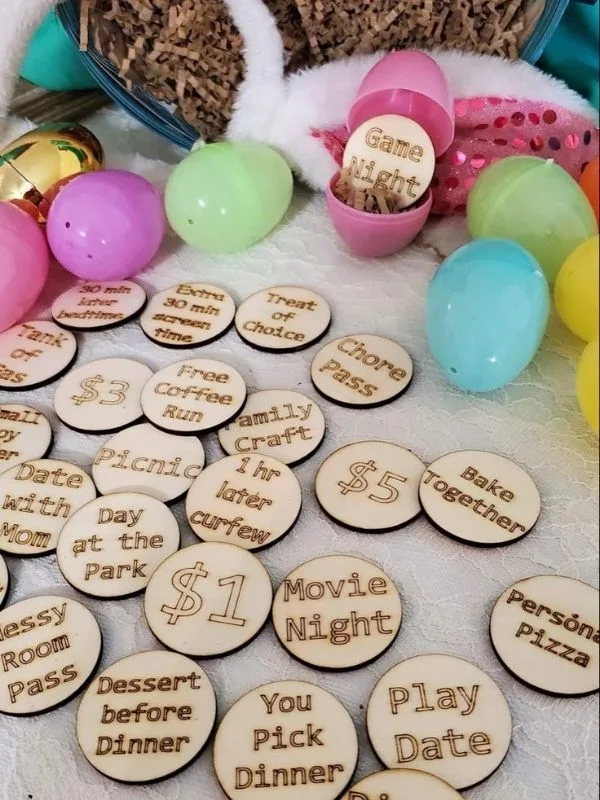
Alongside food, I added experience coupons. These small cards promised moments like movie nights, extra playtime, or story sessions. Interestingly, these were far more exciting than toys.
I also included practical items like pencils, bookmarks, and paper stickers. Finally, seeds and mini plants became a highlight.
After Easter, we planted them together, turning the activity into a learning experience.
Step 4: Decorating With Natural and Reusable Materials
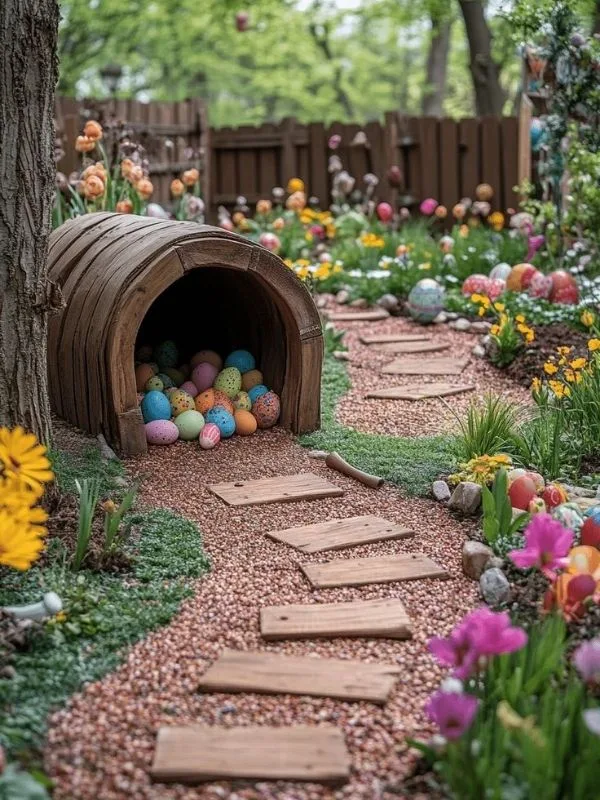
Rather than purchasing plastic decor, I looked to nature and my home for inspiration.
Fresh flowers, palm leaves, and green branches created a calm atmosphere. Meanwhile, mason jars worked perfectly as candle holders, and fabric tablecloths added warmth.
To add color, I made paper bunting from old magazines. Because of this approach, I avoided balloons and disposable banners entirely.
As a result, the space felt peaceful, natural, and welcoming.
Step 5: Creating an Eco-Friendly Hunt Area
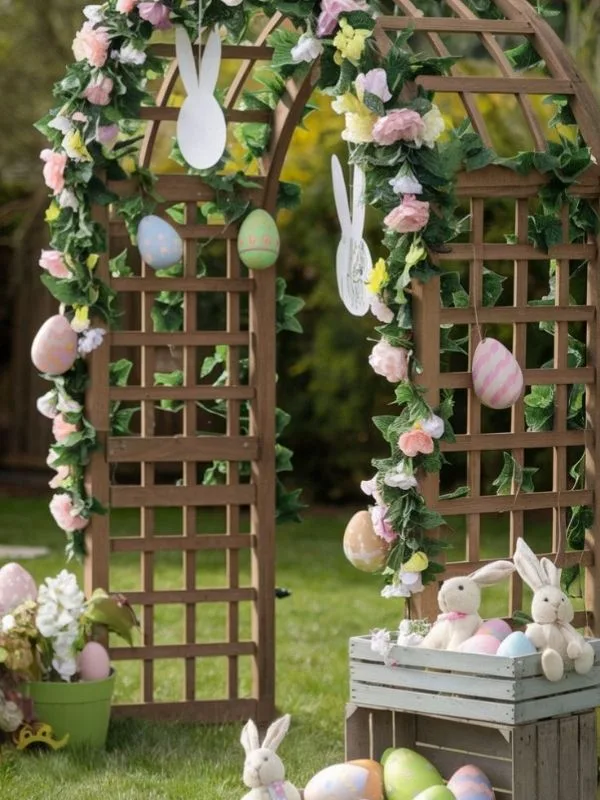
The location of the hunt mattered just as much as the materials.
I selected areas that wouldn’t damage plants or soil, such as grassy yards, shaded gardens, and clean open spaces. At the same time, I avoided flower beds, wet soil, and newly planted areas.
For baskets, everyone used wicker baskets, fabric bags, old handbags, or reused cartons. Plastic bags were not allowed.
This simple rule made a noticeable difference.
This article dives into Zero-Waste Apartment Hacks for Beginners: Easy Eco Tips That Actually Work
Step 6: Teaching Sustainability Through Action

Instead of giving long explanations, I chose to lead by example.
Before the hunt began, I gently explained that we were caring for nature while having fun. Then, I demonstrated where waste should go and how to handle plants gently.
Throughout the hunt, positive behavior was praised. Eventually, the children began reminding one another, which was incredibly rewarding to watch.
Step 7: Organizing the Hunt Smoothly
To keep things calm and fair, structure was essential.
I divided the children into small groups and assigned colors or symbols. Clear boundaries were set, and the hunt lasted about 20 to 30 minutes.
Afterward, we counted the eggs together. This approach prevented conflict, over collecting, and lost items.
Most importantly, everyone felt included.
Step 8: Serving Sustainable Snacks and Drinks
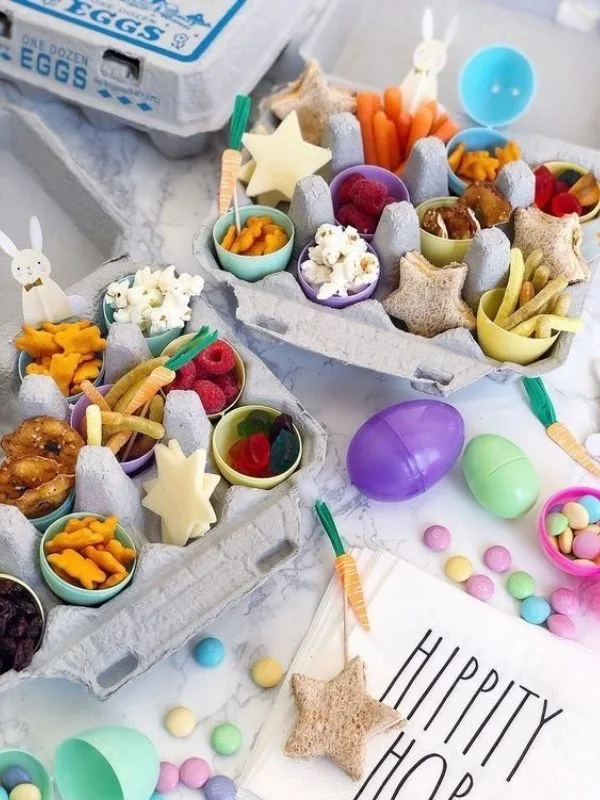
After the hunt, refreshments were served using ceramic plates, glass cups, and reusable straws.
The menu included fruit salad, homemade popcorn, coconut biscuits, fresh juice, and zobo drink. Everything was prepared at home and served in reusable containers.
As a result, there was less waste and more health conscious enjoyment.
Step 9: Thoughtful Eco-Friendly Party Favors
Instead of plastic filled goodie bags, each guest received one meaningful item. Options included small potted plants, cloth tote bags, handmade soaps, reusable bottles, or mini notebooks.
This choice reduced waste and left guests with something useful.
Here’s a helpful guide on Best Date Ideas in Cambridge MA for College Students (2026 Guide)
Step 10: Cleaning Up the Smart Way
After the celebration, we cleaned together. Three baskets were labeled for recyclables, compost, and reusable items.
Sorting became a game, and by the end, there was almost no trash left behind.
Lessons I Learned From Hosting a Sustainable Easter Egg Hunt
Looking back, several lessons stood out.
First, sustainability saved money. Overall spending was less than half of previous years.
Second, simplicity reduced stress.
Third, children preferred meaningful activities over plastic toys.
Finally, memories mattered more than materials.
You might be interested in 20 Best Gifts for Dads Who Like to Read: The 2026 Ultimate Guide
Common Mistakes to Avoid
When planning your own hunt, avoid last-minute plastic purchases, too many sweets, ignored waste management, balloons, and lack of shade or water.
Preparation truly makes everything smoother.
Budget Breakdown
DIY eggs: $0
Snacks: $4
Seeds or plants: $2
Craft supplies: $1.5
Drinks: $2.5
Total: About $10
Why I’ll Never Return to Traditional Easter Hunts
This experience changed how I view celebrations. Fun doesn’t require waste. Children can learn responsibility early. Most importantly, joy and sustainability can coexist.
Now, Easter feels lighter, kinder, and more meaningful. And honestly, that feeling is priceless.
Frequently Asked Questions
1. What is a sustainable Easter egg hunt?
A sustainable Easter egg hunt focuses on reducing waste by using reusable or biodegradable materials. Instead of plastic eggs and disposable decorations, it emphasizes thoughtful planning, eco-friendly alternatives, and responsible cleanup while keeping the celebration fun.
2. Are sustainable Easter egg hunts expensive to host?
No, they are often more affordable. By reusing household items and avoiding one-time purchases, costs are significantly reduced. Over time, reusable supplies help save even more money.
3. What can I use instead of plastic Easter eggs?
Popular alternatives include wooden eggs, fabric eggs, naturally dyed real eggs, and recycled paper eggs. These options are durable, creative, and environmentally friendly.
4. Can children still enjoy an Easter egg hunt without plastic toys?
Yes. Many children enjoy experience coupons, homemade treats, seeds, and useful items even more. These options create lasting memories instead of short-lived entertainment.
5. How do I make Easter decorations eco-friendly?
Using natural elements like flowers, leaves, fabric tablecloths, and reusable jars helps reduce waste. Avoiding balloons and disposable banners also makes a big difference.
6. Is it possible to host a sustainable Easter egg hunt in a small space?
Absolutely. Living rooms, balconies, and small gardens work well. With fewer eggs and organized rounds, even limited spaces can host a fun and meaningful hunt.
7. How can I teach children about sustainability during Easter?
Teaching through action works best. Simple explanations, leading by example, and praising good behavior help children learn without feeling lectured.
8. What is the easiest way to start a sustainable Easter tradition?
Start small by replacing plastic eggs with reusable ones. Gradually reduce waste each year and build sustainable habits over time.
This post showed you How to Host a Sustainable Easter Egg Hunt Without Wasting Money.