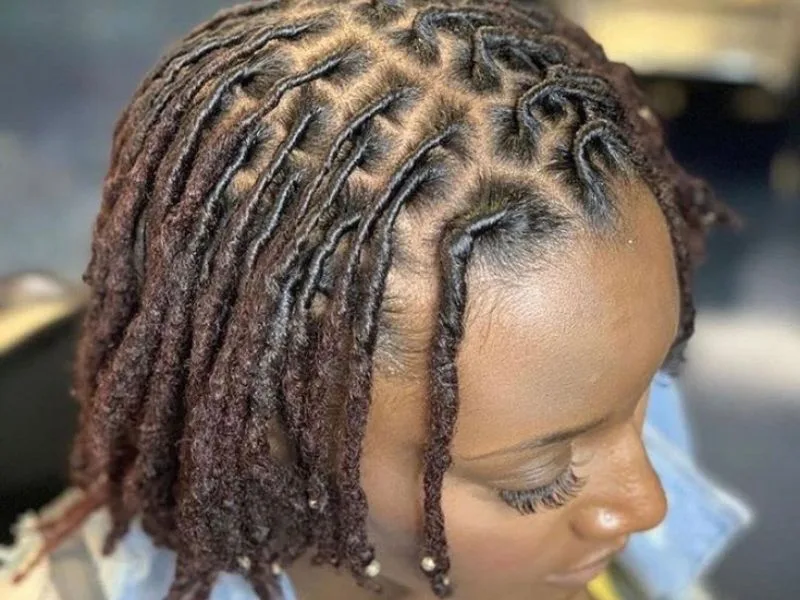
This Post Will Show You How to Prevent Thinning And Hair Loss in Locs.
When I started my loc journey, I assumed patience would be the hardest part. I expected budding, shrinkage, and uneven texture. What I did not expect was thinning.
A few months in, I noticed something unsettling, two locs near my edges were getting weaker at the root.
Although the thinning wasn’t dramatic, it was enough to trigger panic. I had invested time, discipline, and care into growing my hair. Losing it because of preventable habits felt devastating.
If you’re experiencing thinning roots, weak spots, shedding, or early traction alopecia, take a breath this post is for you, Learn How to Prevent Thinning And Hair Loss in Locs.
In many cases, loc thinning can be managed. More importantly, it can often be prevented.
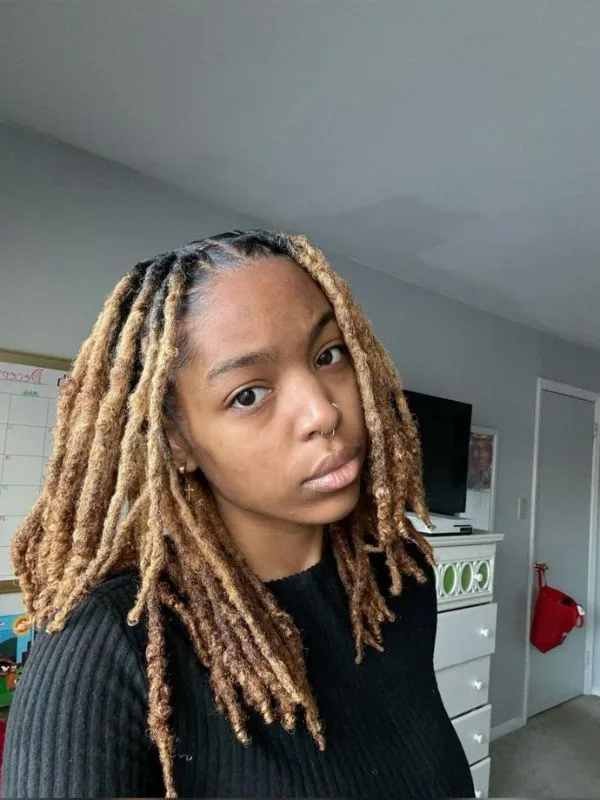
This is exactly how I stopped thinning in its tracks, and how you can protect your locs too.
Understanding Why Locs Thin in the First Place
Before correcting the issue, I had to understand the cause.
Loc thinning rarely happens randomly. Instead, it develops gradually due to repeated stress on the root. Because locs become heavier as they grow, weak foundations eventually show signs of strain.
Common causes include:
- Frequent tight retwisting
- High-tension styles
- Over-manipulation
- Product buildup clogging follicles
- Chronic dryness
- Poor scalp circulation
- Traction alopecia
- Stress and nutritional deficiencies
Once I identified these triggers, I stopped blaming my hair. Instead, I corrected my habits.
Awareness changed everything.
Why Your Loc Journey Deserves Attention
Starting your loc journey is exciting. You imagine the beautiful, mature locs you’ll one day run your fingers through.
You might enjoy reading Starting Locs on Bleached Hair Safely: A Beginner’s Guide
You picture the styles, the freedom, the confidence. But here’s the truth that most people don’t talk about: locs are not “set it and forget it.”
They require intention, care, and consistent attention from day one.
1. Locs Remember Everything
Many people assume that once hair is locked, it will grow effortlessly. That assumption can lead to frustration, breakage, and thinning. Your locs remember every product, every tug, and every time you skip care.
Unlike loose natural hair, which can be reset with a brush or comb, locs hold onto history. They reflect your habits, both good and bad.
2. The Fundamentals Matter
Before your first wash or twist, it helps to understand the fundamentals. Locs thrive when the scalp is healthy, moisture is balanced, and manipulation is minimal.
Everything from the oils you use to how you sleep affects the outcome. Taking the time to learn and adjust early saves you months of damage later.
3. Mindset Over Perfection
Transitioning into a proper routine doesn’t happen overnight. It starts with mindset: valuing patience over perfection, consistency over intensity, and care over quick fixes.
When you approach your loc journey with this perspective, you not only prevent thinning and breakage but also create a haircare rhythm that feels manageable, sustainable, and empowering.
What This Guide Will Teach You
In this article, I’ll walk you through exactly How to Prevent Thinning And Hair Loss in Locs: what I changed, what I stopped doing, and the steps that transformed my locs.
From washing techniques to retwisting schedules, scalp care, and hydration strategies, you’ll get practical, experience driven tips.
You might be interested in reading 10 Common Loc Mistakes to Avoid That Cause Thinning & Breakage
By the end, you’ll understand how to grow locs that are not just long, but strong, full, and resilient.
How to Prevent Thinning and Hair Loss in Locs (And How You Can Too)
1. Stopped Retwisting Too Frequently
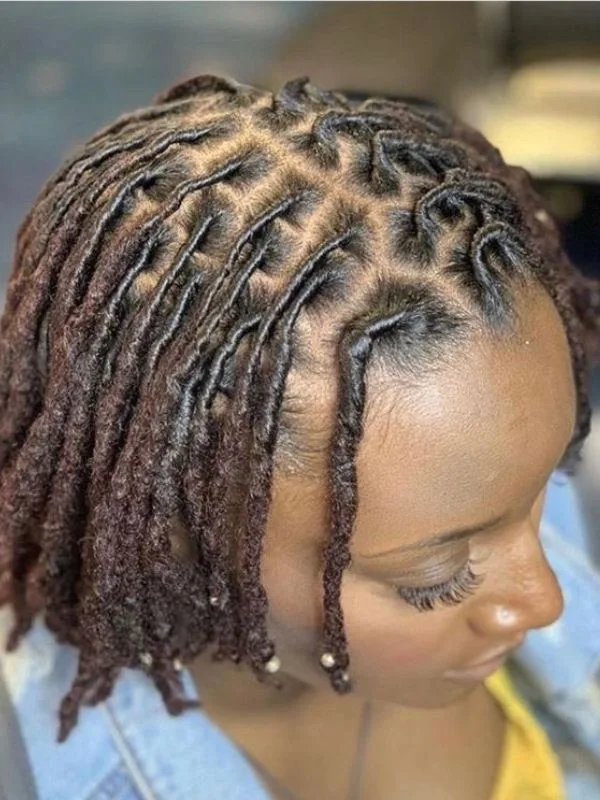
Initially, I retwisted every two weeks. I loved the polished look. However, constant manipulation weakened my roots.
Each retwist tightens fragile new growth. Over time, repeated tension thins the base of the loc.
You might be interested in reading Salt Water Benefits for Loc Maturation: How to Make Locs Mature Faster in 2026
Now, I retwist every 4–6 weeks, sometimes longer. If my scalp feels tender, I wait.
- Neatness fades.
- Strength lasts.
2. Avoid Tight Styles, Especially Around My Edges
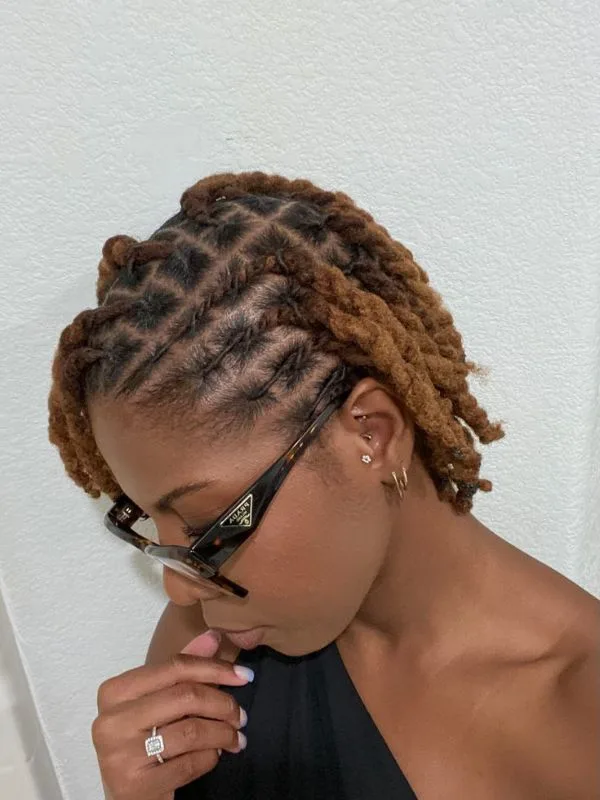
Tight ponytails once felt sleek and put together. Unfortunately, they quietly damaged my temples.
Traction alopecia develops from repeated pulling. Therefore, tension is not harmless.
Today, I avoid:
- Tight ponytails
- Heavy barrel twists
- Pulled-back buns
- Excessive edge styling
If a style causes discomfort, it is too tight. Pain is not beauty. It is a warning.
3. Prioritize Scalp Health
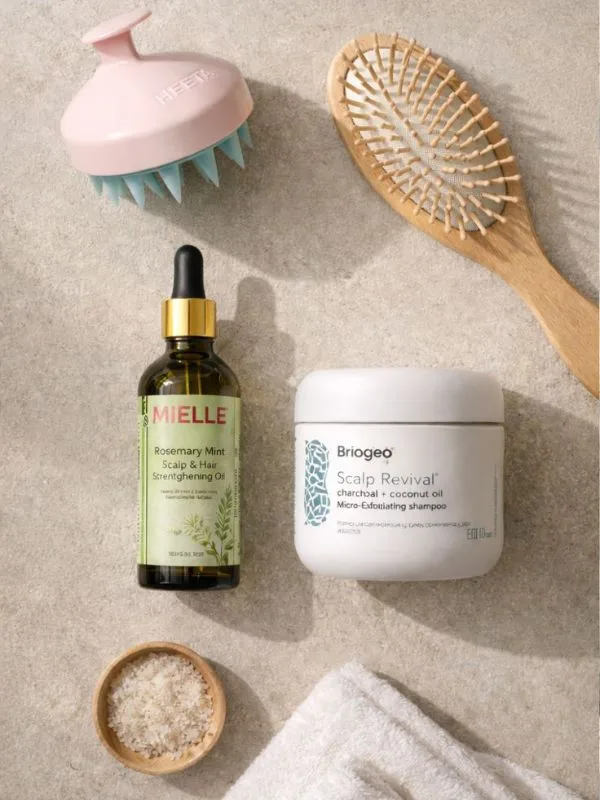
Healthy locs begin beneath the surface.
If the scalp is inflamed, clogged, or excessively dry, the roots weaken.
To maintain balance, I:
- Cleanse every 2–4 weeks
- Massage gently while washing
- Use lightweight oils sparingly
- Avoid wax-based products
Buildup suffocates follicles. When follicles struggle, thinning follows. Switching to water based products made a visible difference in root fullness.
Here’s a complete guide on Trendy DIY Wedding Backdrop Ideas For Modern, Stylish Ceremonies
4. Massage Scalp Consistently
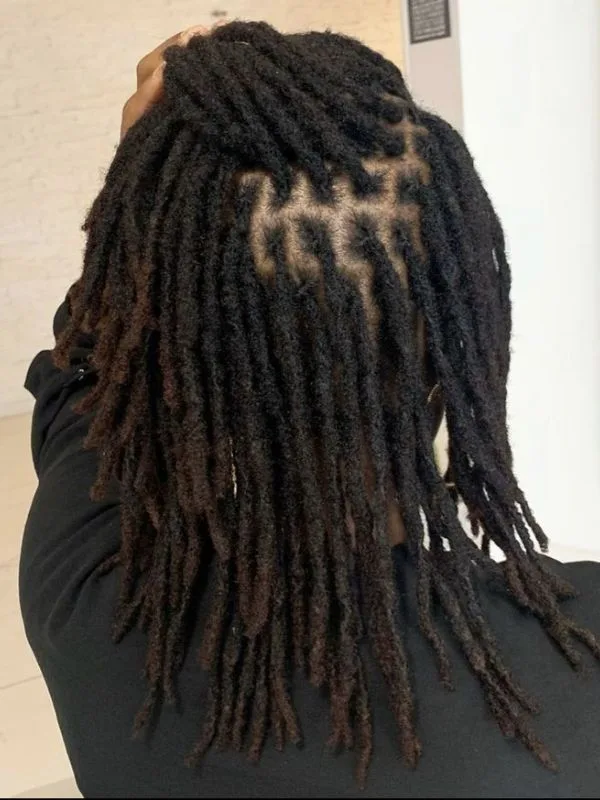
Circulation fuels growth.
Two to three times weekly, I massage my scalp for 5–10 minutes using my fingertips. Occasionally, I add diluted rosemary or peppermint oil.
Gentle pressure stimulates blood flow. Improved circulation strengthens the root system over time. Small rituals build resilience.
5. Moisturize Without Overloading
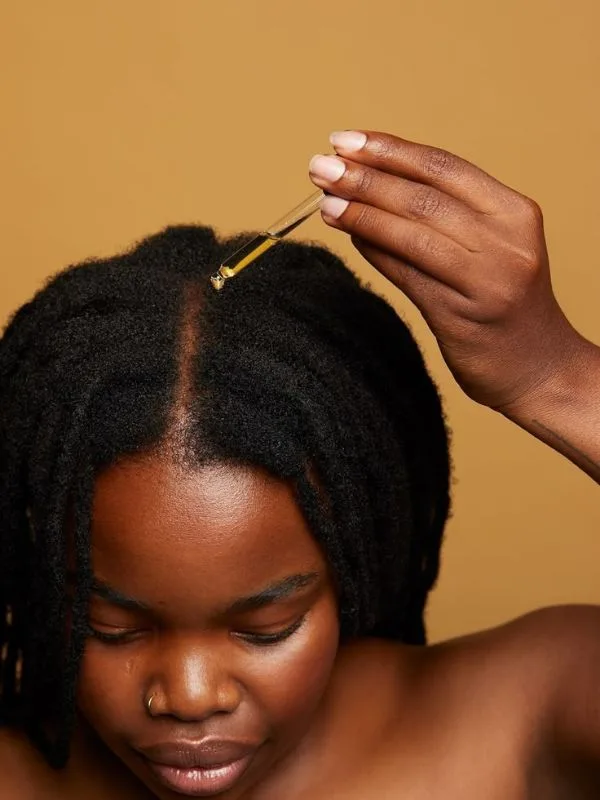
Dry locs snap easily.
Although locs are compact, they still require hydration. However, excess product creates buildup.
My approach is simple:
- Light water based mist
- Minimal oil to seal
Heavy creams stay inside locs and harden. Lightweight hydration maintains flexibility without suffocating strands.
Balanced moisture equals structural strength.
6. Sleep With Protection Every Night
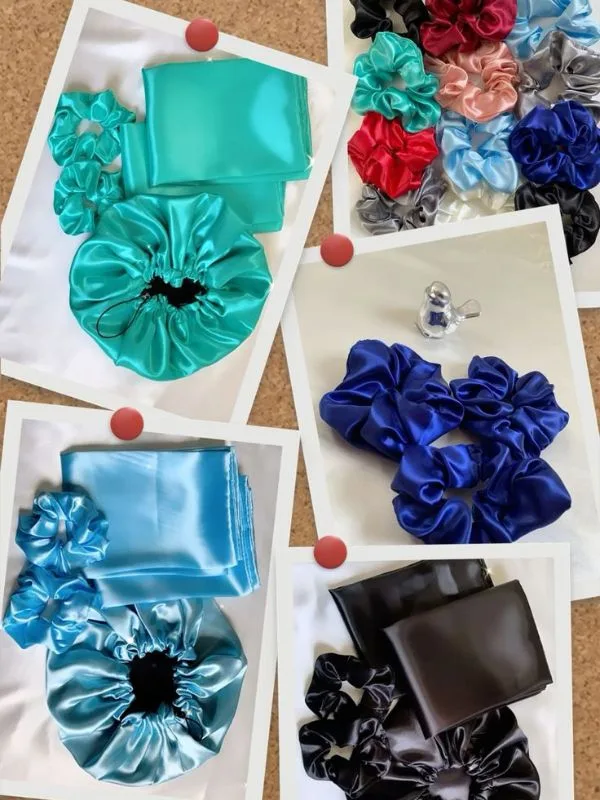
Cotton pillowcases create friction and absorb moisture.
Previously, I ignored this detail. Gradually, dryness and breakage increased.
Now I rotate between:
- Satin bonnet
- Silk scarf
- Satin pillowcase
Since making this shift, shedding reduced significantly.
Protection during sleep preserves root integrity.
You might be interested in reading How to Sleep with Locs Without a Bonnet: 5 Safe Alternatives for 2026
7. Separate Locs After Washing
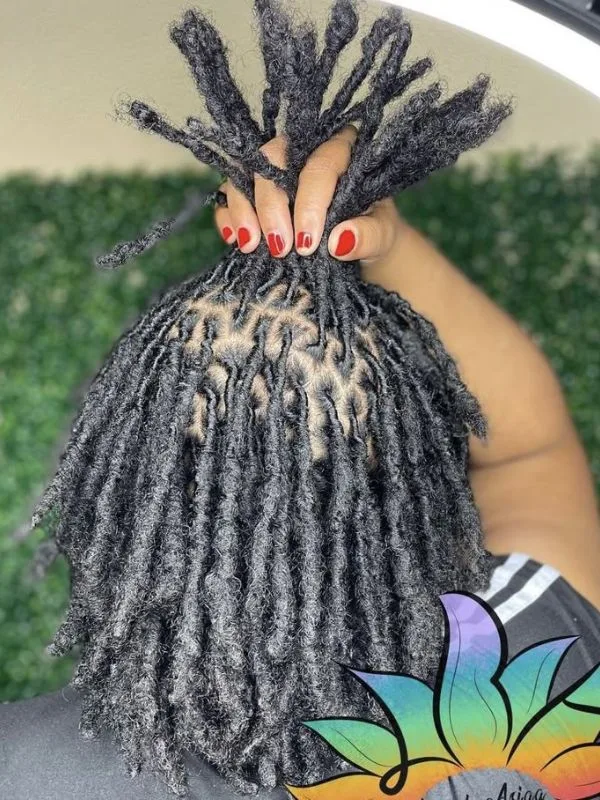
After cleansing, I gently separate new growth at the roots.
If left untouched, locs can merge unevenly. That uneven tension creates weak points during the next retwist.
Gentle separation prevents stress concentration in one area. Prevention here is subtle but powerful.
You might enjoy reading Freeform Loc Separation Techniques for Healthy Natural Locs
8. Strengthen Weak Locs Immediately
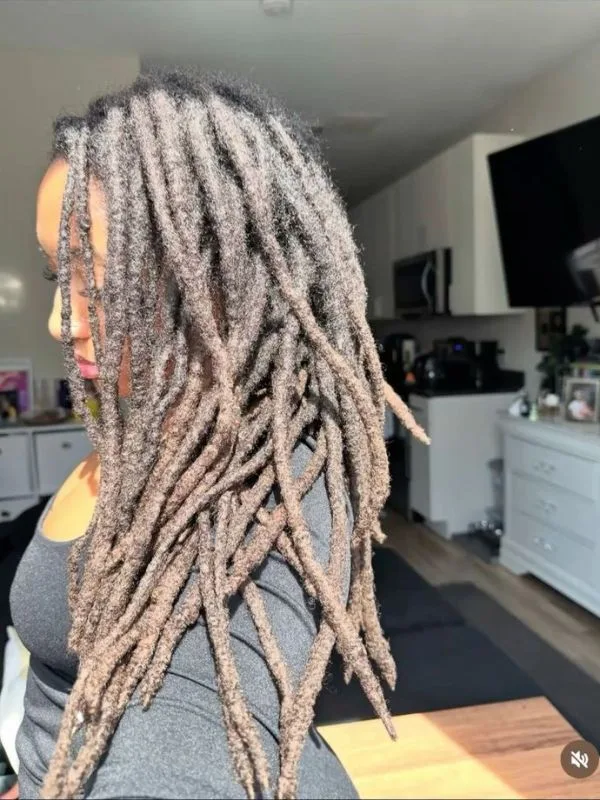
When I noticed slight thinning, I did not ignore it.
Instead, I reduced manipulation in that area. I avoided tight styling. Additionally, I massaged the weakened spot more intentionally.
Early action prevents breakage.
If thinning becomes severe, combining locs may help. Nevertheless, prevention is always preferable.
9. Improved My Diet and Managed Stress
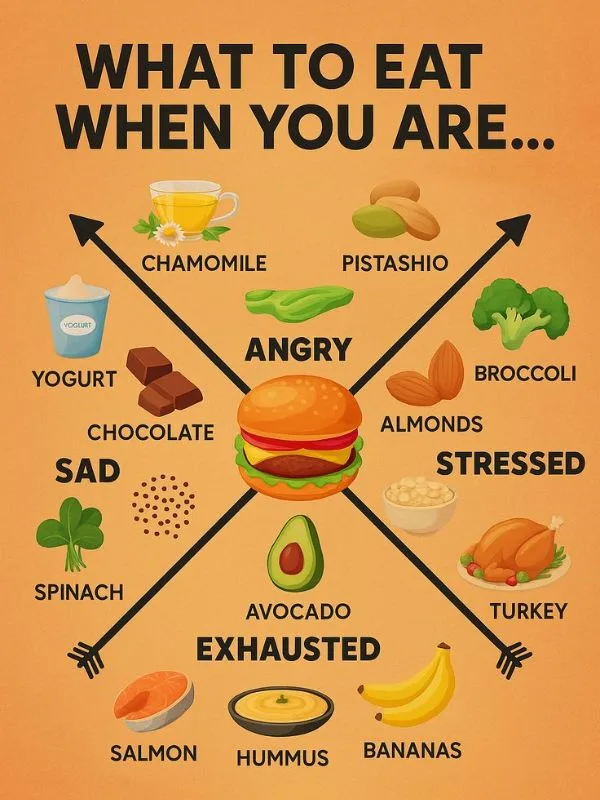
External care alone is incomplete. Hair reflects internal health.
After increasing my water intake and protein consumption, retention improved. Furthermore, reducing stress lowered shedding.
You cannot compensate for chronic stress with topical products. Internal balance supports external growth.
You might enjoy reading DIY Simple Funky Nails at Home: Step-by-Step Beginner Guide (No Salon Needed!)
10. Pay Attention to Pain and Shedding
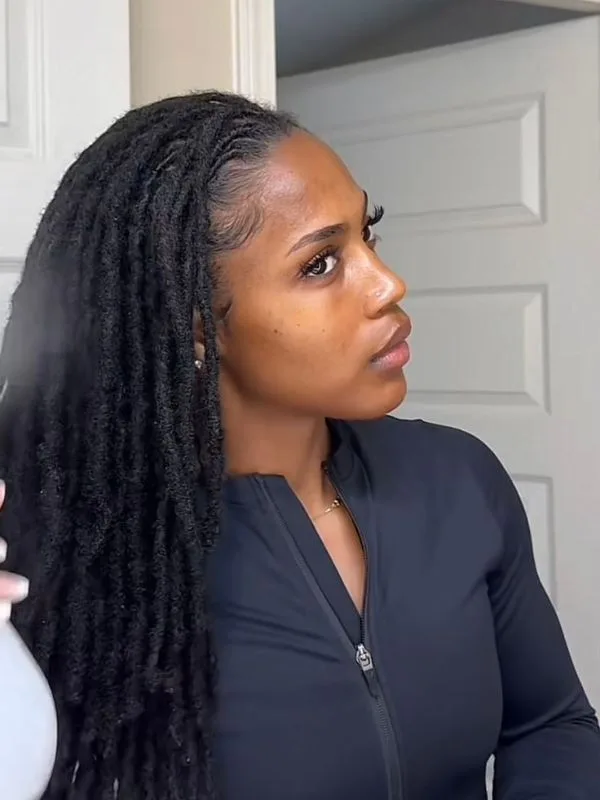
Tenderness signals stress.
Whenever I feel soreness in a specific area, I pause styling.
If shedding increases unexpectedly, I evaluate recent changes:
- New products
- Tight retwist
- Heavy styles
- Stress levels
Your scalp communicates clearly. You should listen early.
11. Seek Professional Help When Necessary
Occasionally, thinning stems from medical causes.
If you experience:
- Sudden bald patches
- Severe inflammation
- Intense itching
- Rapid shedding
Consult a dermatologist or trichologist.
Certain forms of alopecia require medical intervention. Seeking help early protects long-term hair health.
What I Completely Eliminated
To stabilize my locs, I removed:
- Biweekly retwisting
- Heavy wax products
- Tight edge styling
- Sleeping without protection
- Over oiling
- Ignoring scalp discomfort
Once these habits disappeared, my locs regained density. Reduction created restoration.
Signs Your Locs Are Recovering
After months of consistent care, I noticed:
- Fuller roots
- Less tension at temples
- Stronger retwist hold
- Reduced shedding
- Improved scalp comfort
- Progress felt gradual.
Results felt permanent.
The Mental Shift That Changed Everything
- At first, I chased neatness.
- Later, I valued health.
- Strong locs require patience, not pressure.
Once I embraced low manipulation and consistent rhythm, my roots responded positively.
This post dives into The Ultimate Coquette Bachelorette Itinerary: A Dreamy Weekend of Bows, Blooms & Bliss
Healthy locs are not maintained by force. They are preserved by discipline.
FAQs on How to Prevent Thinning And Hair Loss in Locs
a. Styling & Retwisting
1. How often should I retwist my locs to prevent thinning?
Retwisting every 4–6 weeks is ideal for most hair types. However, your scalp may need longer if it feels tender or sore. By extending the interval between retwists, you reduce tension on the roots, which helps prevent breakage. Remember, neatness is temporary; healthy roots last.
2. Are protective styles always safe for locs?
Protective styles can help only if they reduce tension. Avoid styles that pull tightly on edges, temples, or fragile roots. For example, tight ponytails, buns, and barrel twists may look polished but often contribute to thinning. Instead, opt for loose, low tension styles that give your scalp a break.
3. Can combining locs fix thinning spots?
Combining locs can sometimes strengthen a weak area. It merges a fragile loc with a neighboring one to redistribute weight and tension. Still, it should be done carefully and, ideally, with professional guidance. Overdoing it can create uneven tension or unnatural density.
4. Is frequent styling harmful?
Yes. Repeated manipulation of your locs, especially around the root, increases stress. Limiting daily styling, tight retwists, and heavy extensions allows locs to strengthen naturally. Consistency over constant attention preserves root health.
b. Scalp Health & Products
5. How can I keep my scalp healthy with locs?
Start with regular washing every 2–4 weeks, depending on your activity level. Massage gently while cleansing to stimulate circulation, and avoid heavy waxes or thick gels. Lightweight oils can hydrate without clogging follicles. Consistent scalp care supports root integrity and reduces thinning.
6. Does product buildup cause thinning?
Yes. Buildup blocks follicles, reduces airflow, and traps moisture, leading to weak roots and breakage. Clarifying your locs every 4–6 weeks removes residue. Additionally, switching to water based or lightweight products prevents future buildup.
7. Which oils are best for locs prone to thinning?
Light oils like jojoba, grape seed, and diluted rosemary are excellent choices. They nourish the scalp without overloading the locs. Heavy oils or waxes can suffocate follicles and contribute to buildup. Apply sparingly and focus on the scalp rather than the length.
8. Should I oil my locs daily?
No. Daily oiling is usually excessive. Instead, hydrate lightly 2–3 times per week using a water based mist and a small amount of oil. This approach keeps roots soft, reduces dryness, and prevents buildup inside the loc.
c. Lifestyle & Internal Factors
9. Does diet affect loc thickness?
Absolutely. Strong locs start from within. Protein, leafy greens, hydration, and vitamins strengthen hair strands and improve scalp health. Inconsistent nutrition or low water intake can weaken roots, making thinning more noticeable. A balanced diet supports retention and resilience.
10. Can stress contribute to thinning?
Yes. Chronic stress can disrupt hair growth cycles and increase shedding. Managing stress through mindfulness, rest, and balanced routines protects locs. Even minor lifestyle adjustments can help maintain density over time.
11. Is shedding normal for locs?
Some shedding is expected, especially during growth phases or new loc formation. However, excessive or sudden shedding may indicate tension, poor scalp care, or underlying issues. Early evaluation prevents long-term thinning.
12. How do I strengthen weak locs without over manipulation?
Focus on gentle care. Massage the scalp to improve circulation, hydrate lightly, and avoid tight styling or frequent retwists. Early intervention when a loc shows signs of weakness prevents permanent breakage.
d. Advanced Concerns
13. How do I know if I have traction alopecia?
Early signs include thinning edges, sore roots, or a receding hairline. Persistent tension from tight styles or heavy extensions accelerates this process. Adjust your routine immediately, and protect your roots to prevent further damage.
14. Can thinning locs recover?
Yes, if addressed early. Reducing tension, improving scalp care, and maintaining light hydration allow locs to regain strength. Severe or prolonged neglect, however, may cause irreversible damage.
15. When should I see a professional?
Seek professional guidance if you notice sudden bald patches, inflammation, intense itching, or rapid shedding. A dermatologist or trichologist can diagnose underlying conditions such as alopecia areata or scalp infections and recommend safe interventions.
This Post Showed You How to Prevent Thinning And Hair Loss in Locs.