Learn How to Start Sisterlocks on Natural Hair: A Step-by-Step Process.
There’s a specific kind of decision that doesn’t feel like a hairstyle choice at all. Starting Sisterlocks is one of them.
By the time most people are seriously researching the process, they’ve already spent weeks, sometimes months, looking at photos, reading about the commitment, calculating what it would cost, and asking themselves even though they’re truly ready.
That’s not overthinking.
That’s exactly the right amount of thought to give something this permanent and this personal.
Sisterlocks are not like getting a new cut or trying a new colour.
Once the process begins, you are beginning a journey that will evolve with you for years.

So rather than rush you toward a booking, this guide is designed to slow things down just enough to make sure you understand what you’re walking into:
The preparation required.
The installation process itself.
What the first months will actually look and feel like.
How to care for your locs so that what you grow is as healthy as it is beautiful.
Below you will learn How to Start Sisterlocks on Natural Hair: A Step-by-Step Process:
How to Start Sisterlocks on Natural Hair: A Step-by-Step Process
1. Understanding What Sisterlocks Actually Are, and Why They’re Different
Sisterlocks are a fine, uniform loc system created specifically for natural hair. They were developed in 1993 by Dr. JoAnne Cornwell.
Whose goal was straightforward:
Give Black women a way to wear locs without extensions, chemicals, or heavy products, while maintaining a polished, versatile look.

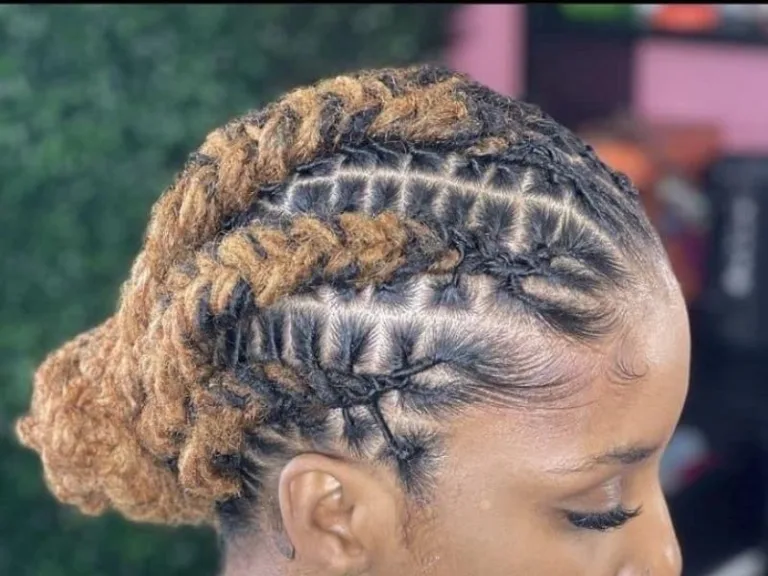
What resulted was a patented system that uses a specific interlocking technique and a specialised tool to create hundreds of small, lightweight locs, typically anywhere from 250 to 400 or more, depending on your hair’s density and your size preference.
What separates Sisterlocks from other loc styles is not just size. Though the locs are distinctly small, usually between one-eighth and three-eighths of an inch wide.
It’s the installation pattern.
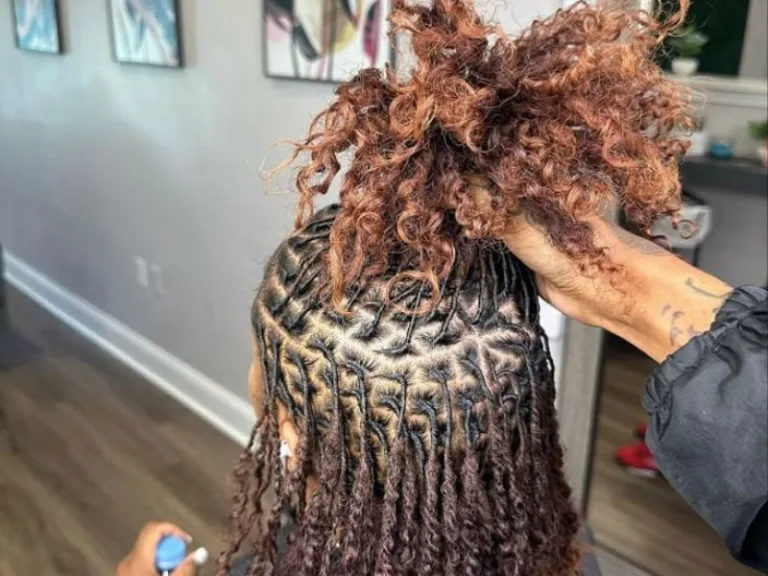
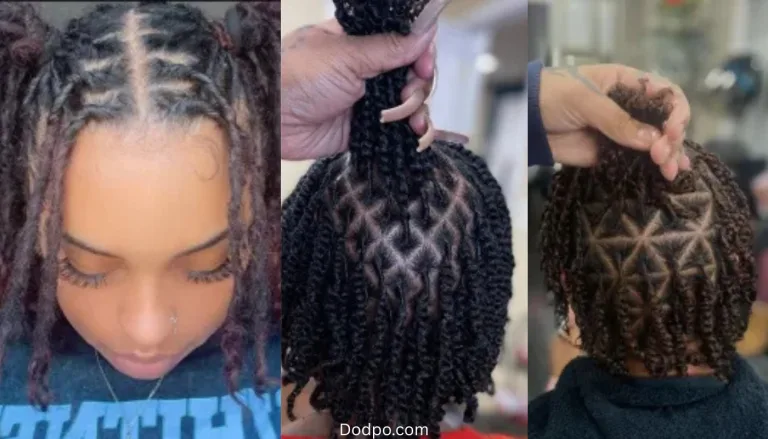
Sisterlocks follow a precise grid structure that is visible at the scalp and maintained consistently throughout the head.
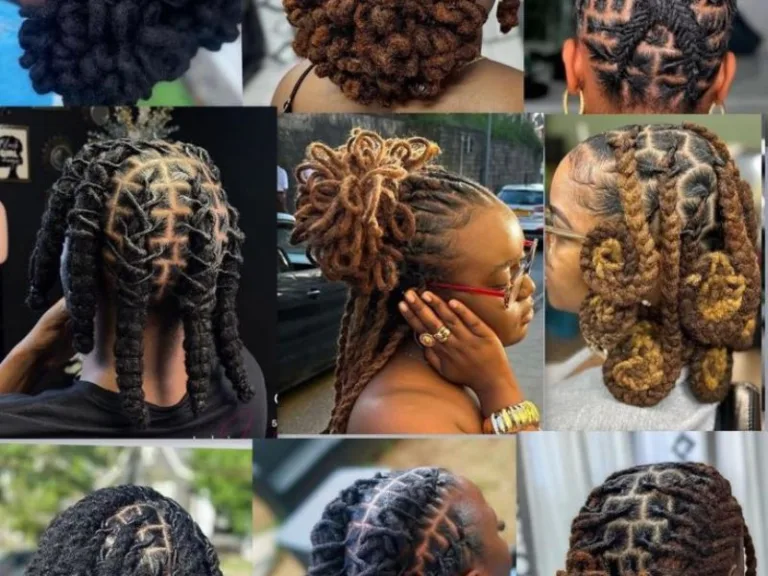
That uniformity is what gives them their signature neat, defined appearance. Microlocs, by contrast, can be installed using various methods and don’t require the same patented grid.
Traditional locs are larger and work differently at the root.
Sisterlocks occupy their own category entirely, and understanding that distinction matters before you commit.
2. Knowing If Your Natural Hair Is Ready? What You Need Before Installation
Sisterlocks can be installed on most natural hair textures, but there are conditions your hair should meet before a consultation even becomes productive.
The most important is that your hair should be free of chemical relaxers.
Because the interlocking technique works with the hair’s natural texture to form the loc structure, chemically processed strands don’t respond the same way and are far more prone to slippage and breakage in the early stages.
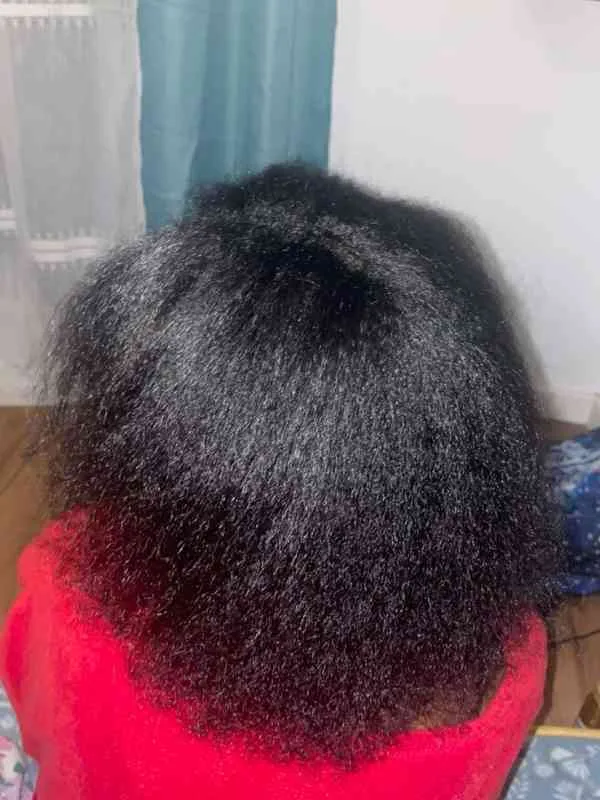
If you’ve been transitioning from a relaxer, most certified consultants will advise waiting until the chemically treated length has been trimmed away entirely.
Beyond that, your hair should be clean, well-moisturised, and in a reasonably healthy state going into installation.
Dry, brittle, or damaged hair creates a fragile foundation for Sisterlocks, and the stress of the installation process can worsen any existing weakness.
In the weeks leading up to your appointment, focus on deep conditioning, hydrating regularly with water-based products, and avoiding anything that adds tension or further damage.
The healthier your hair is on installation day, the stronger your locs will be from the very beginning.
Minimum length is also worth discussing. Most consultants prefer at least an inch and a half to two inches of natural hair to work with, though this varies by hair texture.
Tighter curl patterns, like 4C hair, can sometimes work with slightly shorter lengths because the coil structure holds the interlocking pattern more readily.
This Post explains
- How to Style Mid-Length Locs for Business Travel Without Losing Your Composure
- From Sweat to Sleek: How to Transition Loc Styles from Gym to Boardroom
- 10 Dreadlock Edge Control Tips for Corporate Women: Stay Sleek Without Losing Your Style
Looser textures may need more length to prevent slippage.
Your consultant will assess this during your initial appointment, which is why booking that consultation before assuming your hair is ready is always the right move.
3. Finding a Certified Sisterlocks Consultant, and Why It Isn’t Optional
This is one of the places where people sometimes try to cut corners, and it’s almost always a decision they regret.
Sisterlocks are not a DIY installation.
They are not something a general loctician can improvise with standard interlocking tools.
The process requires a consultant who has completed the official Sisterlocks training program and is certified to install and maintain the system.

The patented interlocking tool used in installation isn’t available to the general public, it’s part of the licensed system, and the grid pattern requires both technical skill and precise execution to achieve the uniformity that makes Sisterlocks what they are.
Improper installation creates problems that compound over time.
Locs that don’t follow the correct pattern can thin at the roots, slip at the ends, or fail to lock properly, and correcting those issues later is far more difficult and expensive than getting it right from the start.
When vetting a consultant, look for someone who can show you their certification, whose previous work you can review, and who takes time during the consultation to assess your hair individually rather than rushing you into a booking.
Installation typically takes anywhere from twelve to twenty-four hours, spread across one or two sessions.
A consultant who is rushing that timeline is worth approaching with caution.
4. The Installation Process: What Actually Happens
Your consultant will begin by sectioning your hair into the precise grid pattern that defines Sisterlocks.
This grid is not random, it follows a structured parting system that distributes each loc evenly across your scalp, which determines the overall look and longevity of the style.

Once the sections are established, the actual interlocking begins.
Using the specialised tool, the consultant works through each parted section, weaving the hair in a specific rotational pattern that builds from the ends toward the root.
This is done loc by loc, across every section of your head.
Because of the number of locs being installed, and the precision required for each one, installation is genuinely time-intensive.
Most people break it across two sessions rather than attempting it in a single sitting, especially for medium or longer hair.
After installation, your locs will look neat and uniform, and your scalp may feel some tenderness from the tension of the sectioning and interlocking process.
This sensitivity is temporary and typically resolves within a few days.
What you will be left with is a head full of lightweight, fine locs arranged in that distinctive, clean grid, and the beginning of a journey that is only just starting.
5. The First Six Months: What to Expect and What Not to Panic About
The first month tends to feel deceptively simple.
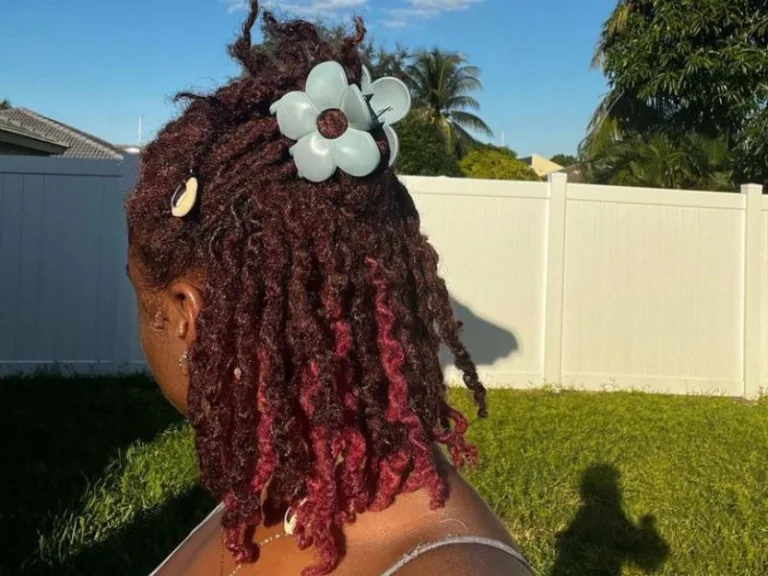
Your Sisterlocks look clean and neat, they move freely, and the grid at your scalp is visible and beautiful.
What’s actually happening underneath, though, is that very little locking has taken place yet.
The strands are secured but not yet interlocked internally, which means unraveling is still possible if the hair is over-manipulated.
The most important thing you can do in month one is leave your locs alone.
Resist touching them, re-rolling them, or attempting to neaten areas that look slightly loose. Restraint is the job at this stage.

By the second and third months, frizz begins to appear, and this is where many people start to panic.
The clean installation look fades, roots start to puff between retightenings, and locs may look uneven or slightly swollen in places.
This is not a sign that something has gone wrong. Frizz in the early stages is evidence that the hair is actively beginning to interlock and mat internally, which is exactly what it is supposed to do.
The locs that look frizzy on the outside are forming structure on the inside. Fighting that process with excessive manipulation or product application delays it rather than helping it along.
Months four through six bring shrinkage, swelling, and texture inconsistency.
Your locs may appear shorter than they did at installation, this is the hair compacting as the interlocking structure tightens internally.
Some locs will appear to mature faster than others, which is entirely normal; hair doesn’t lock at the same rate across the entire head.
By the six-month mark, your locs will feel noticeably more stable and secure, though full maturity.
The stage at which they are dense, firm, and settled, takes between twelve and twenty-four months depending on your hair texture, density, and maintenance consistency.
If you are looking to understand 10 Common Loc Mistakes to Avoid That Cause Thinning & Breakage
6. How to Care for Your Sisterlocks From Day One

Washing is not something you need to avoid with Sisterlocks, in fact, clean hair locks faster and more evenly than hair that is left unwashed.
The key is using a residue-free shampoo that won’t leave product buildup trapped inside the locs.
Rinsing very thoroughly so no shampoo residue remains at the scalp. And allowing the locs to dry completely before covering them or going to sleep.
Locs that are sealed while damp are prone to mildew and odour. Which is difficult to eliminate once it develops.
During the starter phase. Washing every two to four weeks is a reasonable guideline, adjusting based on your scalp’s needs and your activity level.
Moisture matters, but the type of moisture matters more.
Water is the primary source of hydration for Sisterlocks. And water-based sprays or mists are what your scalp and locs actually need between wash sessions.
Lightweight oils like jojoba can be applied in small amounts to seal moisture in. But heavy creams, butters, and waxes should be avoided entirely.
Products that are too dense get trapped inside the locs rather than absorbing, creating buildup that weighs the hair down, dulls the appearance, and compromises the locking process.
The lighter your product routine. The healthier your locs will be.
At night, protect your Sisterlocks with a satin or silk bonnet or by sleeping on a satin pillowcase.
Cotton fabric absorbs moisture from the hair. And creates friction that accelerates frizz and disrupts the locking pattern.
This step costs almost nothing and makes a measurable difference over time. Especially in the early months when the locs are most vulnerable to external interference.
7. What Sisterlocks Will Cost You, Honestly
Sisterlocks are one of the more significant financial investments in the natural hair space.
It’s worth going in with clear expectations rather than being caught off guard.
Installation costs vary by location, hair length, hair density, and the consultant’s rates. But for a full head of Sisterlocks. Installation alone can run anywhere from several hundred dollars to well over a thousand.
The time involved is the primary driver of that cost.
A twenty-four-hour installation across two sessions, performed by a trained professional using a patented system, reflects real labour.

This is not a price point that has much room for negotiation without compromising on quality.
Beyond installation, maintenance retightenings are scheduled every six to eight weeks, particularly in the early stages.
As your locs mature, some people are able to stretch that interval slightly, but consistent retightening appointments with your consultant are part of the commitment you’re signing up for.
There are also ongoing product costs, though, honestly, Sisterlocks thrive on simplicity and a minimal product routine is not just acceptable, it’s recommended.
If you are not in a financial position where both installation and regular maintenance are comfortably within reach.
It’s worth waiting until they are rather than starting the process and having to stop partway through, which is far more damaging than not starting at all.
You may enjoy reading How to Style Starter Locs for Corporate Headshots: Polished, Professional & Authentically You
8. The Honest Questions to Ask Yourself Before You Book
Sisterlocks are beautiful, and they deserve to be chosen deliberately rather than impulsively.
Before you make the call, it’s worth sitting with a few questions that have nothing to do with aesthetics.
Do you have the patience for a maturation process that takes one to two years? Are you willing and financially able to maintain a consistent retightening schedule for the foreseeable future? Is your lifestyle compatible with the care requirements, particularly the need to fully dry your locs after washing and the importance of keeping your product routine minimal?
It’s also worth asking even if you want tiny, lightweight locs long-term, not just because they look neat in photos right now, but because this is genuinely the style you want to grow into. Sisterlocks are not easily undone.

They can be combined into larger locs later if you change your mind about size, but that process requires a professional and comes with trade-offs.
Removal is possible but time-consuming and risks significant breakage if not done carefully.
The people who thrive with Sisterlocks are almost always the ones who approached the decision slowly.
Asked every question they had, and chose the style because it genuinely suited their life. Not just because it looked stunning on someone else.
How to Start Sisterlocks on Natural Hair: Common Mistakes Beginners Must Avoid
Trying to Start Sisterlocks on Natural Hair, install Sisterlocks yourself or letting an uncertified stylist perform the installation to save money.
The patented interlocking tool, the grid pattern, and the precision of the technique exist for specific reasons.
An incorrect installation doesn’t just look wrong. It creates structural weaknesses that show up as thinning, slippage, and breakage months later when they’re much harder to fix.
Loading your freshly installed locs with heavy products because they look dry or because you’re used to a more product-intensive routine.
Sisterlocks need water and air. Not layers of cream and butter.
Product buildup in the early stages interferes directly with the locking process. And creates the kind of residue that is difficult to remove without disrupting the delicate structure your locs are trying to form.
Skipping retightening appointments because your locs look fine or because you want to save on maintenance costs.
The retightening schedule during the first year is not optional maintenance, it is what determines whether your locs lock cleanly and evenly, or whether the roots become matted, uneven, or prone to thinning.
Missing appointments during the starter phase has consequences that show up in the quality of your mature locs, and no amount of catch-up retightening fully undoes that gap.
In Conclusion
Starting Sisterlocks on natural hair is one of the most intentional hair decisions a person can make, and that’s why this guide How to Start Sisterlocks on Natural Hair covered everything you need to know about starting sisterlocks because;
The commitment is real , in time, in money, in patience, and in the willingness to let your hair become something new on its own timeline.
But for the people who choose it with full information and genuine readiness. What grows on the other side of that commitment is something genuinely worth the wait.
Do your research. Find a certified consultant whose work you trust, prepare your hair properly, and go in with realistic expectations for the early months.
Your Sisterlocks won’t look like the mature. Flowing images that probably inspired you on day one, or in month two, or even in month six.
But they will get there. If you give them consistency, patience, and care. That’s the promise the journey holds for everyone who takes it seriously.
You Have Learnt How to Start Sisterlocks on Natural Hair: A Step-by-Step Process.