This Post Will Show You How to Transition From Loose Natural Hair to Corporate Locs, Without Regret.
Changing your hair from loose natural curls to locs is a significant decision. It involves more than aesthetics. It touches your identity, routine, and confidence.
I remember when I first considered locs. At the time, I loved my curls and understood how to manage them. Wash days were predictable, products had known effects, and styling felt familiar.
Yet, I also longed for structure, simplicity, and a style that would align with professional expectations. Corporate locs offered that combination of elegance and practicality.
If you are contemplating this transition, this guide will provide clear steps, tips, and insights.
You will learn how to prepare your hair, maintain it, style it professionally, and navigate emotional aspects.

Why Corporate Locs Are Gaining Popularity
Locs have evolved from being misunderstood to celebrated in professional spaces. Modern workplaces are embracing natural hairstyles. Locs now symbolize confidence, intentionality, and sophistication.
Women choose corporate locs for multiple reasons. They reduce daily manipulation, protect natural hair, and provide a structured style that looks polished in any environment.
Moreover, locs offer versatility, allowing for professional updos, sleek buns, and low maintenance daily routines.
The decision is both practical and aesthetic. Many women appreciate the time saved on daily styling. The reduced exposure to heat and manipulation also promotes hair health.
Below are step by step guide on How to Transition From Loose Natural Hair to Corporate Locs Without Regret.
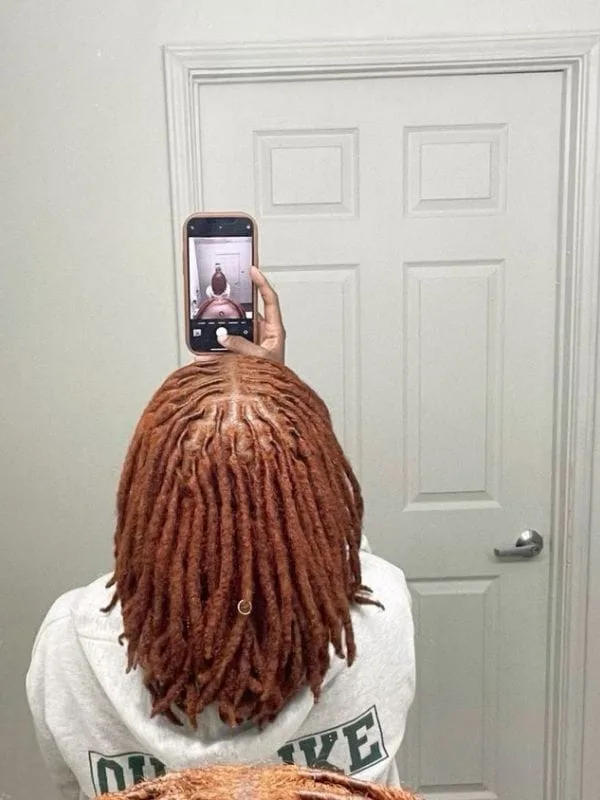
This article dives into How to Moisturize Locs Daily Without Buildup: A Step-by-Step Routine for Healthy, Hydrated Locs
What You Need to Know Before You Begin
Before committing to corporate locs, there are several important factors to consider.
First and foremost, transitioning from loose natural hair is not just a physical change. It is a structural shift in how you manage, style, and maintain your hair. Therefore, preparation matters.
Additionally, the locking process requires patience. In the early months, your hair may not look as refined as fully matured locs. However, understanding this phase in advance reduces frustration.
At the same time, professional presentation remains achievable from day one. With proper parting, consistent maintenance, and clean styling, starter locs can still appear polished.
Most importantly, this transition works best when it is intentional. When you are clear about your goals, informed about the stages, and realistic about maintenance, the journey becomes empowering rather than overwhelming.
This Post explains 15 Beautiful and Professional Loc Styles for Corporate Women
How to Transition From Loose Natural Hair to Corporate Locs Without Regret
Step 1: Clarify Your Motivation

Before starting, it is crucial to define why you want locs. Reflect on your goals:
- Are you looking for a long-term hairstyle?
- Do you want low maintenance hair?
- Are you tired of detangling daily?
- Do you seek a protective style for professional environments?
Clarifying your intent reduces regret later. Locs are a commitment and should not be approached as a temporary experiment. Understanding your motivation ensures a smoother transition.
You May also find helpful 20 Best Dreadlocks Haircare Routine Tips for Healthy, Strong & Fast-Growing Locs (My Complete Guide)
Step 2: Choose the Best Starter Method
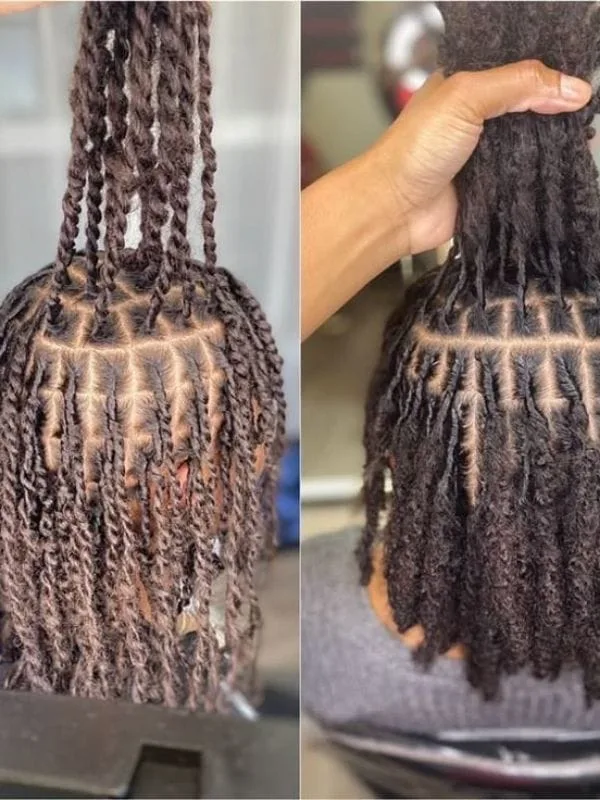
Starter methods determine how locs form and how professional they appear early on.
- Comb Coils create small, defined sections. They look neat immediately and work well in corporate settings.
- Two strand Twists offer slightly thicker beginnings. They remain easy to manage and still develop a uniform appearance over time.
- Interlocking is ideal for active individuals or those seeking a lower maintenance routine.
Professional guidance is essential. A certified loctician can recommend the method that aligns with your hair type and workplace expectations.
Step 3: Prepare Your Hair
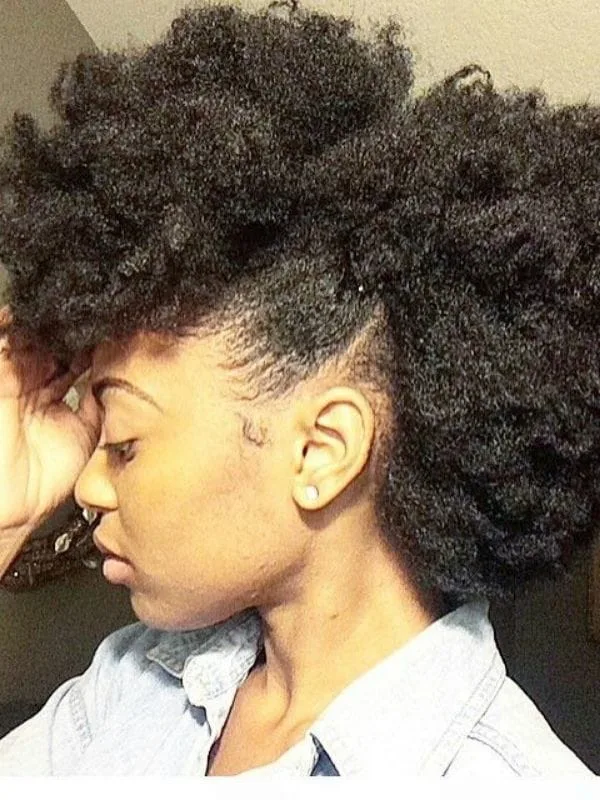
Healthy hair leads to healthy locs. Before installation:
- Clarify your scalp to remove residue
- Trim split ends
- Deep condition thoroughly
- Avoid heavy oils or buildup
Neglecting preparation may result in uneven loc formation, excessive frizz, or slower locking. Clean hair lays a solid foundation for long-term success.
Step 4: Adjust Your Mindset for the Starter Phase
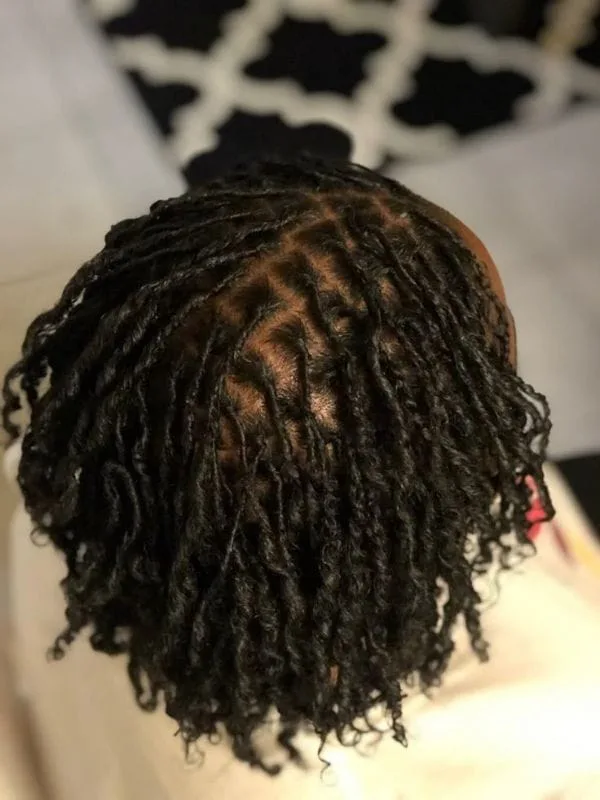
The first few months can feel unpredictable. Hair may frizz, shrink, or appear uneven. These are natural stages of formation.
Patience is key. Locs take time to mature. Viewing these early changes as part of the process prevents impulsive decisions like undoing your work too soon.
Step 5: Create a Corporate Friendly Styling Routine
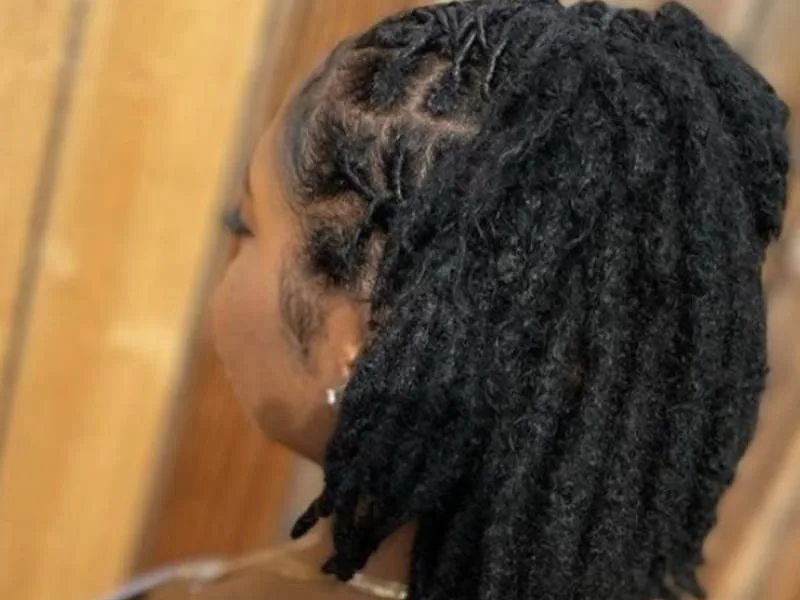
Even during the starter phase, presentation matters. Neat parts, tidy retwists, low buns, and sleek ponytails create a polished look.
Using lightweight styling products ensures structure without buildup. Heavy creams can make locs look greasy and weigh them down. Regular attention to parts and ends enhances professionalism.
Step 6: Modify Your Haircare Practices
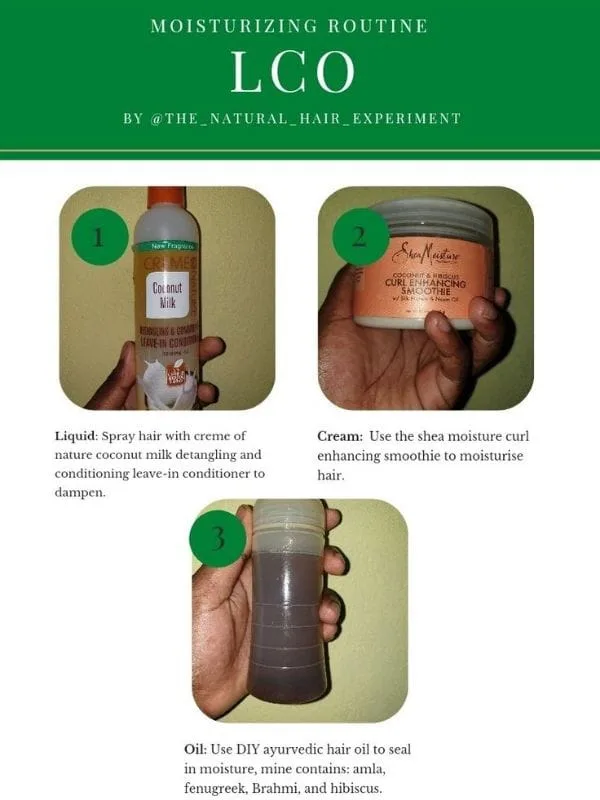
Transitioning to locs changes your daily routine. Loose natural hair often requires frequent detangling, conditioning, and creams. Locs demand a different approach.
Here’s a closer look at Salt Water Loc Maturation: How Sea Water Speeds Up Loc Growth Naturally
Focus on:
- Scalp cleansing
- Light moisturizing sprays
- Minimal product layering
- Proper drying techniques
Less manipulation preserves hair health. With time, the reduced daily effort becomes liberating.
Step 7: Understand Shrinkage
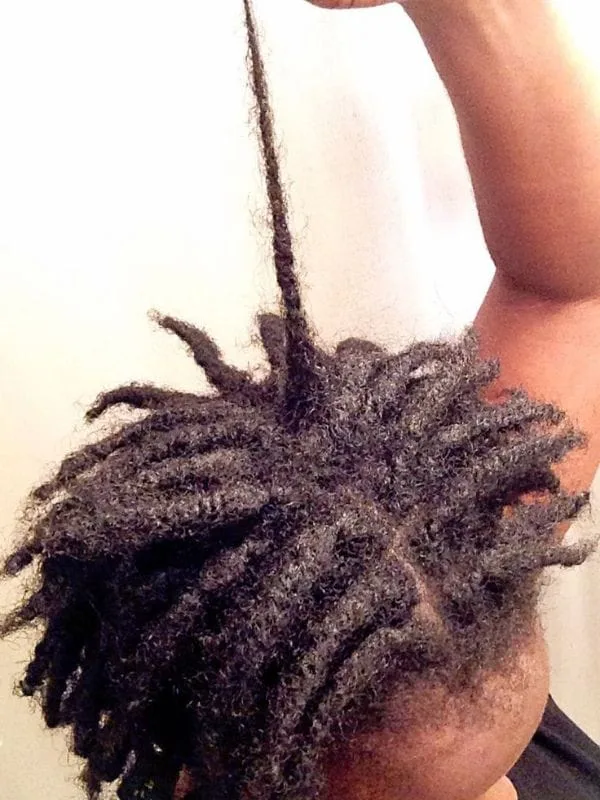
Hair will appear shorter initially. Shrinkage occurs as locs condense and mature. Growth continues, but length is less visible.
Many women feel concerned during this phase. Recognize that shrinkage indicates progress. Over the first year, hair will stretch and grow while maintaining loc integrity.
If you are looking to understand How I Prevented Thinning and Hair Loss in My Locs (And You Can Too)
Step 8: Schedule Retwists Consistently
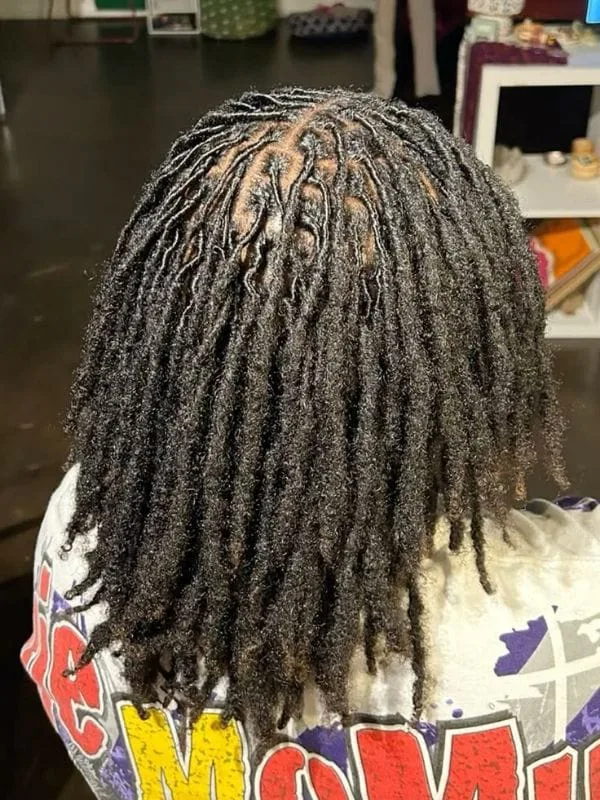
Retwisting maintains neatness. A typical schedule is every 4–6 weeks. Over retwisting can cause tension, breakage, and thinning edges.
Balance structure with scalp health. Gentle, consistent care ensures locs remain strong and professional looking.
Step 9: Protect Hair Overnight
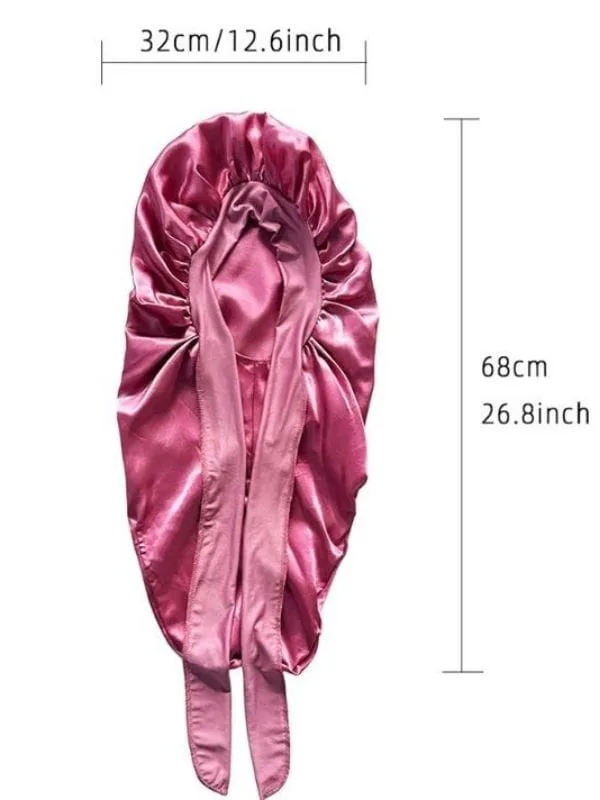
Even professional locs benefit from nightly care. Using a satin or silk scarf, bonnet, or pillowcase reduces friction and frizz.
These practices keep hair neat and extend the life of styles. Nighttime protection is a small effort with lasting impact.
This Post explains How to Sleep with Locs Without a Bonnet: 5 Safe Alternatives for 2026
Frictionless Loc Sleeping Gear: Protect Locs While You Sleep
Step 10: Prioritize Scalp Health
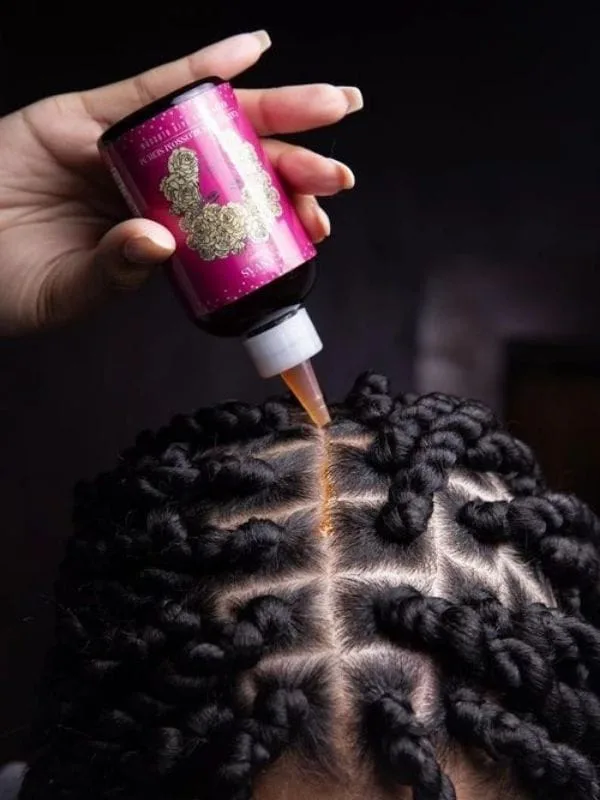
A healthy scalp supports strong locs. Avoid heavy waxes and thick creams. Focus on lightweight oils and diluted aloe sprays.
Regular cleansing prevents buildup. A clean, breathable scalp enhances the overall appearance of your locs.
Step 11: Handle Workplace Perceptions
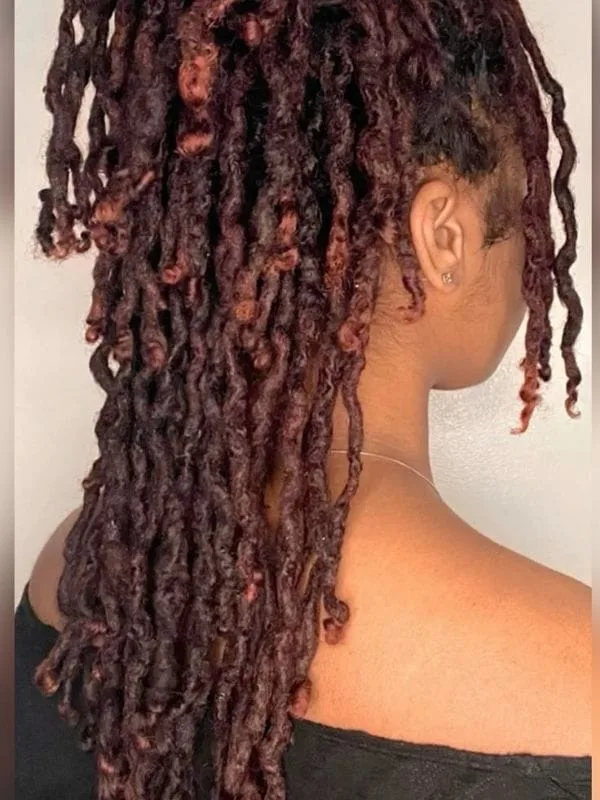
Confidence impacts perception more than hairstyle alone. Well maintained locs communicate professionalism.
Even if your workplace is unfamiliar with natural hairstyles, neat locs combined with polished presentation project competence. Your confidence reinforces your image.
Step 12: Recognize Long-Term Commitment
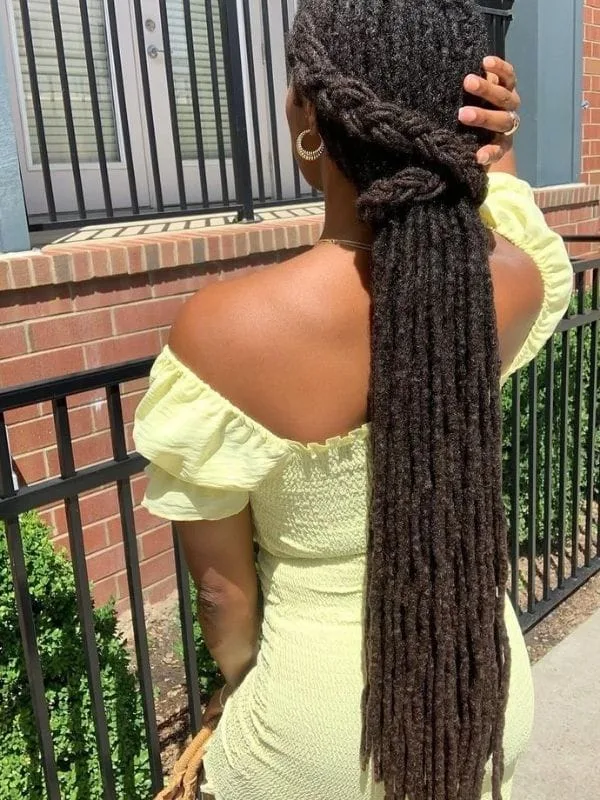
Locs are permanent in nature. Removing them requires effort and patience.
Planning for a multi-year journey ensures clarity. Understanding maintenance schedules and growth patterns prevents unnecessary stress.
Common Mistakes to Avoid
- Installing locs on unhealthy hair
- Overloading with products
- Retwisting too frequently
- Comparing your progress to others
- Ignoring scalp care
Awareness prevents damage and supports a healthy transition.
Timeline: First Year Expectations
- Months 1–3: Starter phase with frizz and texture adjustments
- Months 4–6: Budding stage with more defined locs
- Months 7–12: Early maturity showing structure and length
Each stage requires patience. Rushing can compromise hair integrity.
Styling Early Locs
Even in early stages, simple styles maintain professionalism. Consider:
- Side parts with smooth edges
- Low buns for formal settings
- Half up, half down looks
- Flat twists into buns
- Minimal head wraps
Protective, polished styling ensures workplace readiness while allowing locs to grow.
Emotional Transition
Leaving loose hair can be emotional. You may miss curl definition, styling flexibility, or wash and go routines.
This response is normal. Locs offer a different beauty, intentional, structured, and timeless. Give yourself patience and grace during this adjustment.
Are Corporate Locs Right for You?
Ideal candidates:
- Prefer low daily styling
- Desire defined, professional looks
- Work in formal environments
- Value long-term protective styles
Frequent style changers may find locs restrictive. Clear intentions ensure satisfaction.
How Corporate Locs Elevate Your Routine
Corporate locs reduce daily styling demands. This frees time for work, personal tasks, or self-care. Routine grooming becomes simple, requiring minimal manipulation.
Neat, consistent locs support a professional image without constant intervention. Your hairstyle complements your identity rather than complicating it.
Locs enhance discipline. Maintaining a structured look strengthens attention to detail, poise, and presentation. Hair becomes a reflection of personal and professional care.
Why Corporate Locs Transform More Than Just Your Hair
Transitioning to corporate locs doesn’t only change your hairstyle; it reshapes your daily routine, confidence, and professional presence.
For starters, locs reduce the need for constant manipulation, allowing you to focus on work, personal projects, and self-care without worrying about hair.
Additionally, structured locs give a polished, intentional look that communicates professionalism effortlessly.
Moreover, locs encourage consistent haircare habits. By following a retwist schedule, protecting your scalp at night, and using lightweight products, you develop discipline that benefits not just your hair but your overall grooming routine.
At the same time, these habits prevent breakage, frizz, and buildup, ensuring your hair stays healthy over time.
Another advantage is flexibility. Even though locs provide structure, they remain versatile. You can switch between sleek buns, elegant updos, half-up styles, or minimalistic wraps depending on the occasion.
This combination of stability and adaptability makes locs ideal for corporate settings, special events, and casual days alike.
Finally, the emotional benefit cannot be overstated. While leaving loose natural hair can feel daunting, embracing locs builds confidence, patience, and self appreciation.
As your locs mature, you witness a tangible reflection of commitment, growth, and intentionality, qualities that extend beyond hair and into daily life.
In short, How to Transition From Loose Natural Hair to Corporate Locs Without Regret transform your haircare routine, enhance your professional image, and cultivate a sense of personal empowerment. They are a long-term investment in both style and self-confidence.
Final Thought
Transitioning from loose natural hair to corporate locs is transformative. It impacts routine, appearance, and confidence.
Intentional planning, consistent maintenance, and emotional readiness turn the experience into empowerment. Corporate locs provide elegance, structure, and protection while enhancing professional presence.
Your hair becomes part of your identity, supporting how you feel and perform. Locs are more than a style, they are a lifestyle choice that combines beauty, practicality, and confidence.
FAQs on How to Transition From Loose Natural Hair to Corporate Locs
1. Can I start locs while working in a corporate environment?
Yes. Neat retwists and defined parts create an immediate professional appearance.
2. How long until locs appear polished?
Initial stages can look neat. Full maturity generally occurs within a year.
3. Will locs thin over time?
Thinning results from excessive tension or improper care. Gentle retwisting preserves roots.
4. Can I color locs?
Subtle shades are best. Avoid chemical treatments before loc maturity.
5. Is transitioning expensive?
Initial installation may require a professional. Long-term upkeep is often more affordable than frequent styling of loose hair.
6. How to avoid product buildup?
Use light oils or sprays. Clarify every few weeks.
7. Do locs grow long?
Yes. Locs retain length, even if shrinkage occurs early.
8. Is retwisting mandatory?
Retwisting ensures neatness but should match hair needs.
9. Will locs look messy initially?
Early frizz is natural. Maturity reveals uniform structure.
10. How to control frizz?
Apply light sprays and maintain gentle handling.
This Post Showed You How to Transition From Loose Natural Hair to Corporate Locs Without Regret.