This post will show you 25 kids activity ideas for home & outdoor fun – all creative, exciting, and completely screen-free.
Keeping children engaged at home or outside can feel like a full-time job. One minute they’re happily playing. The next minute you hear, “I’m bored.”
Energy shifts fast. Their attention spans are short and somehow, the phrase “There’s nothing to do” appears even in a house full of toys.
It’s exhausting.
But here’s something many parents eventually discover: children don’t actually need expensive gadgets, nonstop entertainment, or brand-new toys every week.
What truly holds their attention is connection, physical movement, imagination, and hands-on experiences.
Give them something that sparks curiosity, invite them to move their bodies and let them create, build, explore, or solve something. When activities encourage participation instead of passive scrolling, children respond with enthusiasm.
Having a ready list of simple, low-cost, engaging activities makes life easier. It reduces stress, saves time, and helps you shift from “What do we do now?” to “Let’s try this!”
Even better? These moments often become the memories they talk about years later.
In this guide, you’ll find 25 kids activity ideas for home & outdoor (fun, creative & screen-free), thoughtfully selected options that work indoors, outdoors, and anywhere imagination is welcome.
Each one supports creativity, physical development, problem-solving, or meaningful family bonding, without relying on screens.
Let’s turn boredom into adventure.
This post dives into Stunning Garden Party Decoration Ideas for Elegant Outdoor Celebrations
Why Purposeful Activities Support Child Development
Intentional play builds essential life skills. Activities provide more than entertainment. They shape emotional intelligence, strengthen physical coordination, and nurture creativity.
When children engage in hands-on play, they develop:
- Independent thinking
- Motor skills
- Focus and patience
- Emotional regulation
- Social communication
- Confidence through achievement
Play stimulates cognitive growth. Structured engagement also reduces excessive screen exposure, which can impact attention span and sleep quality.
Dividing activities into indoor and outdoor categories helps families choose based on weather, schedule, and energy levels.
How to Create a Screen Free Environment That Encourages Active Play
A list of activities is helpful. An environment that supports those activities is powerful.
Children respond to their surroundings. If screens are visible, accessible, and constantly on, they naturally gravitate toward them.
If creative tools, open space, and movement friendly areas are available, they explore those instead.
Creating a screen free environment does not require removing technology completely. It requires intentional structure.
1. Designate Clear Play Zones
Children thrive when spaces have purpose.
Create simple zones such as:
- A reading corner with pillows and books
- A craft table with supplies within reach
- An open floor space for movement games
- A storage basket for outdoor toys
Defined areas reduce clutter and signal what type of activity happens there.
2. Rotate Toys and Materials
Too many options can overwhelm children. Fewer visible choices often increase focus.
Store some toys away and rotate them every few weeks. When items reappear, they feel new again. This refreshes interest without buying anything new.
3. Keep Supplies Accessible
If materials are difficult to access, children will default to easier entertainment.
Place:
- Crayons in labeled containers
- Building blocks in bins
- Sports balls near the door
- Books at eye level
Accessibility encourages independence.
4. Set Clear Screen Boundaries
Structure reduces conflict.
Decide:
- Specific screen time windows
- Device free hours
- No screen zones such as bedrooms or dining areas
Consistency helps children understand expectations without daily negotiation.
You might enjoy reading Best 8 Screen-Free Family Activities for Weekends and Holidays
5. Model Engagement
Children mirror adult behavior. When adults participate in reading, creative projects, or outdoor activities, children follow naturally.
Engagement does not require perfection. Presence makes the difference.
6. Prioritize Movement Breaks
Long periods of inactivity lead to restlessness. Build movement into the day intentionally.
Short bursts of:
- Stretching
- Jumping challenges
- Quick outdoor walks
Reset energy and improve mood.
7. Encourage Open-Ended Play
Open-ended activities stimulate imagination more effectively than structured toys with one purpose.
Examples include:
- Cardboard boxes
- Blank paper
- Loose building materials
- Nature objects
When children invent the rules, creativity expands.
25 Kids Activity Ideas for Home & Outdoor (Fun, Creative & Screen-Free)
15 Indoor Kids Activity Ideas for Home
Indoor play can remain active and imaginative without becoming chaotic. These ideas transform everyday household items into tools for creativity.
1. Living Room Obstacle Course
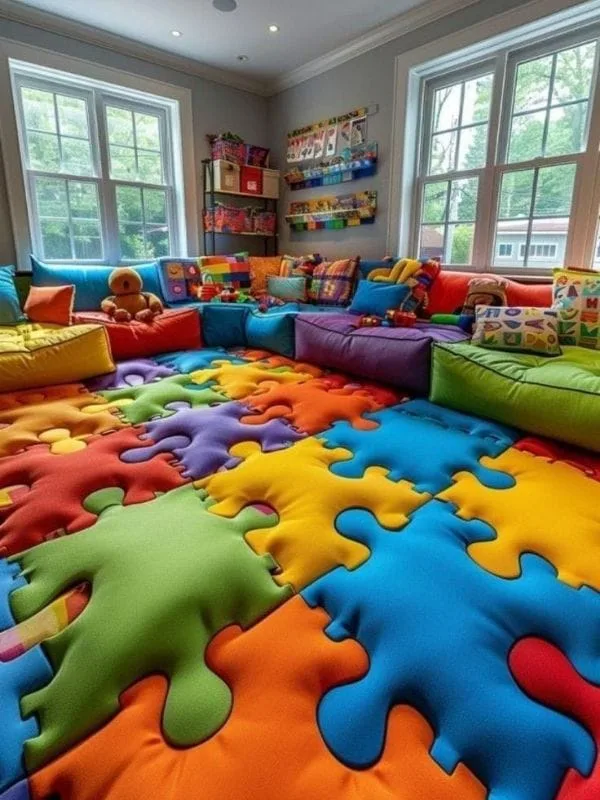
Transform furniture and soft materials into a movement challenge. Arrange pillows for jumping stations.
Position chairs for weaving paths. Create crawling tunnels using blankets.
Children improve balance, coordination, and endurance. Timed challenges increase excitement.
You may also find helpful 25 Eye-Catching 10th Birthday Decoration Ideas Kids Will Love
2. Home Scavenger Search
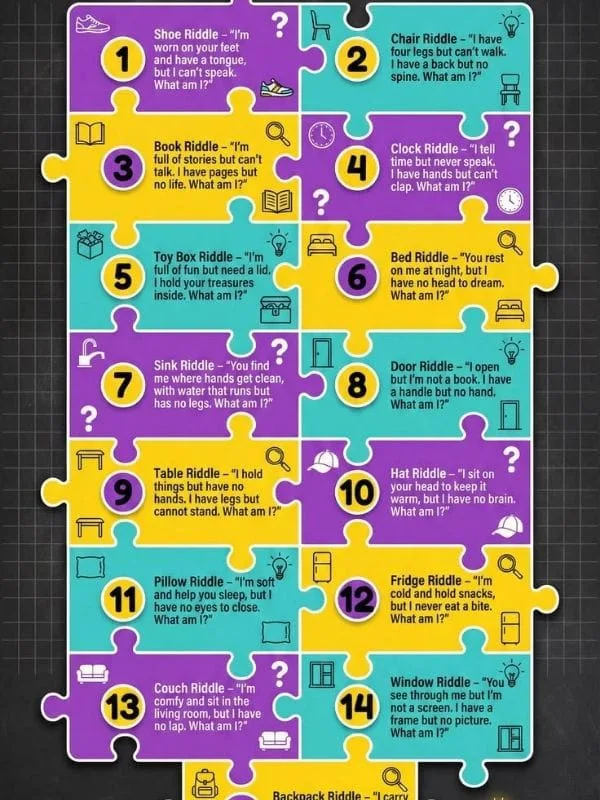
Create a checklist of items based on color, texture, or function. Younger children can search for objects like “something round” or “something soft.” Older children can solve riddles leading to hidden objects.
This strengthens observation skills and critical thinking.
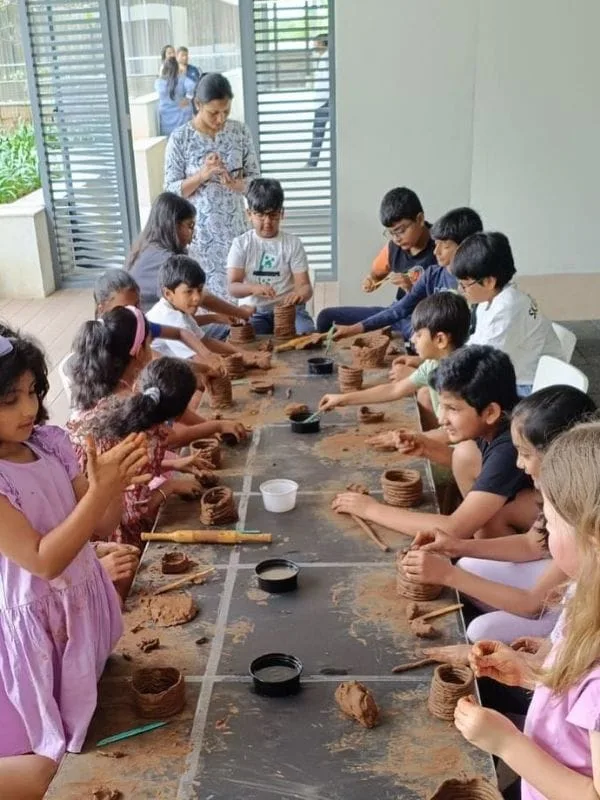
3. Creative Craft Corner
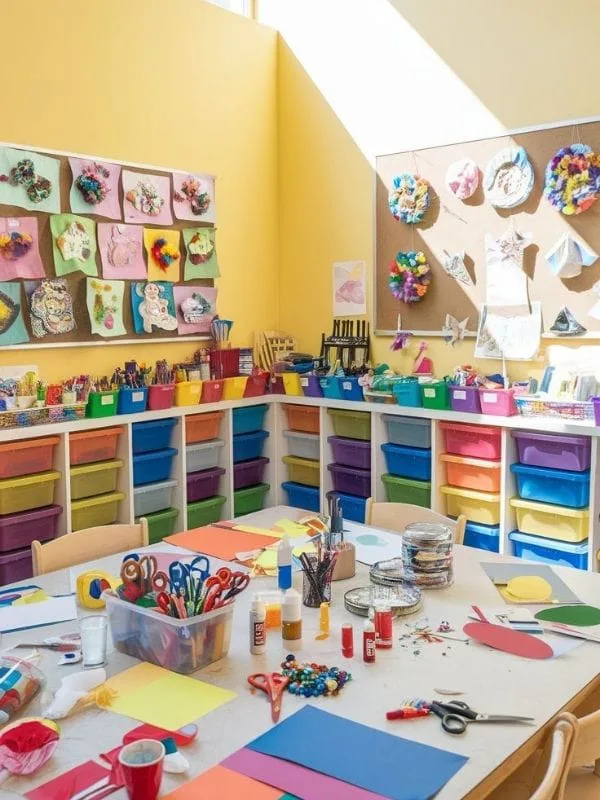
Designate a small area with paper, crayons, tape, glue, and recycled packaging. Offer a theme or allow open-ended creation.
Crafting improves fine motor control and imaginative expression. It also builds focus.
4. Collaborative Story Creation
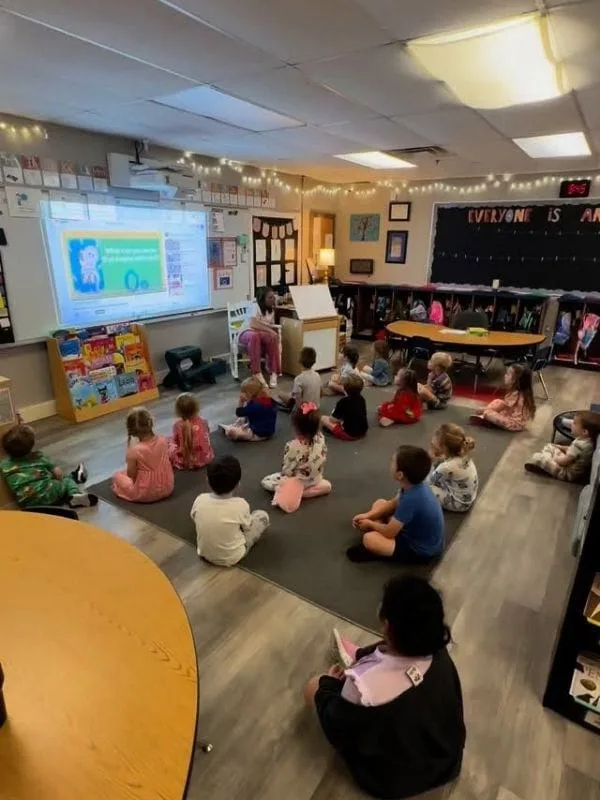
Begin a fictional scenario and allow each participant to add one sentence. This activity enhances vocabulary and storytelling skills.
Unexpected plot twists make the experience entertaining and memorable.
5. Blanket Hideout Build
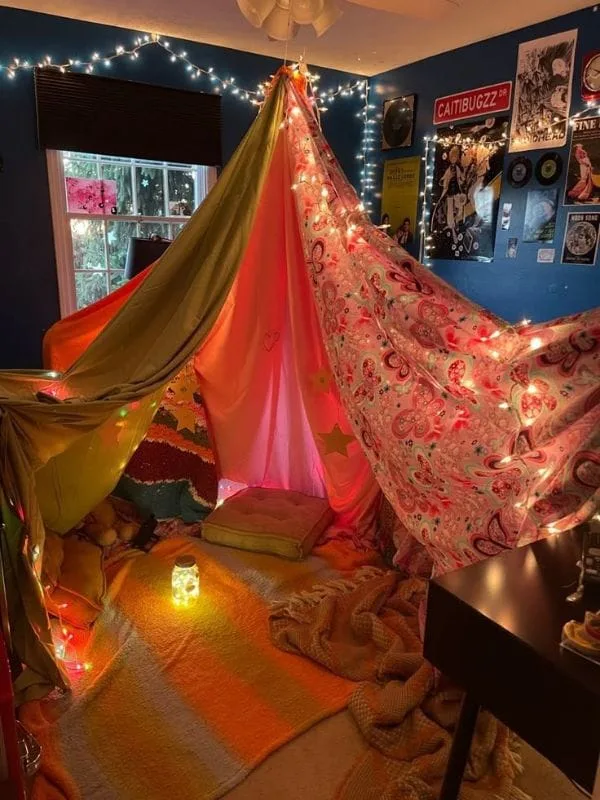
Use bedsheets and cushions to construct a temporary fort. Add pillows and a flashlight for reading or quiet conversation inside.
This activity creates a sense of adventure within a safe space.
6. Simple Science Experiments
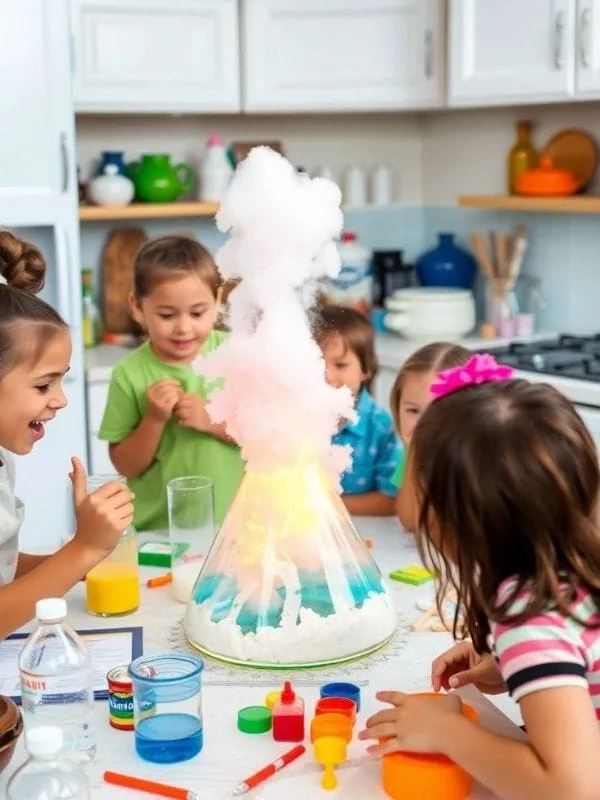
Hands-on experiments introduce curiosity about the natural world. Try:
- Baking soda and vinegar reactions
- Plant growth observation using beans and cotton
- Testing which household items float or sink
Children learn through observation and experimentation.
Here’s a closer look at 15 Budget-Friendly Thrift Home Decor Ideas for Small Apartments
7. Music and Movement Session
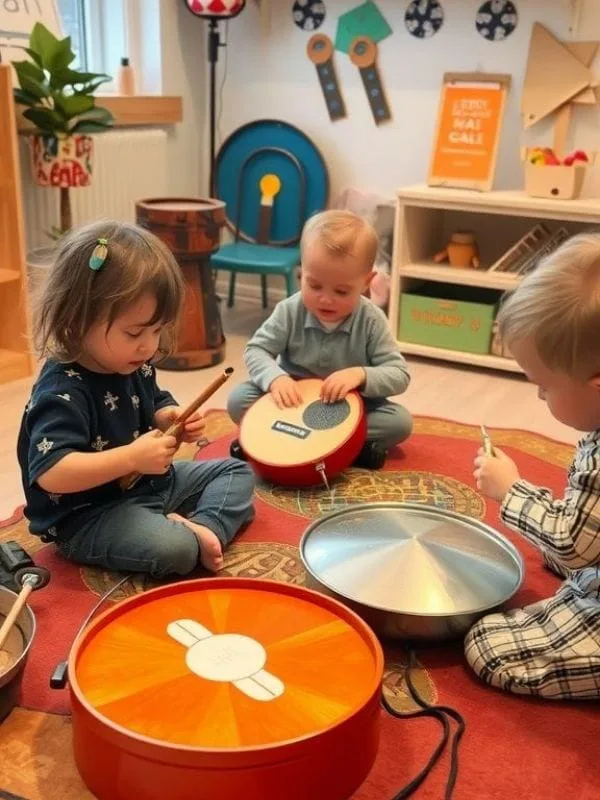
Play upbeat songs and encourage expressive movement. Introduce freeze dance rules to increase engagement.
Movement improves coordination and boosts mood.
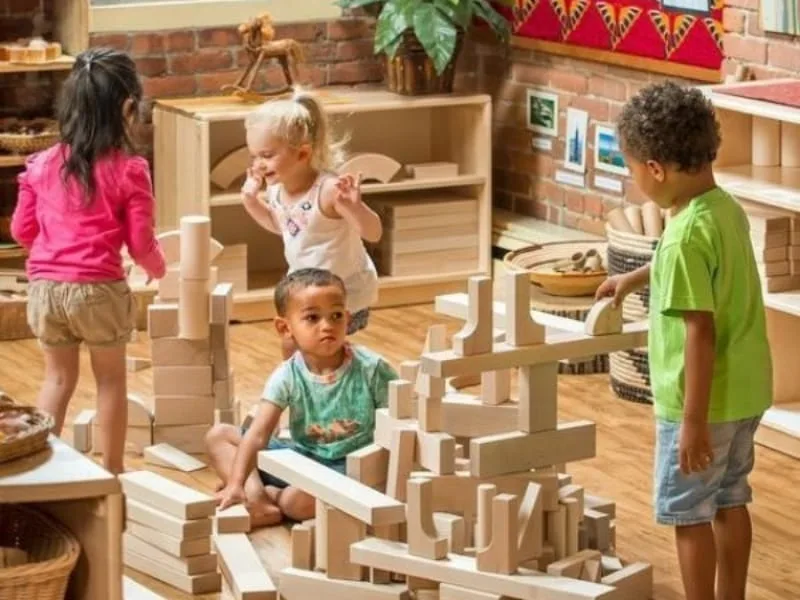
8. Building Challenges with Blocks or Bricks
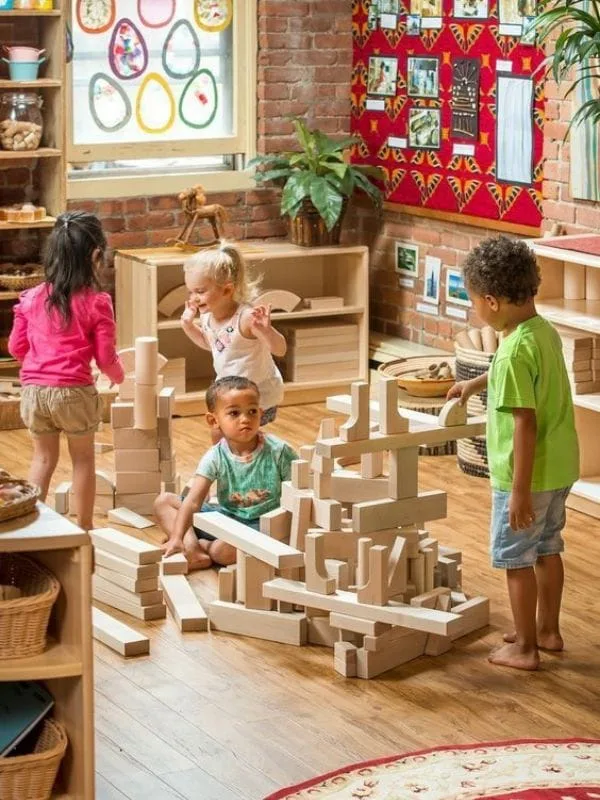
Assign building goals such as constructing the tallest tower or designing a dream playground. Structured challenges promote engineering thinking.
9. Family Cooking Time
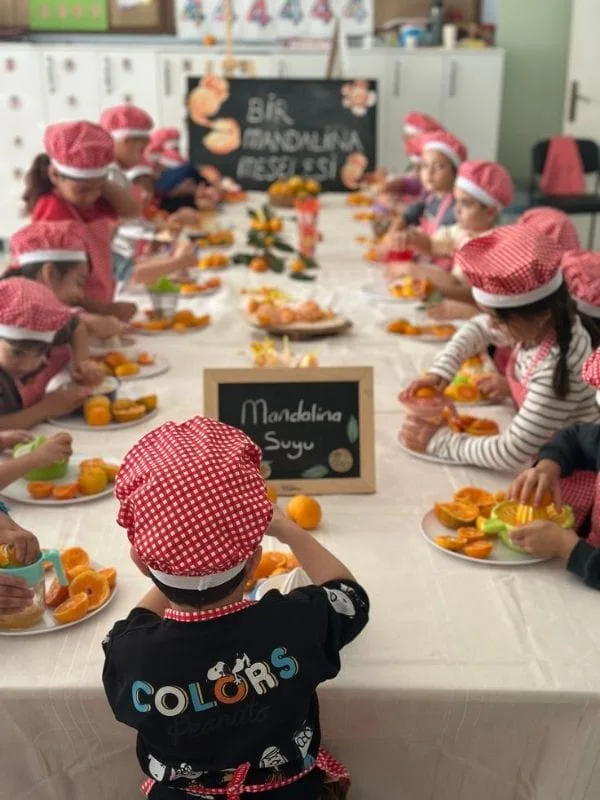
Invite children to assist with washing vegetables, stirring ingredients, or decorating baked goods. Cooking introduces measurement concepts and responsibility.
Children feel accomplished when they help prepare meals.
If you are looking to understand 20 Aesthetic 13th Birthday Party Ideas She’ll Be Obsessed With
10. DIY Indoor Bowling
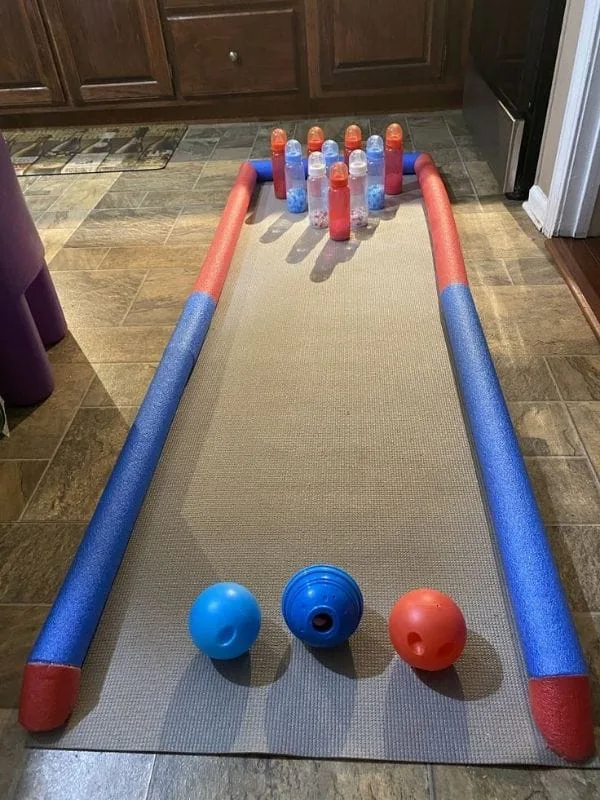
Arrange empty plastic bottles as pins. Roll a soft ball across the floor. Track scores for friendly competition.
This improves aim and hand eye coordination.
11. Reading Adventure Hour
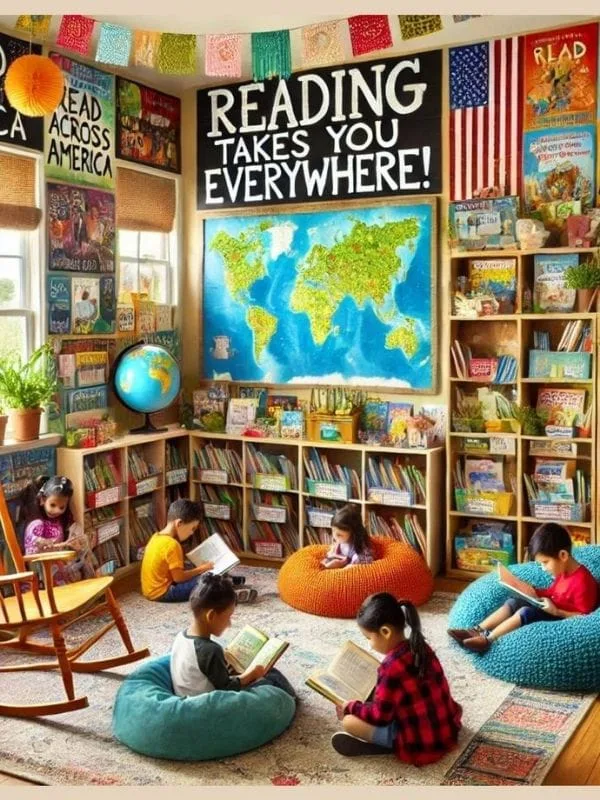
Create a cozy reading environment with blankets and cushions. Set reading goals appropriate to age level. Discuss favorite characters afterward.
Reading strengthens comprehension and imagination.
12. Puppet Theater Creation
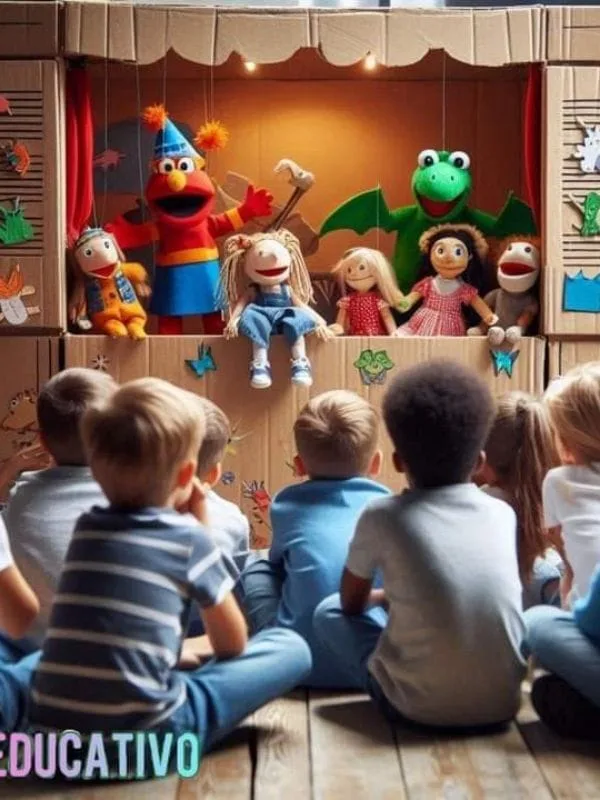
Craft simple puppets using socks or paper bags. Develop short performances. Encourage storytelling and expressive speaking.
13. Strategy Board Games
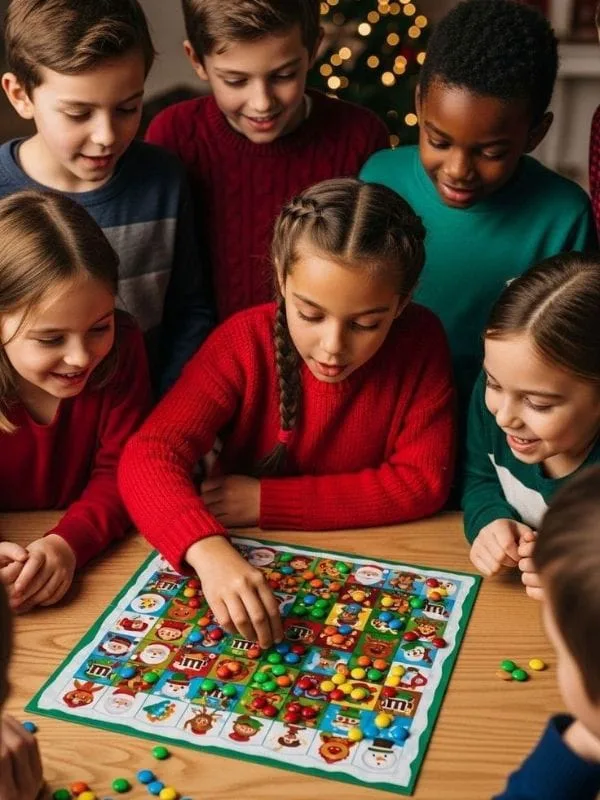
Board games teach turn taking, planning, and patience. Even basic card games foster logical thinking.
14. Art Challenge Theme Day
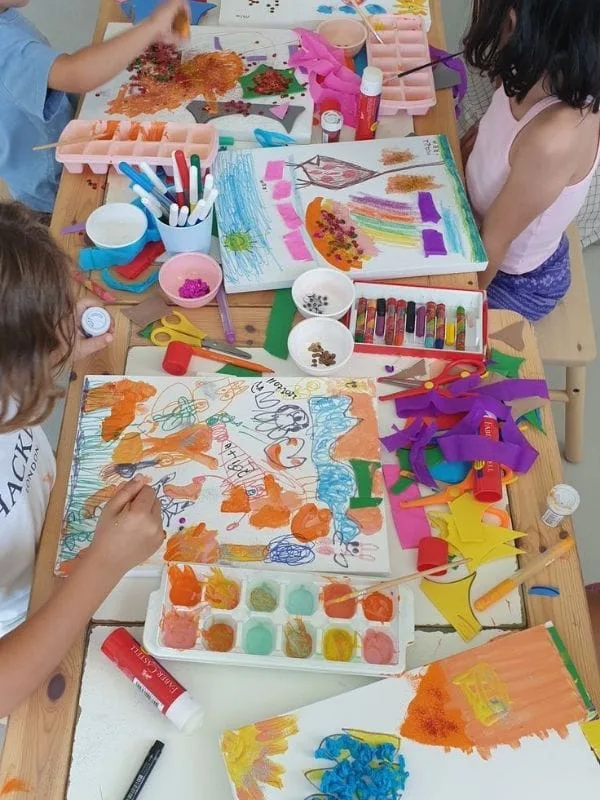
Select a creative theme such as “Underwater World” or “Future City.” Encourage detailed drawings and storytelling about the artwork.
This builds confidence in self-expression.
15. Kid-Friendly Yoga Session
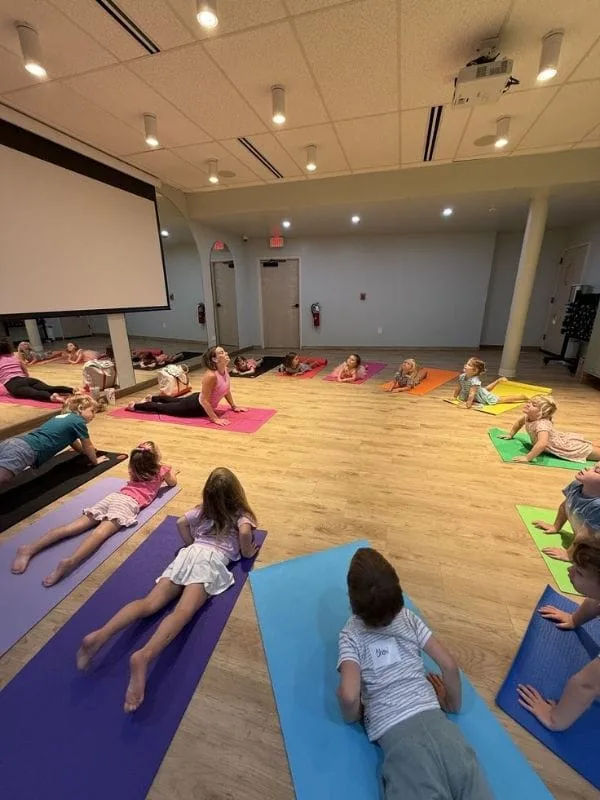
Introduce simple poses like tree pose or butterfly stretch. Guide breathing exercises for relaxation.
This supports flexibility and emotional calmness.
10 Outdoor Kids Activity Ideas for Fresh Air Fun
Outdoor engagement provides physical exercise and exposure to natural environments. Active play outdoors supports immune health and social development.
16. Backyard Treasure Adventure
Hide small objects around the yard or park. Create a simple map. Add a theme such as explorers or adventurers.
Children practice problem-solving while staying active.
17. Nature Discovery Walk
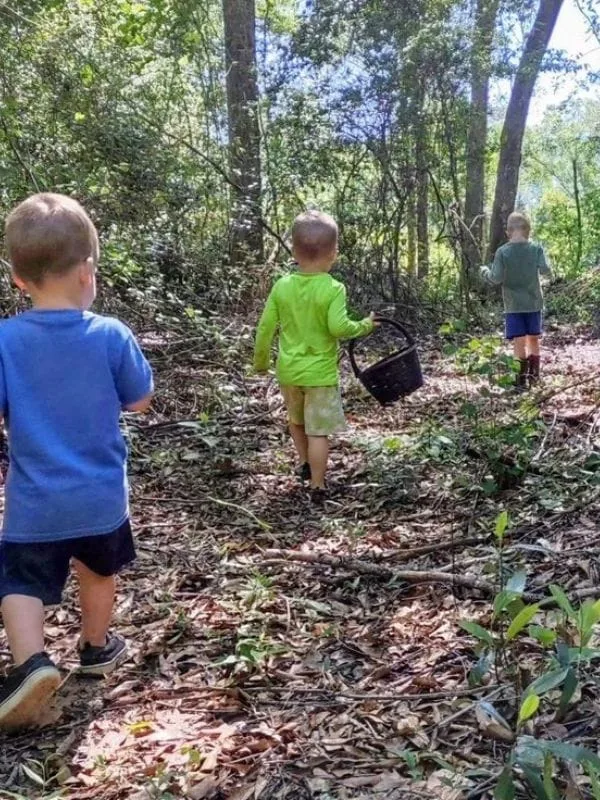
Assign a mission to collect specific natural items such as leaves or stones. Encourage discussion about textures and colors.
Observation skills expand during exploration.
18. Water Play Activities
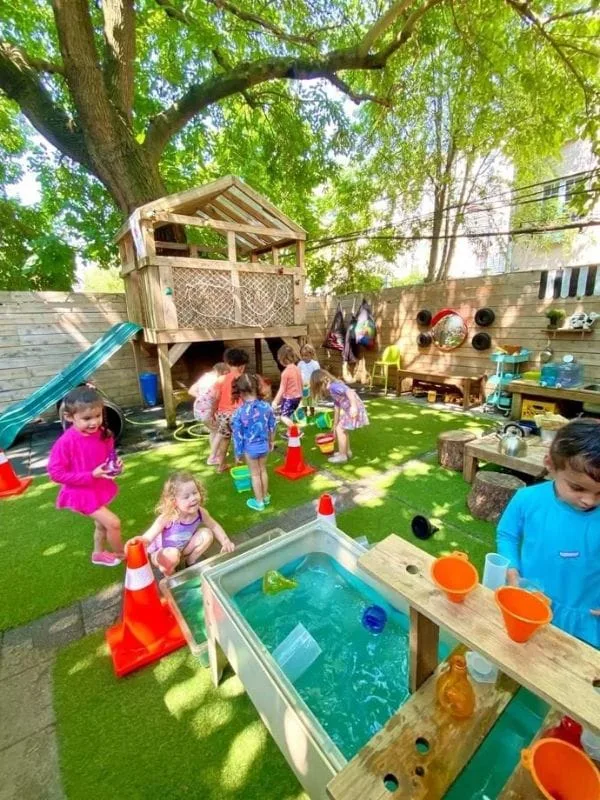
Warm weather allows for water balloons, sprinklers, and bucket relays. Water based games promote coordination and laughter.
If you are looking to understand Trendy DIY Wedding Backdrop Ideas For Modern, Stylish Ceremonies
19. Sidewalk Chalk Creations
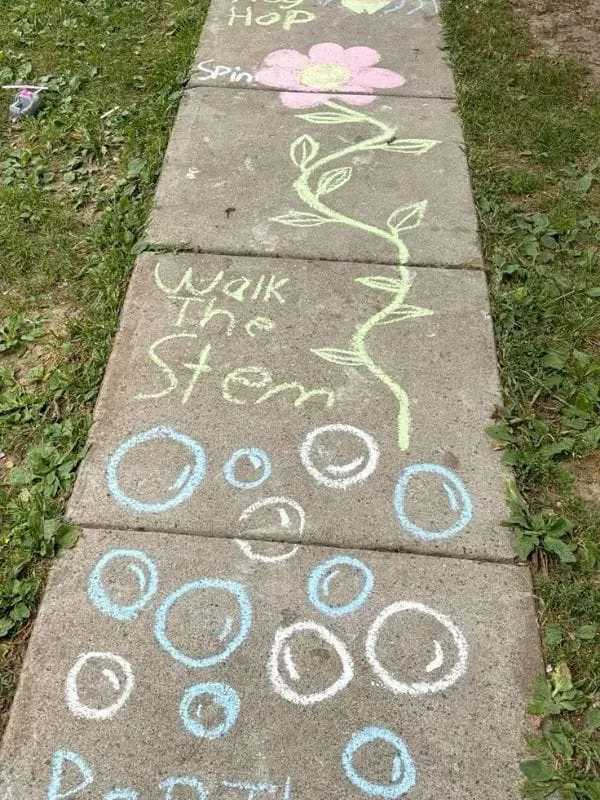
Use chalk to design murals, draw hopscotch paths, or practice writing letters. Outdoor drawing combines learning and creativity.
20. Family Gardening
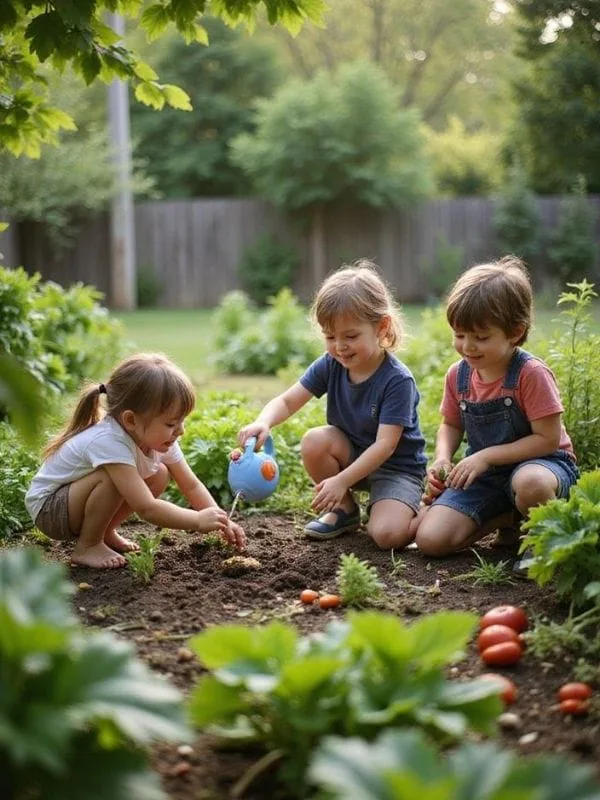
Plant flowers or vegetables together. Assign watering duties. Gardening introduces responsibility and patience.
Watching growth over time teaches consistency.
21. Mini Sports Day
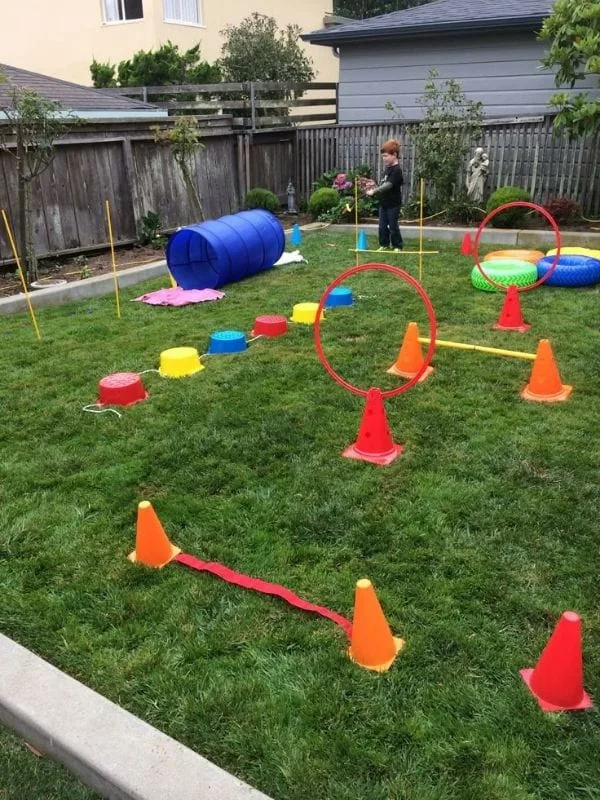
Organize short races, relay games, or soccer matches. Physical competition builds teamwork and endurance.
You might be interested in reading Analog Easter 2026: Screen-Free Family Activities for a Digital Detox Weekend
22. Bike or Scooter Exploration
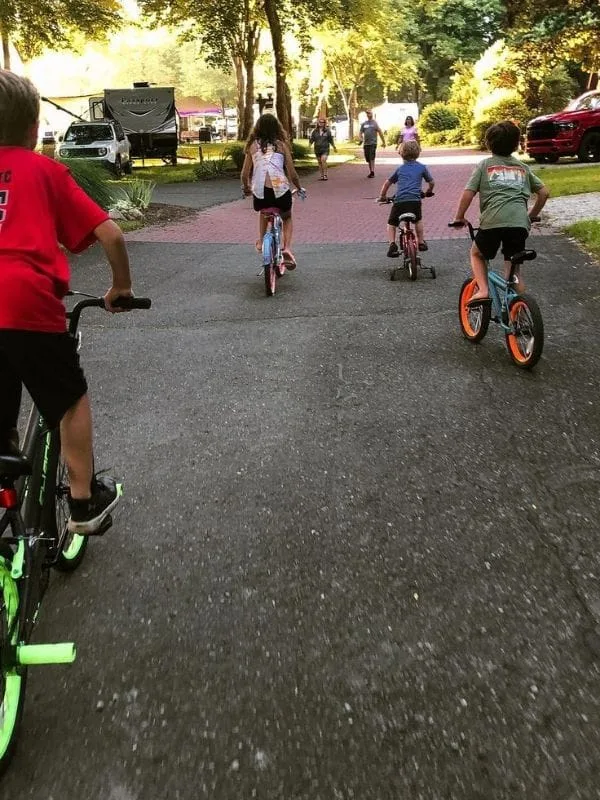
Plan a safe route. Encourage helmet use. Outdoor riding builds confidence and coordination.
23. Outdoor Picnic Experience
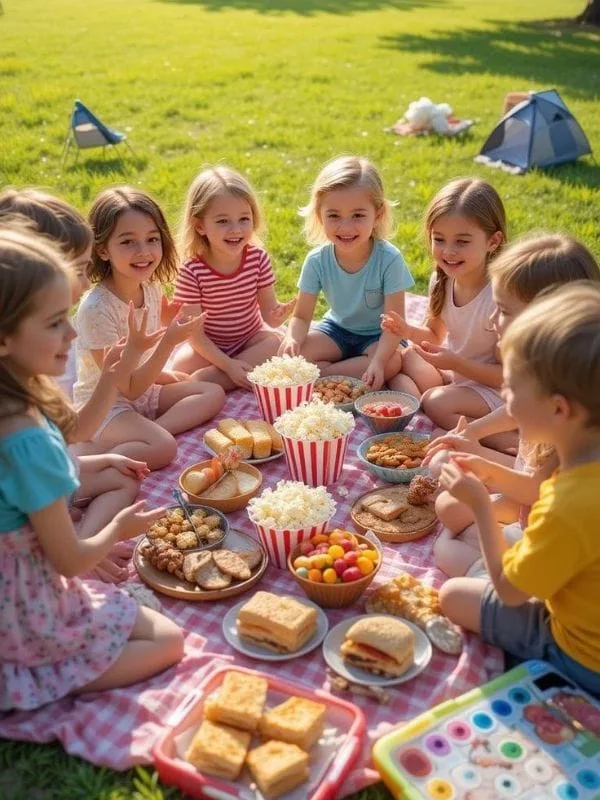
Prepare simple snacks and enjoy a meal outside. Children appreciate participation in preparation.
Shared meals strengthen family bonds.
For more insight 10 Picnic Ideas for Friends That Turn Any Day Into a Mini Getaway
24. Bubble Challenge
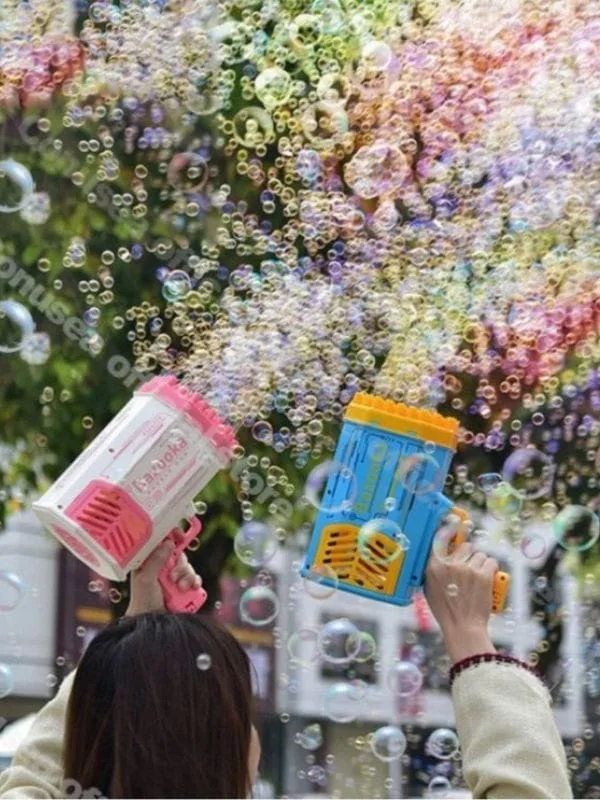
Blow bubbles and create friendly competitions for size or longevity. This activity remains timeless and joyful.
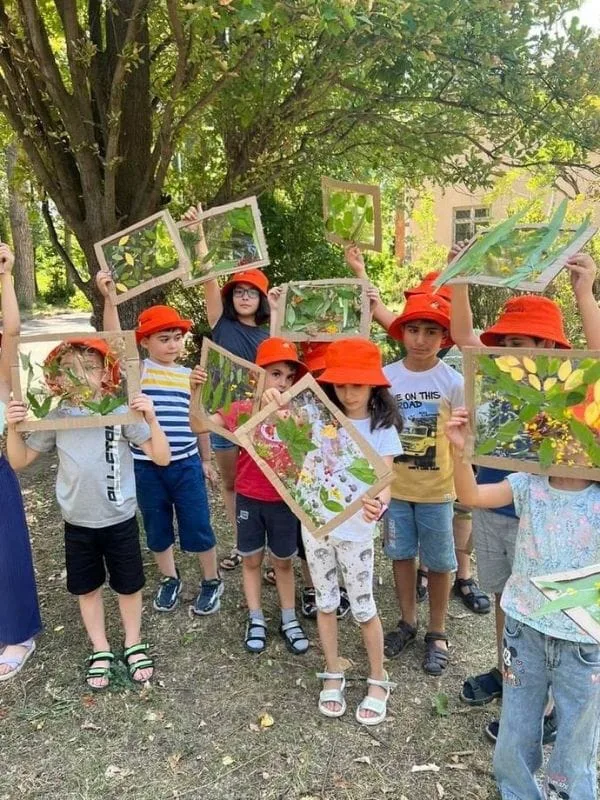
25. Nature Art Creations
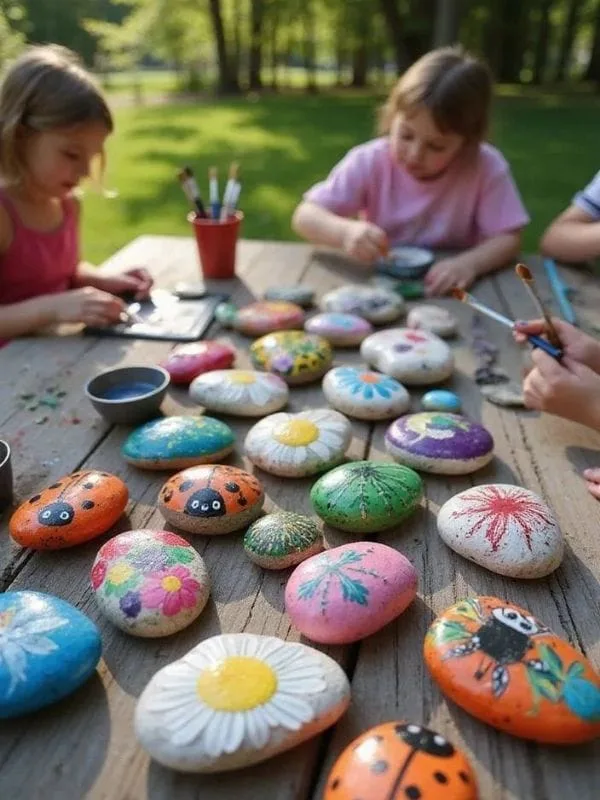
Collect leaves, sticks, and stones to form creative collages. Outdoor art fosters environmental appreciation.
How to Select the Best Activity
Choosing the right activity depends on several factors:
- Energy level of the child
- Available time
- Weather conditions
- Age group
- Number of participants
High energy children benefit from outdoor games. Quiet afternoons may call for crafts or reading.
Adaptability prevents frustration.
You may enjoy reading Simple Yet Stunning Wedding Ideas That Will Make Your Big Day Unforgettable
The Developmental Value of Balanced Play
Balanced indoor and outdoor experiences create well-rounded growth. Indoor activities promote imagination and concentration. Outdoor play improves physical endurance and social interaction.
Children who experience varied play often demonstrate:
- Improved resilience
- Better communication skills
- Stronger physical coordination
- Increased creativity
Active engagement fosters confidence and emotional security.
Creating a Weekly Activity Plan for Consistency
Planning activities in advance reduces last-minute stress. A simple weekly rotation works effectively. Assign certain days for creative crafts, outdoor sports, or quiet reading time.
Routine provides stability. Predictable schedules help children anticipate positive experiences. Structure also prevents repetitive boredom.
Keep flexibility within the plan. Some days require calmer activities. Other days call for energetic play.
Preparation eliminates the daily question of “What are we doing now?”
Encouraging Independence Through Guided Play
Children gain confidence when they take ownership of activities. Offer guidance while allowing space for independent decision-making.
Provide materials. Allow experimentation. Avoid correcting every small mistake.
When children feel trusted, they explore more freely. Independent play strengthens self-esteem and problem-solving ability.
Encouragement fuels creativity.
Frequently Asked Questions on Kids Activity Ideas for Home & Outdoor
1. How can children stay entertained without digital devices?
Hands-on projects, movement based games, and creative storytelling hold attention naturally.
2. How long should each activity last?
Shorter sessions suit younger children. Older children may engage for extended periods if interested.
3. What indoor options work best during bad weather?
Obstacle courses, crafts, science experiments, and reading challenges maintain engagement.
4. Why is outdoor play important?
Outdoor movement builds physical strength and supports emotional well-being.
5. How can activities include learning elements?
Incorporate counting, measuring, writing, or identifying natural objects.
This Post Showed You 25 Kids Activity Ideas for Home & Outdoor (Fun, Creative & Screen-Free).