
A proper loc detox for hard water should focus on deep cleansing, eliminating mineral residue, and giving the locs a fresh, feather-light feeling once again.
If you are struggling with buildup, dryness, or lifeless-looking hair, a hard water detox for locs can be the perfect solution to restore balance and freshness without causing any damage.
Over time, hard water, which is rich in minerals like calcium and magnesium, will slowly and steadily deposit these minerals on the hair and scalp.
For individuals with locs, however, this buildup may be much more difficult to eliminate because the products and minerals are going to be smuggled in and out of the locs’ internal structure.
When the process is done correctly, it has a positive effect on scalp health, hair softness, and the overall appearance of the hair.

Provided you use the right strategy and mild ingredients, your locs ‘detox can be gentle and easy rather than harsh and complicated. This post will explain all about loc detox for hard water, its importance, and how to conduct it safely.
What Is Loc Detox For Hard Water?
A loc detox for hard water is a professional cleansing method that can remove mineral deposits, cocooned product, and residues, as well as impurities caused by prolonged exposure to hard water.
Detoxing differs from regular washing because it targets the sources of residues that shampoo alone cannot fully dissolve.
The minerals in hard water coat the hair and gradually reduce its ability to absorb moisture, making it feel lifeless or look dull.
Detoxing your locs could be a time-consuming and costly hair treatment. At the same time, it is already good for your hair.
This is because detoxing helps reset your locs by removing trapped minerals without damaging the hair structure. It is particularly good for long-term loc wearers or for those living in hard-water areas.
Read also: Freeform Loc Separation Techniques for Healthy Natural Locs
Why Hard Water Is A Problem For Locs
Hard water minerals bond to the hair shaft, preventing moisture from entering the locs. This will eventually cause the hair to become dry, brittle, and build up, potentially making the scalp unhealthy.
For locs, it is more difficult to notice this because hair is not brushed or combed so frequently. The minerals and residue remain trapped, so even regular shampooing is ineffective.
A loc detox for hard water removes the invisible layer, allowing moisture and products to work properly again.
How To Do A Loc Detox For Hard Water At Home
1. Start With A Thorough Warm Water Rinse
Rinse your locs very well with warm water as the first step. The warmth opens the pores and helps surface dirt, excess oils, and early mineral deposits formed by hard water come off easily.
Do not rush this step; let the water run through the locs from root to tip. This first rinse prepares your hair for the detox soak and helps release buildup later.
2. Prepare A Gentle Detox Soak
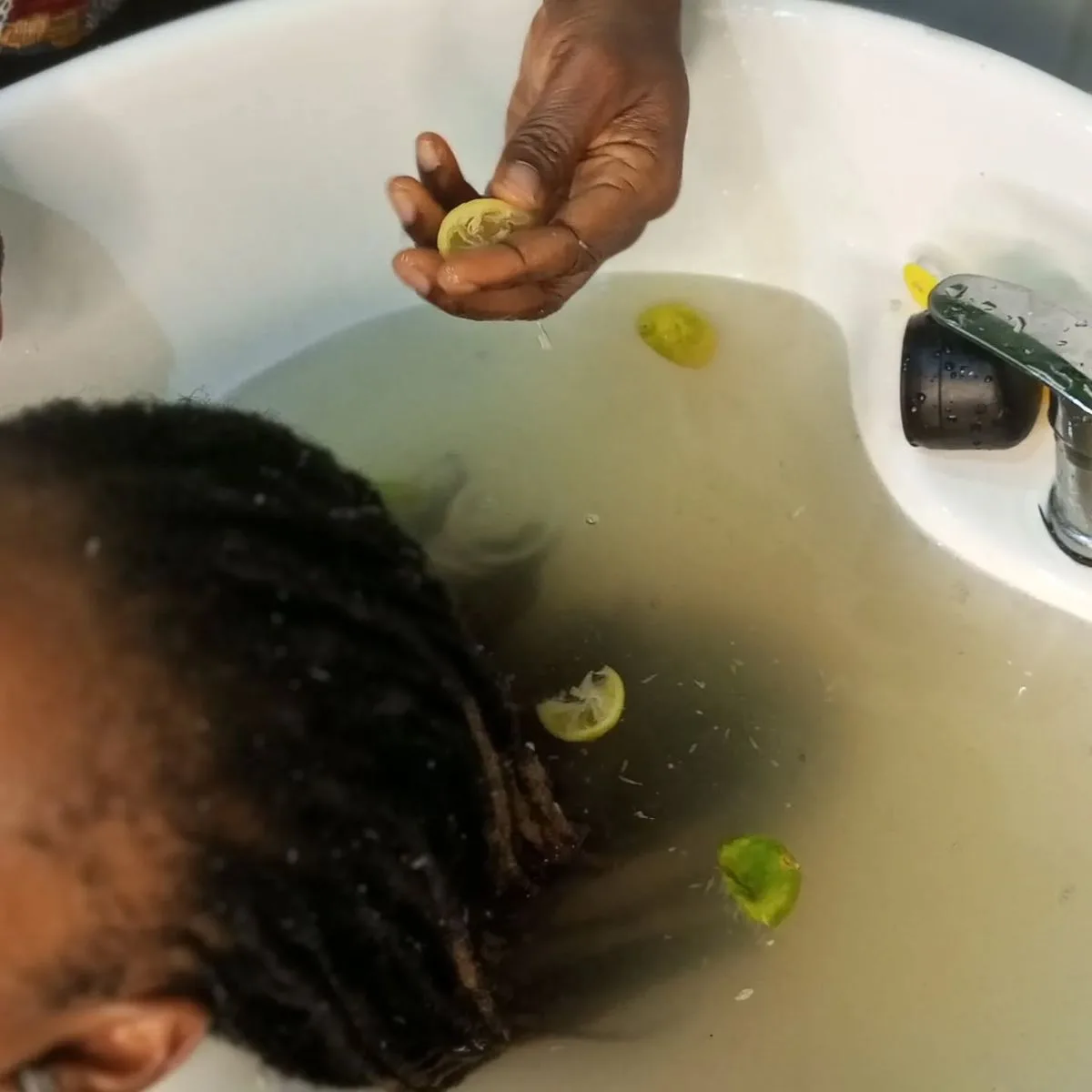
A basin, sink, or tub should be filled with warm water, and afterwards, either a diluted clarifying solution or apple cider vinegar should be added.
The solution has to be mild, not too strong, so that it will cause the hair to dry out.
The minerals in hard water are very adhesive, and they stick tightly to locs; thus, this soak helps soften and break down that residue so it can be lifted out of the hair structure.
3. Soak Your Locs For 15 To 30 Minutes
Immerse your locs in the detox solution completely and let them sit for 15-30 minutes. During this period, you might see dirty water or residue rise to the top, indicating that the detox process is effective.
Now and then, press your locs very softly while they are soaking to help release trapped buildup without risking aggressive pulling or twisting.
4. Gently Massage & Check Progress
While soaking your locs, give a gentle massage to the areas where buildup is most likely to accumulate, like at the roots or thicker parts.
Do not use harsh techniques as locs are more susceptible to damage when wet. Gentle treatment will make it harder for the residue to enter the locks, but will not affect the locks’ structure.
5. Rinse With Running Water Until Clean
When soaking ends, rinse locs with running, clean water until they are completely clean. This is a very important step, as the remnants of the detox solution and the loosened minerals can dry out the hair if not fully washed off.
Make sure the water runs clear and that your locs feel lighter and cleaner.
6. Moisture And Light Conditioning To Follow
Post-detox, wash your locs with moisture-rich, residue-free shampoo if necessary. Then spray with a light conditioning spray or apply leave-in moisturizer to restore moisture.
Detoxing may remove buildup, but it can also draw moisture out; thus, replenishing hydration is important for keeping your locs soft, pliable, and healthy.
7. Locs Should Be Dried Completely
Never skip the step of letting your locs dry completely after a detox. Wet locs can retain moisture, leading to odor or mildew.
If you can help it, do not use a hooded or low-heat dryer; air-dry the locs. Using a hooded or low-heat dryer can help ensure the locs are dried through and through.
8. Detox Only When Necessary
A loc detox for hard water should only occur when there is noticeable buildup and not too often. Dryness and gradually weaker hair are some of the repercussions of over-detoxing.
Balancing detox with preventive measures, such as using a shower filter and avoiding heavy products, is recommended to keep your locs clean and maintain their health during the treatments.
Read also: How to Make a Woman Fall in Love With You Naturally (No Games, No Pressure)
Aftercare Tips For Healthy Locs Post-Detox
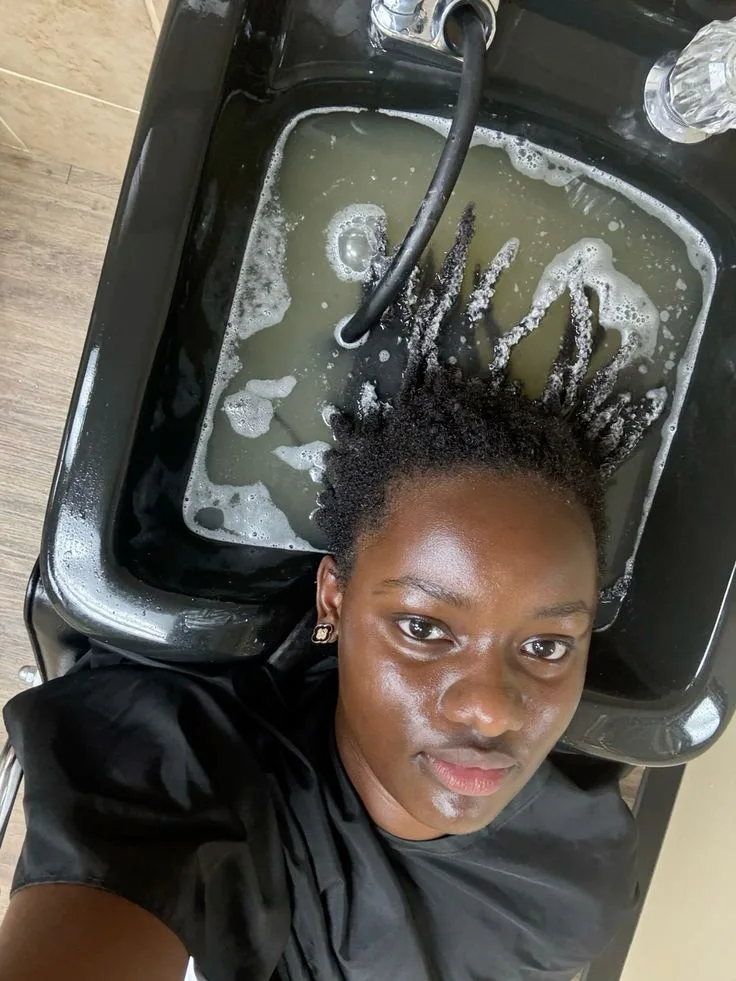
Your hair is fresh and highly receptive after a loc detox. Proper aftercare is crucial for protecting this reset and achieving long-term, healthy, lightweight locs.
1. Rehydrate Your Locs Immediately
Detoxifying the hair makes it, in this case, locs, more open and able to take in moisture more readily.
Focusing on hydration is, therefore, the best thing to do at this time. Water-based sprays, aloe vera juice, or light leave-in conditioners should be used to restore moisture lost during the detoxification process.
Early hydrating helps prevent dryness, brittleness, and frizz as the hair returns to its natural structure.
2. Use Lightweight Moisturizers And Natural Oils Sparingly
Opt for lightweight moisturizers that nourish your locs without weighing them down. Oils like jojoba, sweet almond, and grapeseed are great choices because they mimic the scalp’s natural oils.
Read now: Loc Longevity Treatments: How to Keep Locs Healthy for 10+ Years Without Thinning
Apply in small amounts and focus on sealing moisture in rather than soaking the hair. Even with natural products, overuse can lead to the loss of detox benefits.
3. Avoid Heavy Waxes, Butters, And Thick Creams
Heavy waxes, gels, and thick creams are among the main culprits of loc buildup. After a detox, your hair is clean and residue-free; introducing heavy products can quickly reverse that.
Stick to light formulations that are easily absorbed by the hair and rinsed out completely. This keeps your locs more breathable, flexible, and free of trapped particles..
4. Protect Your Locs From Hard Water Going Forward
Hard water is one of the most common causes of mineral build-up, which can happen even after a successful detox.
To safeguard your hair from further harm, installing a shower filter is one of the most straightforward ways.
A filter removes minerals like calcium and magnesium, which cause dryness and residue. The change is small, but the difference can be huge in the detox results and in the overall health of your hair.
5. Keep The Scalp Clean And In Balance
The scalp has to be healthy if you want healthy hair. Keep the scalp clean with a gentle, residue-free shampoo regularly. Use light oils or scalp serums afterwards to treat dryness or irritation.
The aim is balance, not excess. An overheated scalp, even with oils, can be just as dirty and cause buildup as a neglected one.
6. Carry Out Product Layering Sparingly Between Washes
After detoxing, less is more. Do not use too many products between washes, as this can lead to rapid residue buildup inside the locs.
Maintain a simple routine that combines hydrating, light oiling, and cleansing. This approach ensures that your locs are fresh, lightweight, and easy to care for.
7. Give Your Locs Time To Settle
Detoxing might slightly alter the texture and feel of your locs. Do not retwist or style heavily until your hair has had time to adjust.
Gentle handling minimizes stress on hair strands and allows your locs to regain their natural strength and structure.
Read also: 10 Best Romantic Movies for Couples to Watch Together Tonight
8. Be Consistent With Aftercare
It is the aftercare that really determines the length of the effects of a loc detox. Being consistent with hydration, light products, and clean water habits will keep your locs soft, strong, and free of buildup.
Using the right routine, the benefits of a hard water detox can last for several months.
Proper aftercare not only keeps a loc detox’s effects but also guarantees the long term health, shine, and preventability of locs.
Final Words
The loc detox for hard water is one of the essential steps in long-term loc care, especially for people living in areas with high mineral content in water.
Detoxification removes hidden buildup, enhances moisture retention, and gives the locs a lighter, healthier feel.
If it is done gently and at the right intervals, it will promote scalp health and loc longevity simultaneously.
With proper care and simple preventive steps, your locs can remain clean, balanced, and thriving, even in hard water.
Frequently Asked Questions About Loc Detox for Hard Water
1. How Do You Detox Your Locs?
Detoxing your locs is a deep-cleansing process to remove buildup from products, dirt, and minerals that regular shampoo may not wash out completely. The process usually starts with rinsing the locs thoroughly, then soaking them in warm water mixed with a gentle clarifying solution, such as diluted apple cider vinegar or a loc-safe clarifying shampoo.
During soaking, gently squeezing the locs helps remove trapped residue. After soaking, the hair is rinsed thoroughly, and then a light moisture is applied to restore balance.
2. Is hard water harmful to locs?
Hard water can, over time, be detrimental to locs. Hard water is full of minerals like magnesium and calcium that are difficult to remove from hair, and they readily get deposited in the loc structure.
This deposition of minerals, or, in other words, the accumulation of hard water, blocks the entry of moisture into the locs and thus causes them to feel dry, stiff, or heavy.
Also, scalp dullness and irritation can occur if clarifying and detoxing are not applied properly to manage this situation.
3. What can be removed from my locs?
To get rid of loc buildup, start with a residue-free or clarifying shampoo and make sure to rinse it out completely.
If there is a deeper buildup that a shampoo can’t handle, resort to a loc detox soak to help break down minerals and product residue captured inside the locs. Cutting down on heavy product use, avoiding waxes, and installing a shower filter will also help prevent the rapid return of the buildup.
4. Does baking soda help in loc detoxification?
Baking soda can help loosen the buildup, but it should be used very judiciously. It is highly alkaline, and if used without proper balancing, it can cause the hair to become dry.
If used, it first needs to be diluted, then followed by a conditioning or pH-balancing rinse. A lot of people prefer gentler options, such as clarifying shampoos or diluted apple cider vinegar, for safer, long-term loc care rather than baking soda.
5. How Often Should You Detox Locs From Hard Water?
A loc detox for hard water should not be done too often. For most people, once every 3 to 6 months is sufficient.
Using heavy products or living in an area with very hard water may cause you to detox slightly more often. Just like your hair and scalp, always listen to your body.
Regular clarifying washes between detox sessions can help reduce buildup without stressing the locs.