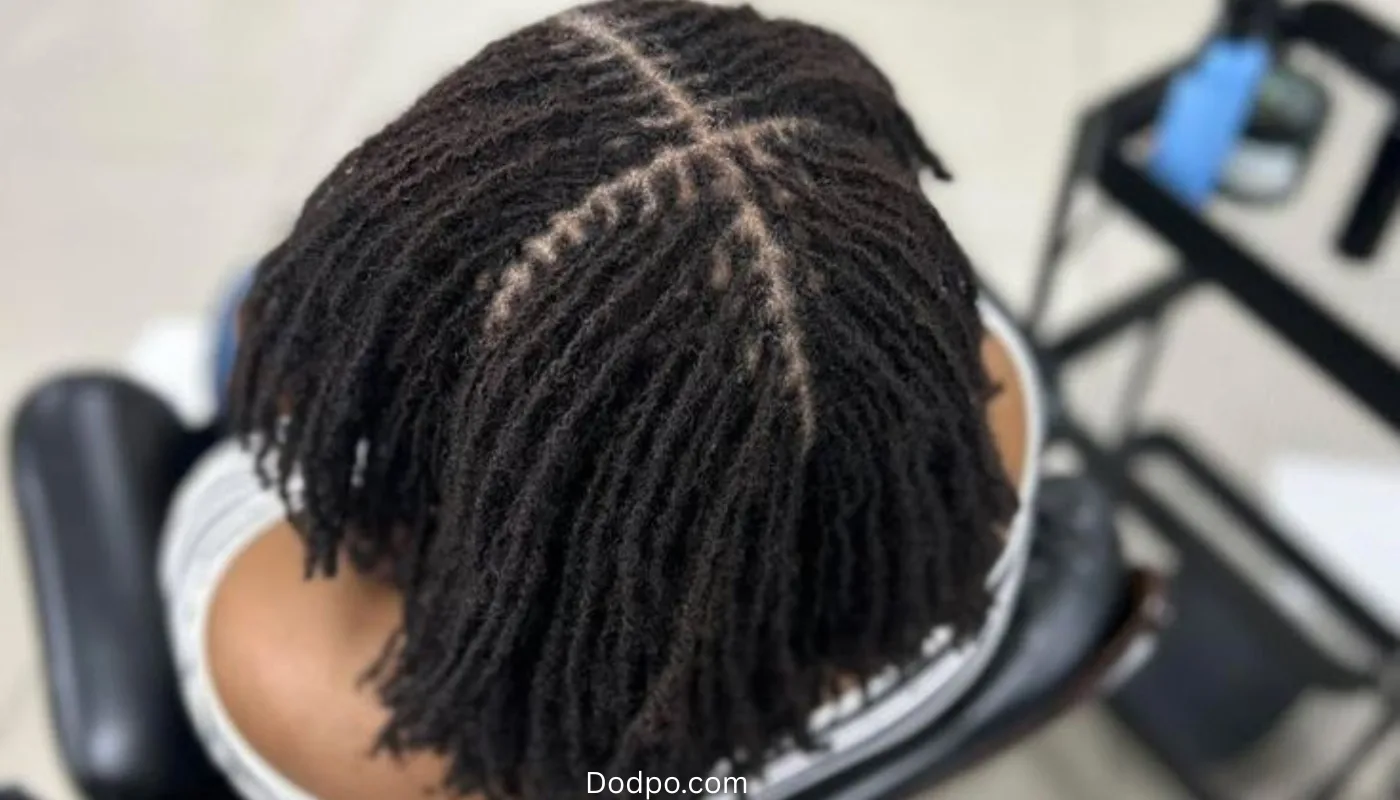
Locs are not just a hairstyle; they’re a long-term commitment, a lifestyle, and for many people, a deeply personal journey. While starting locs is exciting, maintaining healthy, full locs for 10+ years without thinning is where the real work begins.
Over time, poor habits, buildup, excessive tension, and neglect can slowly weaken locs until breakage becomes inevitable.
The good news? Loc thinning is not inevitable. With the right loc longevity treatments, mindful maintenance, and a deeper understanding of how locs evolve over time, you can preserve their strength, density, and beauty for decades.

The truth is, locs don’t automatically stay healthy just because they’re locs. Keeping them strong for 10 years or more without thinning requires intention, patience, and the right kind of care.
This is where loc longevity treatments come in; not as a trend, but as a long-term strategy for preserving the strength, density, and beauty of your locs as they mature.
In this guide, we’re moving past quick fixes and social media myths. You’ll learn why locs thin over time, how to protect your scalp and roots, and what truly supports long-lasting, healthy locs, whether you’re in year two or year twelve of your journey.
If your goal isn’t just long locs, but strong locs that last, you’re exactly where you need to be.
Why Locs Thin Over Time (And How to Prevent It)
Before diving into treatments, it’s important to understand why locs thin in the first place.
Read more: Frictionless Loc Sleeping Gear: Protect Locs While You Sleep
Thinning usually happens gradually, which is why many people don’t notice until the damage is advanced.
Common causes include:
- Tight retwists done too frequently
- Heavy styles that stress the roots
- Chronic dryness inside the loc
- Product buildup and hard water residue
- Neglecting scalp health
- Ignoring early signs of weakening
Loc longevity treatments work because they address these issues early and consistently, rather than reacting once damage is visible.
Essential Loc Longevity Treatments for 10+ Years of Growth
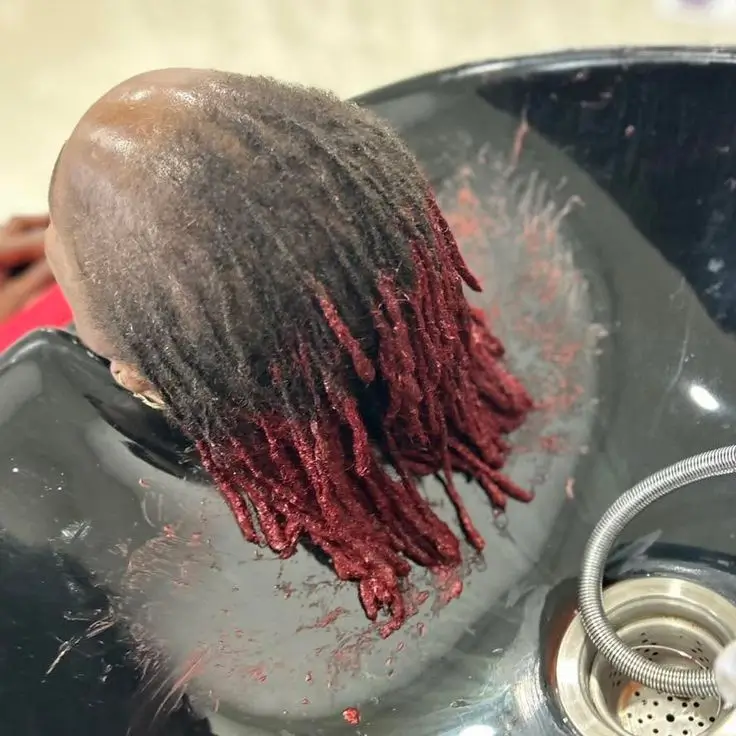
Healthy locs that last a decade or more aren’t the result of luck, they’re the result of consistent, intentional care.
As locs mature, their needs change. What worked in your starter or teenage loc phase may actually cause thinning, buildup, or breakage years down the line.
Longevity treatments focus on strengthening the foundation of your locs: the scalp, the roots, and the internal structure of each strand.
Read also: Loc Detox for Hard Water: Remove Buildup & Restore Healthy Locs
These treatments form the foundation of long-term loc health:
1. Scalp Detox and Clarifying Treatments
Your scalp is the soil your locs grow from. If it’s clogged, inflamed, or dry, your locs will eventually suffer.
Over time, locs trap:
- Product residue
- Sweat and oil
- Hard water minerals
- Environmental pollutants
Clarifying and detox treatments remove buildup that regular shampoo can’t reach.
Best Practices:
- Clarify every 4–6 weeks
- Use apple cider vinegar, bentonite clay, or professional loc detoxes
- Follow detoxes with deep hydration
Why it matters: Buildup hardens locs, blocks moisture, and weakens roots, leading to thinning and breakage years later.
2. Moisture Retention (Not Just Moisture Application)
One of the biggest loc myths is that oil equals moisture. It doesn’t.
Water is moisture. Oils only seal it in.
Longevity-focused moisture care ensures hydration penetrates the loc shaft and stays there.
Healthy Moisture Routine:
- Light water-based sprays or aloe juice
- Follow with lightweight oils (jojoba, grapeseed, avocado)
- Avoid heavy butters that cause buildup
Dry locs become brittle internally, even if they look shiny. Over time, this internal dryness leads to weak, hollow-feeling locs that snap easily.
Check out: 20 Clear Signs of a Man in Love You Can’t Ignore
3. Low-Tension Retwist and Maintenance Schedules
Retwisting too often is one of the top causes of loc thinning, especially at the crown and hairline.
Longevity Retwist Guidelines:
- Retwist every 6–8 weeks (or longer for mature locs)
- Avoid palm-rolling daily
- Skip styles that pull on fresh retwists
Your locs do not need constant tightening to be neat. In fact, less manipulation equals stronger roots.
4. Root Strengthening and Scalp Stimulation
As locs get longer and heavier, the roots carry more weight. Without proper care, this stress can lead to thinning or traction alopecia.
Longevity Treatments That Help:
- Weekly scalp massages
- Rosemary, peppermint, or castor oil treatments (used sparingly)
- Inversion massages to boost circulation
Strong roots are the difference between locs that last 5 years and locs that last 20.
5. Buildup Prevention Inside the Loc Shaft
Unlike loose hair, buildup in locs doesn’t slide out, it gets trapped.
Signs of internal buildup:
- Locs feel stiff or heavy
- White residue appears after washing
- Locs won’t absorb moisture
Prevention Tips:
- Use residue-free shampoos
- Avoid waxes, gels, and thick creams
- Rinse thoroughly (especially with hard water)
Longevity treatments always prioritize clean locs over shiny locs.
Loc longevity isn’t about doing more; it’s about doing what actually works over time.
When you treat your locs like a long-term commitment instead of a short-term style, you give them the best chance to stay thick, healthy, and thriving for 10+ years and beyond.
How Often Should You Do Longevity Treatments?
Consistency matters more than intensity.
Ideal Schedule:
- Clarify: Monthly
- Moisturize: 2–3 times per week
- Scalp massage: Weekly
- Retwist: Every 6–8 weeks
- Detox: Every 2–3 months
Longevity care is about sustainable habits, not extreme routines.
Signs Your Locs Are Thriving Long-Term
Healthy locs show signs long before damage appears.
See also: Wedding Nails for Bride: Elegant & Timeless Designs for the Big Day
Positive indicators:
- Locs feel flexible, not brittle
- Minimal breakage during maintenance
- Even thickness from root to tip
- Scalp feels calm and balanced
If your locs still feel strong after several years, your longevity treatments are working.
Common Mistakes That Shorten Loc Lifespan
Avoid these if you want locs for life:
- Retwisting too frequently
- Using heavy products regularly
- Ignoring hard water effects
- Styling for aesthetics over health
- Waiting until thinning is visible
Longevity is proactive, not reactive.
Final Thoughts: Loc Longevity Is About Listening, Not Forcing.
Keeping your locs healthy for 10+ years isn’t about chasing trends, copying someone else’s routine, or striving for perfection. It’s about learning to listen to your hair, honoring its changes, and adjusting your care as it grows with you.
Loc longevity treatments are acts of patience and self-respect. They remind you that your locs don’t need to be rushed, pulled, or overloaded to be beautiful.
When you care for your scalp, protect your roots, and nourish your locs from the inside out, thinning becomes the exception, not the rule.
Your loc journey is long, and that’s a good thing. With the right habits, your locs won’t just survive the years, they’ll thrive through them.
Read more: Freeform Loc Separation Techniques for Healthy Natural Locs
Frequently Asked Questions About Loc Longevity Treatments
1. Can locs really stay thick and healthy for over 10 years?
Yes, absolutely. Locs don’t thin just because they’re old; they thin because of how they’re treated over time. When you prioritize scalp health, moisture balance, low tension, and proper cleansing, locs can remain full and strong for decades.
Many people with 15–30 year-old locs will tell you the same thing: longevity is about consistency, not perfection.
2. How do I know if my locs are starting to thin?
Early thinning usually shows up at the roots first. You might notice locs looking skinnier at the base, increased shedding, soreness after retwists, or breakage around the crown or hairline.
Catching these signs early is key, small changes in routine can make a big difference before thinning becomes permanent.
3. How often should I do loc longevity treatments?
Longevity care works best when it fits into your lifestyle. In general:
- Moisturize lightly a few times a week
- Cleanse or clarify every 4–6 weeks
- Detox every 2–3 months
- Retwist no more than every 6–8 weeks
It’s not about doing more, it’s about doing what your locs actually need.
4. Can I still style my locs and keep them healthy?
Yes, you can enjoy styles, just choose wisely. Protective, low-tension styles help preserve your roots, while heavy, tight, or long-lasting styles can slowly weaken them.
If a style causes pain, soreness, or tension, your locs are already telling you it’s not worth it.
5. Do mature locs need different care than starter locs?
They do. Mature locs are heavier and less flexible at the roots, so they need gentler handling, less frequent retwisting, and deeper cleansing to prevent buildup inside the loc. What helped your locs form in the beginning may actually harm them later if not adjusted.
6. Is buildup inside locs really that serious?
Yes. Buildup trapped inside locs can block moisture, cause stiffness, weaken strands, and eventually lead to breakage. Clear, lightweight products and regular clarifying treatments are essential for long-term loc health.