If you’re planning to revamp your locs or create a new set in 2026, knowing how to locate locs parting patterns is very important.
Your hair parting has a direct impact on the overall look, the growth pattern, and even the difficulty of maintenance.
The right parting style you choose gives your locs a neat, uniform, and stylish appearance while still allowing you to express your personality.
Lock parting patterns are not only about looks; they also affect how your locks mature over time. The right pattern can relieve scalp tension, support growth, and facilitate styling every day.
 Source
With a few thoughtful ideas, you can pick a pattern that complements your face shape, your hair type, and your overall lifestyle.
Loc Parting Patterns 2026: Styles That Are Trending and Functional
1. Square or Box Parting

Square or box parting is one of the most favoured and adaptable options for locs. Hair is separated into neat squares, creating locs of equal size that grow at the same rate over time.
Read also: What Causes Lint in Locs? The Real Reasons & Proven Solutions in 2026
This pattern works for all loc sizes; it doesn’t matter if you love thin, delicate locs or thick, chunky ones. Square parting can evenly distribute tension across the scalp, helping prevent strain and promote healthy hair growth.
It’s a classic option that looks great with both casual and formal styles; hence, it is perfect for those who prefer a classic, clean, and organized look.
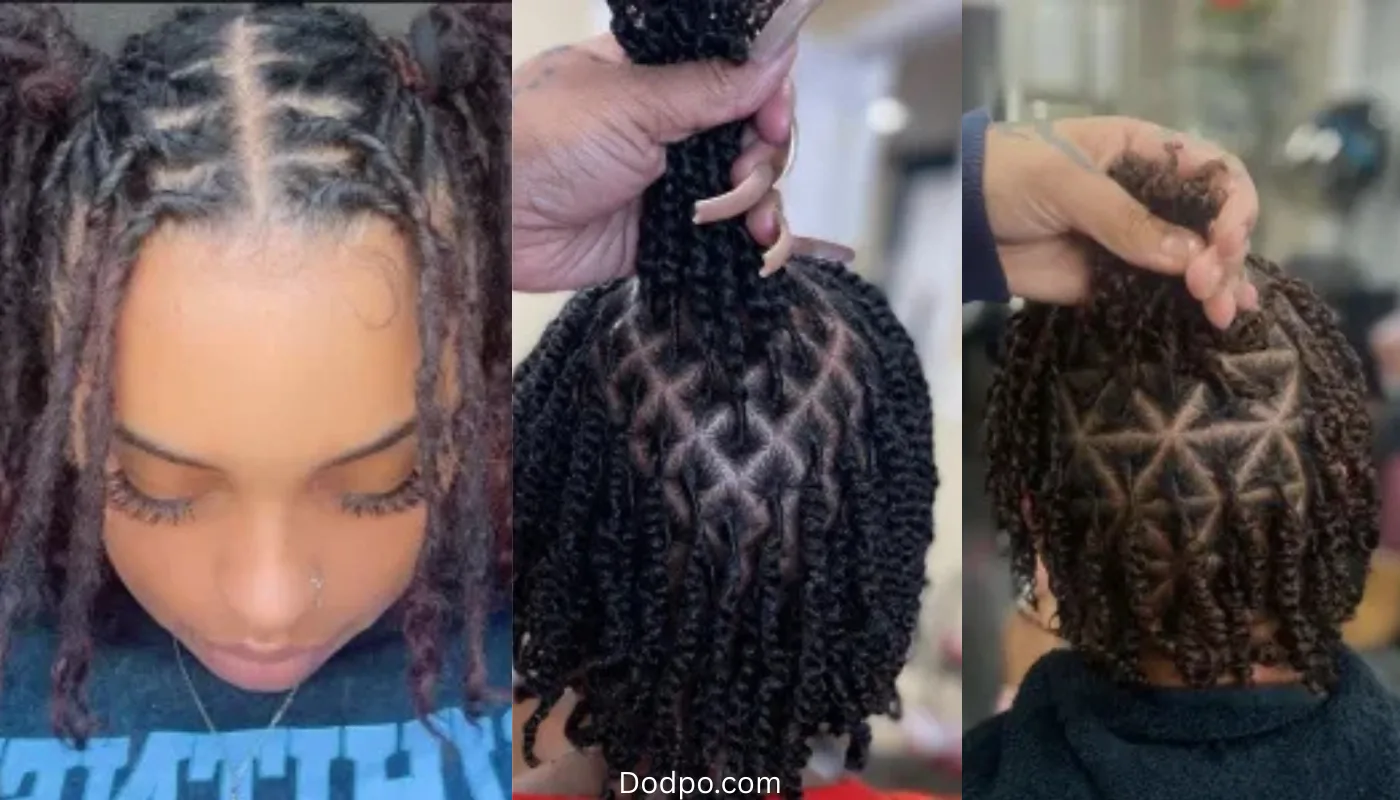
2. Triangle Parting

Triangle parting makes locs look trendy and adds a unique, modern touch. Instead of creating squares, hair is separated into triangular sections, which can help reduce pressure points on the scalp and create a more varied visual texture.
This technique is suited mainly to medium- to long-length locs, making a subtle statement without being overly loud.
Triangle parting is great for brides, professionals, or anyone looking for a neat, polished finishing touch with a modern twist on traditional loc styles.
3. Diamond Parting

Diamond parting is one of the most creative options for those who like the idea of their locs having more than one layer through the sides.
Sections are set up in diamond shapes, creating a beautiful symmetry that makes every single loc distinct.
The pattern is especially good for medium to thick hair and is often selected for special events or photo shoots due to its elaborate appearance.
Read also: Loc Detox for Hard Water: Remove Buildup & Restore Healthy Locs
Diamond parting adds a stylish element while remaining easy to manage for daily styling. This is suitable for anyone who wishes their locs to accompany both fashion and function.
4. Circular or Spiral Parting
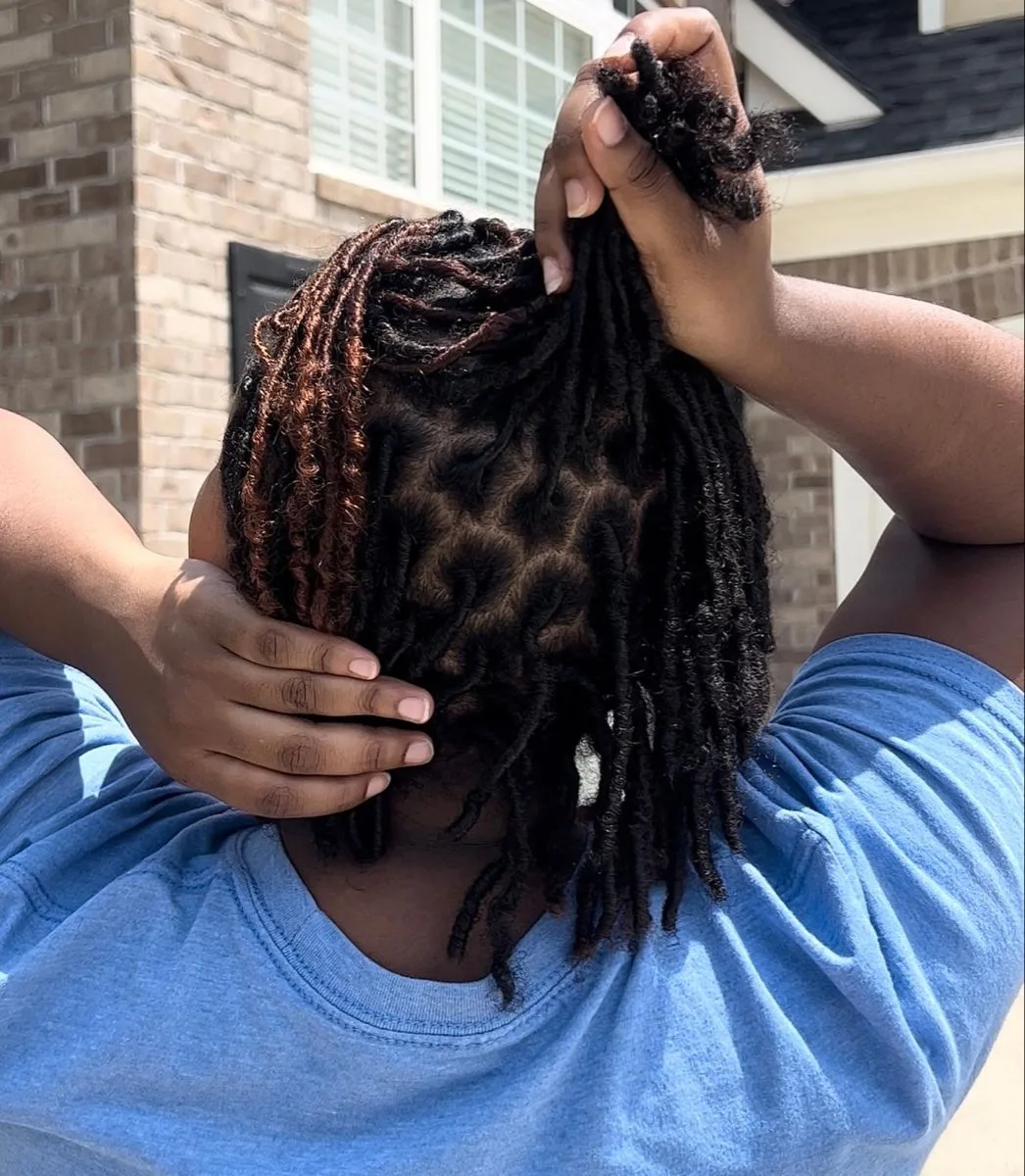
Circular or spiral parting has a central point on the scalp, then extends outward to form a bold pattern. This hair design is frequently chosen for newly started locs because it allows the central area to grow evenly, creating a strong visual impact.
Spiral parting is suitable for making smaller locs and allows the wearer to do playful styling such as twisting, updos, or half-up styles.
It’s perfect for people who are creative and make a statement with their hairstyles, while embracing geometric art.
5. Freeform or Organic Parting
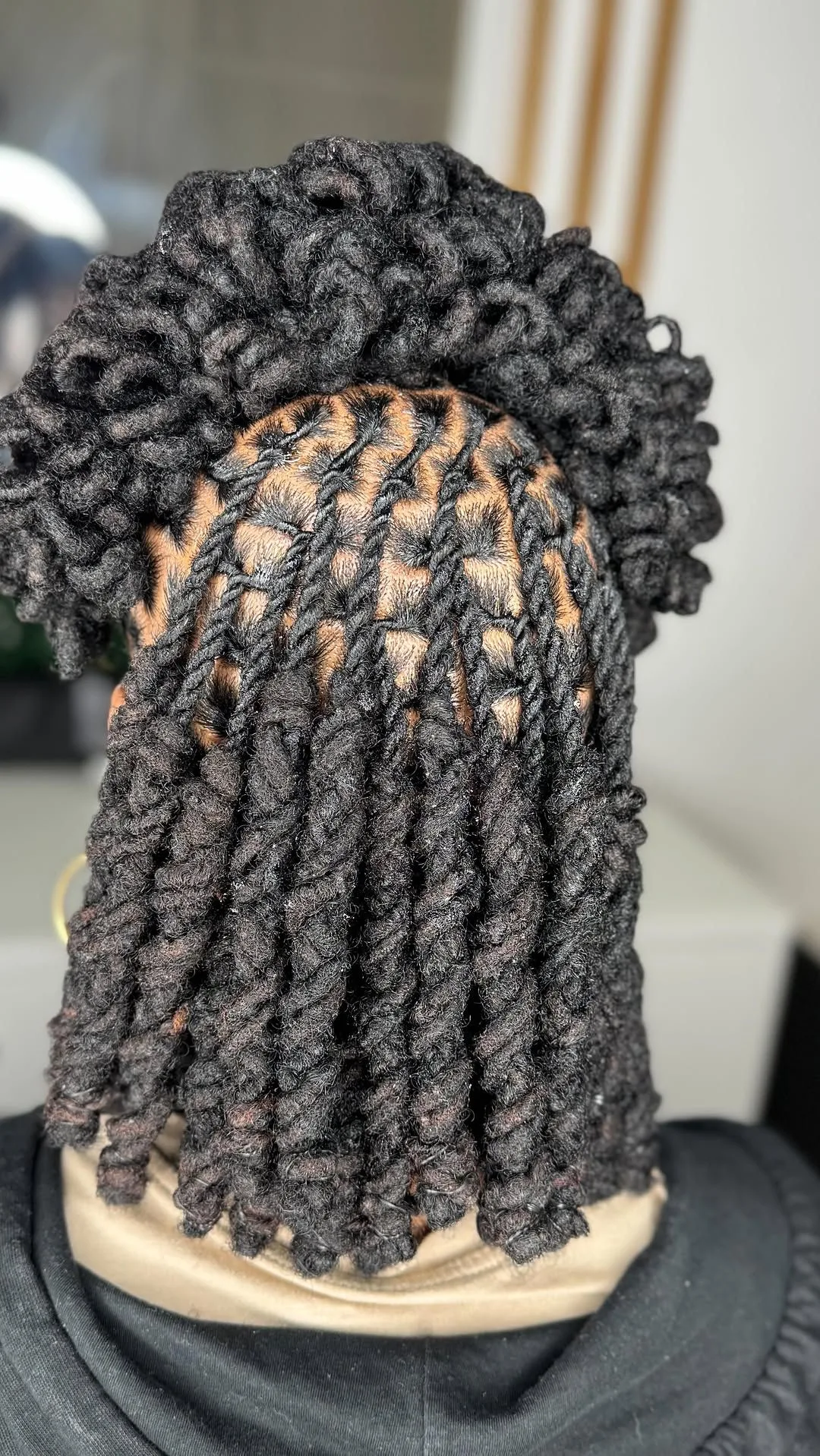
Freeform or organic parting gives a natural and effortless look. Not until the strict grids or geometric divisions of hair are the natural turfs and patterns used when hair grows.
The low-maintenance lifestyle is the best option for those who detest hassle and prefer artistic, relaxing vibes.
Freeform locs allow individual creativity and, at the same time, promote healthy growth, which is a good differentiating factor.
Gradually, this pattern can get a beautiful, natural flow that mirrors the wearer’s personality and lifestyle without requiring constant maintenance.
6. Grid Parting With Patterns
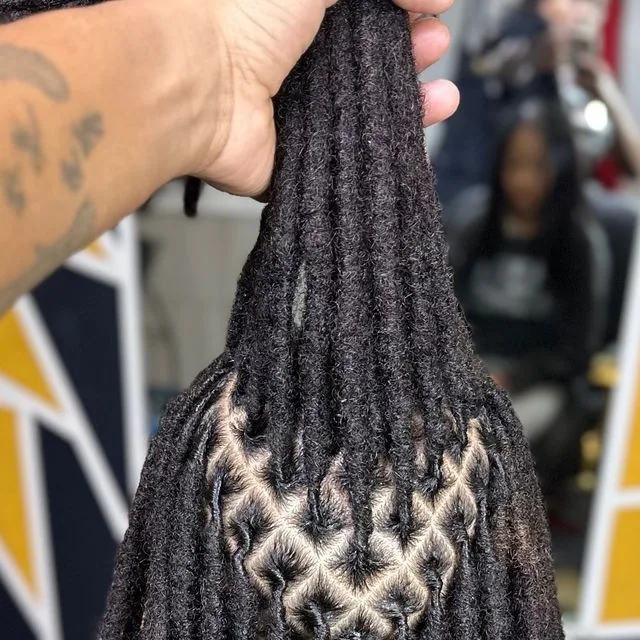
Grid parting with patterns is another option that can create a modern, fashion-forward look. It means starting with a typical grid and incorporating inventive shapes such as zigzags, swirls, or asymmetrical designs.
It is a perfect choice for those who want their locs to be very visible while still not having too much trouble.
By using patterned grids, one can not only make daily styling more interesting but also express their personality or align with a certain aesthetic, such as edgy, artistic, or professional.
7. Side-Part Locs

Locs with a side part are asymmetrical and very flattering for framing the face. One can opt for a side part and use either square or triangular sections to create a polished yet contemporary look.
The side part is suitable for a range of hairstyles, from locs to elegant buns, ponytails, or braids.
This option gives your overall appearance a flattering angle, making it right for casual days, formal events, or creative styling experiments.
8. Center-Part Locs

The traditional centre part is the best choice if you want to have locs that are balanced and symmetrical.
It goes smoothly with both short and long locs and is often chosen for formal or professional settings.
Centre-parted locs are great for upsweeps, half-up, half-down hairstyles, and any look that requires symmetry.
This classic option works with almost all face shapes and pairs well with a wide range of accessories and outfits.
9. Zigzag Parting
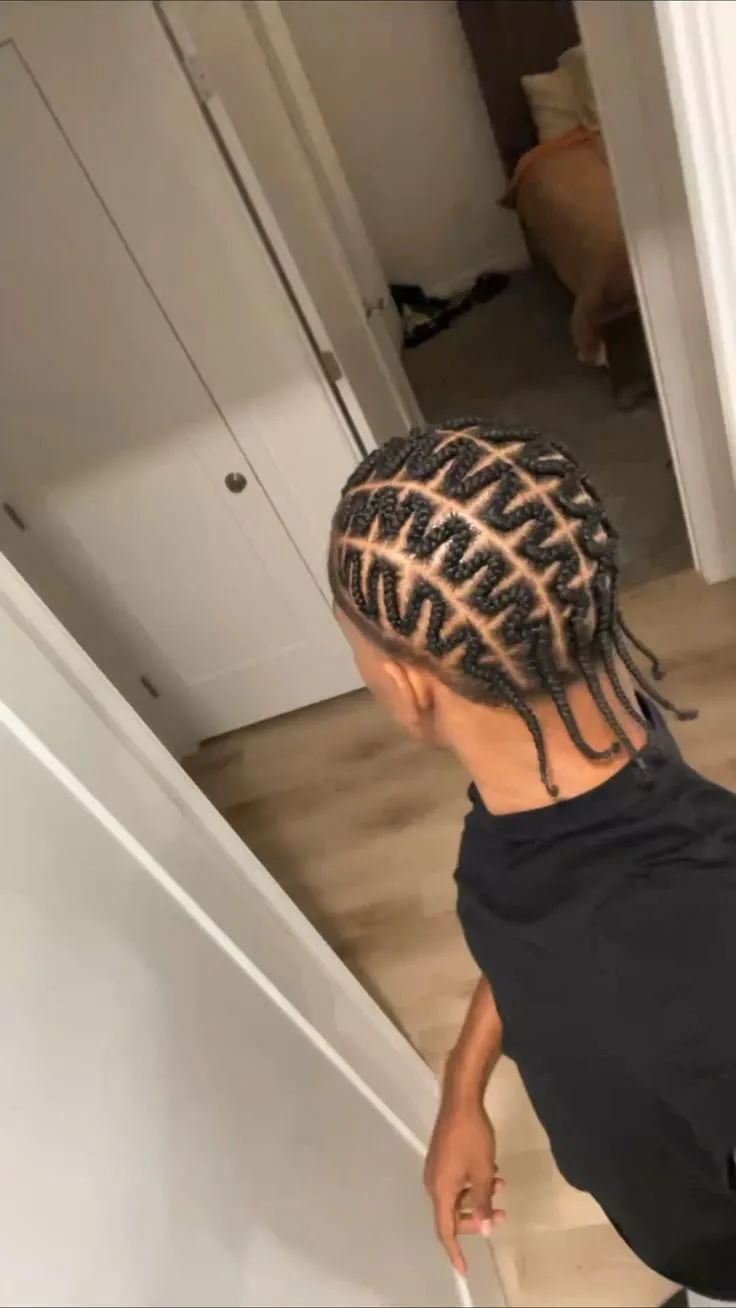
A zigzag parting not only adds to the locs but also gives them movement and life. The zigzag pattern does not create the same effect as straight lines do, but it creates a playful, moody atmosphere that draws attention.
The medium to long lock is the perfect choice for this style, and coloured locs, highlights, or even ombre can be beautifully combined with it. Zigzag parting is the top pick for those who want to combine daring fashion with easy upkeep.
10. Diagonal Parting
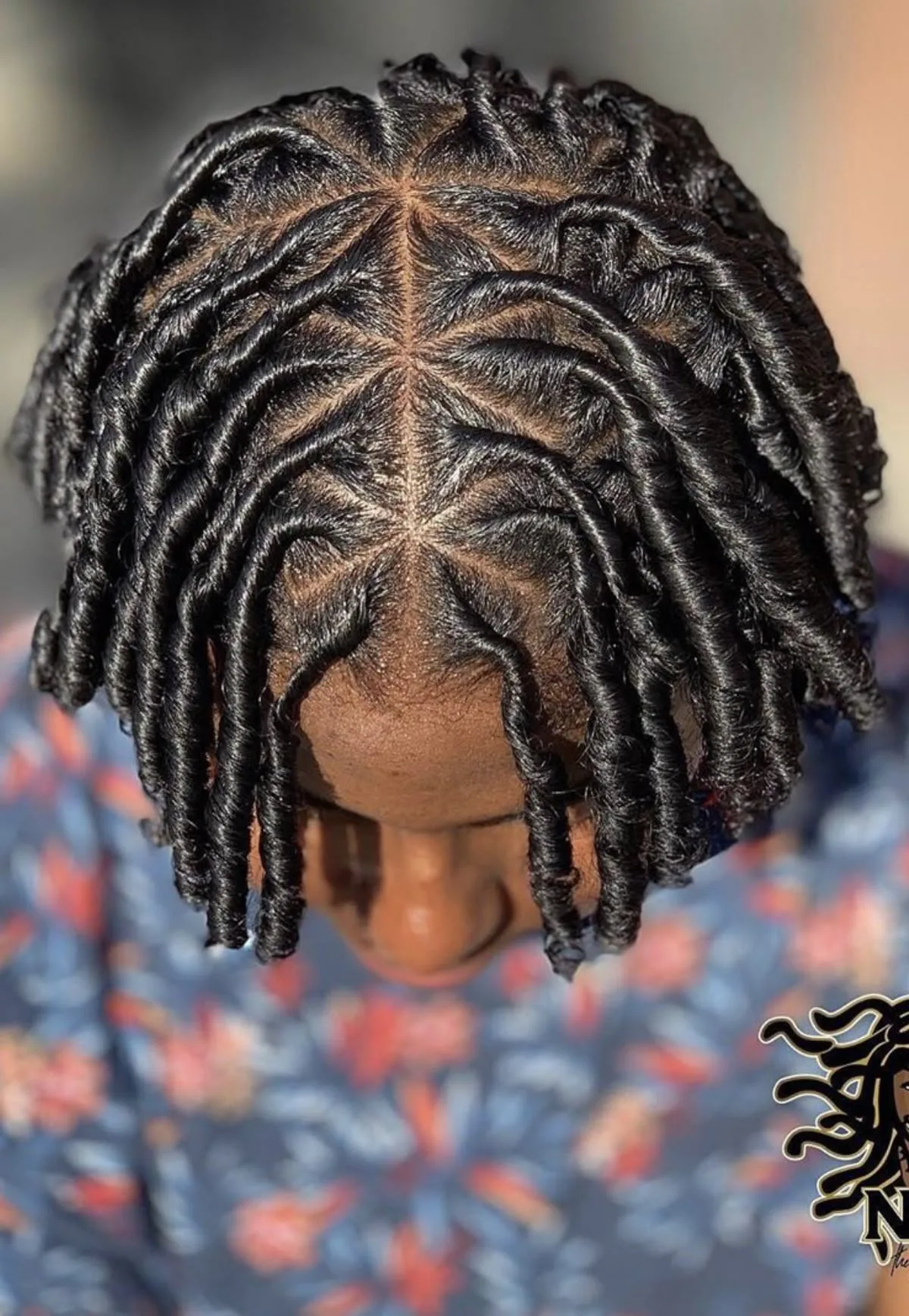
The diagonal parting makes it possible for the locs to flow in a slanted manner as if they are in a direction of their own, bringing about the illusion of motion and vitality.
This pattern maintains the practicality and easy upkeep of traditional grid styles while reducing their uniformity. Diagonal locs are very effective at reducing scalp tension compared to strict vertical lines, and they are also very modern.
This parting style is universal and can be used with any hair length or texture; it is particularly suitable for those who want a slightly different look in their locs that is stylish yet very subtle.
Read also: Loc Longevity Treatments: How to Keep Locs Healthy for 10+ Years Without Thinning
Tips for Choosing the Right Parting Pattern
1. Consider Your Face Shape
Your face shape might affect the choice of loc parting patterns that will be most beneficial. For instance, side or diagonal parting can help elongate round faces, soften angular jawlines, or highlight cheekbones.
Centre pairs usually create symmetry, which is great for oval or heart-shaped faces.
By choosing a parting pattern that aligns with your facial features, you can draw attention to your natural beauty and, at the same time, ensure your locs frame your face in the most flattering way.
2. Hair Density Matters
The thickness or density of your hair will play a major role in selecting the parting patterns that are most suitable.
Thick hair can support elaborate styles, such as diamond or circular parting, thus opening the possibility of daring and artistic performances without the risk of breaking or pulling the hair.
On the contrary, fine hair might benefit more from square or triangular sections, which provide support without putting too much stress on individual locks.
Selecting a pattern that matches your hair density not only promotes healthy growth but also makes styling easier in the long run.
3. Lifestyle and Maintenance
Your daily routine and maintenance preferences should determine the parting pattern you choose.
Freeform or organic parting is low-maintenance and allows locs to grow naturally, making it ideal for busy schedules or those who prefer a relaxed look.
Precise grid patterns, such as square or diamond parting, require regular upkeep to maintain clean lines and symmetry.
Think about how much time and effort you are willing to invest in maintenance before you settle on a particular style.
4. Future Styling
Consider how you will probably wear your locs every day. Certain parting styles facilitate achieving particular hairstyles.
For example, side-parted or diagonal locs can make updos and half-up hairstyles simpler; on the other hand, circular or spiral patterns permit more imaginative styling with twists or buns.
Thus, selecting your parting style based on your styling objectives ensures adaptability and keeps your locs looking intentional and well-groomed in all situations.
5. Consult a Professional
However, it is always good to ask a stylist who knows how to work with locs for advice. The professional will be able to analyse the condition of your hair and scalp, your hair texture, and your future goals to identify the parting pattern that suits you best.
Also, they can provide proper installation and maintenance details, along with styling tips, to keep your locs healthy and nice-looking over time.
An expert consultation minimises errors, maintains hair health, and guarantees your locs will flourish just as you picture them.
Final Words
These Loc Parting Patterns 2026 offers a wide range of choices that are not only functional but also stylish for everyone who wants to start or refresh their locs.
No matter if you are a fan of classic, minimalist, or artistic designs, the right pattern can make your locs more attractive and, at the same time, support their healthy growth.
Caring parting will make your loc journey not only a matter of style but also of care and longevity.
Frequently Asked Questions About Loc Parting Patterns 2026
1. What is the best parting pattern for locs?
The answer to this question varies for each individual, as it depends on hair type, density, and personal preference.
Among the different parting patterns, square (box) parting is the most versatile and widely used, as it creates uniform locs and is also easy to maintain.
Triangle and diamond patterns are perfect for adding uniqueness and style, while freeform or organic parting offers a more natural, low-maintenance look.
In the end, the best pattern is the one that combines conviction, hair health, and ease of styling.
2. Does parting matter with locs?
Yes, parting is very significant because it affects the locs ‘shape, size, and positions. If a clean, consistent parting pattern is followed, the locs will look neat and uniform, require less scalp tension, and maintenance will be easier.
On the contrary, uneven or poorly planned parting skin can lead to irregular loc sizes, uneven growth, or even stress on certain areas of the scalp.
Thus, while it is a matter of hygiene and future health, choosing the right pattern for your hair type and lifestyle is quite significant for maintaining the style and health of your scalp.
3. Which loc method locs faster?
Hair locking through the two-strand twist, comb coil, or interlocking methods is considered the quickest for mature locs compared to freeform methods.
These methods allow the hair to lock more rapidly as they give structure right from the start, so the hair is either tightly twisted or interlocked.
In contrast, freeform locs take longer since the hair is allowed to lock naturally with minimal manipulation. Your choice should factor in both the pace and the appearance you desire for the locs.
4. Is 100 locs a lot?
It is very subjective to consider hair density and thickness when having 100 locs. For extremely thick hair, one hundred locs may seem like a moderate number, while for fine hair, it can look very full and thick.
The loc count affects maintenance, styling, and the perception of how heavy the locs might feel. Most women strive for a size of locs that is both manageable and, at the same time, will not compromise on the volume or coverage.