
This Post Will Show You 15 Spring Cleaning Hacks That Actually Work (Real-Life Tips).
Every year, I tell myself I will approach spring cleaning differently.
Not dramatically or obsessively, just intentionally.
However, in the past, I often started strong and burned out halfway through. I would clean one corner deeply, then lose motivation entirely.
Eventually, I realized the problem was not laziness. Instead, it was strategy.
Once I began using simple, realistic cleaning hacks that actually worked, everything changed. Cleaning stopped feeling overwhelming and progress felt visible.
Most importantly, my home began to feel lighter without draining my energy.
If you want spring cleaning to feel doable this year, these 15 hacks will genuinely help.
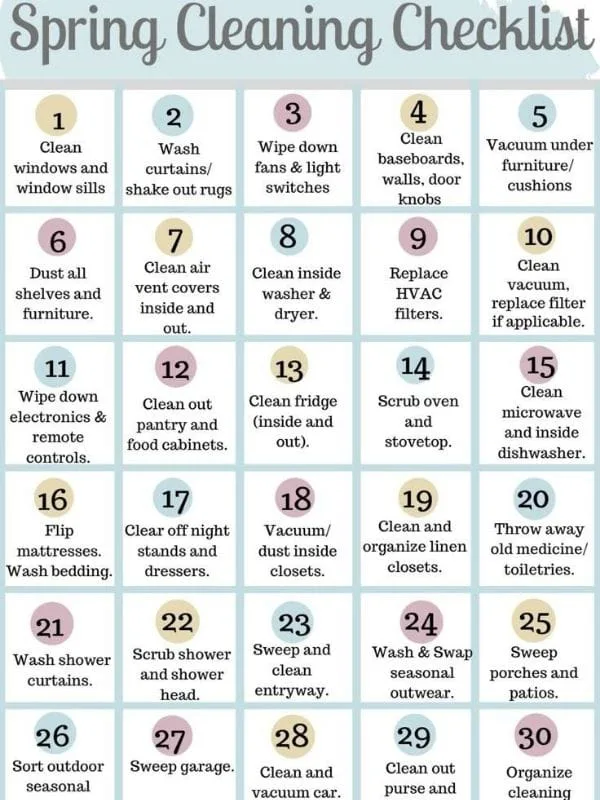
This article dives into 20 Spring Home Refresh Ideas on a Budget to Instantly Transform Your Space
Why Spring Cleaning Feels Overwhelming (And Why That’s Normal)
Spring cleaning sounds simple in theory. Open the windows, clear the clutter and reset the atmosphere.
However, once you begin, the emotional weight tends to surface. Because spring cleaning is rarely just about dust.
Instead, it becomes a confrontation with postponed decisions, unfinished intentions, and accumulated “deal with it later” items. As a result, what should feel refreshing can quickly feel heavy.
1. Visual Clutter Triggers Mental Overload
For many people, the overwhelm begins with visual chaos. When every surface holds something, the brain struggles to prioritize. Consequently, decision fatigue sets in before the first drawer is even emptied.
Research in environmental psychology consistently connects cluttered environments to increased stress responses. Therefore, the tension you feel while staring at a messy space isn’t dramatic, it’s neurological.
In other words, your brain reads clutter as unfinished business.
2. Too Many Micro-Decisions at Once
Spring cleaning demands constant choices:
- Keep or discard
- Repair or replace
- Store or donate
Individually, those decisions appear small. Collectively, they create friction. Over time, that friction compounds into exhaustion.

Moreover, each item carries context. Clothing represents different seasons of life. Paperwork holds unresolved tasks. Gifts contain emotional layers.
Thus, decluttering can feel like identity management rather than simple organizing.
3. Unrealistic Expectations Increase Pressure
Social media often shows spotless pantries and perfectly folded linen closets. Meanwhile, real life includes work schedules, family demands, and limited energy.
Because of that contrast, comparison creeps in. As expectations rise, confidence decreases. Eventually, pressure replaces productivity.
When people believe everything must be finished in one weekend, avoidance becomes protection. Rather than starting small, they delay entirely.
4. Emotional Attachments Complicate Letting Go
Beyond the physical effort, emotional resistance plays a role.
Old documents preserve memories. Clothing reflects past versions of ourselves. Broken items represent money already spent. Therefore, discarding something can feel wasteful or sentimental.
Additionally, guilt often appears. “What if I need this later?” becomes the internal script. Consequently, storage spaces become holding zones for unresolved decisions.
5. Energy Mismanagement Creates Burnout
Deep cleaning requires lifting, bending, scrubbing, and sorting. Without pacing, energy declines rapidly. Once fatigue sets in, motivation follows.
Furthermore, large undefined projects feel endless. Endless tasks feel impossible. Because of this, procrastination feels safer than beginning.
Importantly, disruption of routine can also trigger resistance. Routine provides stability. Disruption feels uncertain.
However, none of this means you lack discipline.
On the contrary, overwhelm signals that your system needs adjustment.
When you identify the real causes, decision overload, unrealistic expectations, emotional attachment, and energy depletion, the process becomes strategic rather than chaotic.
- Instead of asking, “Why can’t I handle this?”
- Ask, “What structure would make this easier?”
That shift reframes everything.
Let’s get into 15 Spring Cleaning Hacks That Actually Work (Real-Life Tips).
This post explains 12 Easy Spring Decor Ideas for Small Apartments That Make a Big Impact
15 Spring Cleaning Hacks That Actually Work (Real-Life Tips)
1. Start With the 15-Minute Rule
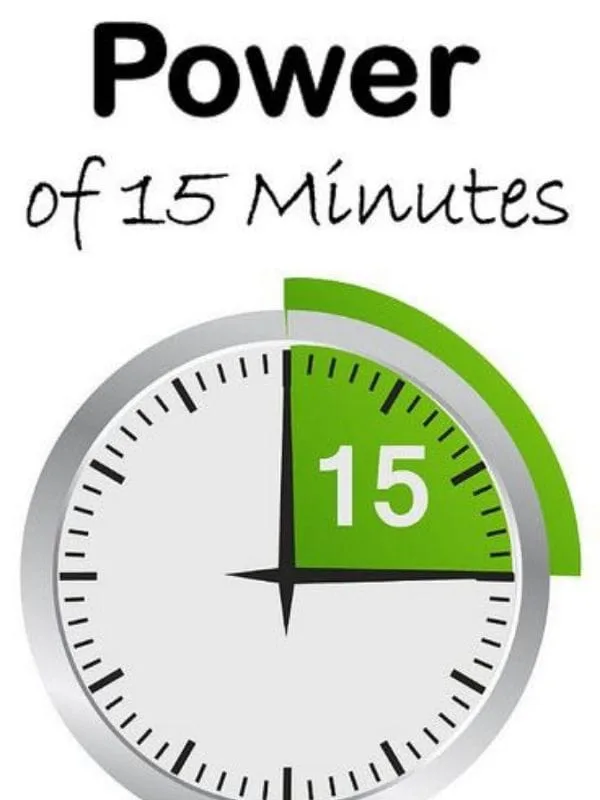
Whenever I feel resistance, I set a timer for 15 minutes. That is all.
During that time, I focus on one area only. Once the timer rings, I either stop or continue if momentum builds.
Because short bursts reduce mental pressure, I rarely procrastinate.
Additionally, visible progress builds confidence quickly.
You may enjoy reading Zero-Waste Apartment Hacks for Beginners: Easy Eco Tips That Actually Work
2. Declutter Before You Deep Clean
Previously, I cleaned around clutter.
Now, I remove unnecessary items first.
For example, before wiping shelves, I empty them entirely. Then, I decide what stays and what goes.
Consequently, cleaning becomes easier and faster.
Furthermore, less clutter means less future maintenance.
If you are looking to understand How to Style Your Bedroom for Spring: A Fresh, Light & Calm Reset
3. Use the “One Basket” Method
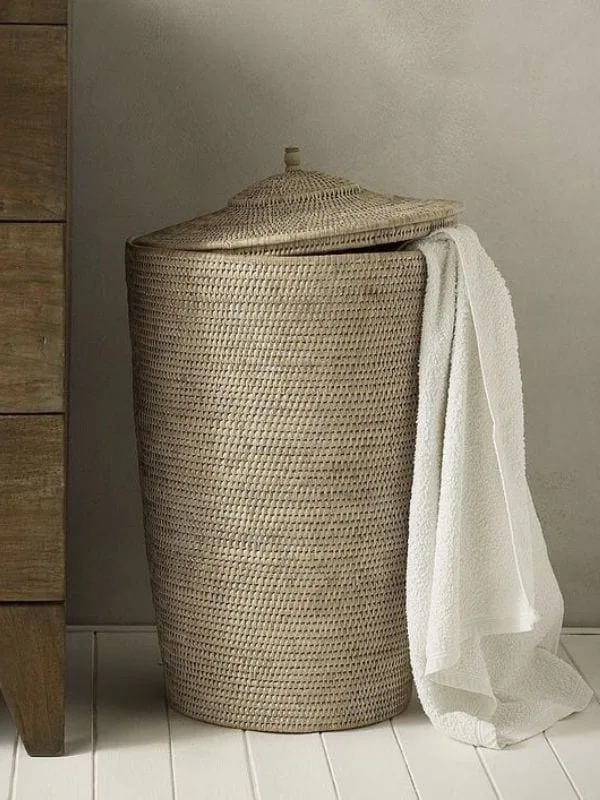
Instead of running back and forth between rooms, I carry one basket.
As I move through the house, I place misplaced items inside. Afterward, I redistribute everything at once. Because this reduces distraction, I stay focused longer.
Moreover, it prevents unfinished tasks from multiplying.
For more insight 15 Home Decor Ideas for a Cozy Aesthetic (Simple Ways to Make Your Space Warm & Welcoming)
4. Clean Top to Bottom
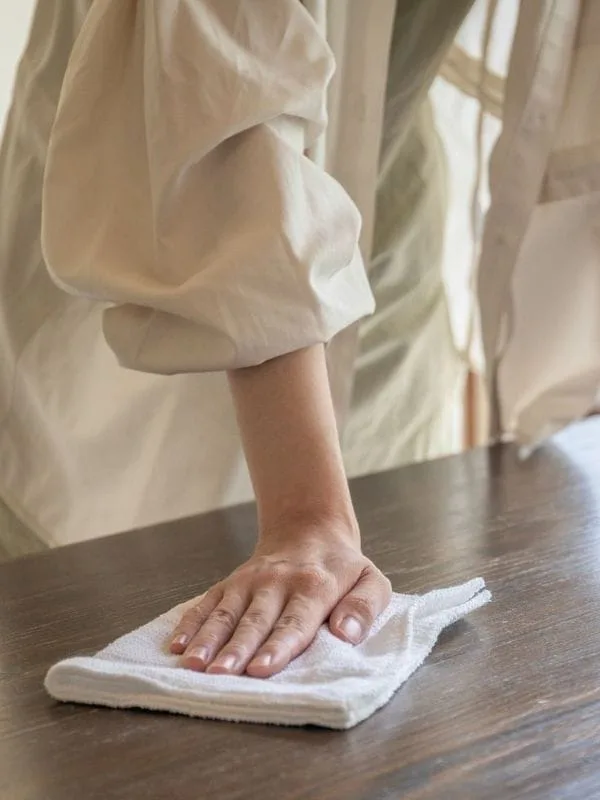
Gravity matters and as such, I always start with higher surfaces.
- First, I dust ceiling fans.
- Next, I wipe shelves.
- Then, I clean counters.
- Finally, I vacuum or mop floors.
As a result, dust does not resettle on cleaned areas.
Here’s a closer look at 15 Budget-Friendly Thrift Home Decor Ideas for Small Apartments
5. Tackle One Category Per Day

Rather than cleaning by room, I sometimes clean by category.
For instance:
- Monday: Clothing
- Tuesday: Paper clutter
- Wednesday: Kitchen drawers
- Thursday: Bathroom cabinets
Because this approach eliminates repetition, it feels systematic.
Additionally, similar items become easier to compare and declutter.
6. Open Windows While Cleaning

Fresh air shifts everything.
Whenever possible, I open windows during cleaning sessions. Not only does it improve airflow, but it also lifts my mood. Consequently, tasks feel less suffocating.
Moreover, natural light reveals hidden dust spots.
7. Use Baking Soda for Odor Control

Instead of relying heavily on chemical sprays, I sprinkle baking soda in:
- Trash bins
- Carpets
- Refrigerator shelves
- Shoe storage areas
After letting it sit, I vacuum or wipe it away. Because baking soda neutralizes odors effectively, rooms feel fresher instantly.
8. Vacuum Upholstery and Mattresses
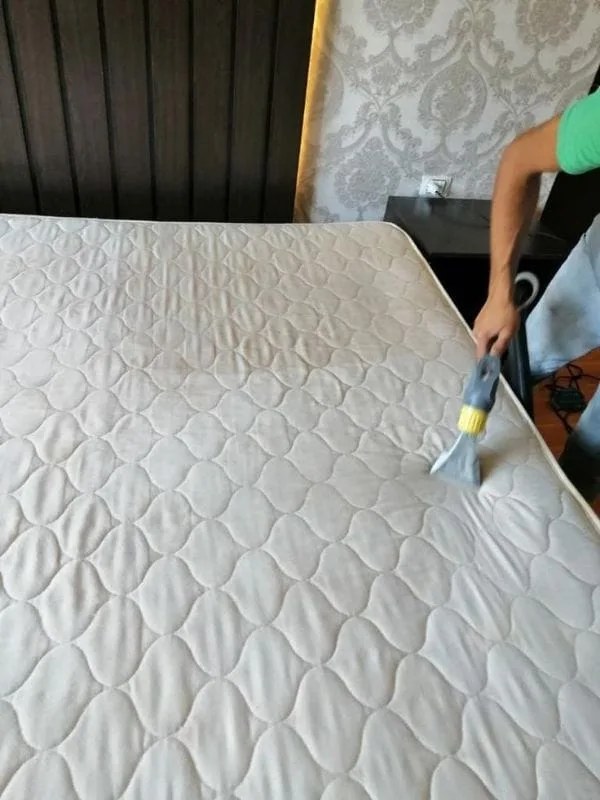
Previously, I overlooked soft surfaces.
Now, I vacuum couches, chairs, and mattresses regularly. As a result, allergens decrease noticeably.
Additionally, furniture looks brighter and feels cleaner.
9. Clean Your Cleaning Tools
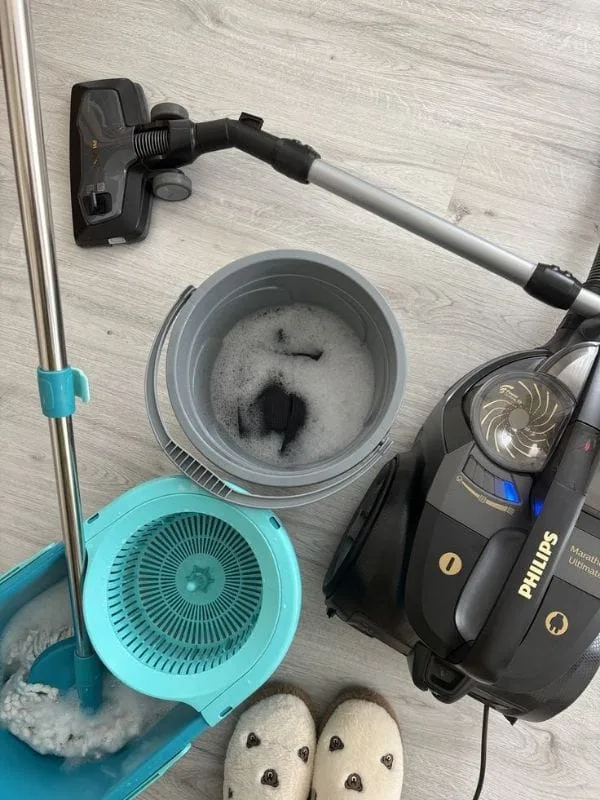
This one changed everything. If tools are dirty, surfaces cannot stay clean.
Therefore, I wash:
- Mop heads
- Sponges
- Microfiber cloths
- Vacuum filters
Because fresh tools perform better, the effort becomes more efficient.
10. Set a Donation Box Year-Round
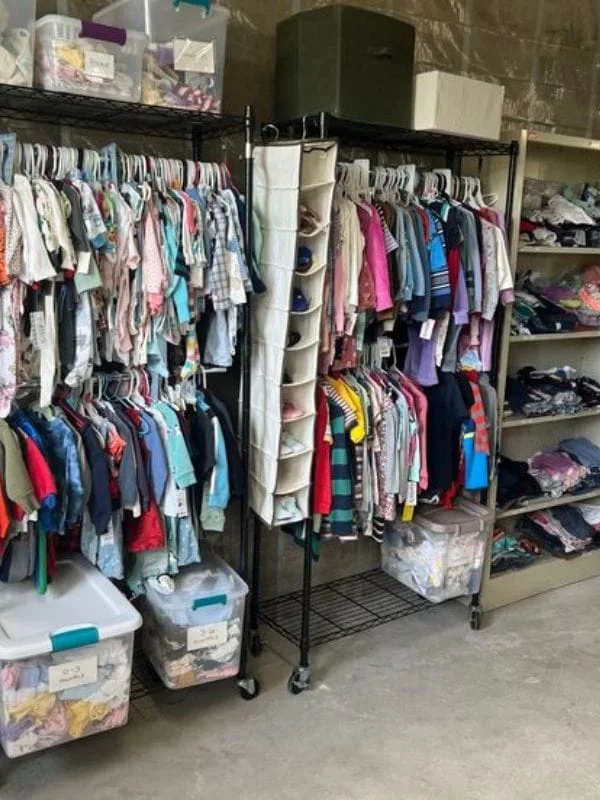
Instead of waiting for seasonal purges, I keep a donation box in my closet.
Whenever I find something unused, I place it inside. By the time spring arrives, decluttering feels lighter.
Moreover, the process becomes ongoing rather than overwhelming.
11. Use Natural Multi-Purpose Cleaners
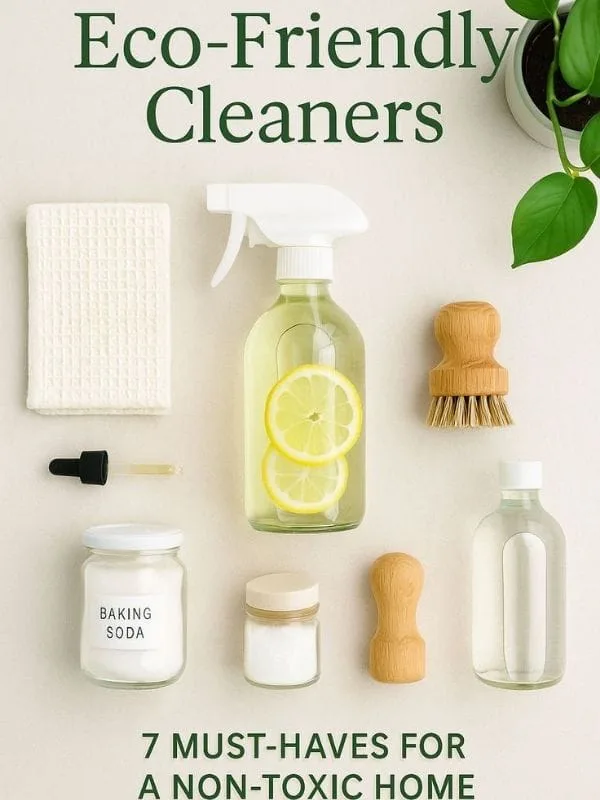
I prefer simple solutions.
A mix of vinegar and water handles mirrors and countertops effectively. Meanwhile, gentle dish soap works on many surfaces.
Because fewer products reduce decision fatigue, cleaning flows more smoothly.
12. Reset Entryways First
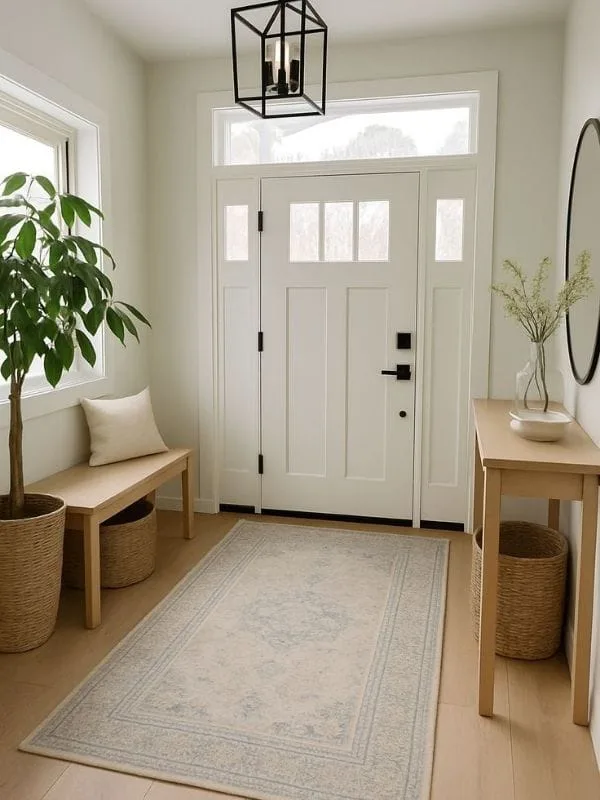
Entryways set the tone.
Whenever I declutter shoes and wipe surfaces near the door, the home feels instantly calmer. Consequently, returning home feels refreshing.
Additionally, maintaining this area reduces tracked dirt.
You may be interested in reading How to Style Starter Locs for Corporate Headshots: Polished, Professional & Authentically You
13. Rotate Seasonal Items

Instead of stuffing everything into closets, I rotate items intentionally.
For example, I store winter blankets and bring out lighter throws. Because visible space increases, rooms breathe more easily.
Furthermore, this habit prevents overcrowding.
14. Make It Enjoyable

Spring cleaning does not have to feel like punishment.
- Sometimes, I play music.
- Other times, I listen to podcasts.
- Occasionally, I light a candle afterward as a reward.
Because positive association matters, enjoyment increases consistency.
15. End With a “Reset Routine”
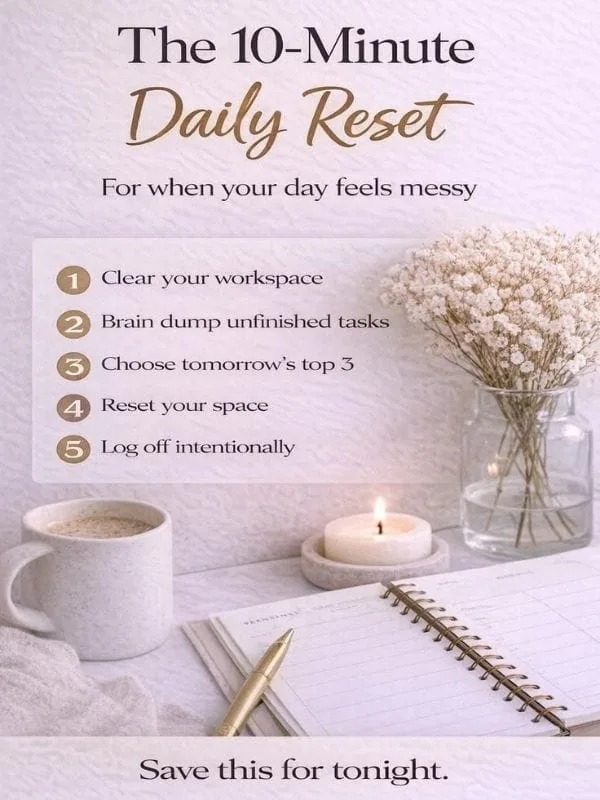
After major cleaning sessions, I establish small daily resets.
For example:
- Wipe counters nightly
- Make the bed each morning
- Do quick 5-minute tidy-ups
As a result, the space stays manageable long-term.
Additionally, maintenance prevents future overwhelm.
My Spring Cleaning Mindset Shift
Previously, I approached spring cleaning like a marathon. I would block an entire day, build an ambitious checklist, and expect dramatic transformation before sunset.
Predictably, exhaustion arrived first.
Eventually, I realized the issue wasn’t effort. Rather, it was framing.
So I changed the narrative.
You may enjoy reading How to Create a Relaxing Backyard Garden: 10 Inspiring Ideas for a Serene Outdoor Escape
a. From Marathon to Micro-Resets
Instead of treating spring cleaning as a massive event, I began seeing it as a sequence of micro-resets.
Rather than cleaning the entire kitchen, I cleaned one cabinet. After that, I stopped. The next day, I handled a drawer.
Gradually, progress accumulated without draining my energy.
Small wins created sustainable momentum.
b. From Self-Blame to System Design
Whenever a surface repeatedly collected clutter, I stopped criticizing myself. Instead, I asked what system was missing.
Often, the answer was simple: no designated drop zone. Once I added a tray, basket, or labeled container, the issue decreased naturally.
Because of this perspective, problem-solving replaced shame.
c. From Waiting for Motivation to Scheduling Structure
Rather than waiting for the “right mood,” I scheduled short sessions. Fifteen focused minutes felt manageable.
Surprisingly, once momentum started, sessions extended naturally. Even when they didn’t, consistency still compounded.
Structure reduced resistance.
d. Separating Decluttering From Deep Cleaning
Mixing organizing and scrubbing increased complexity. Therefore, I separated the tasks.
- First, remove excess.
- Second, clean surfaces.
This sequence reduced mental overload and made each phase feel finite.
e. Embracing Good Enough Over Perfect
Perfection created pressure. Pressure created delay.
Instead of aiming for magazine-ready spaces, I aimed for functional clarity. That standard felt realistic. Consequently, completion became attainable.
Language also shifted. Rather than saying, “I have to clean,” I began saying, “I get to reset.”
Subtle wording adjustments lowered resistance.
f. Protecting Energy and Emotional Bandwidth
I accepted that sentimental items require slower processing. Instead of forcing immediate decisions, I created a temporary holding box. Later, I revisited it with clearer judgment.
In addition, I hydrated, rested and stretched. Cleaning is physical labor, so I treated it accordingly.
Most importantly, I stopped equating clutter with identity. A messy room no longer defined me. It simply indicated that systems required refinement.
- The Core Shift
- Not intensity.
- Consistency.
- Not perfection.
- Progress.
- Not pressure.
- Systems.
Over time, spring cleaning transformed from an overwhelming annual event into an ongoing rhythm. Now, instead of waiting for one dramatic weekend, I practice continuous light resets.
Consequently, spring feels lighter because the work is distributed and that difference changed everything.
A Clean Space Feels Like Mental Clarity
When my home feels organized, my thoughts feel clearer.
- When surfaces shine, stress softens.
- When clutter disappears, focus improves.
- Spring cleaning is not about impressing guests.
Instead, it is about creating peace for yourself.
Therefore, approach it gently.
- Move steadily.
- Edit intentionally.
- Refresh gradually.
Over time, those small efforts transform not just your home, but your daily experience within it.
And that is what truly makes these hacks work.
Frequently Asked Questions on Spring Cleaning Hacks That Actually Work
1. How long should spring cleaning take?
It depends on your home size and clutter level. However, spreading tasks over two weeks feels more realistic than one intense weekend.
2. What is the best room to start with?
I recommend starting with the entryway or bedroom. Visible improvement builds motivation quickly.
3. Should I buy new storage containers?
Only after decluttering. Otherwise, containers may hide excess rather than solve it.
4. How do I stay motivated?
Set small timers, celebrate progress, and avoid comparing your home to others.
5. How often should deep cleaning happen?
Seasonally works well. Meanwhile, light resets should happen weekly.
This Post Showed You 15 Spring Cleaning Hacks That Actually Work (Real-Life Tips).