
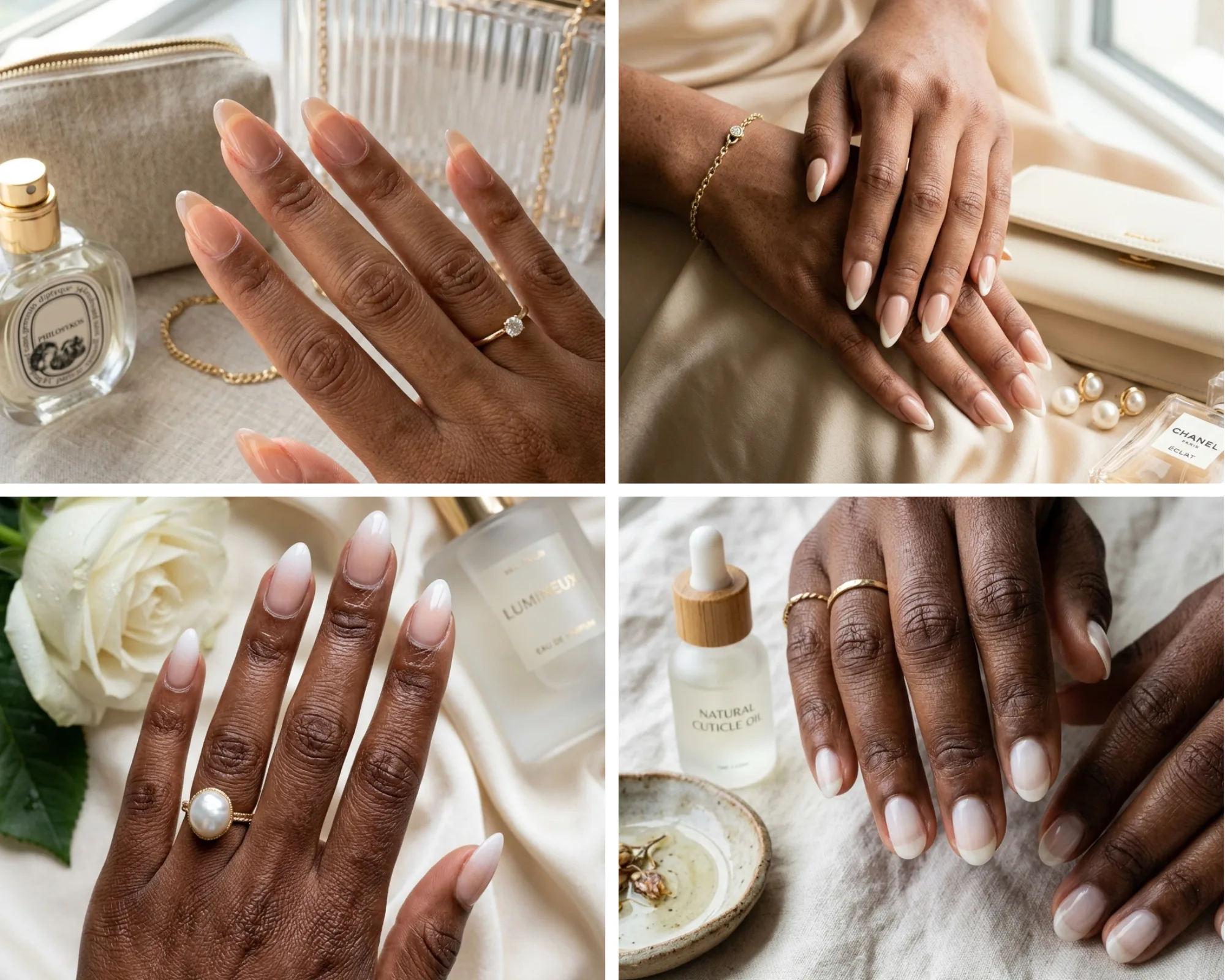
Some manicures look beautiful in photos but feel like too much once you see them on your own hands. A natural French tip works differently. The color stays soft, the free edge remains delicate, and the finished manicure can still look like your nails, only smoother and more polished.
That understated effect can come from sheer pink bases, milky beige, soft ivory, tonal nude tips, tiny white lines, translucent finishes, or subtle shaping that follows the natural nail instead of fighting it. Short round nails can look just as refined as longer almond shapes when the proportions are right.
The easiest place to begin is with an ultra fine white edge and a base that still lets your natural nail show through.
1. Sheer Pink Micro French Tips
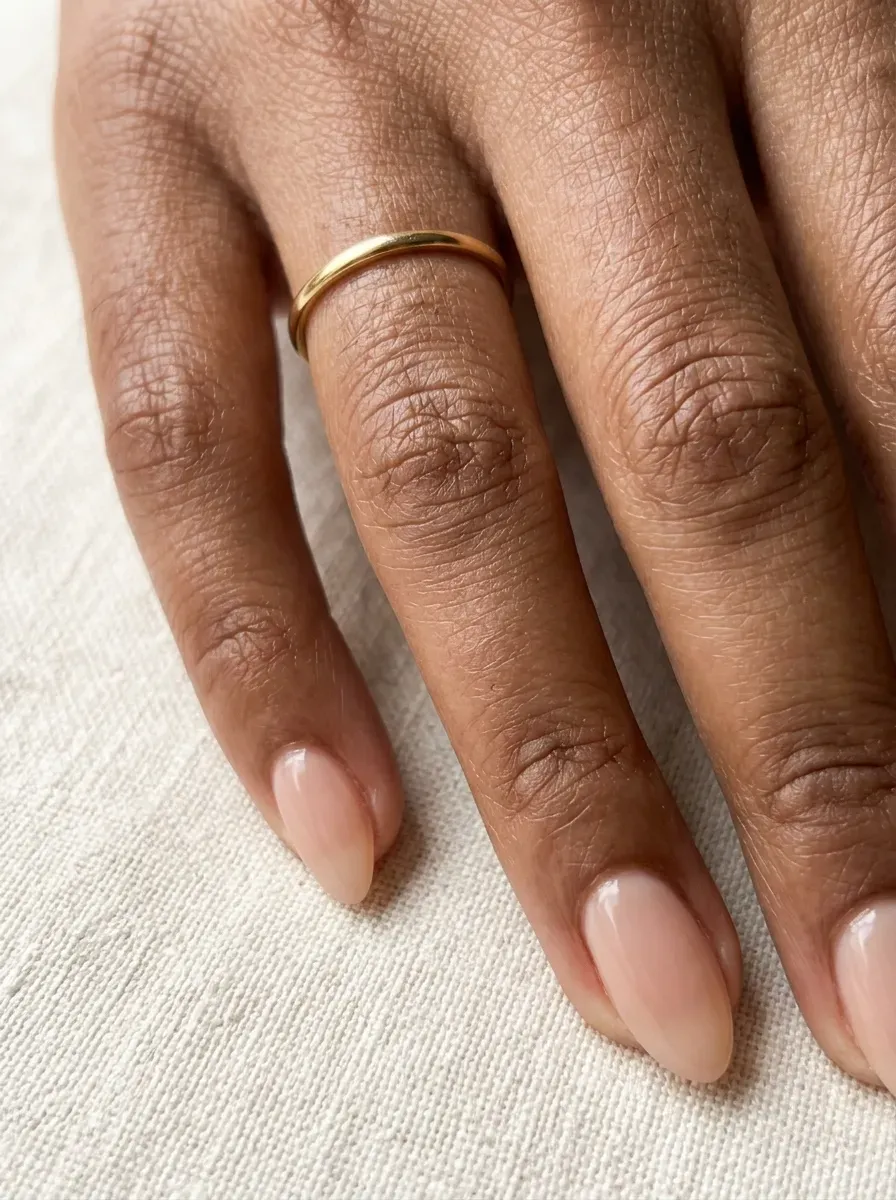
A sheer pink base gives the nail bed a healthier, more even tone without hiding its natural color. Adding an extremely thin white edge keeps the manicure recognizable as French while avoiding a heavy salon look.
This style works particularly well on short almond and oval nails. Choose a translucent pink that suits your undertone rather than an opaque pastel, which can make the result look less natural.
Bookmark for later 35+ Thick French Tip Nail Designs for Bold, Statement Nails
2. Milky Nude Classic French Tips
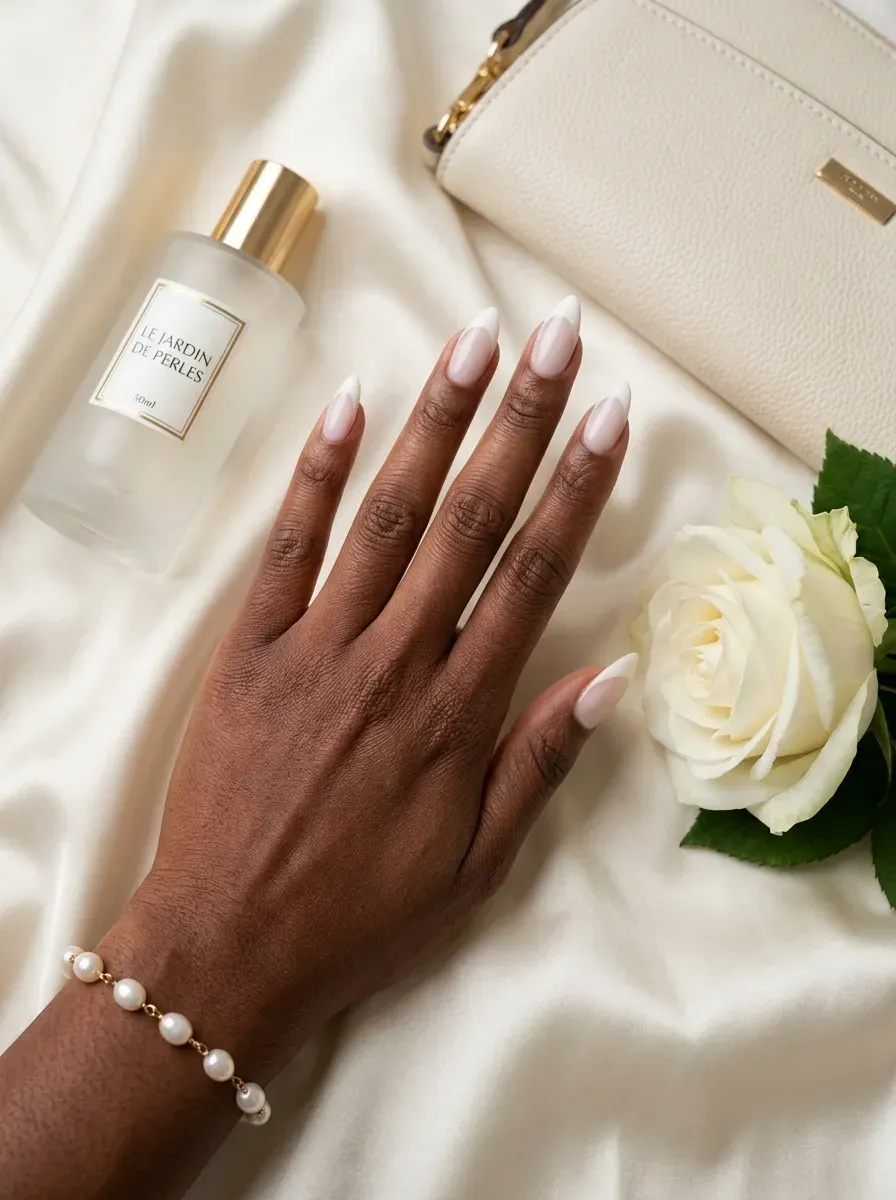
Milky nude softens the difference between the natural nail bed and the white free edge. The result looks more blended than a pink and white French manicure while still giving the nail a clean outline.
A medium sheer milk shade works best because you should still see a hint of the natural nail underneath. Apply the white tip before the final milky layer if you want an especially diffused finish.
3. Barely There White French Tips
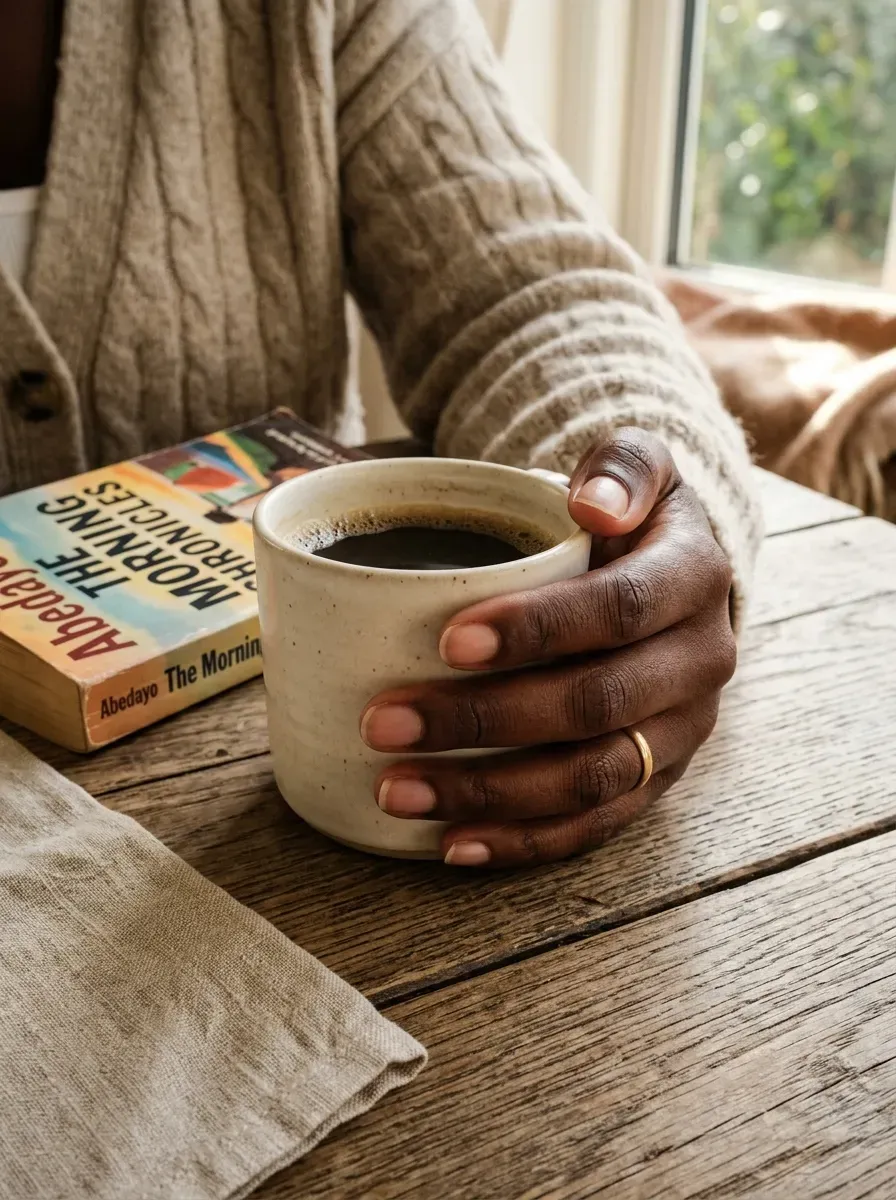
A barely visible white line is one of the easiest ways to make short natural nails look finished without changing their character.
The edge should follow the natural free edge rather than creating a deeper artificial curve. That small detail keeps the manicure believable.
Use a fine liner brush instead of French tip stickers. The brush makes it easier to adjust each line to the individual width of the nail.
4. Soft Ivory French Tips
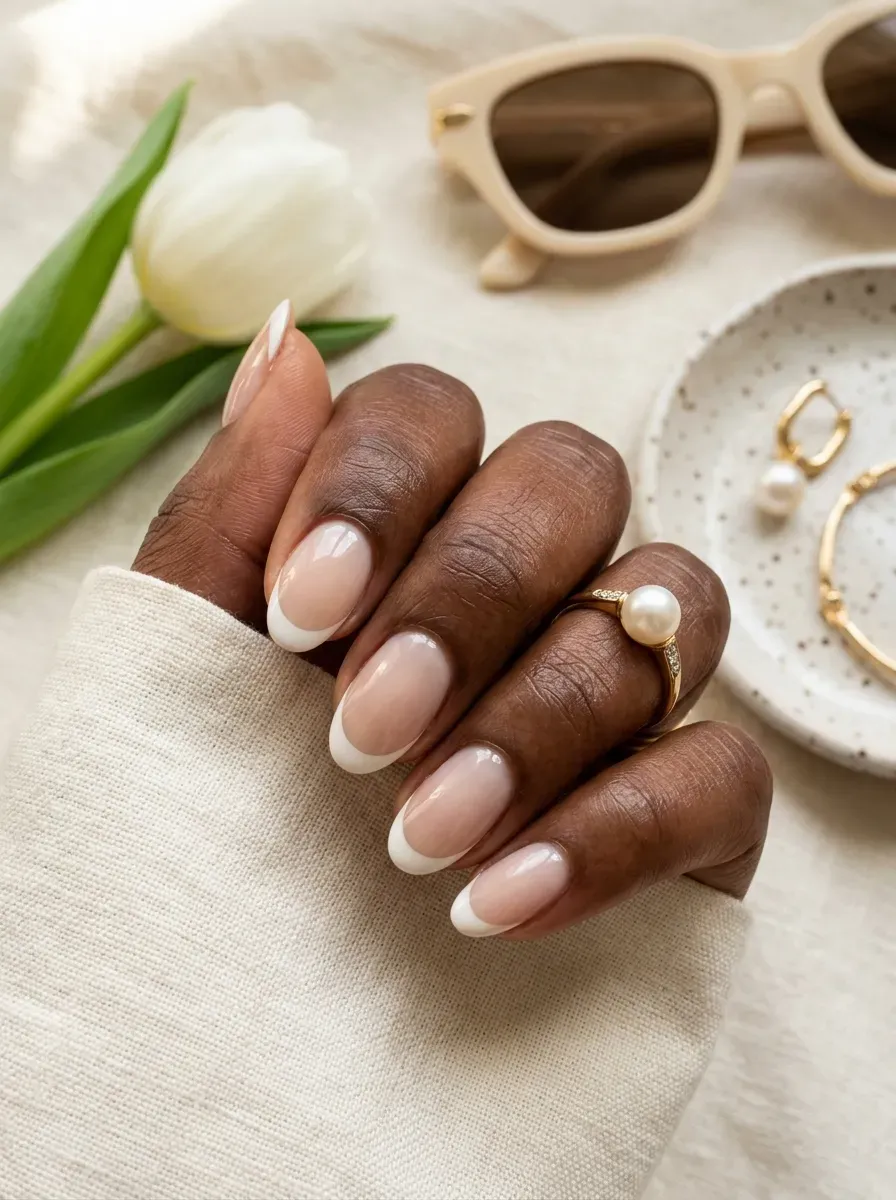
Ivory gives the French edge a warmer finish than bright white. That subtle warmth can look especially natural against golden, olive, and deep skin tones because the contrast is softer.
The shade also works well when your wardrobe leans cream, camel, beige, and warm neutrals.
Compare ivory and white directly against your hand before choosing. Bottle color alone does not show how much warmth each shade will bring out.
See now 36 September Nail Ideas for Fall Wedding Guests
5. Beige French Tips
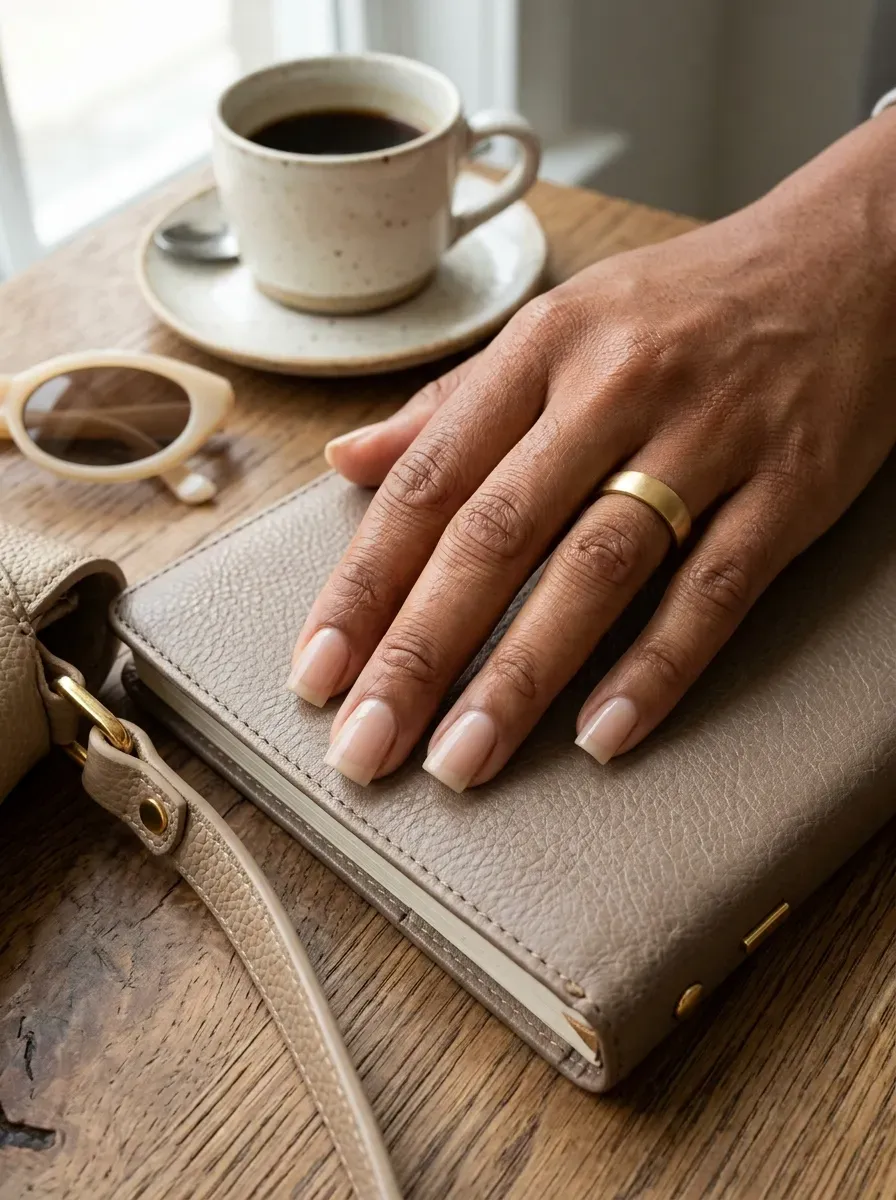
Beige tips take the structure of a French manicure and remove most of the contrast. Instead of bright white, the free edge is painted with a warm neutral that sits close to the nail bed color.
That low contrast effect is useful for work and everyday wear.
Choose a beige at least two shades deeper or lighter than the base. If the colors are too close, the French line disappears after top coat.
6. Nude on Nude Tonal French Tips
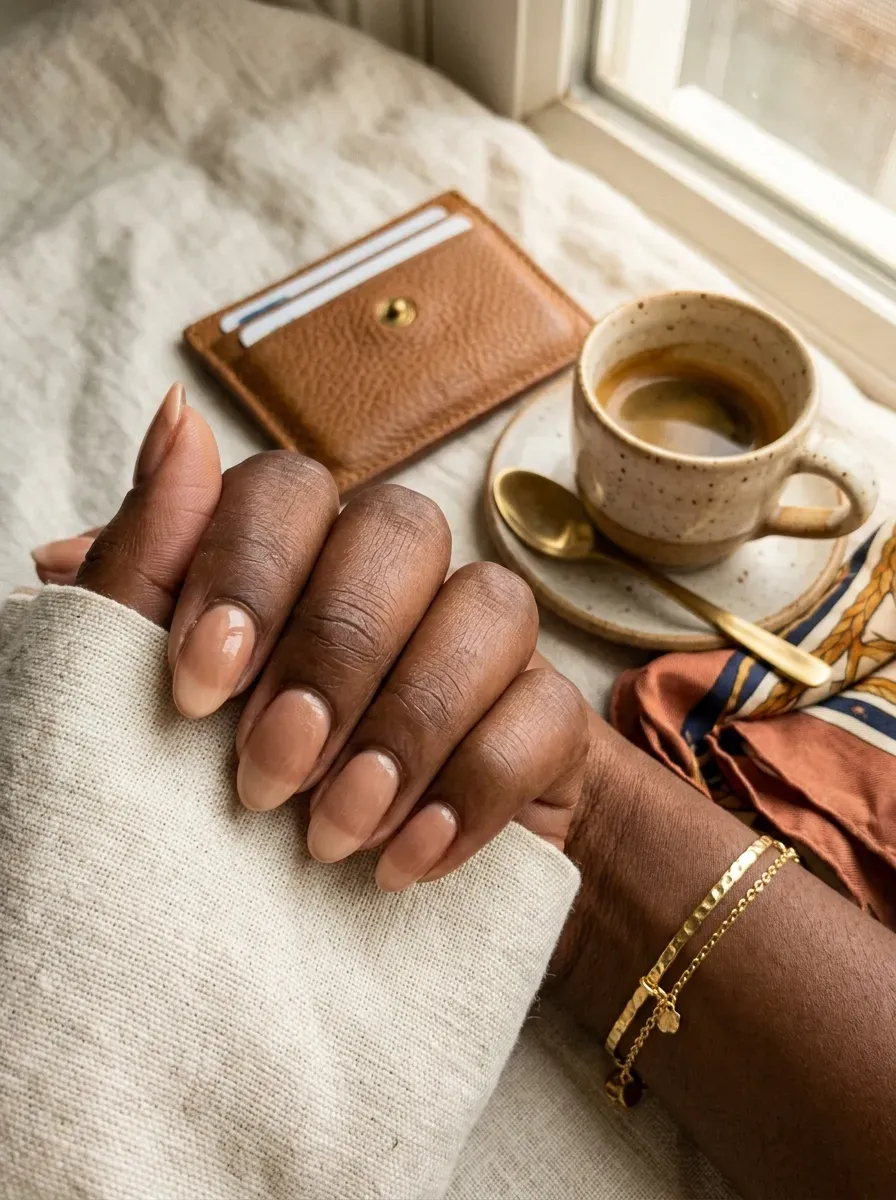
Tonal French tips use two related nude shades rather than nude and white. The difference is subtle, but it gives the free edge enough definition to make the shape look cleaner.
Caramel with beige, rosy beige with blush, or cocoa with warm nude can all work.
Test the pair on one nail first. The top coat often reduces contrast slightly, so the colors need to look distinct before the final glossy layer.
7. Blush Micro French Tips
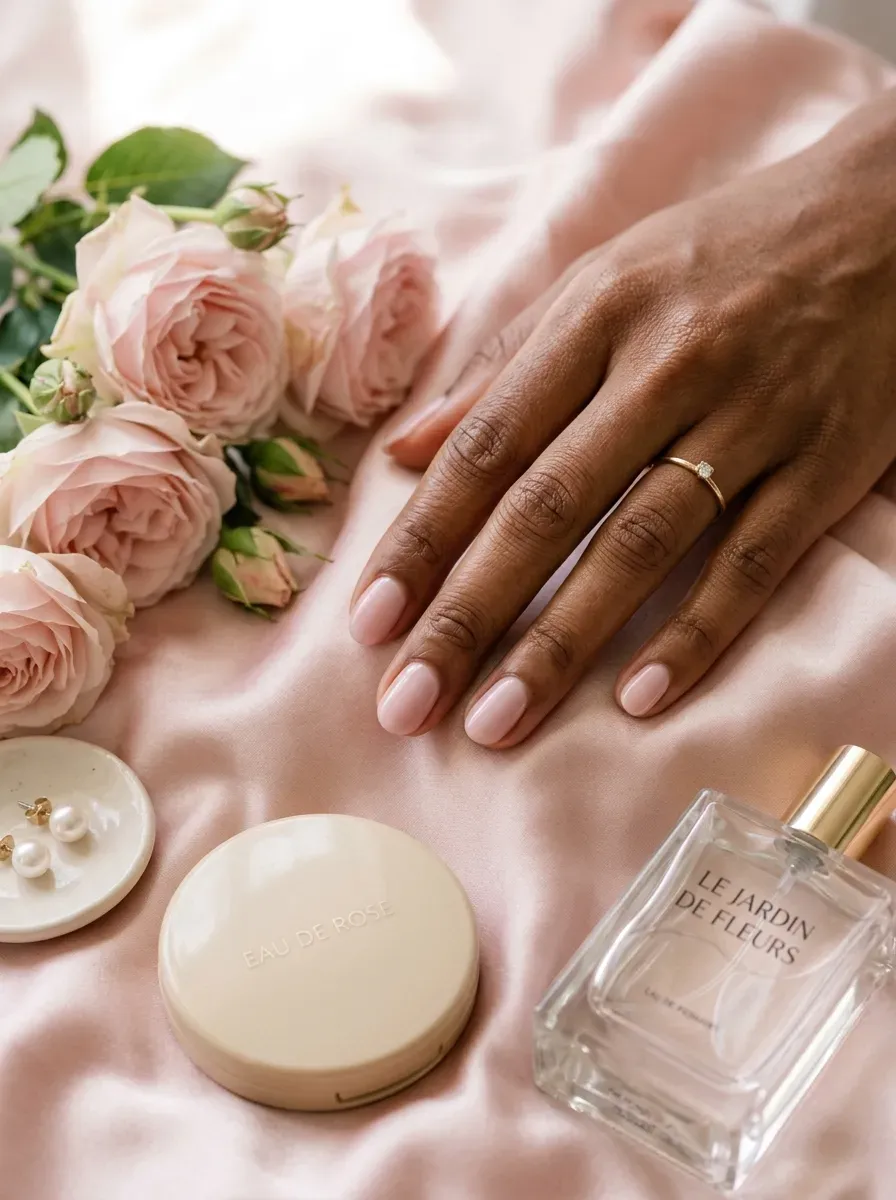
Blush tips give the nail edge just enough pink to separate it from a sheer nude base without creating obvious color.
The effect is softer than baby pink because the shade contains more beige and less white pigment. Short oval nails suit it especially well.
Choose a blush with a similar undertone to your natural nail bed. That keeps the finished manicure cohesive rather than visibly two toned.
8. Peach Nude French Tips
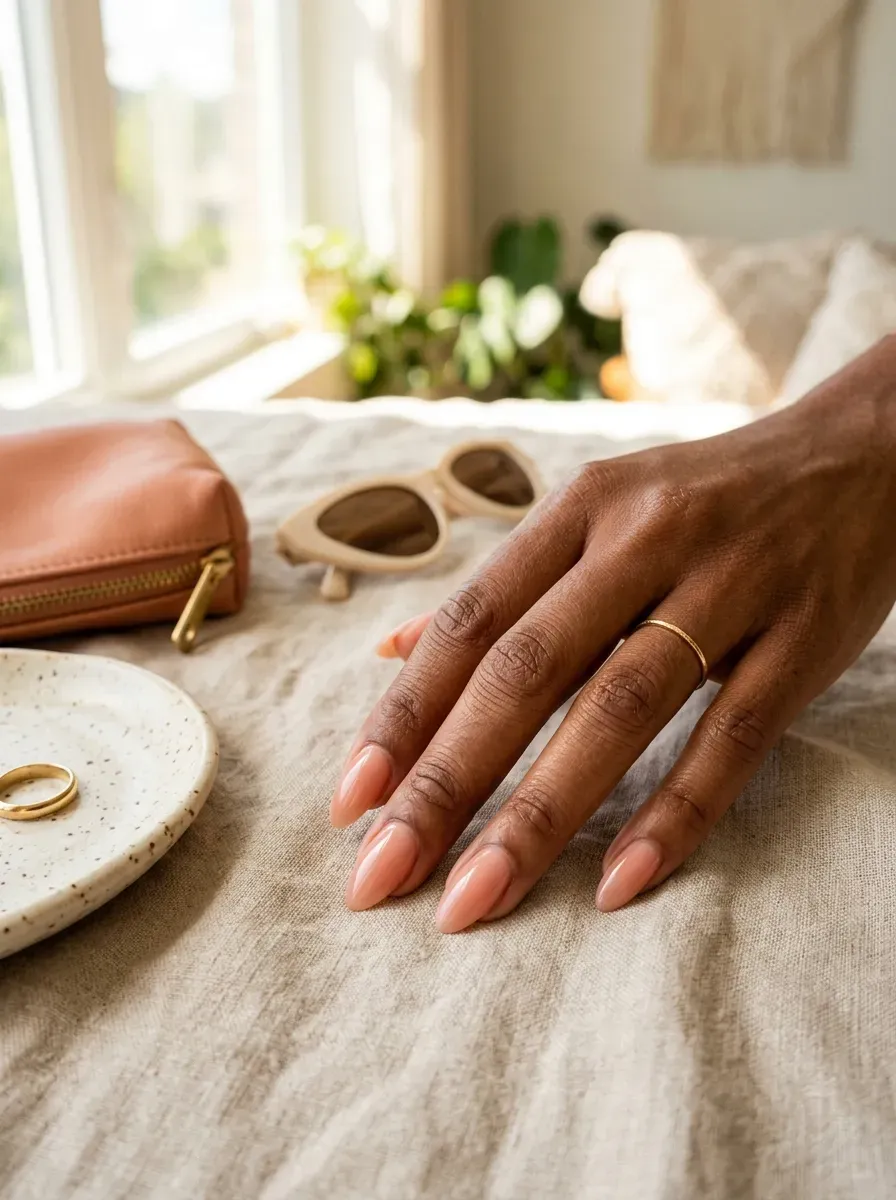
Peach nude tips add warmth without reading as orange or coral. The shade can make golden undertones in the skin look especially bright while still staying close to a natural palette.
A sheer beige base creates the cleanest transition.
Keep the tip narrow on short nails. Peach contains enough color that a wide band can begin to look more decorative than naturally polished.
Check out 30 Romantic Picnic Date Ideas for Couples: A Soft Escape from the World
9. Caramel Micro French Tips
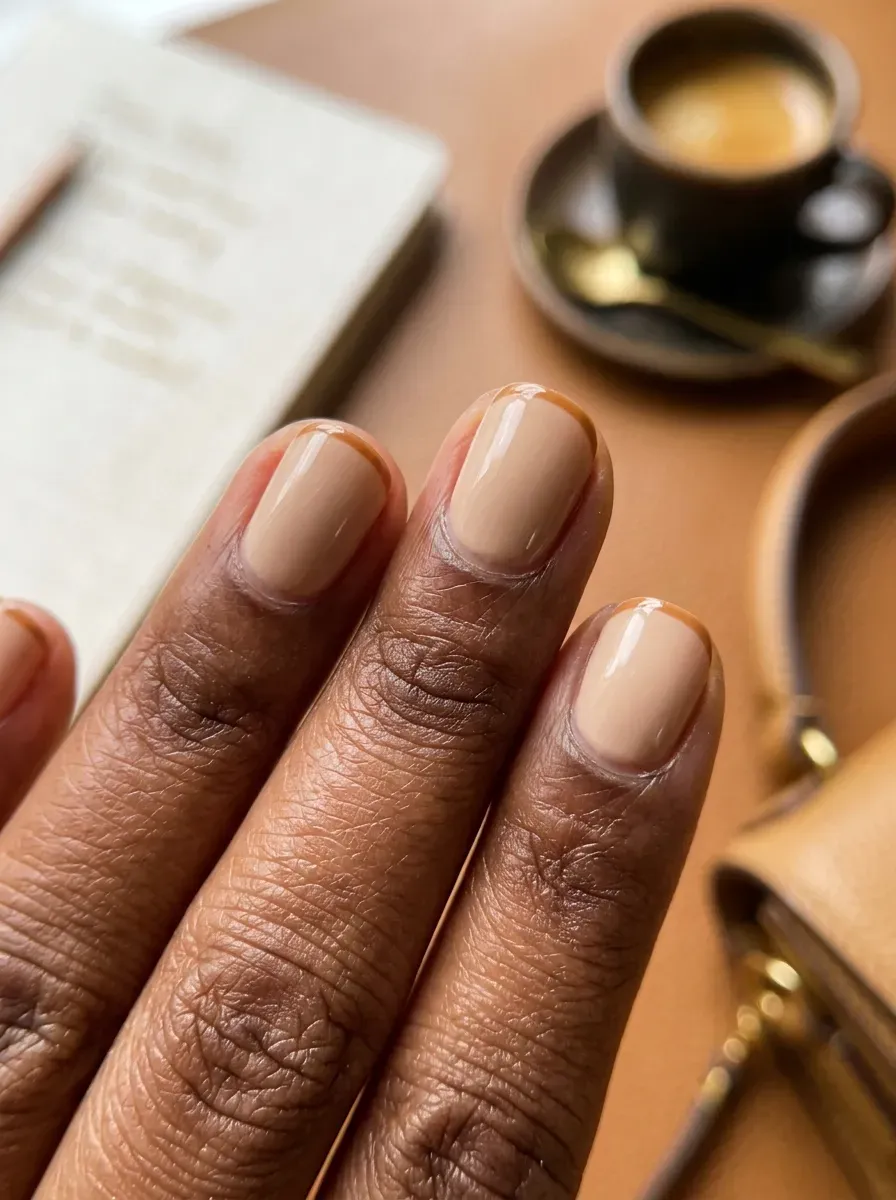
Caramel micro tips define the free edge with warmth rather than brightness. Against medium and deep skin, the shade can look especially seamless because it echoes natural golden and brown tones.
Short square, round, and almond nails all carry the line well.
Use a caramel that is clearly visible against your base. Matching the skin too closely can cause the edge to disappear from normal viewing distance.
10. Cocoa Micro French Tips
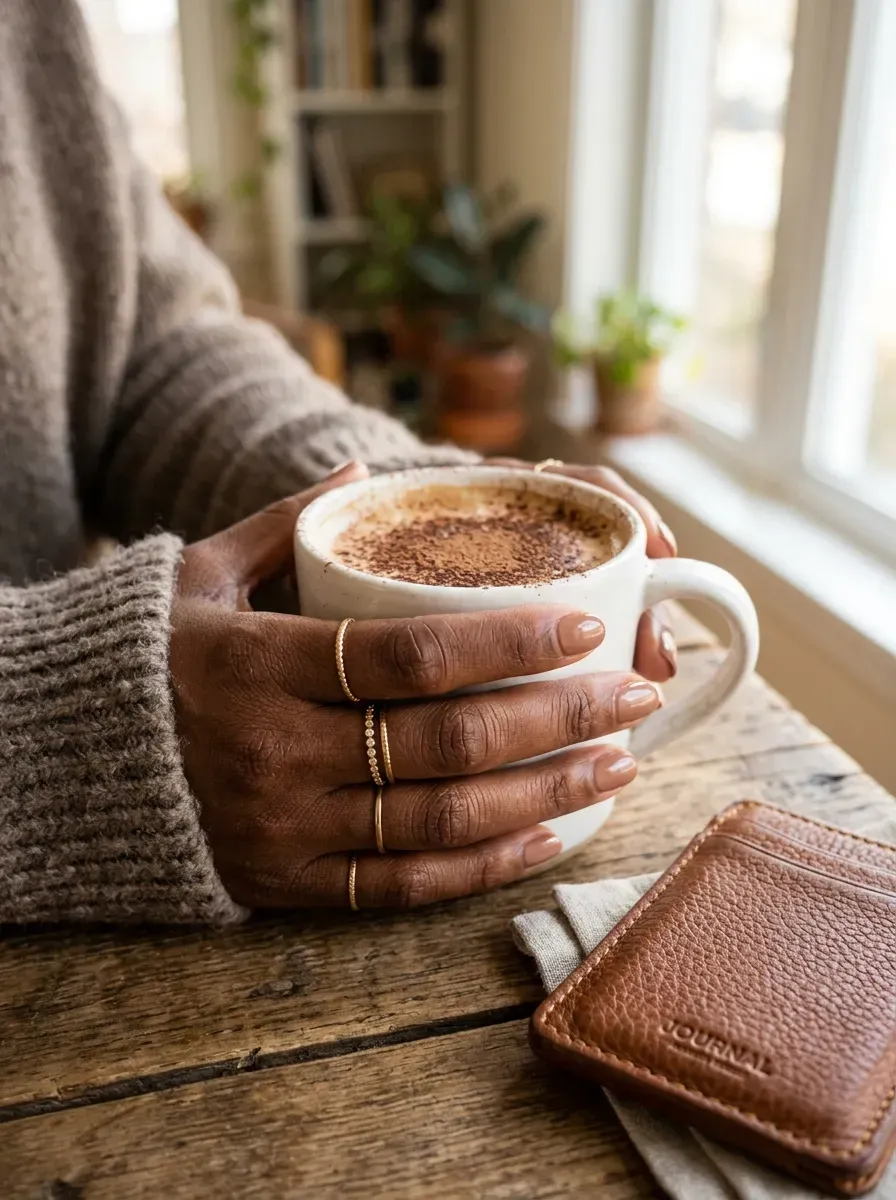
Cocoa is deeper than caramel but still softer than black. Restricting the color to a micro tip keeps the manicure understated even when the edge is noticeably darker than the base.
The shade works especially well in autumn and with neutral wardrobes.
A warm beige base keeps cocoa cohesive. Avoid very cool pink bases if you want the manicure to retain a genuinely natural color story.
11. Clear Gloss French Tips
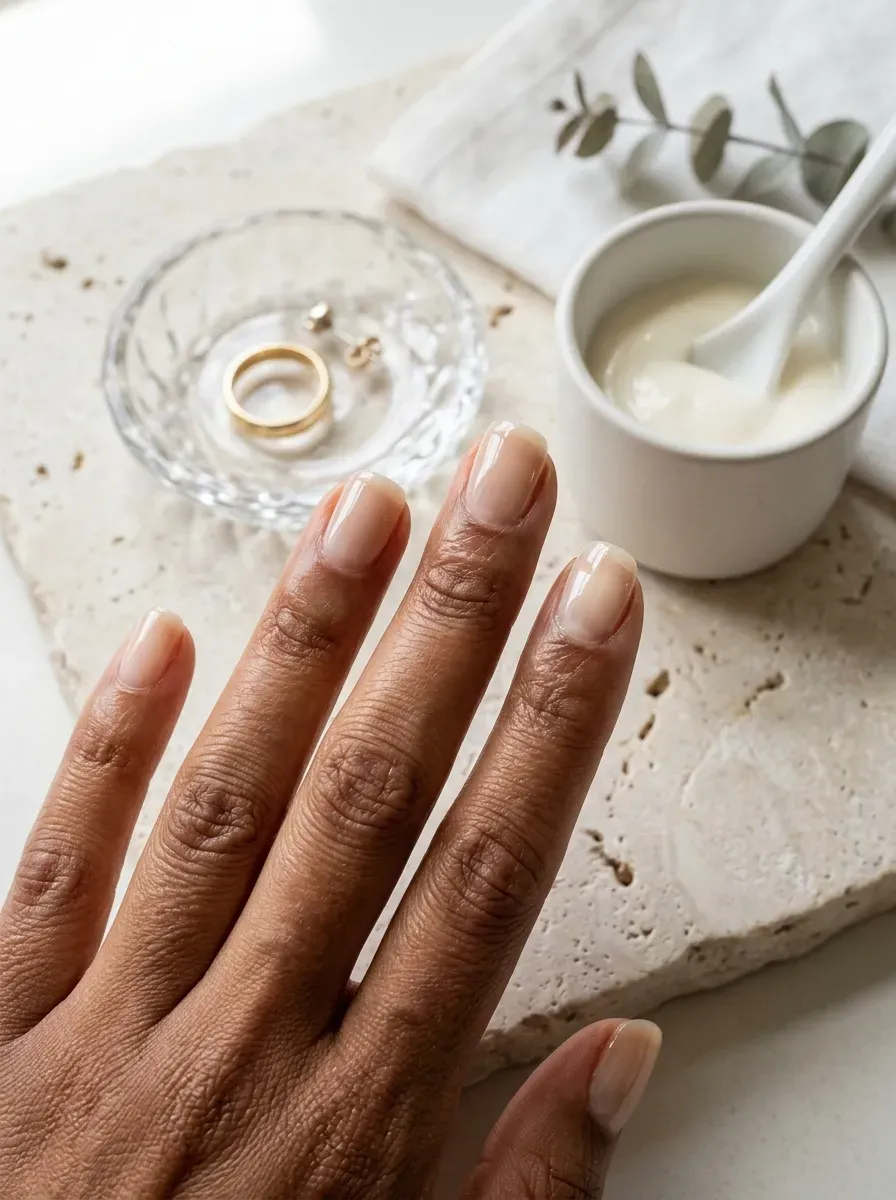
A clear gloss French manicure uses finish instead of color to define the free edge. The nail bed can be sheer nude or softly buffed, while the tip receives an extra layer of high shine.
The contrast is quiet but noticeable in moving light.
This style depends on smooth natural edges. File every nail to an even length first because clear polish will not hide chips, peeling, or rough corners.
12. Natural Free Edge Enhancement
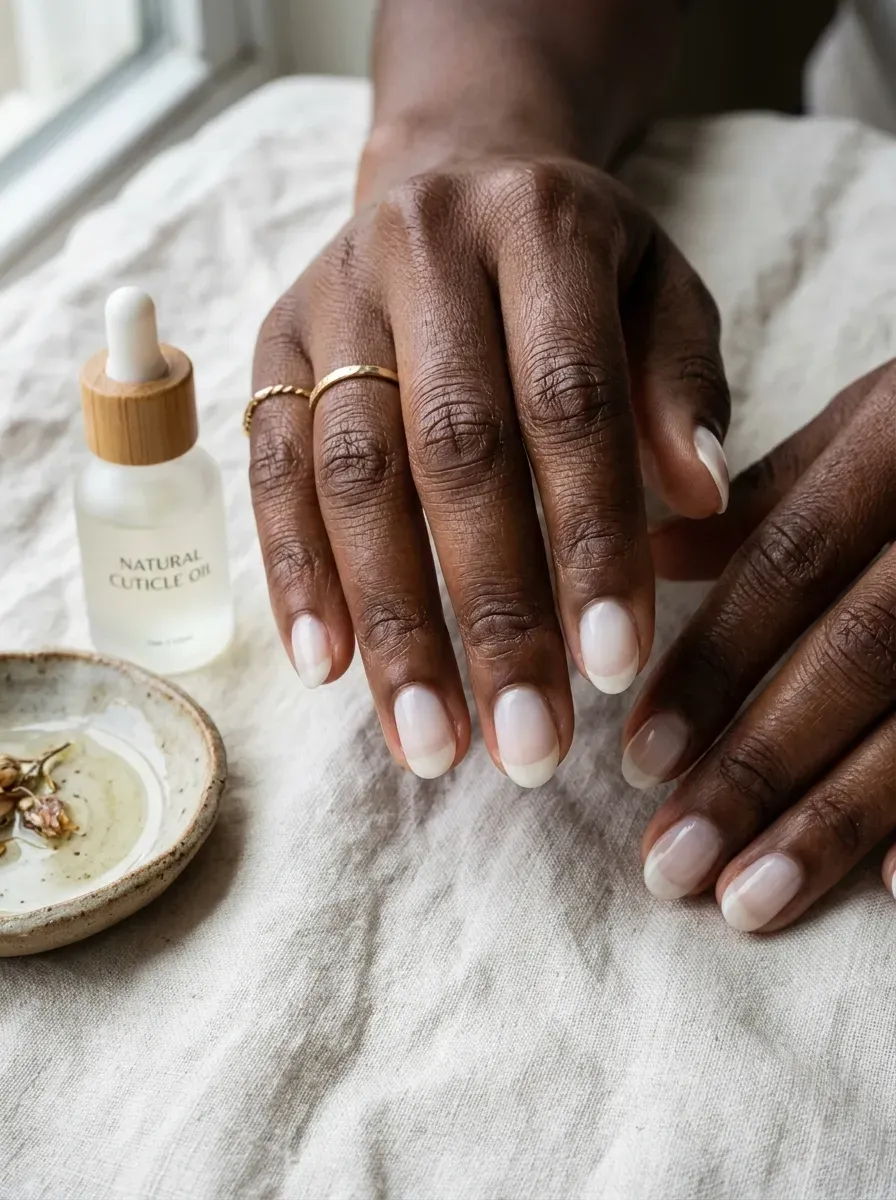
Instead of painting a new French line, this technique enhances the white edge that is already present. A milky or sheer beige layer evens the nail bed while allowing the natural free edge to remain visible.
The effect looks especially convincing on healthy nails with consistent lengths.
Use a whitening pencil underneath only if necessary. Too much added brightness can make the natural edge look artificial.
13. Soft Square Natural French Tips
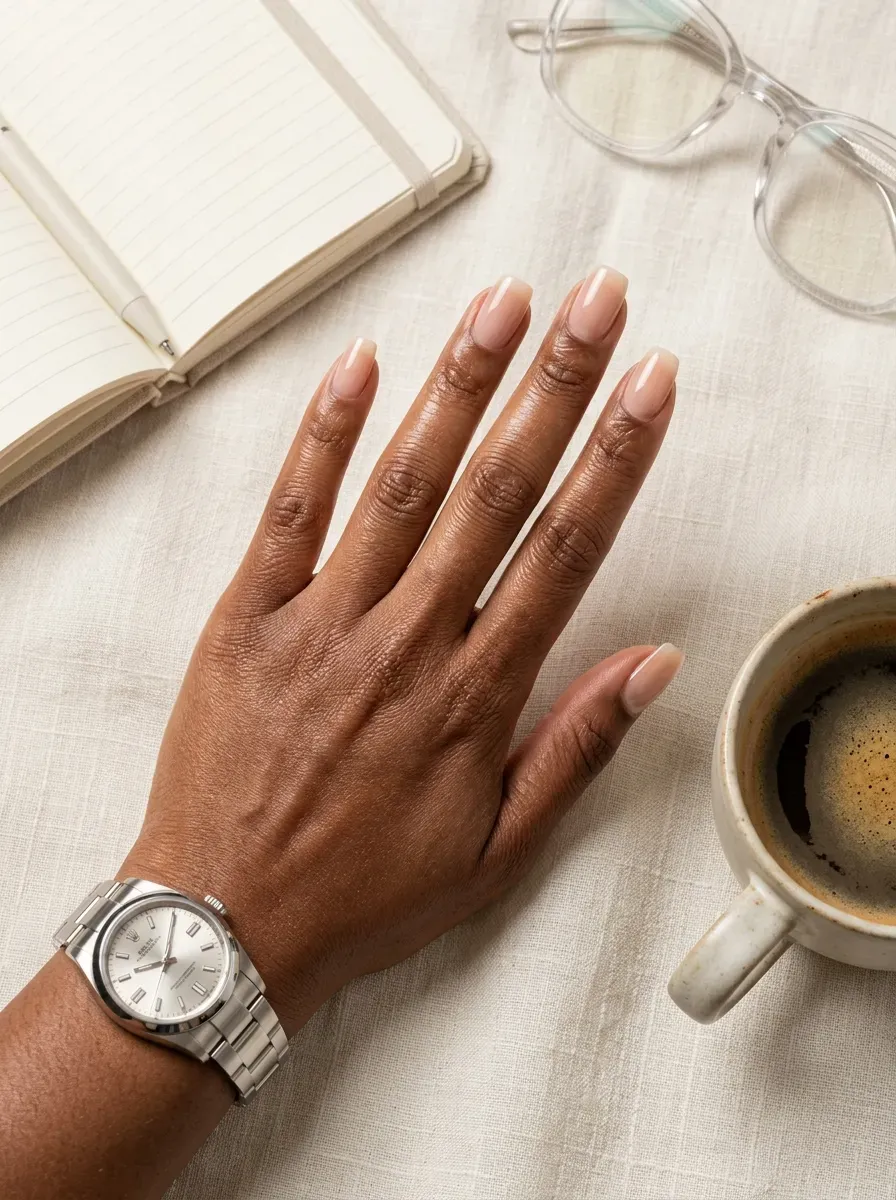
Soft square shaping gives a natural French tip a neat straight edge without the harsh corners of a full square manicure.
That balance works particularly well when you want something polished for work but still practical for typing and daily tasks.
Keep the corners gently rounded rather than heavily filed. Removing too much width can turn a soft square into a narrow squoval and change how the tip reads.
Read more September Pedicure Colors: 42 Chic Shades for Early Fall
14. Short Round Natural French Tips
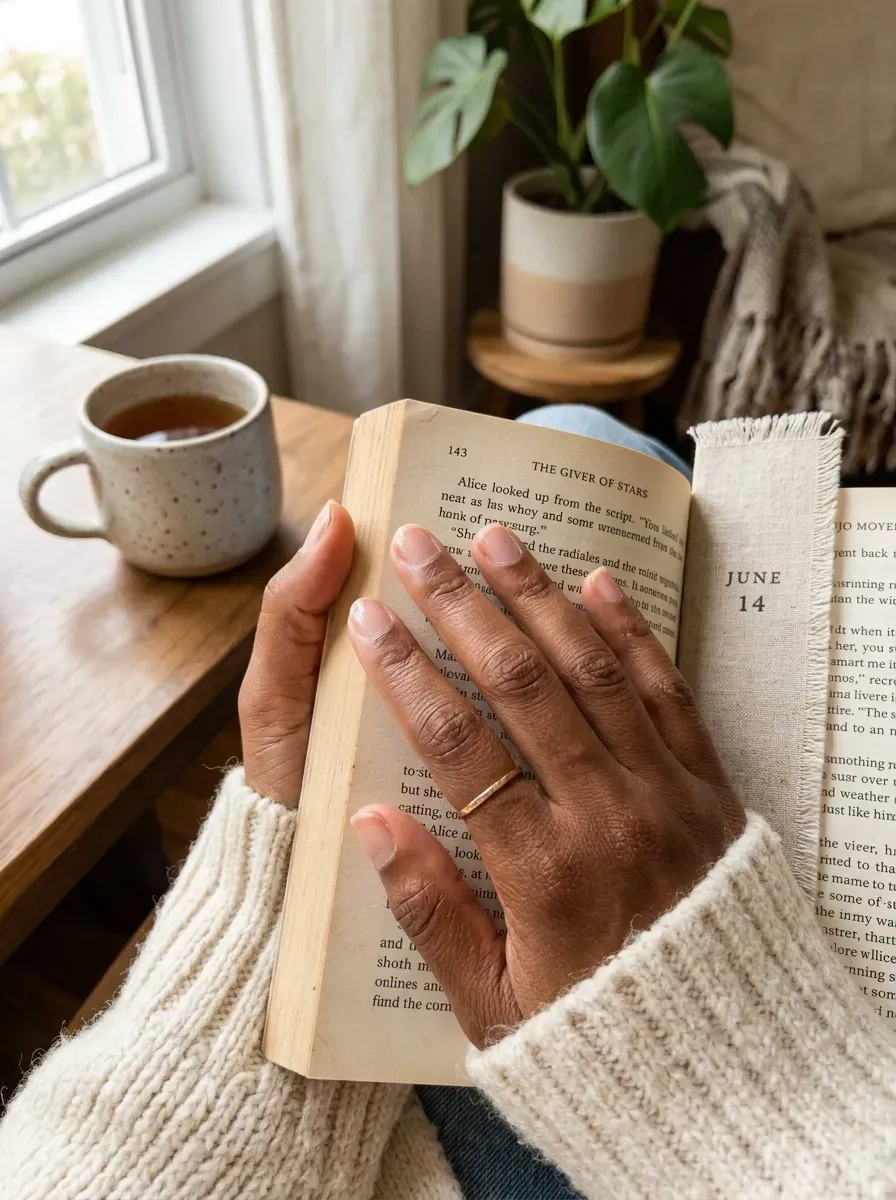
Round nails look naturally tidy because the free edge follows the curve of the fingertip.
A very slim white tip reinforces that shape without creating the visual weight of a thicker French band. The style is also forgiving when one nail is slightly shorter than another.
File the sidewalls straight first, then round only the corners and top edge. Over rounding can make the nail look wider.
15. Squoval Natural French Tips
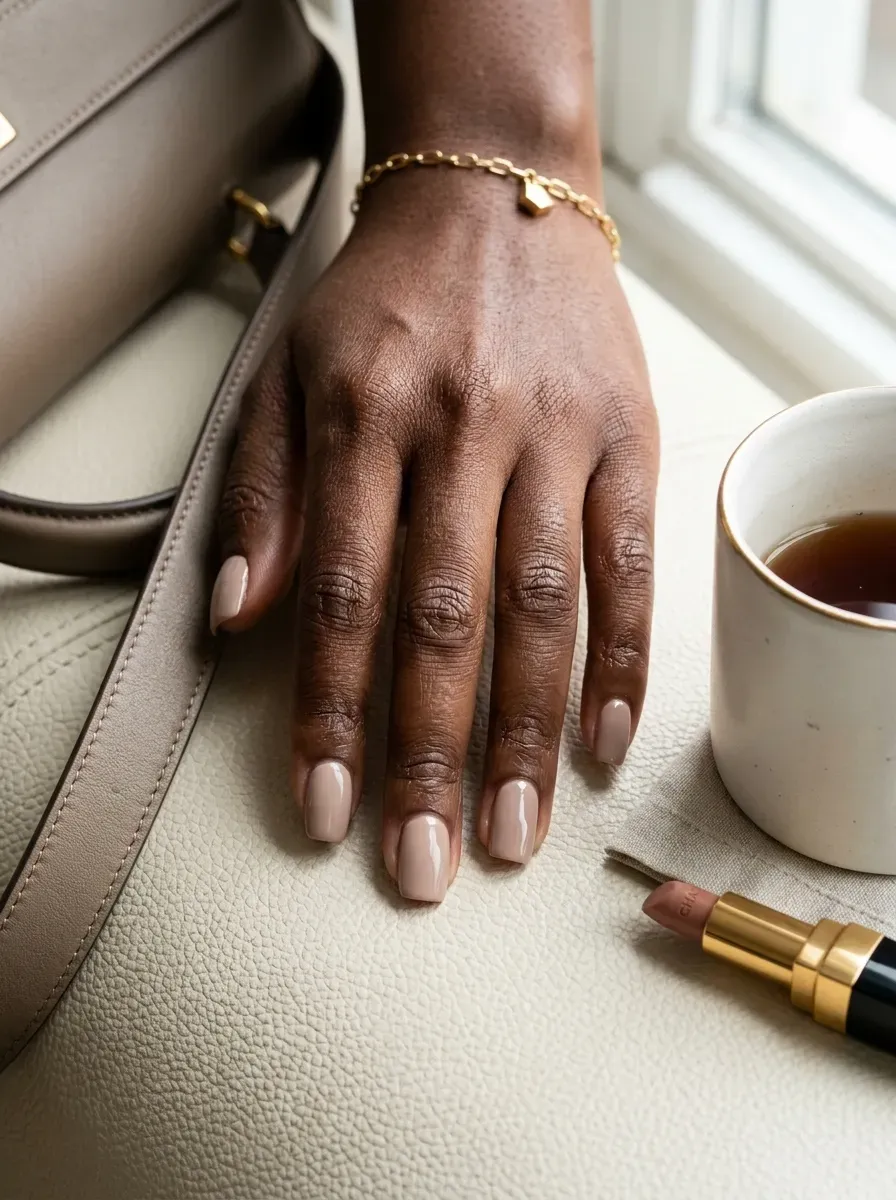
Squoval nails combine the width of square shaping with softer corners, which makes a natural French tip easy to wear on everyday lengths.
The shape gives the white edge a clear structure without feeling formal or dramatic.
A slightly curved smile line usually looks more natural than painting the tip perfectly straight across. Follow the nail’s existing free edge instead of forcing every nail into identical geometry.
16. Natural Almond French Tips
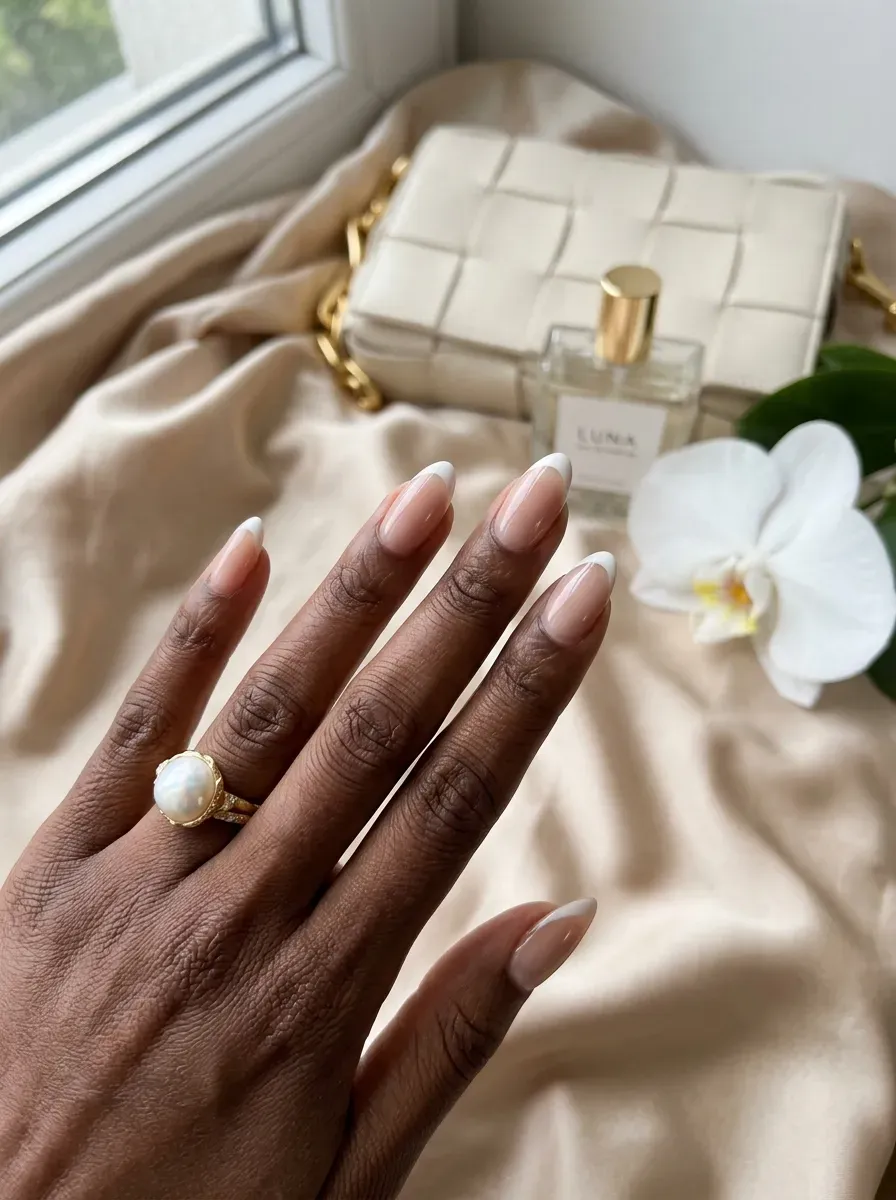
Natural almond nails taper gently rather than ending in a sharp point. That softer structure gives French tips room to curve upward while keeping the manicure believable.
Medium length is usually enough to create the shape without extensions.
Avoid filing the sidewalls too aggressively. A natural almond should still retain strength near the stress area, especially if you are wearing only gel polish over your own nails.
17. Soft Oval French Tips
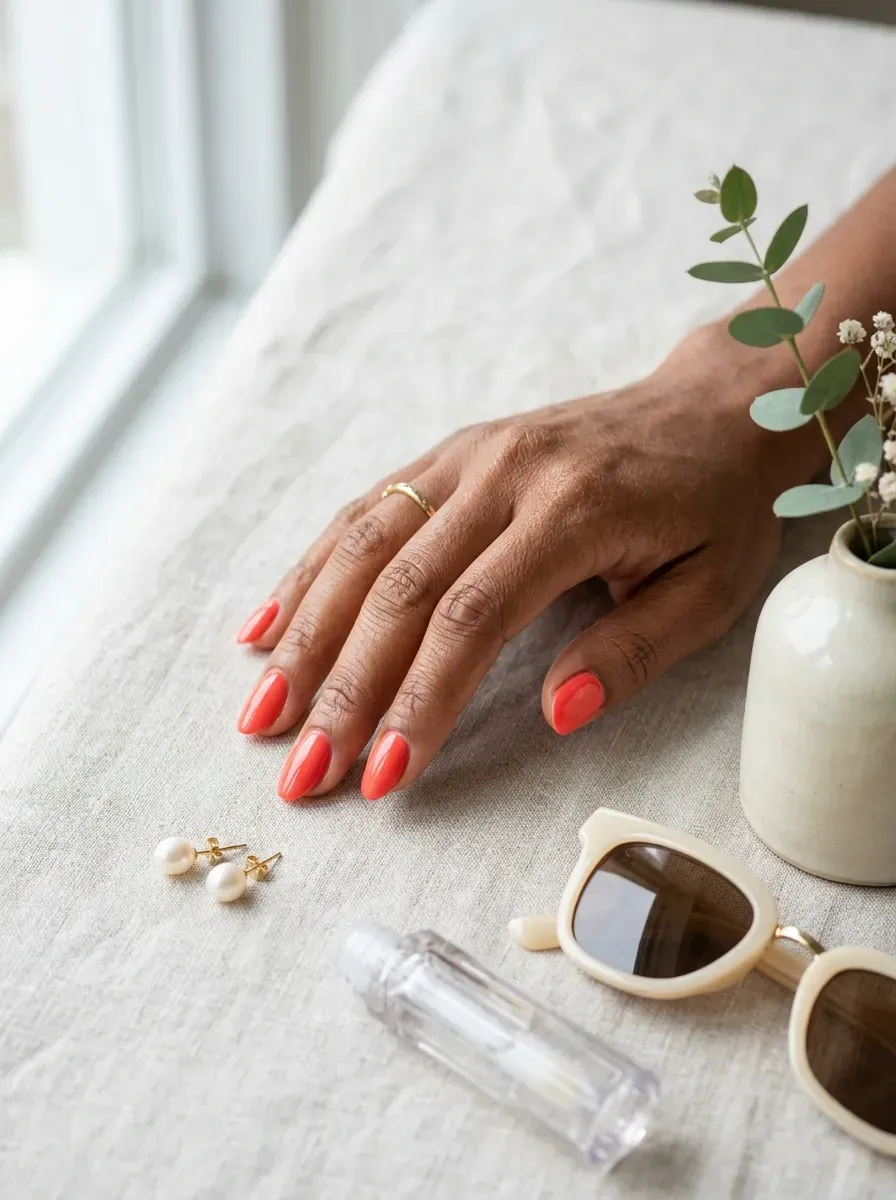
Oval shaping works especially well when the natural nail already grows with rounded sidewalls. A thin white edge follows that curve and makes the fingers look longer without requiring extra length.
The effect stays soft even when the white is fairly opaque.
Check the shape from the palm side before polishing. That view makes uneven free edges easier to spot than looking only from above.
18. Skinny Side French Tips
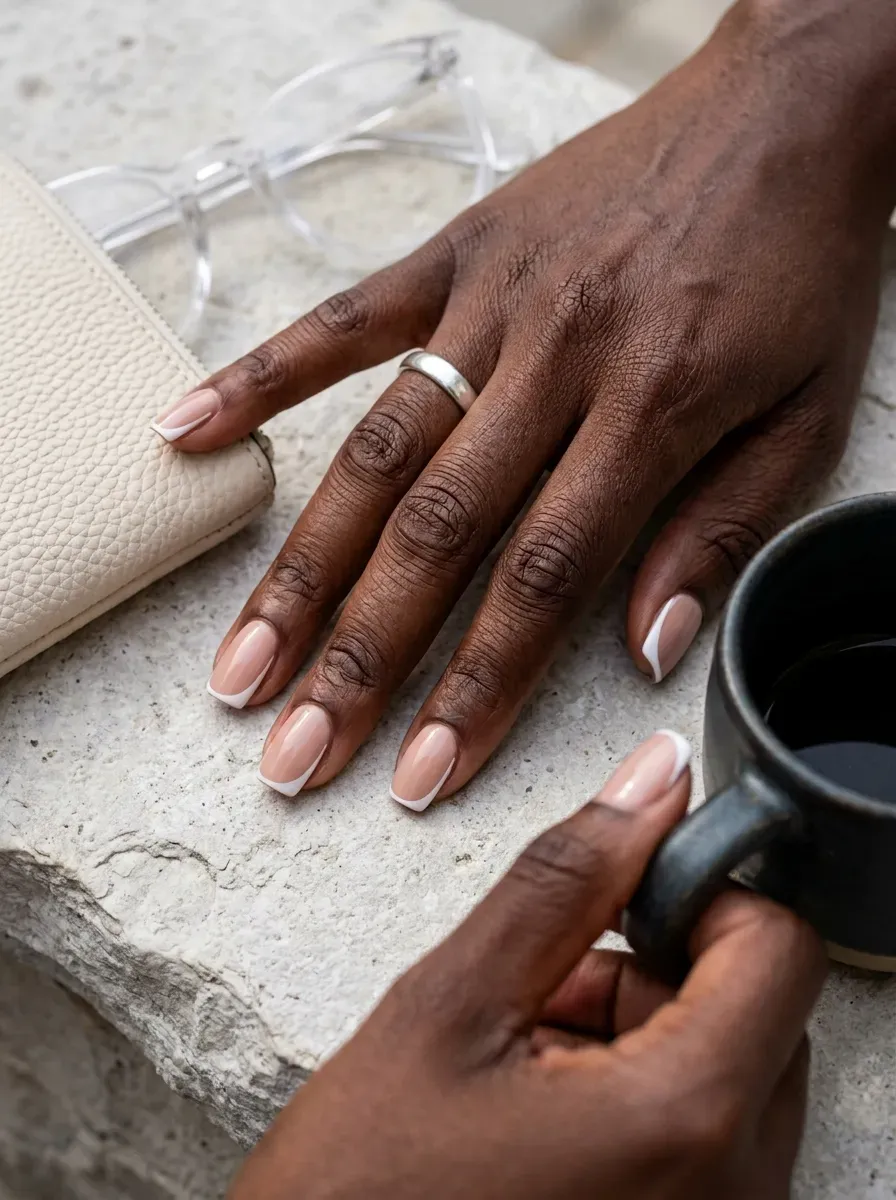
A side French uses only part of the free edge, which makes the manicure feel even lighter than a traditional full tip.
The diagonal line also helps short square nails appear a little longer because the eye follows the sweep rather than the width.
Keep the line extremely fine. A thick side tip can shift the design from natural to graphic very quickly.
19. Reverse Nude Half Moon French Tips
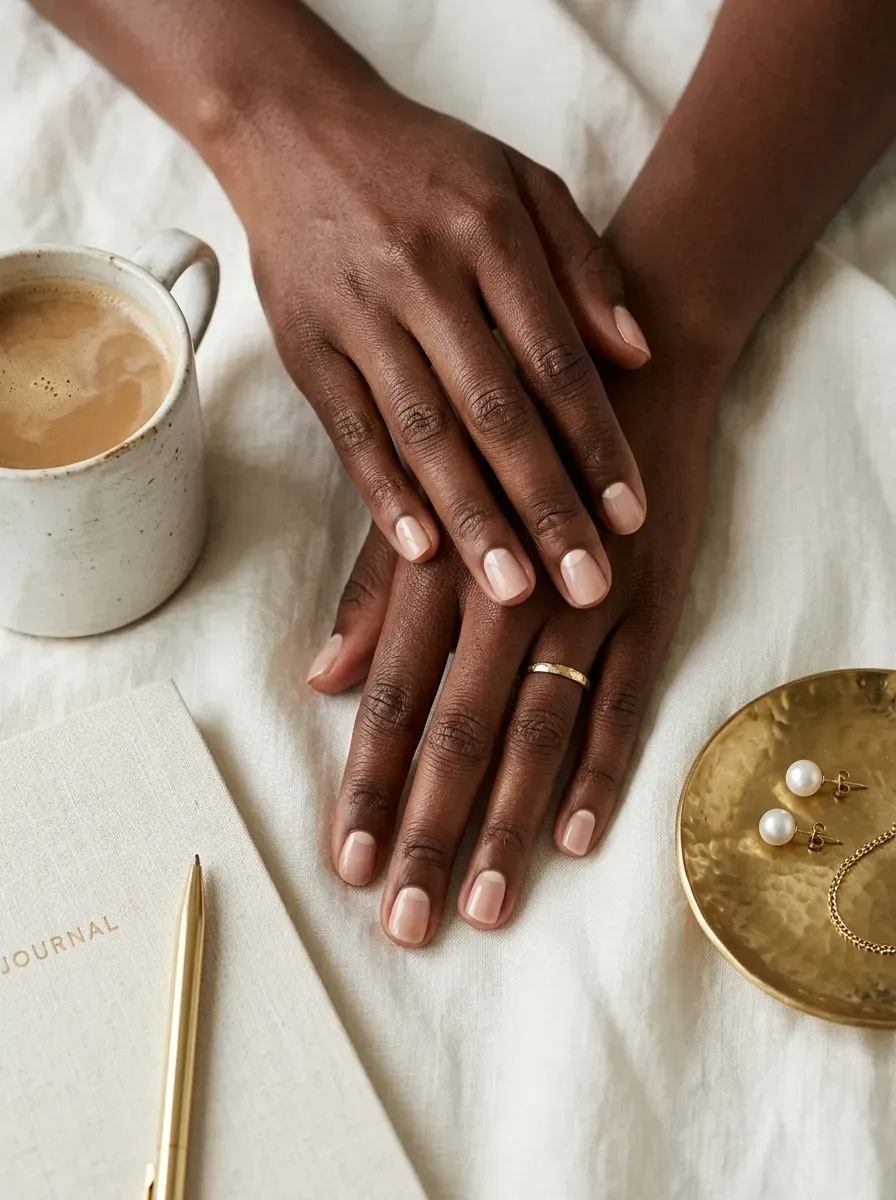
Reverse French nails move the accent from the tip to the cuticle. Using a soft beige or milky tone rather than bright white keeps the design understated.
It is also useful if your free edges tend to chip quickly because the detail sits away from the impact zone.
Leave a very small gap between the painted half moon and cuticle. Flooding that area can cause early lifting.
See also Fall Transition Nail Colors: 40+ Chic Shades to Take You From Summer Into Fall
20. Floating Natural French Lines
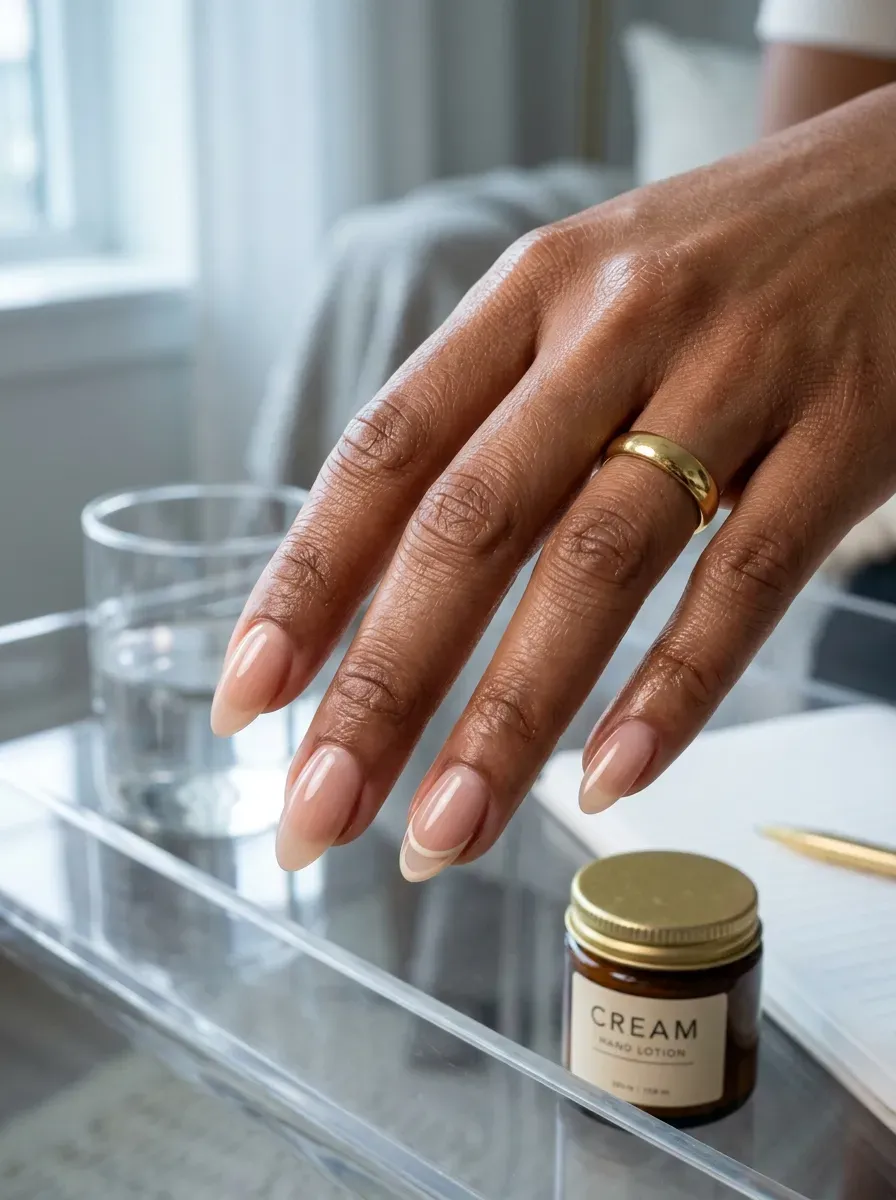
Floating French lines sit slightly above the true free edge, leaving a narrow strip of clear or nude nail underneath.
Using ivory rather than bright white keeps the effect soft even though the placement is more modern. Medium almond nails provide enough space for the gap to show.
Keep the underside of any transparent extension clean because residue will be visible through the negative space.
21. Double Nude French Lines
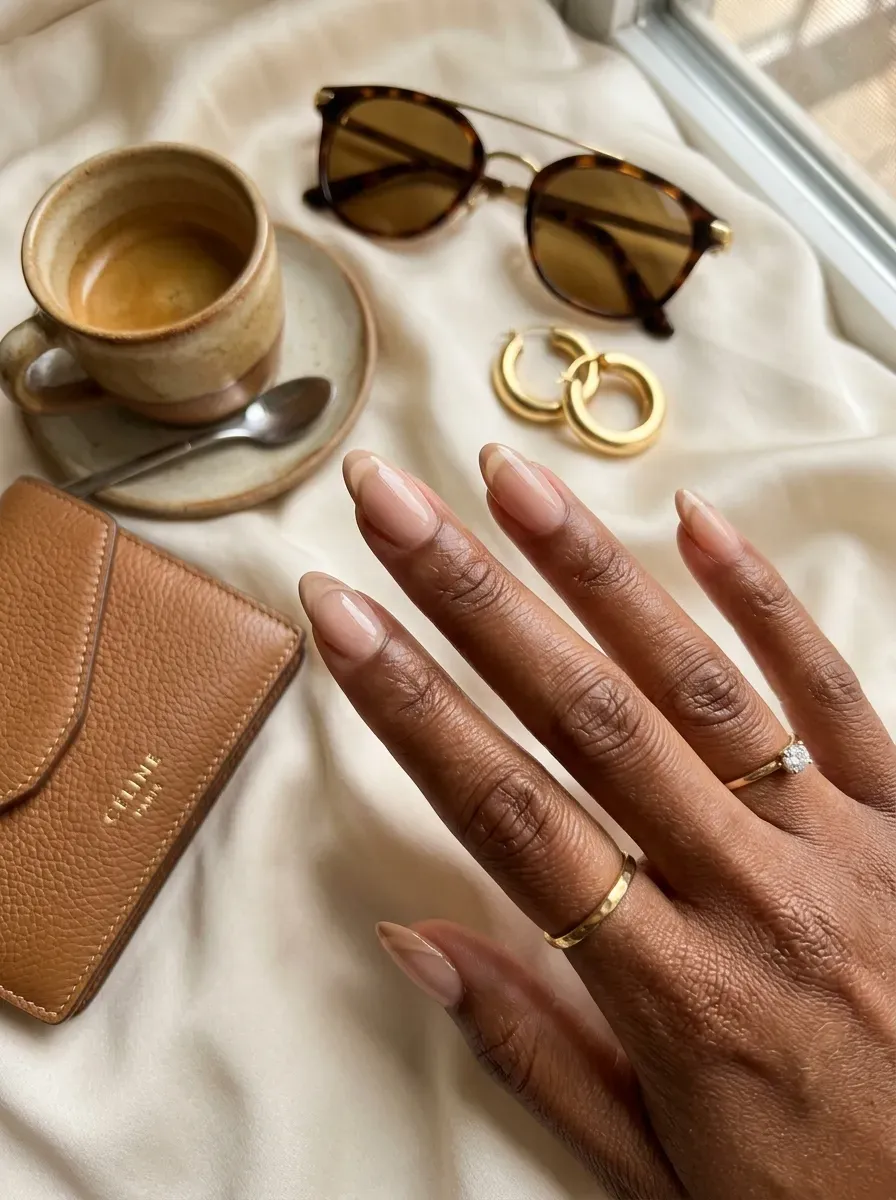
Double lines can still feel natural when both shades remain within a nude palette. A beige outer edge paired with a lighter cream line gives the tip dimension without obvious nail art.
Medium nails offer enough room to keep both lines fine.
Maintain consistent spacing across the hand. Uneven gaps become more noticeable than the color difference itself once the manicure is viewed up close.
22. Soft French Ombré Tips
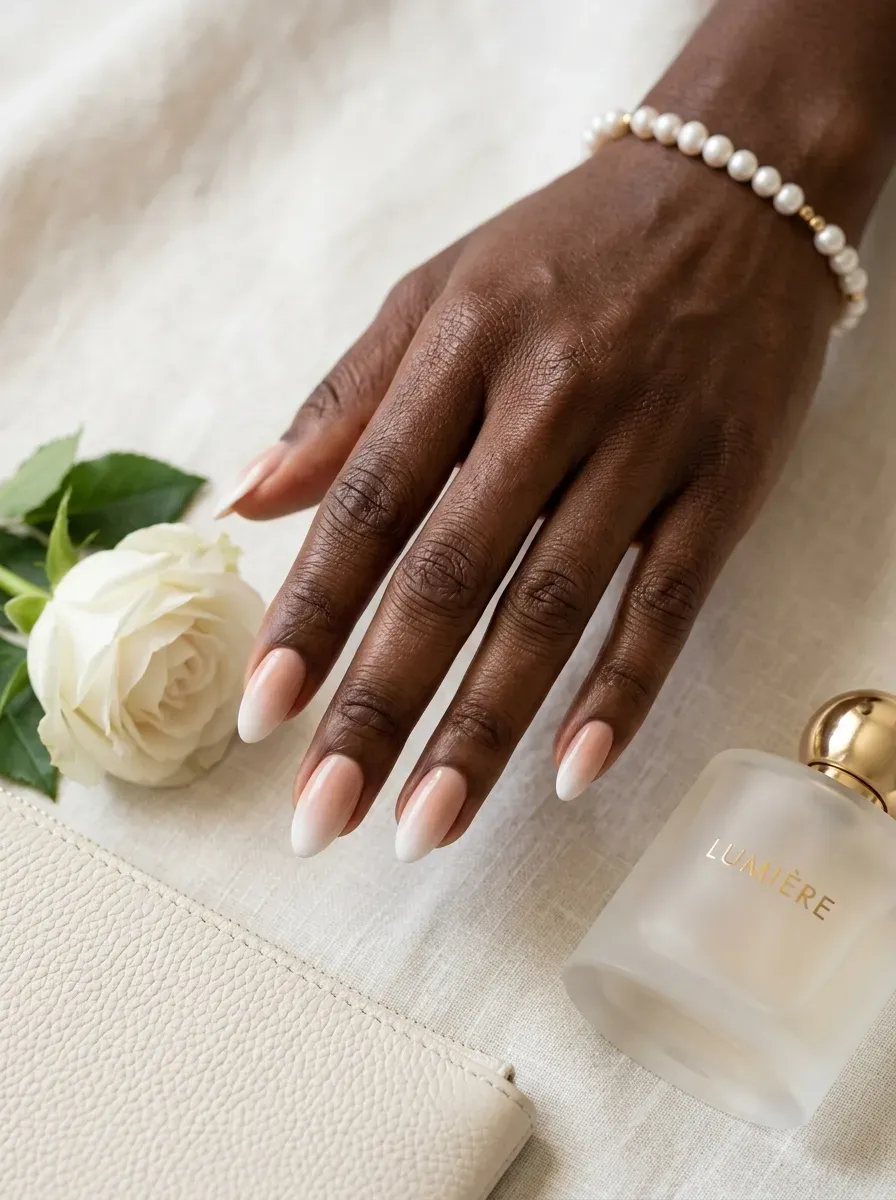
French ombré removes the sharp smile line completely and blends the white free edge into a nude base.
That soft transition makes the manicure look especially natural as it grows because there is no hard border to shift outward.
Keep most of the white concentrated near the edge. Blending it too far into the nail bed can create a cloudy finish instead of a clean gradient.
23. Baby Boomer Natural French Fade
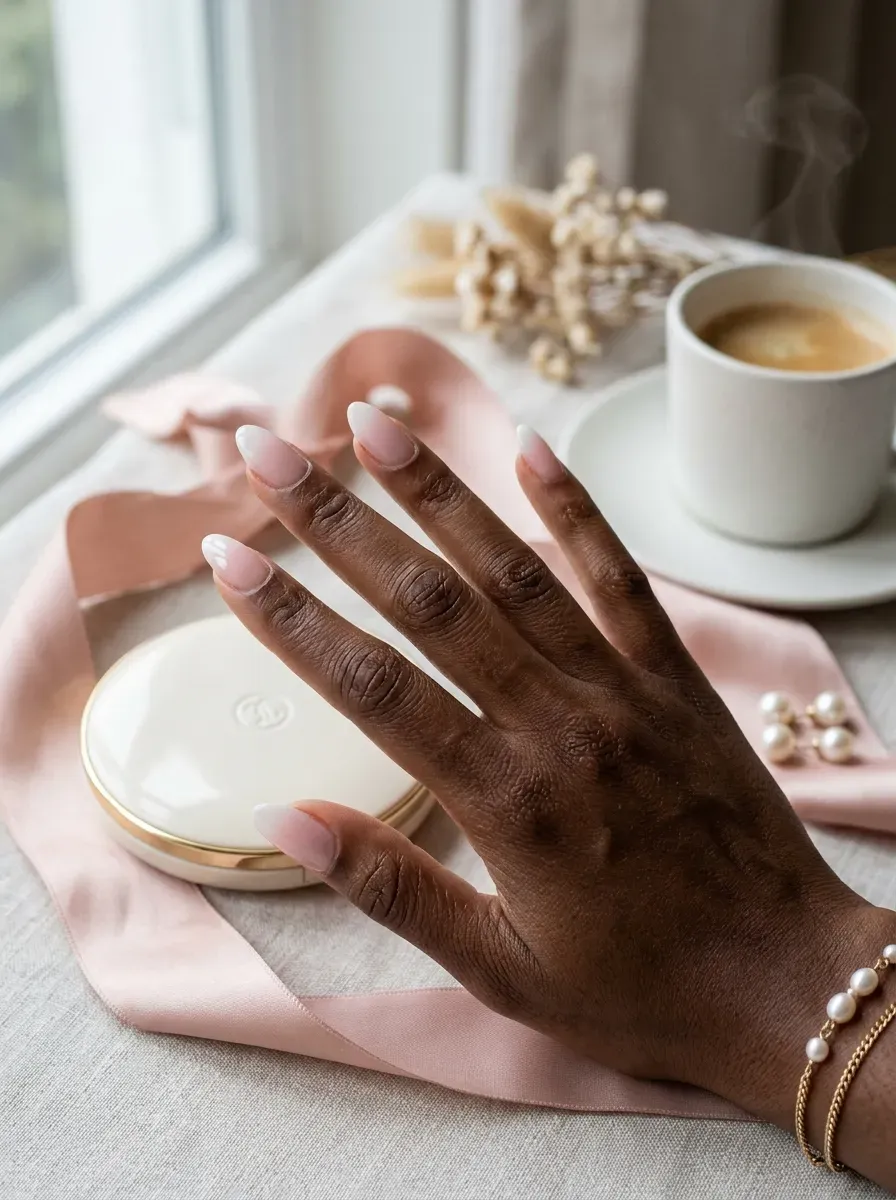
Baby boomer nails use a more noticeable pink to white fade than a sheer ombré but still avoid a defined tip line.
The technique works well when the natural nail bed has uneven coloring because the blend creates a smoother visual surface.
For a natural result, choose a translucent blush rather than an opaque pink. The more coverage the base has, the more artificial the finish can appear.
Read also 30 Romantic Picnic Date Ideas for Couples: A Soft Escape from the World
24. Glazed Natural French Tips
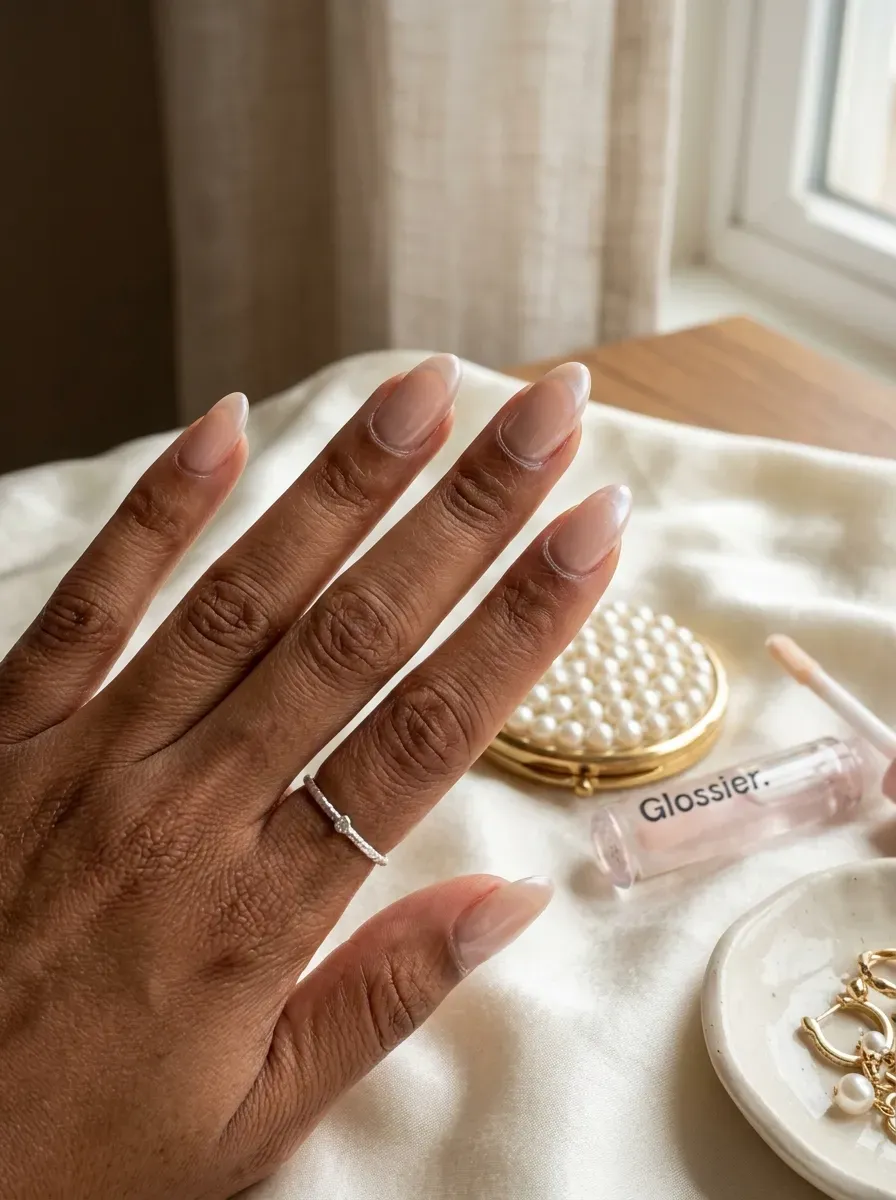
A glazed French tip adds translucent pearl shine without making the nail look metallic.
The effect is most convincing over a sheer nude base because the natural nail remains visible underneath the reflection. It catches light gently rather than flashing like chrome.
Rub in only a small amount of pearl powder. Heavy application can quickly turn a subtle glaze into an opaque reflective finish.
25. Pearl Sheen French Tips
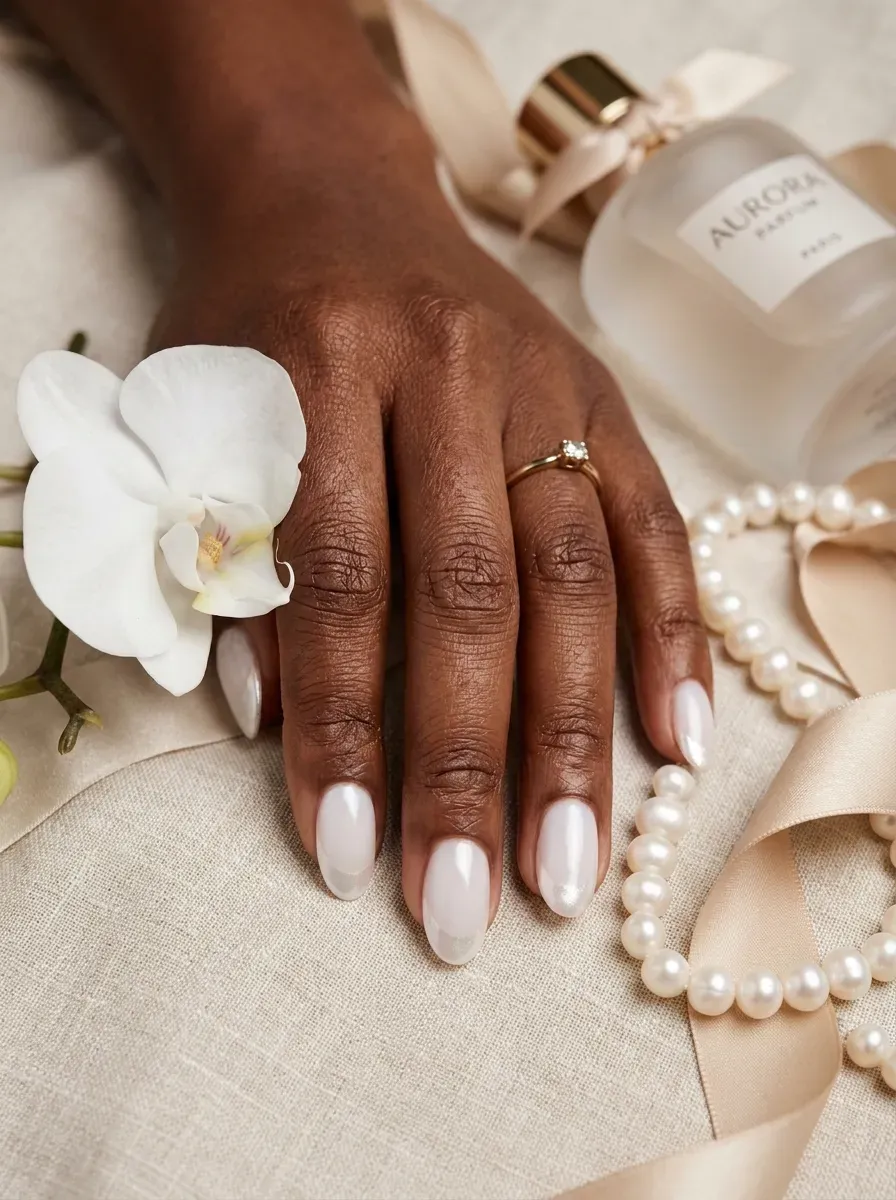
Pearl sheen sits between a cream finish and chrome. The tip reflects light softly but still looks white or ivory from most angles.
That makes it useful when you want something slightly more polished than classic French without obvious shimmer.
Apply the pearl only to the tip rather than the whole nail. Keeping the base glossy and plain preserves the contrast between finish and color.
26. Matte Nude With Glossy French Tips
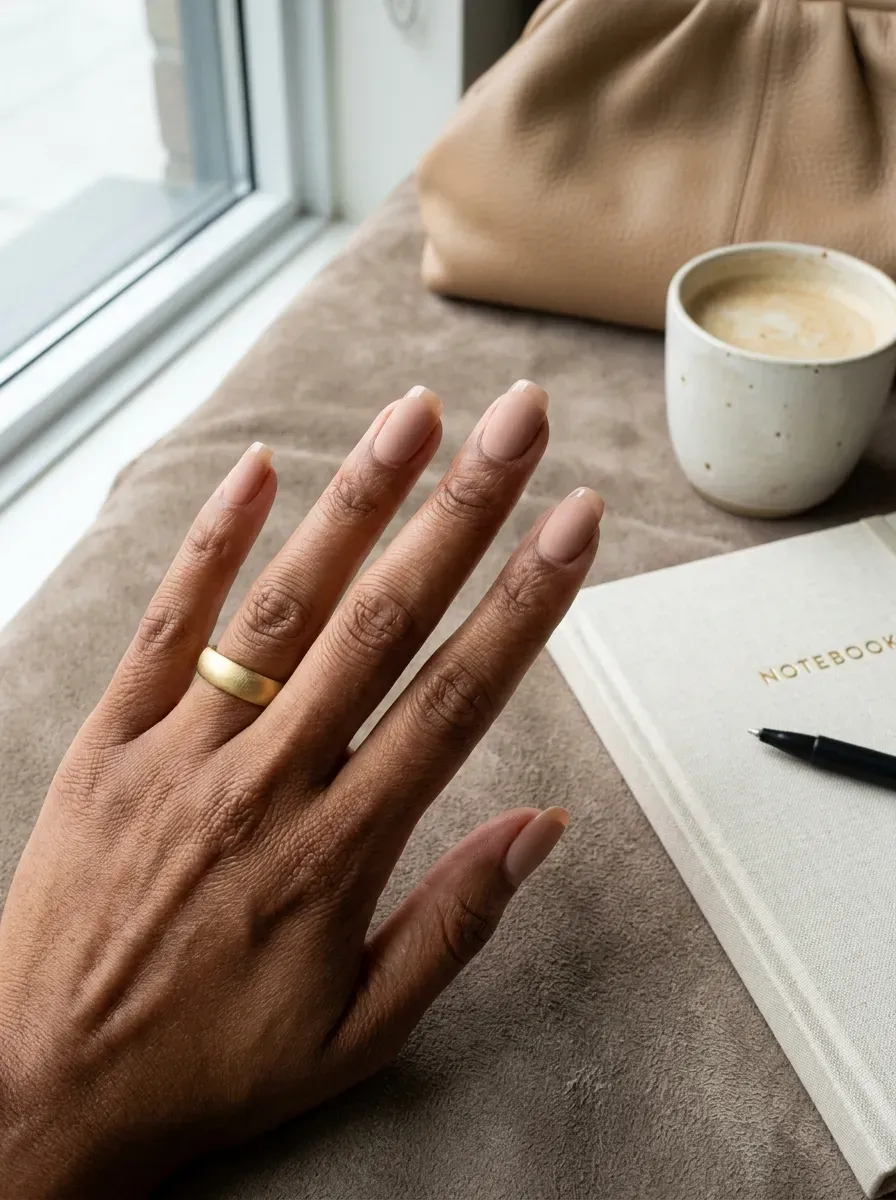
This manicure defines the French edge with texture instead of color. A matte nude nail bed sits beside a clear glossy tip, creating a quiet contrast that appears strongest when the hand moves.
The neutral palette keeps the design from looking too graphic.
Apply matte top coat first, then paint the glossy edge carefully afterward. Any overlap will show immediately because the finishes reflect light differently.
27. Satin Nude French Tips
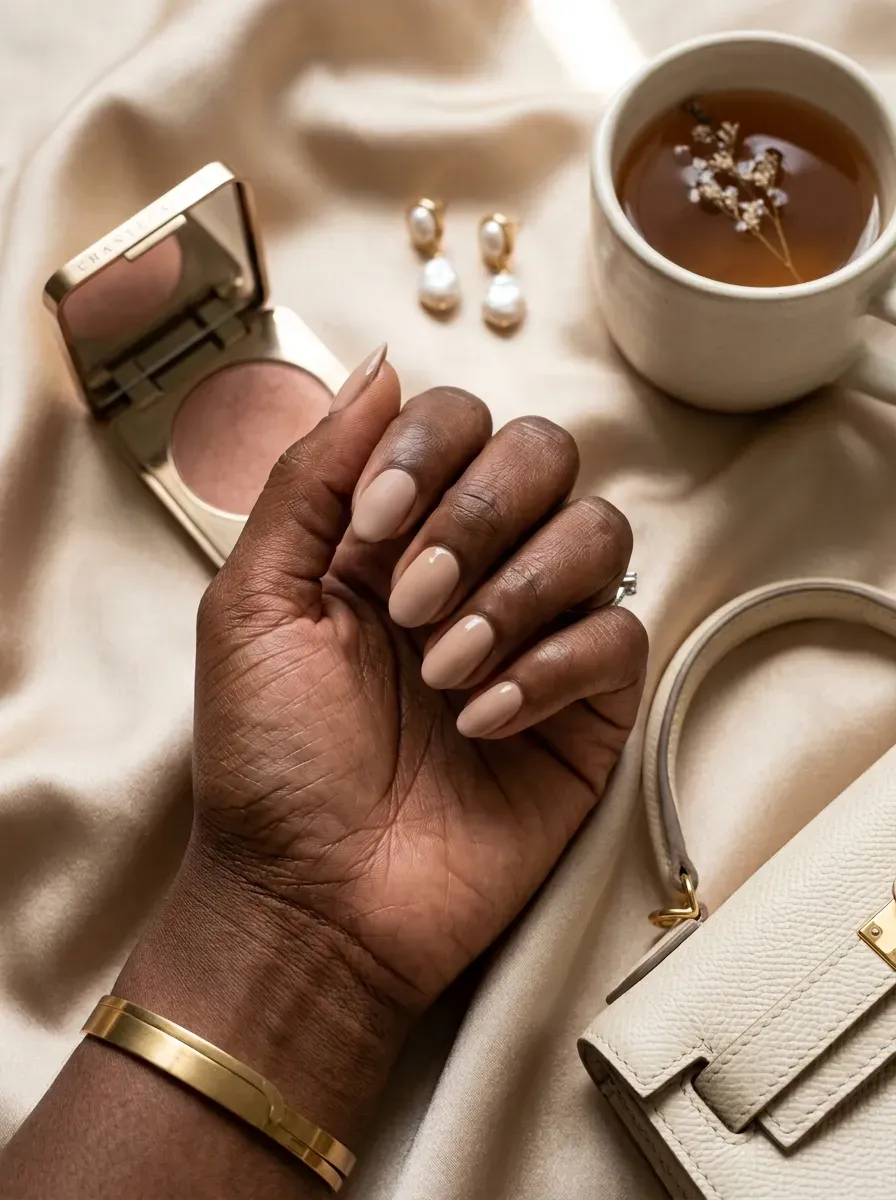
A satin finish gives nude French tips a soft glow without the mirror shine of high gloss. The result can make tonal beige and caramel combinations easier to see while still keeping the manicure understated.
This works particularly well on medium oval nails.
Use a satin top coat only over the free edge if you want a visible finish contrast. Applying it everywhere can flatten the entire design.
See more 15 Thoughtful Relationship Building Activities That Strengthen Connection in Meaningful Ways
28. Nude Jelly French Tips
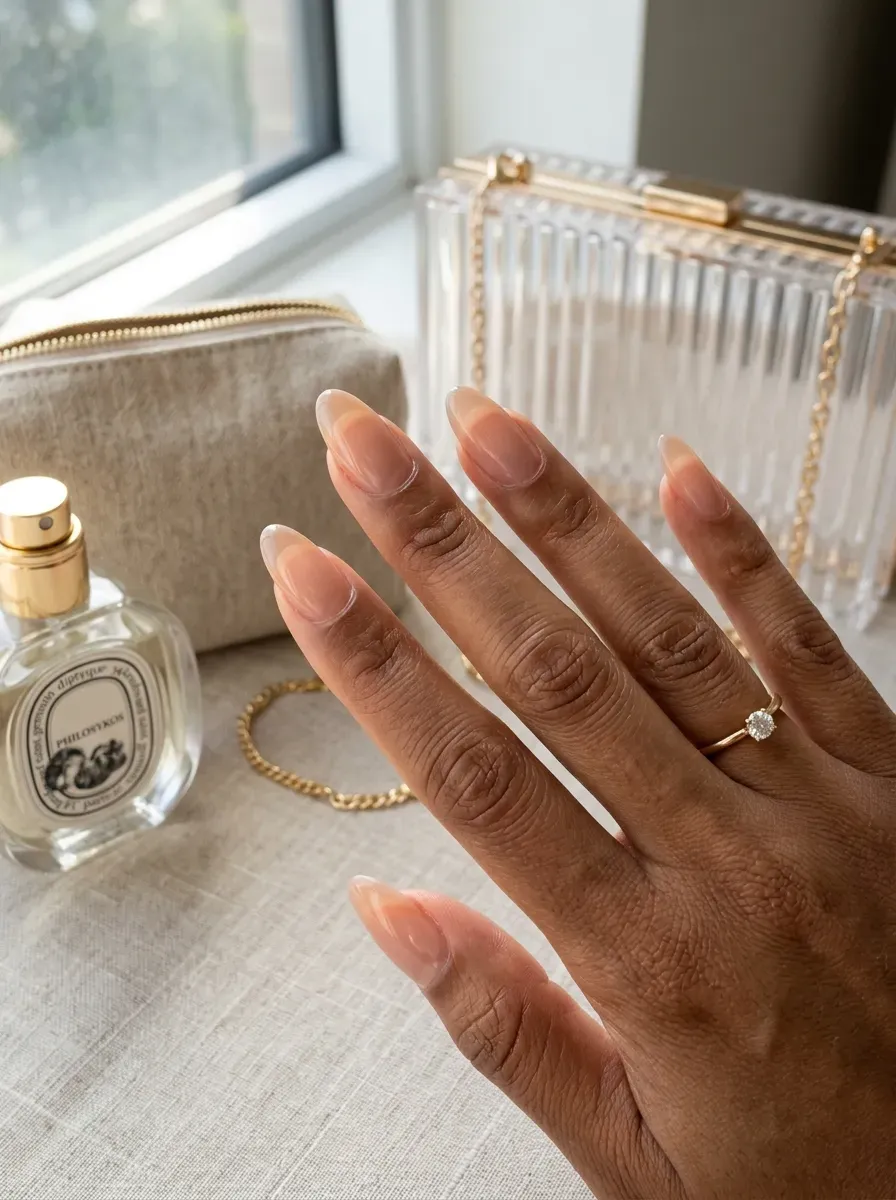
Nude jelly tips tint the free edge without making it opaque. Beige, caramel, and rosy jelly shades work especially well on clear or very sheer extensions because light can still pass through.
The result looks more dimensional than cream polish.
Build the color slowly with thin coats. Jelly formulas show streaks easily, and a single heavy layer can look uneven once the nail catches direct light.
29. Translucent Ivory French Tips
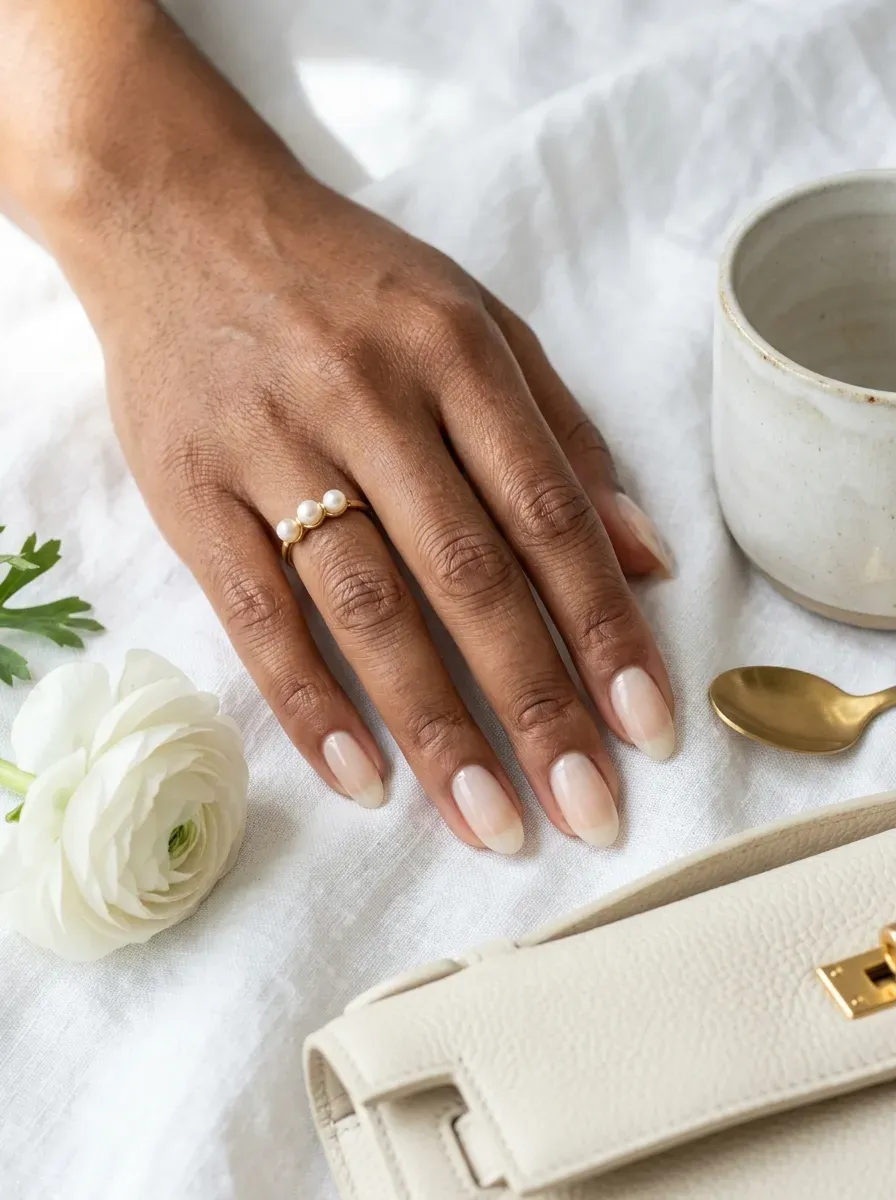
Translucent ivory gives the free edge a cloudy softness rather than a solid white block.
It works especially well if you want your French manicure to look close to naturally healthy nails, since real free edges are rarely pure opaque white.
Use one thin ivory coat and stop there. Adding extra layers can remove the transparency that gives this version its realistic quality.
30. Tiny Dotted French Tips
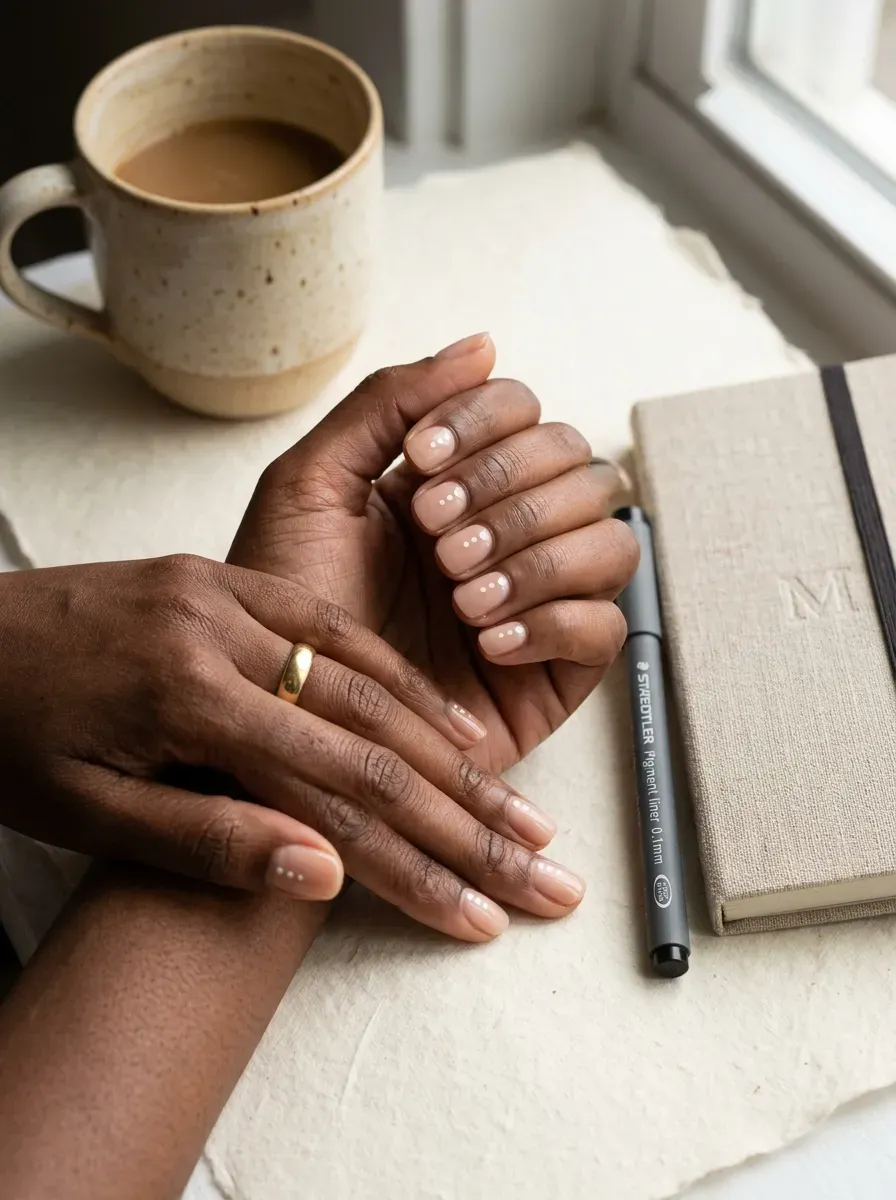
Tiny dots following the free edge offer a subtle alternative to a solid French line. The spaces between the dots keep the design light even when white polish is used.
Short round and squoval nails carry the detail especially well.
Choose the smallest dotting tool available and reload it frequently. Dots that gradually shrink across the tip make the pattern look accidental rather than deliberate.
31. Single Pearl Accent French Tips
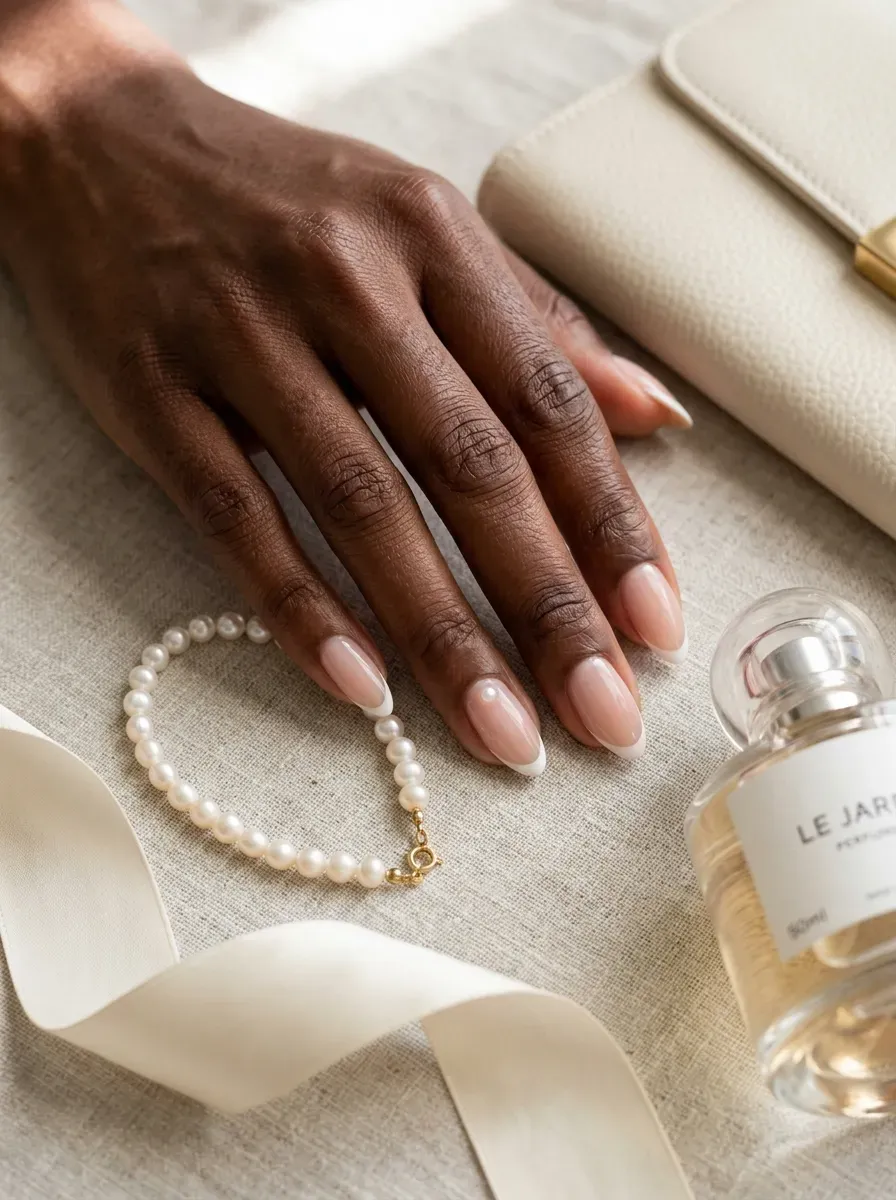
A single micro pearl can add detail to an otherwise natural French manicure without covering the nail in embellishment.
Placing one pearl near the cuticle or on a single accent finger keeps the overall set quiet. Smaller flat back pearls sit more securely than rounded beads.
Secure the pearl with gem gel and seal around its base rather than coating over the surface, which can dull the finish.
32. Fine Gold Natural French Tips
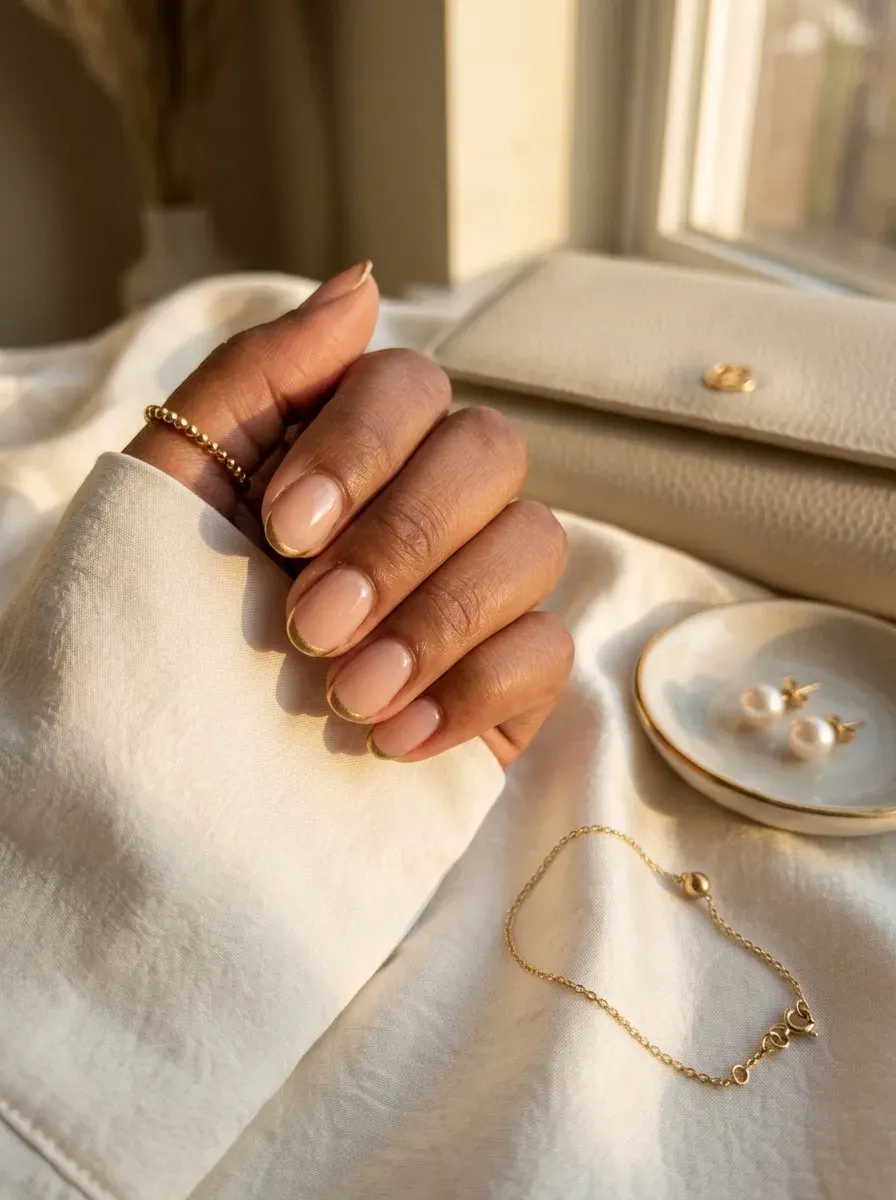
A hair thin gold edge can still feel natural when the rest of the nail remains sheer and unembellished.
The metallic line behaves more like jewelry than nail art, especially against warm beige and caramel bases. It works best on short and medium lengths.
Choose a smooth metallic gel instead of glitter. Glitter particles can make such a fine tip look uneven or thicker than intended.
Check out 35+ Thick French Tip Nail Designs for Bold, Statement Nails
33. Fine Silver Natural French Tips
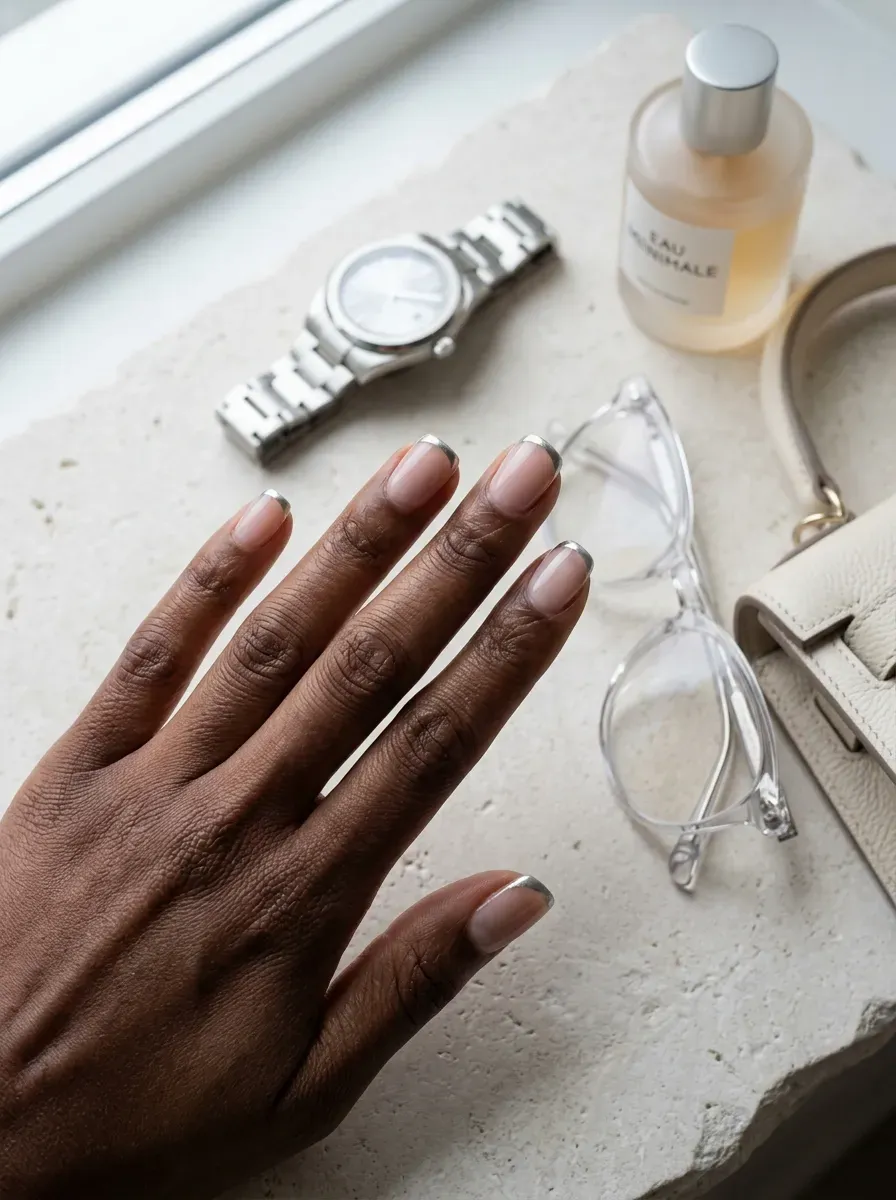
Silver gives a natural French manicure a cooler finish while keeping the design simple. A very narrow metallic edge pairs well with silver jewelry, white gold, and neutral wardrobes.
The effect is most subtle over sheer pink or clear bases.
Seal the free edge carefully because fine metallic finishes show wear quickly. One small chip can interrupt the continuous line more visibly than with ivory or beige polish.
34. Latte French Tips
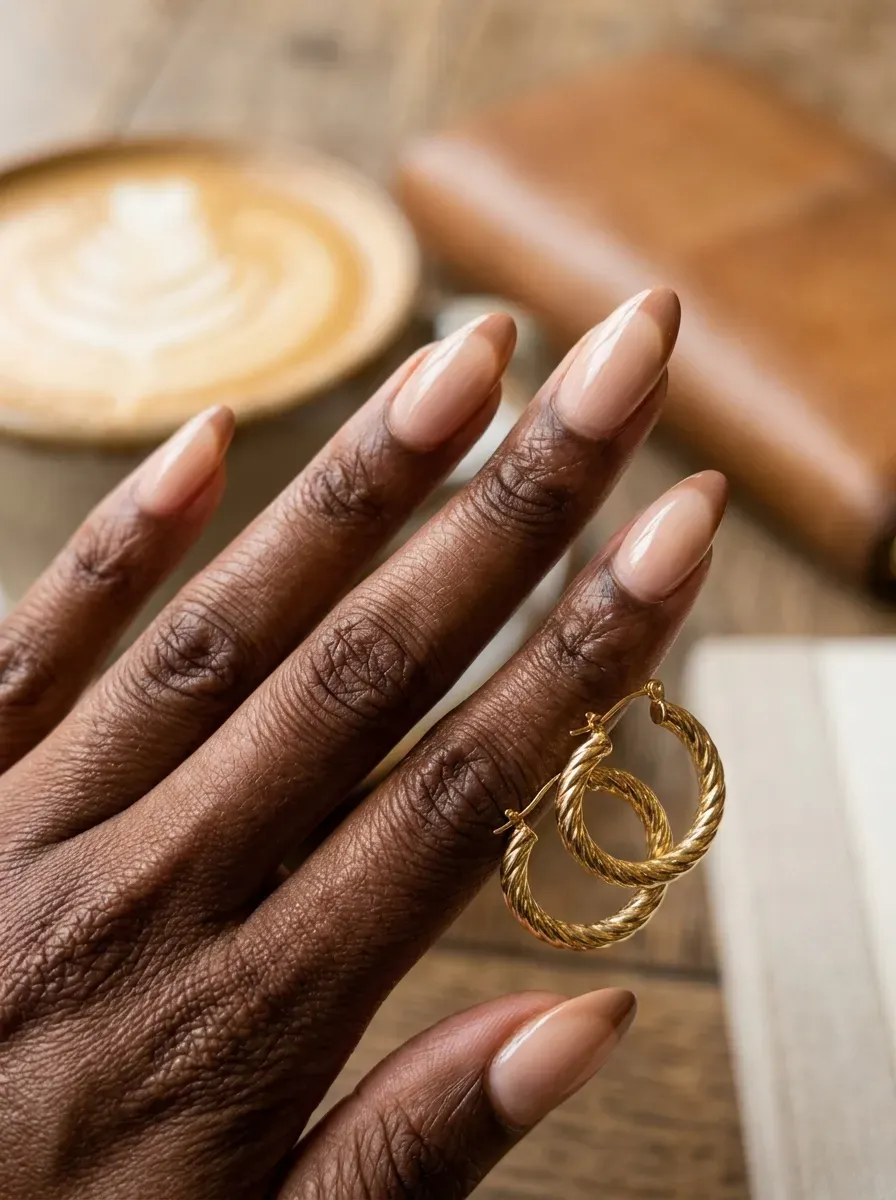
Latte tips use a creamy beige brown that is lighter than cocoa and softer than caramel. The shade gives the free edge definition while staying within a very natural neutral palette.
It works especially well with warm and medium skin tones.
Pair latte tips with a base that is slightly lighter and more translucent. Too much similarity between the shades can flatten the French effect completely.
35. Taupe Natural French Tips
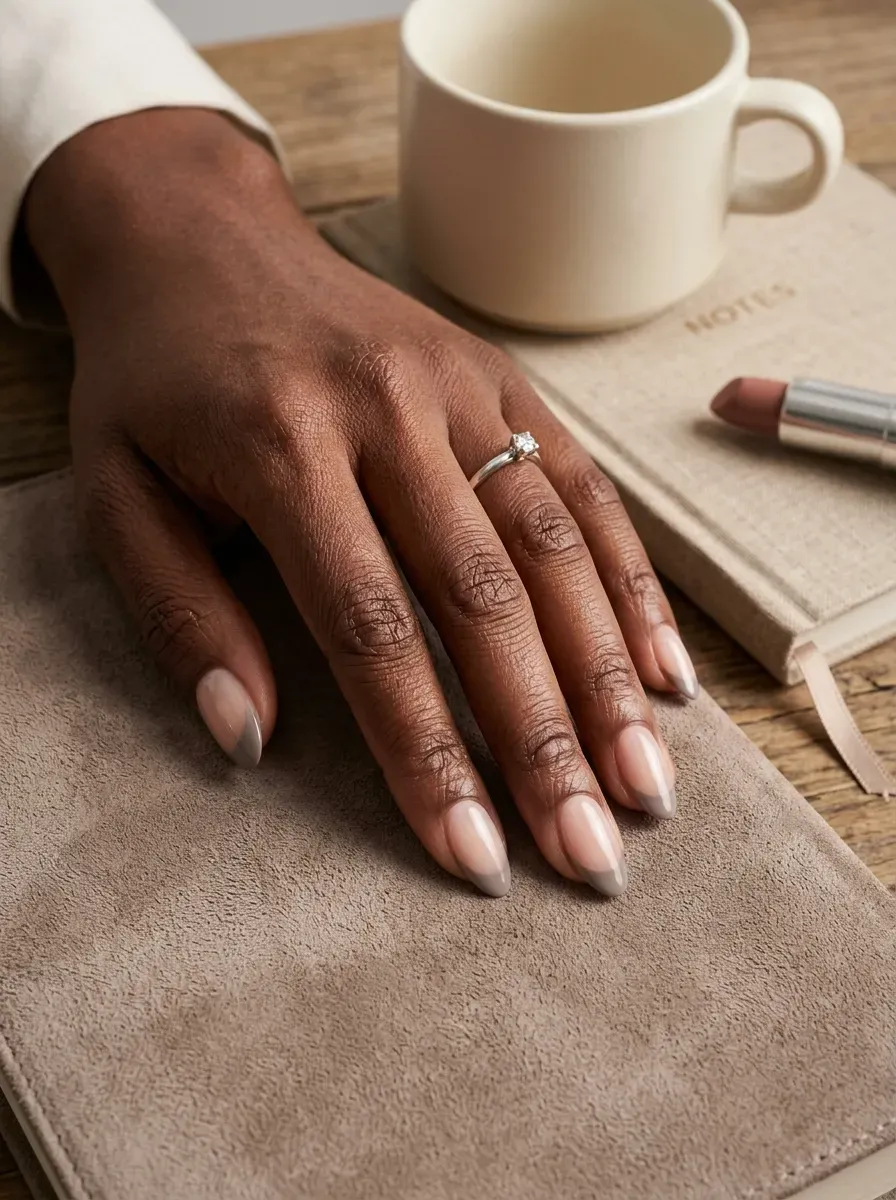
Taupe sits between gray and brown, making it useful when warm beige feels too yellow and gray feels too cool.
A narrow taupe tip can define short almond nails without creating a dramatic contrast line. It also pairs well with both gold and silver jewelry.
Choose a taupe with some warmth if your skin has golden undertones so the finished edge does not look overly gray.
36. Rose Beige French Tips
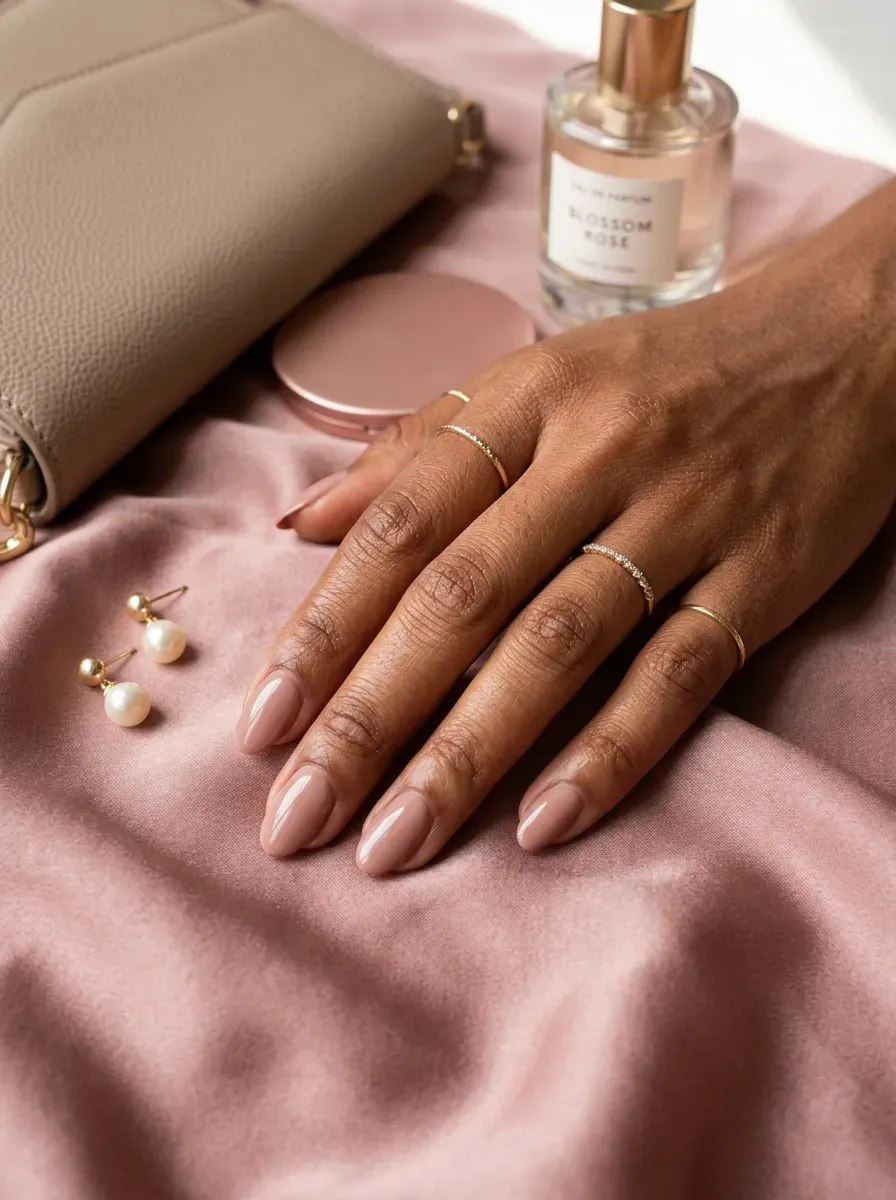
Rose beige is an easy option if you like pink nails but want something quieter than blush or baby pink.
The small amount of brown in the shade keeps it grounded, while the rose undertone adds warmth to the free edge.
A milky beige base complements this color better than cool pink. Pairing two different pink undertones can make an otherwise subtle French manicure look mismatched.
37. Sheer Mauve French Tips
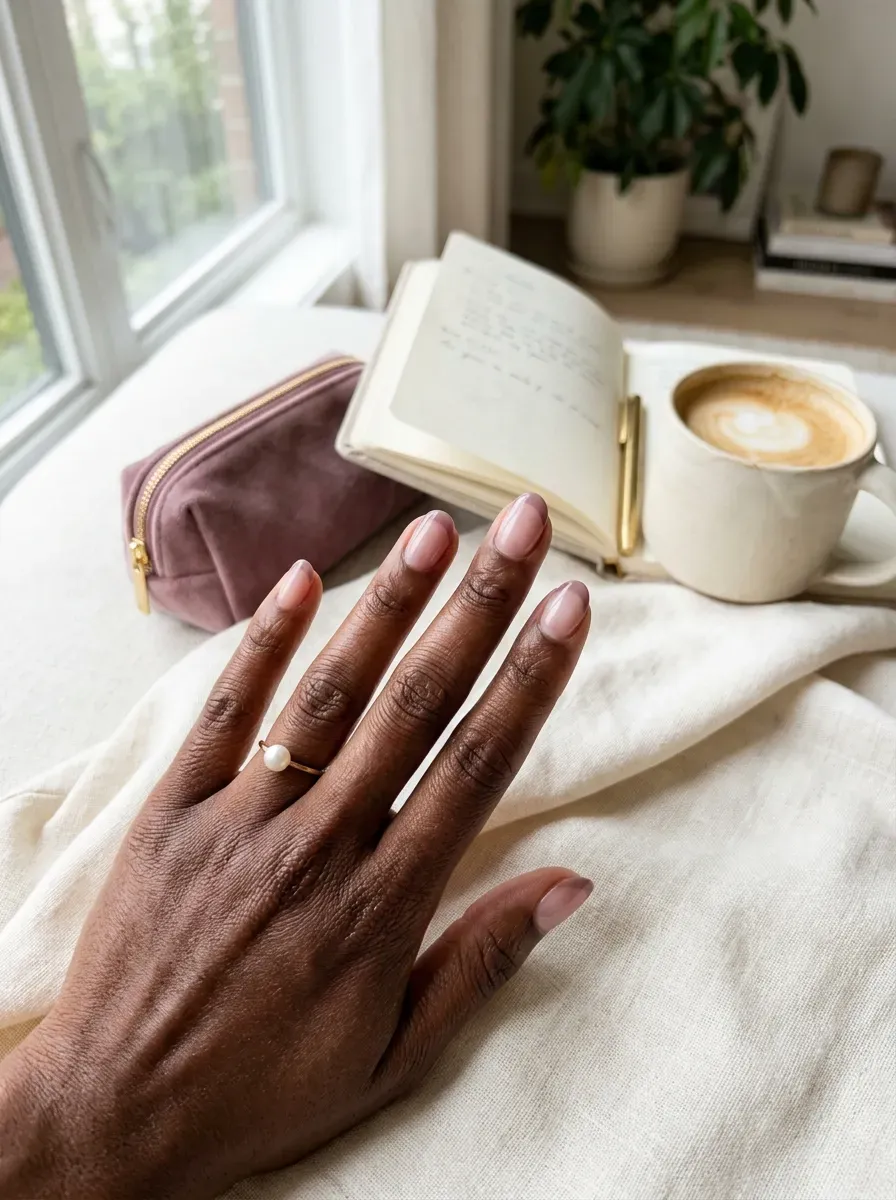
Sheer mauve adds a muted purple pink cast to the free edge without making it opaque. The translucency keeps the manicure soft enough for everyday wear while giving the tip more depth than a neutral beige.
Short oval nails suit the shade especially well.
Apply the mauve in thin layers. Building too much color removes the soft transparency that makes this version look natural.
Continue reading Ombré French Tip Nail Ideas for a Soft Gradient Look
38. Natural French Tips on Very Short Nails
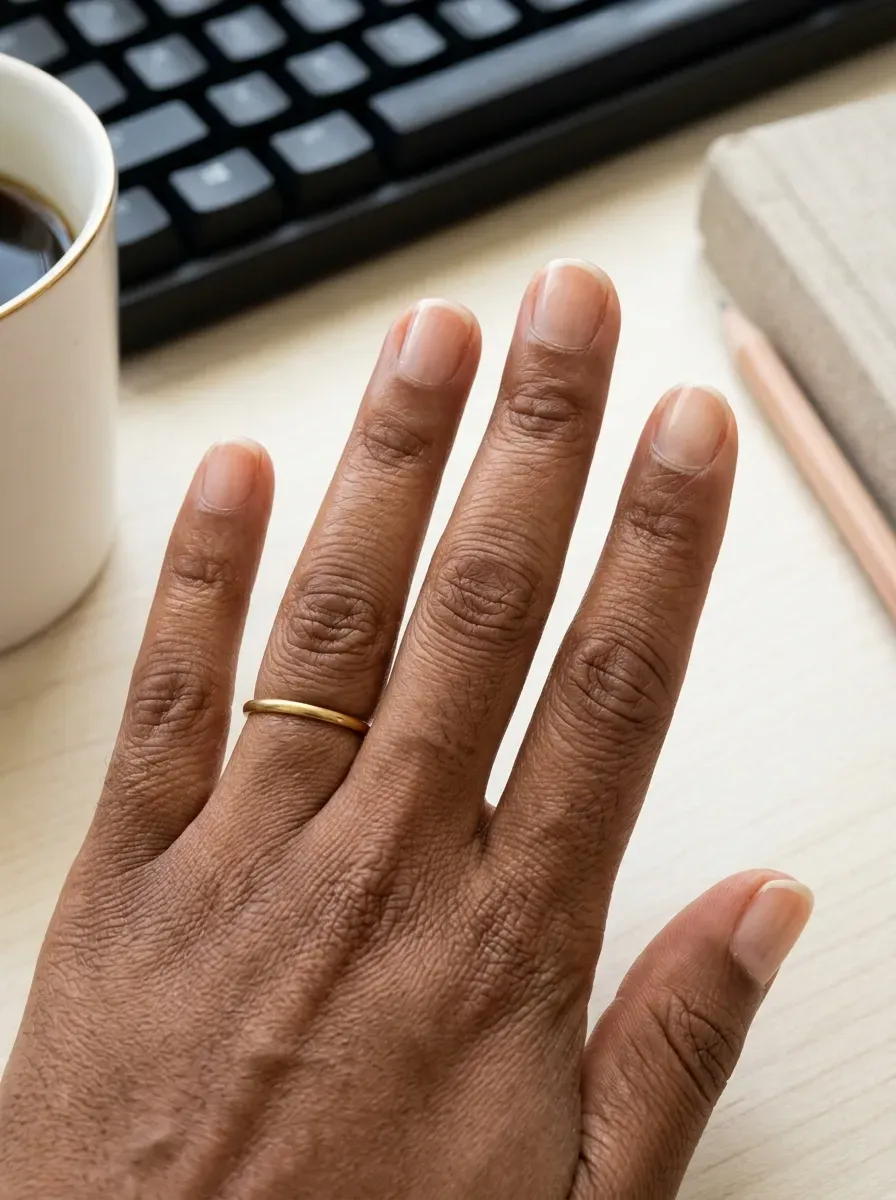
Very short nails can still carry a French manicure if the edge stays proportional. A thick white line will consume too much of the nail plate, while an ultra fine ivory or white line simply sharpens the shape.
Round or soft square filing works best at this length.
Paint only the visible edge rather than creating a deep artificial smile line. That preserves as much nail bed as possible.
39. Natural Builder Gel French Tips
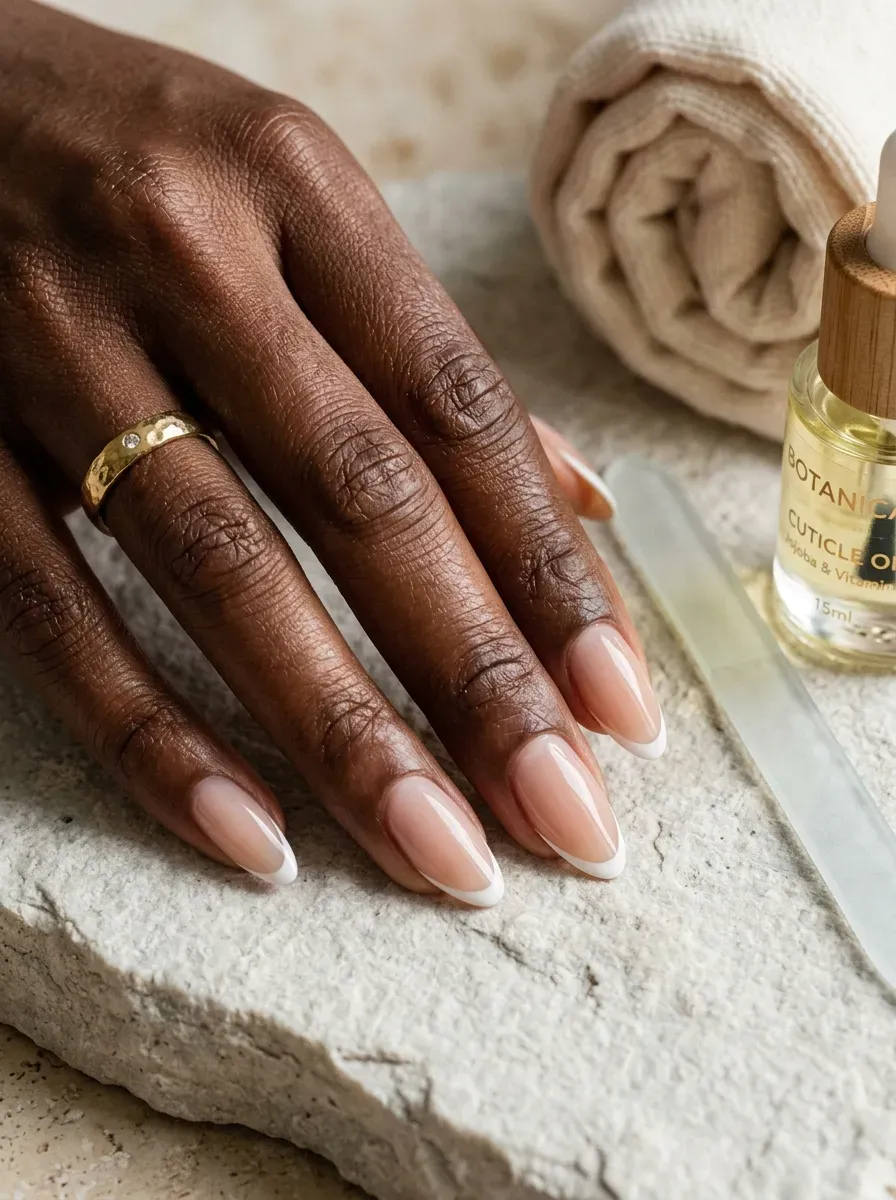
Builder gel can create a natural looking French manicure when it is used to smooth uneven nails rather than add dramatic length.
A sheer beige or pink builder base gives the nail a consistent surface, while a narrow white tip keeps the finish understated.
Ask for a low, balanced apex. Excessively thick structure makes a natural French tip look heavier than the color itself.
40. Clean Negative Space French Tips
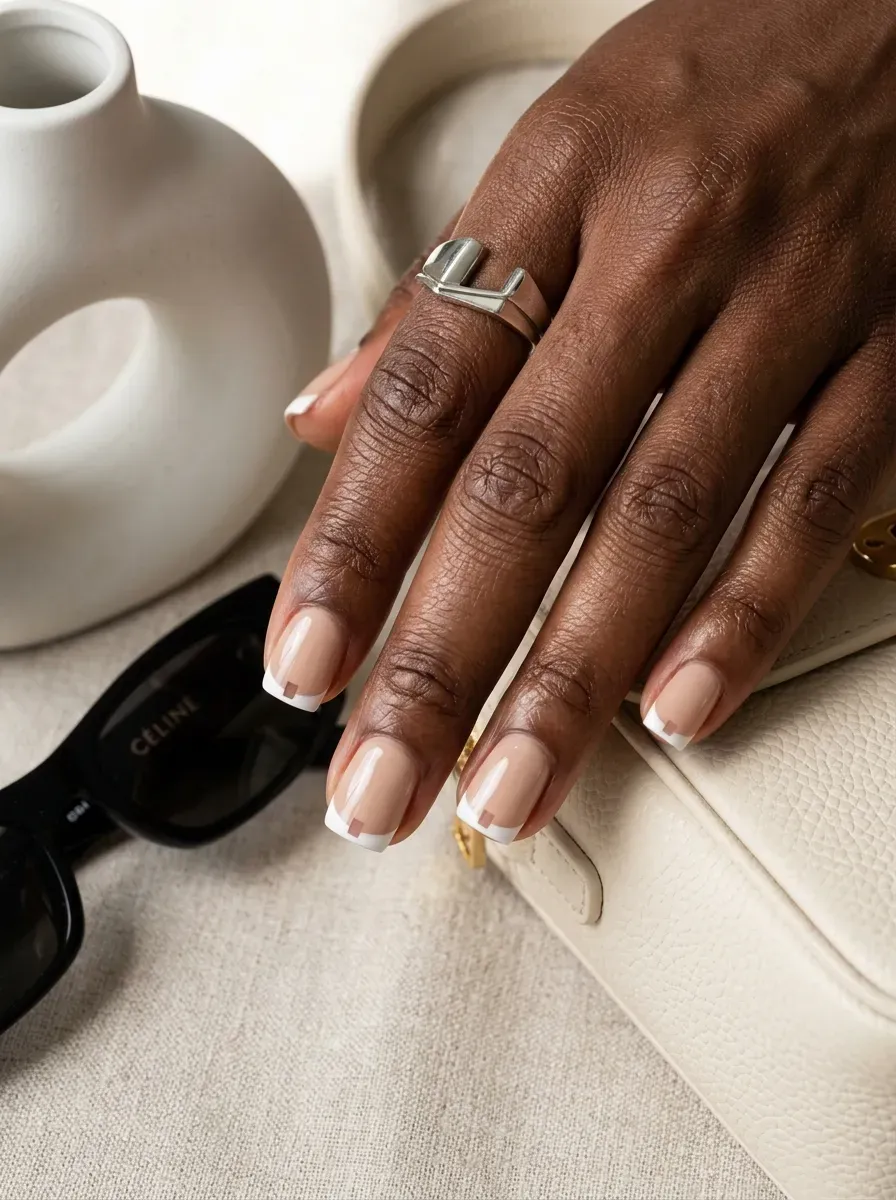
A small negative space break can modernize a natural French tip without adding another color.
The gap should stay narrow so the design still reads as a clean manicure rather than graphic nail art. Short square and medium almond nails both work well.
Paint the full tip first, cure it, then carve the tiny gap with base color. That gives cleaner edges than trying to leave the space open initially.
41. Soft V Natural French Tips
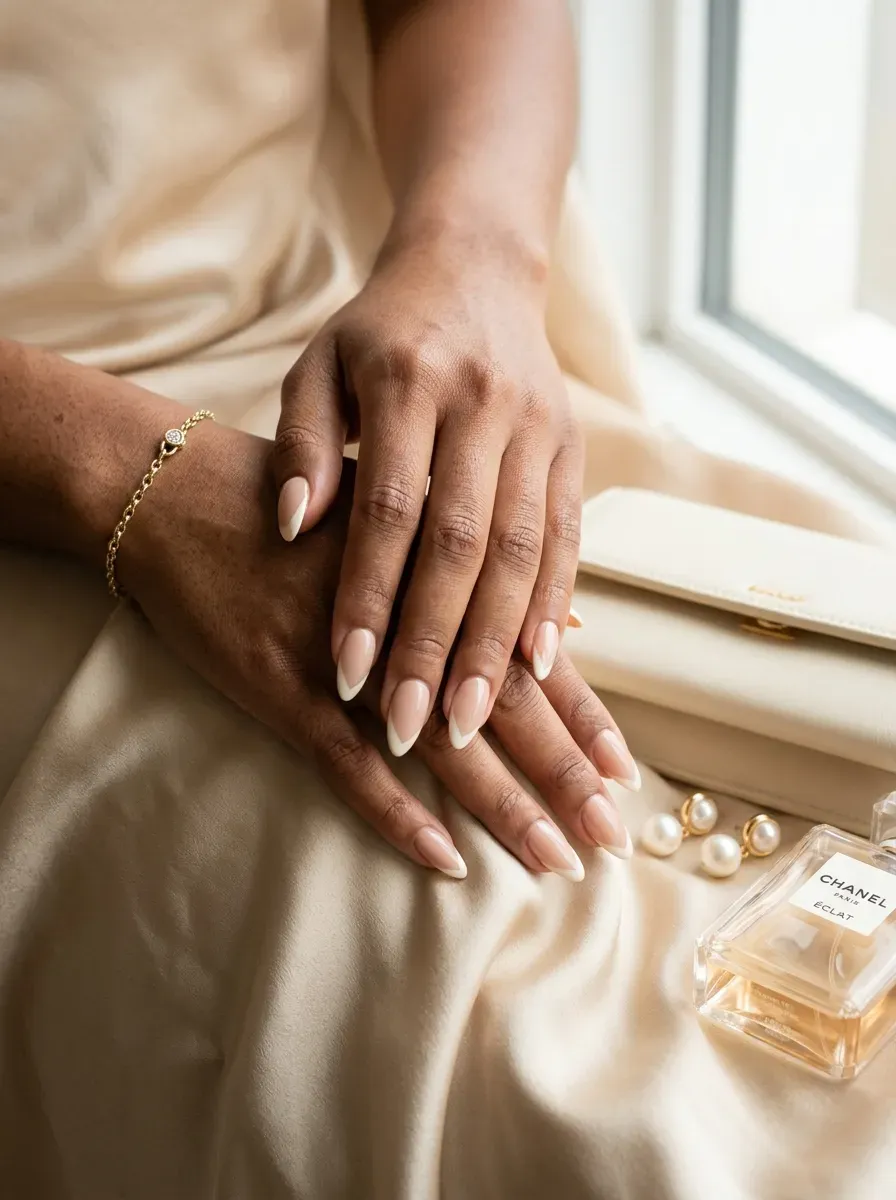
A shallow V can give natural French tips a little more structure without turning them into a dramatic geometric manicure.
The two diagonal lines gently lengthen almond and tapered square nails while the ivory color keeps the effect soft.
Keep the V shallow rather than extending deep toward the nail bed. A dramatic point changes the entire character of the design.
42. Soft White Natural French Fade
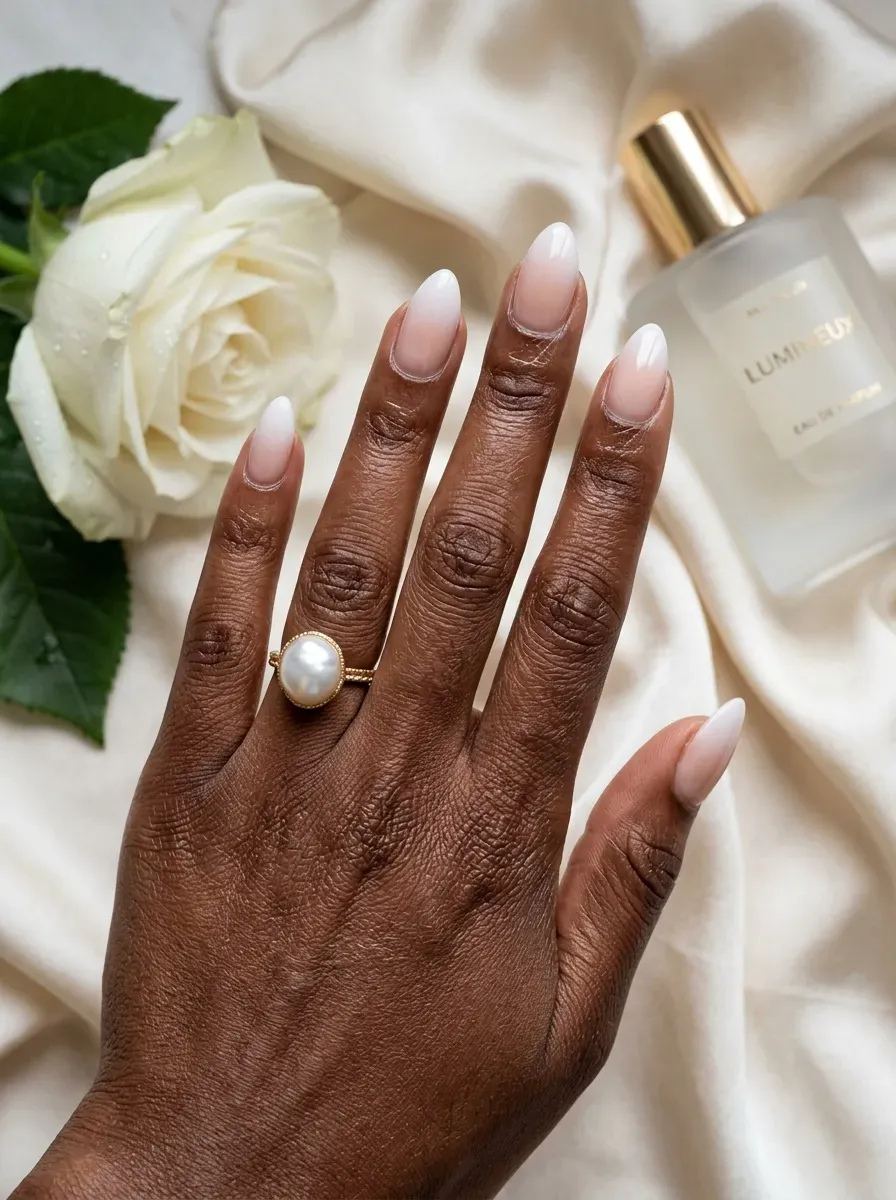
A soft white fade sits somewhere between a classic French tip and a full ombré manicure. The white stays concentrated close to the natural edge but blends gently upward so there is no harsh boundary.
That makes regrowth less noticeable than with a crisp tip.
Ask for the fade to remain shallow. Bringing white too far toward the cuticle can make the entire nail look cloudy.
See also DIY Simple Funky Nails at Home: Step-by-Step Beginner Guide (No Salon Needed!)
Why the Base Shade Matters More Than the White Tip
The most convincing natural French manicure usually begins with the base, not the white.
Sheer pink can brighten a nail bed with rosy undertones, while beige and peach beige tend to blend more naturally with warm or golden skin. Caramel toned nudes can be especially effective on deeper complexions because they even the nail without creating a pale band around the cuticle.
Opacity matters as much as color.
A completely opaque nude can make the nail look artificial because natural variations disappear. One or two sheer layers usually produce a more believable result while still disguising minor discoloration.
Test the base directly on the nail whenever possible. Plastic swatches do not reproduce the natural pink, beige, or brown showing through translucent polish.
The French tip color should be chosen only after the base is settled. Bright white can look crisp over sheer pink, while ivory, beige, or soft cream may blend more naturally over warmer nudes.
When the base and edge belong to the same undertone family, the finished manicure looks quieter without losing definition.
How Thin Should a Natural French Tip Be?
Tip thickness changes the entire manicure.
On very short nails, the French line should usually remain close to the actual natural free edge. Painting a large white band can remove too much visible nail bed and make the fingers look shorter.
Medium nails allow slightly more flexibility. A classic smile line can be wider, but the proportion should still leave most of the nail bed visible.
Long almond nails can support deeper curves, although a natural look usually benefits from restraint. A dramatic smile line may be beautiful, but it no longer reads as effortless in the same way a finer edge does.
Do not make every nail’s line exactly the same number of millimeters wide. The thumb naturally needs a broader tip than the pinky.
Instead, judge the proportion against each individual nail.
Look at the full hand before curing. A French manicure can appear balanced nail by nail but uneven once all five fingers sit together. Making those small width adjustments before curing is much easier than correcting finished gel.
How to Keep a Sheer French Manicure From Looking Streaky
Sheer nude, milky pink, beige, and jelly formulas are less forgiving than they appear.
Because they allow the natural nail to show through, every brush mark, uneven layer, and ridge can remain visible. Thick coats rarely solve the problem. They often create pooling near the cuticle and an overly opaque finish.
Start with a smooth nail plate. Light buffing can reduce surface ridges, but avoid thinning the natural nail aggressively.
Apply sheer polish in thin, controlled coats. Float the brush lightly rather than pressing the bristles into the surface, which can drag pigment away from the center and leave streaks.
Self leveling builder bases can help when the nail has deeper irregularities. Choose a translucent formula so the finished manicure still looks natural.
Allow each layer to settle briefly before curing.
The final top coat also matters. A smooth glossy layer can visually soften small inconsistencies, while matte top coat tends to expose them.
If two sheer coats already look even, resist adding a third just for extra coverage.
Natural French Tips on Gel, Acrylic, or Your Own Nails
The same French design can look very different depending on the underlying structure.
Natural nails give the most authentic result when their lengths are reasonably consistent. Regular gel polish can then add color and shine without changing thickness dramatically.
Builder gel is useful when the nails bend easily, have uneven surfaces, or need slight reinforcement. A thin overlay can smooth the plate while keeping the free edge slim. It also lets a technician correct minor shape differences without creating long extensions.
Acrylic can still look natural, but product control becomes more important. Thick sidewalls or an exaggerated apex will make even the softest French colors look artificial.
Ask for a shorter, balanced structure if natural appearance is the priority.
Gel extensions fall somewhere in between. They can give every nail consistent length while remaining relatively thin when fitted correctly.
Whichever system you choose, look at the nail from the side. A natural French manicure should not only have subtle color from above. The thickness and profile should also look believable.
Choosing the Natural French Tip That Fits Your Routine
Start with how long your nails actually are.
Very short nails usually look cleanest with barely there white, ivory, clear gloss, or micro nude tips. Medium round, oval, squoval, and almond nails can carry tonal beige, caramel, blush, ombré, or pearl sheen without losing the natural effect.
Longer nails give you more room for floating lines, double tips, builder gel structure, and subtle negative space.
Next, decide how much contrast you want. Sheer pink with white is more defined, while nude on nude, latte, taupe, and rose beige stay quieter.
Consider maintenance too. Simple cream tips are easier to touch up than chrome, pearls, or finish based designs.
For work and everyday wear, understated colors and shorter lengths usually require the least attention. Special occasions can justify pearl sheen, gold lines, or a softer V shape.
The best natural French tip should make your nails look intentional without making the manicure feel separate from your hands.