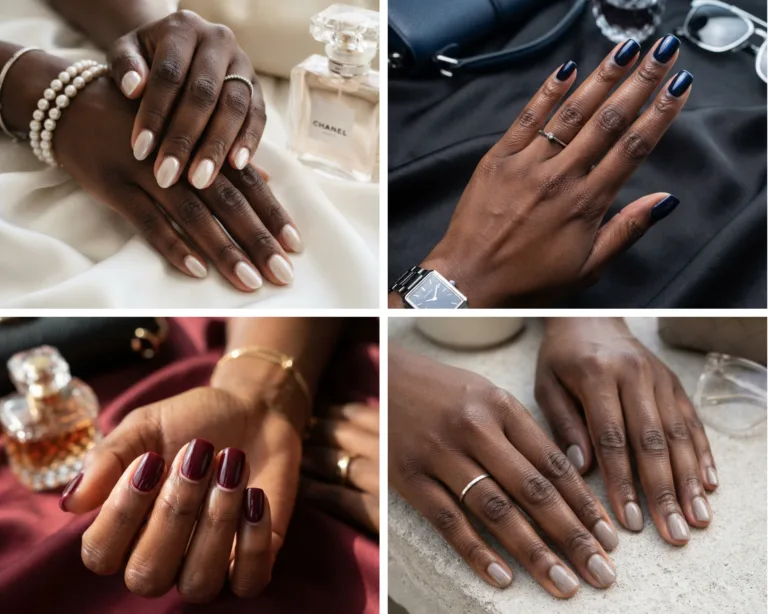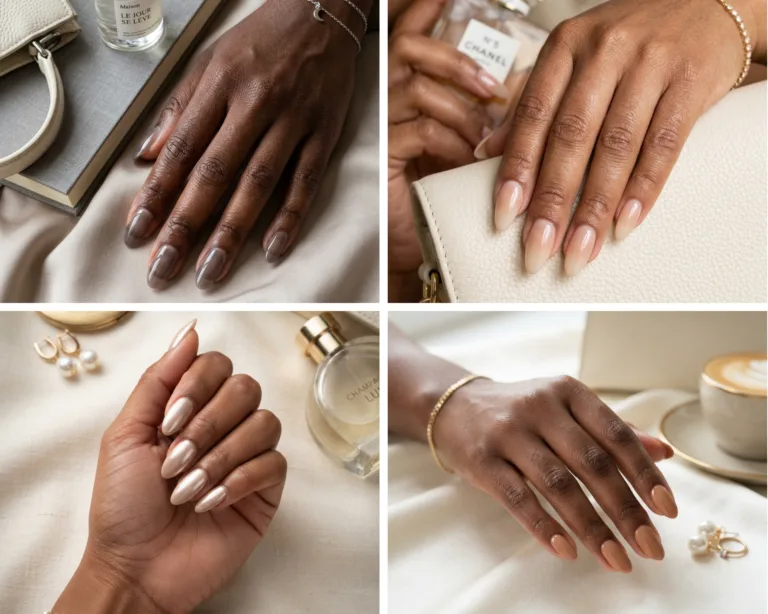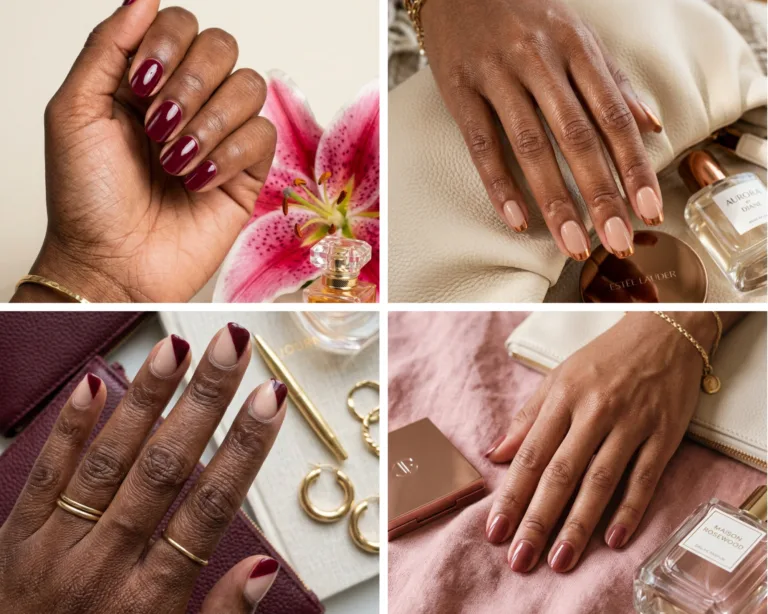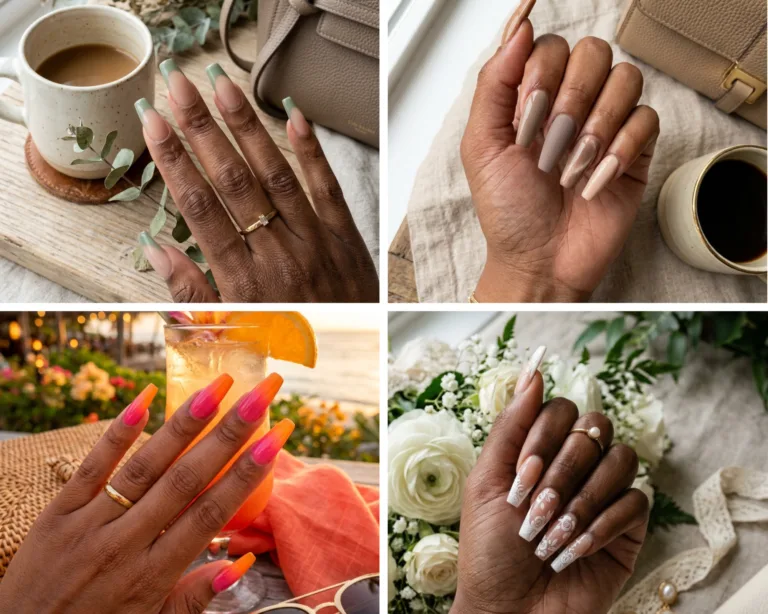
That late-August manicure appointment can be unexpectedly tricky. Bright coral and tropical pink still feel right in the sunshine, but your closet may already be shifting toward denim, light knits, brown leather, and deeper neutrals. Fall transition nail colors solve that awkward in-between by keeping some of summer’s softness while introducing warmer, moodier undertones.
Think caramel instead of pale beige, dusty rose instead of bubblegum pink, olive instead of mint, and black cherry jelly instead of opaque burgundy. Sheer finishes, muted blues, warm browns, earthy greens, and understated metallics make the seasonal shift feel gradual rather than forced.
Whether you prefer short natural nails or longer almond shapes, these transitional shades let you move into fall at your own pace. Start with an easy favorite: toasted caramel.
1. Toasted Caramel Gloss Nails

Toasted caramel warms up a basic nude without jumping straight into chocolate brown. The golden undertone looks especially natural beside camel, denim, cream, and gold jewelry.
Short squoval nails keep the shade practical for everyday wear. Apply two thin coats rather than one heavy layer so the cream formula levels smoothly around the cuticle.
Save for later 40 Short September Nails Ideas for the Perfect Early-Fall Manicure
2. Dusty Rose Cream Nails

Dusty rose takes the brightness out of summer pink without losing its softness. A touch of beige or brown in the base helps the color sit comfortably beside early-fall clothing.
Choose a warmer rose if your skin has golden undertones. A cooler mauve-rose works better when silver jewelry tends to flatter you.
3. Muted Olive Green Nails

Olive sits comfortably between summer sage and deeper forest green, making it one of the easiest colors for early fall. Its muted yellow-green base also works like a neutral with beige, brown, black, and denim.
Use a high-gloss top coat if the olive already contains a lot of gray. Reflection keeps the shade from looking flat.
4. Black Cherry Jelly Nails
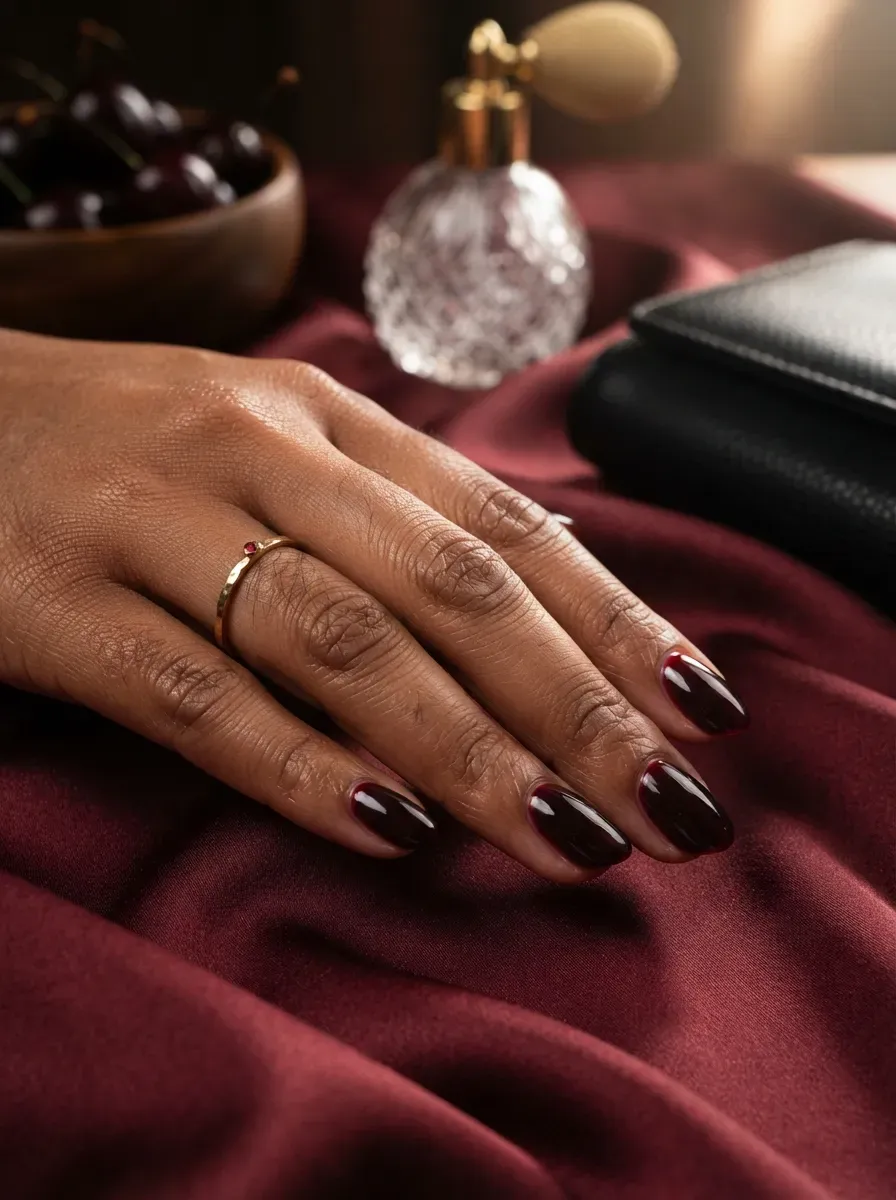
Black cherry gives you burgundy depth without the heaviness of fully opaque wine polish. The jelly finish lets light pass through the edges, which makes the shade feel more transitional.
Build the color with three thin coats. Heavy jelly application can turn nearly black and lose the glassy depth that makes the finish interesting.
Check out 20 Nail Design Ideas Anyone Can Do, Zero Skill Needed
5. Sage Green Cream Nails

Sage keeps some of summer’s lightness while introducing the earthy green family that becomes more prominent in fall. Its gray undertone also makes it easier to style than brighter mint.
Warm skin often suits sage with a hint of olive, while cooler complexions may prefer a blue-gray version. Use two thin cream coats for even coverage.
6. Cinnamon Red Nails
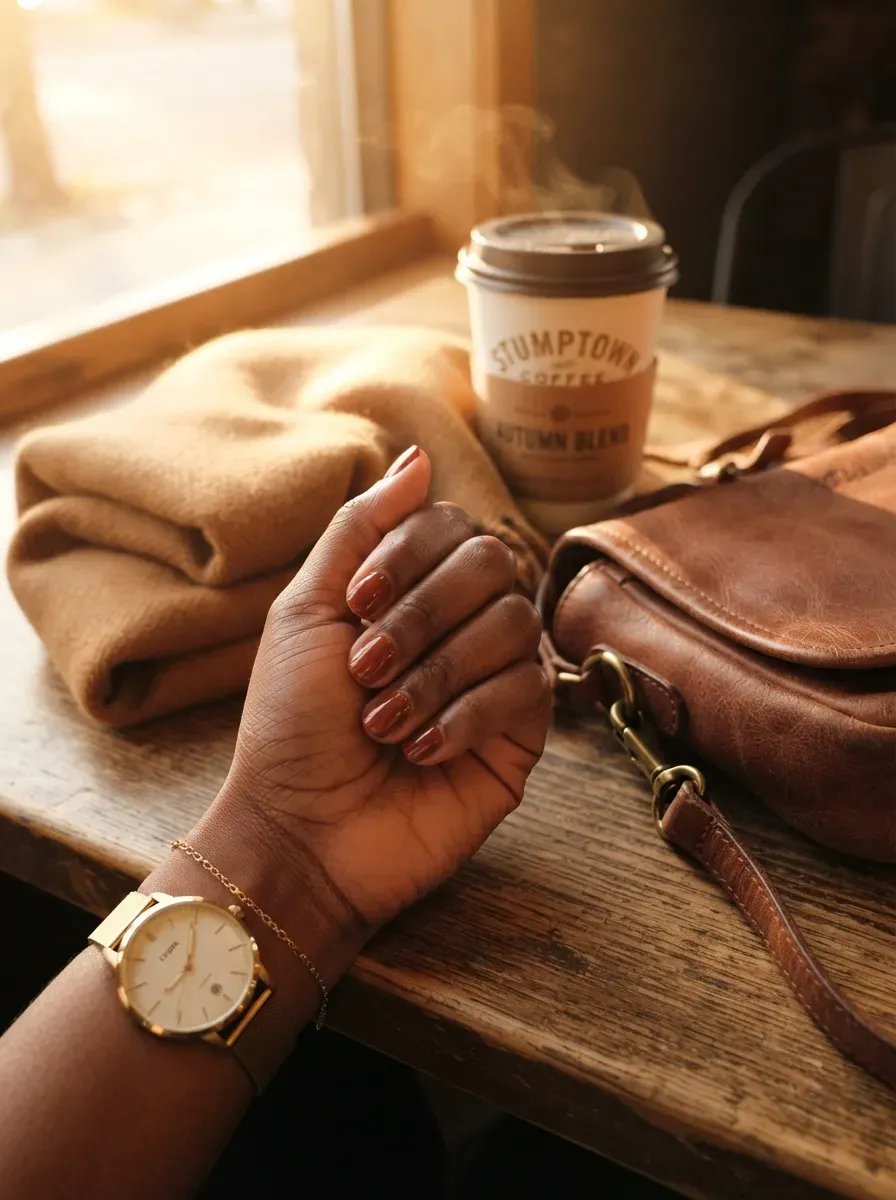
Cinnamon red is less bright than cherry but lighter than burgundy, making it a useful bridge between summer and fall. The brown undertone also pairs naturally with tan and gold.
Cap the free edge with each coat. Saturated red makes even small amounts of tip wear noticeable after a few days.
7. Mushroom Taupe Nails
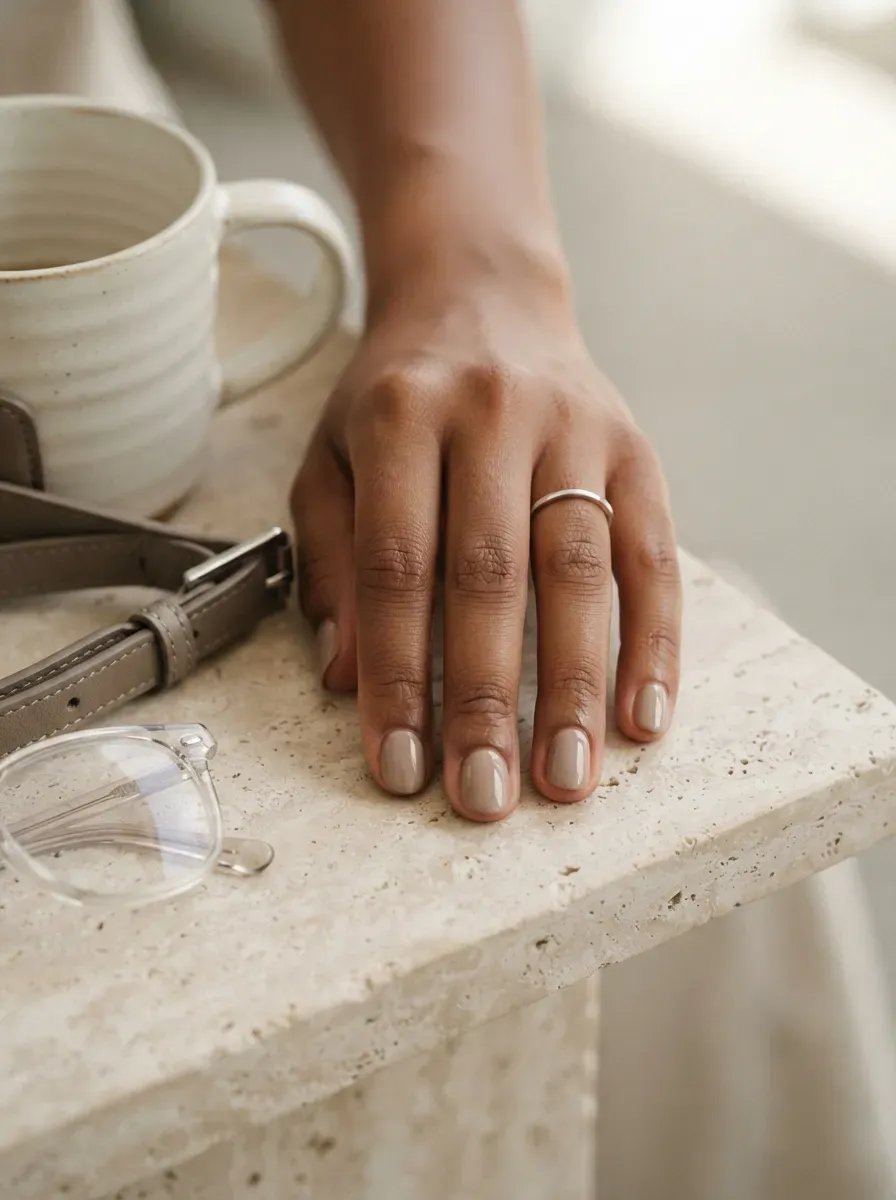
Mushroom taupe blends gray, beige, and brown, giving it more seasonal depth than a traditional nude. It works particularly well when your wardrobe begins shifting toward black, denim, cream, and camel.
If taupe looks ashy on your skin, choose one with more brown pigment. High gloss also helps muted formulas look richer.
8. Soft Plum Gloss Nails
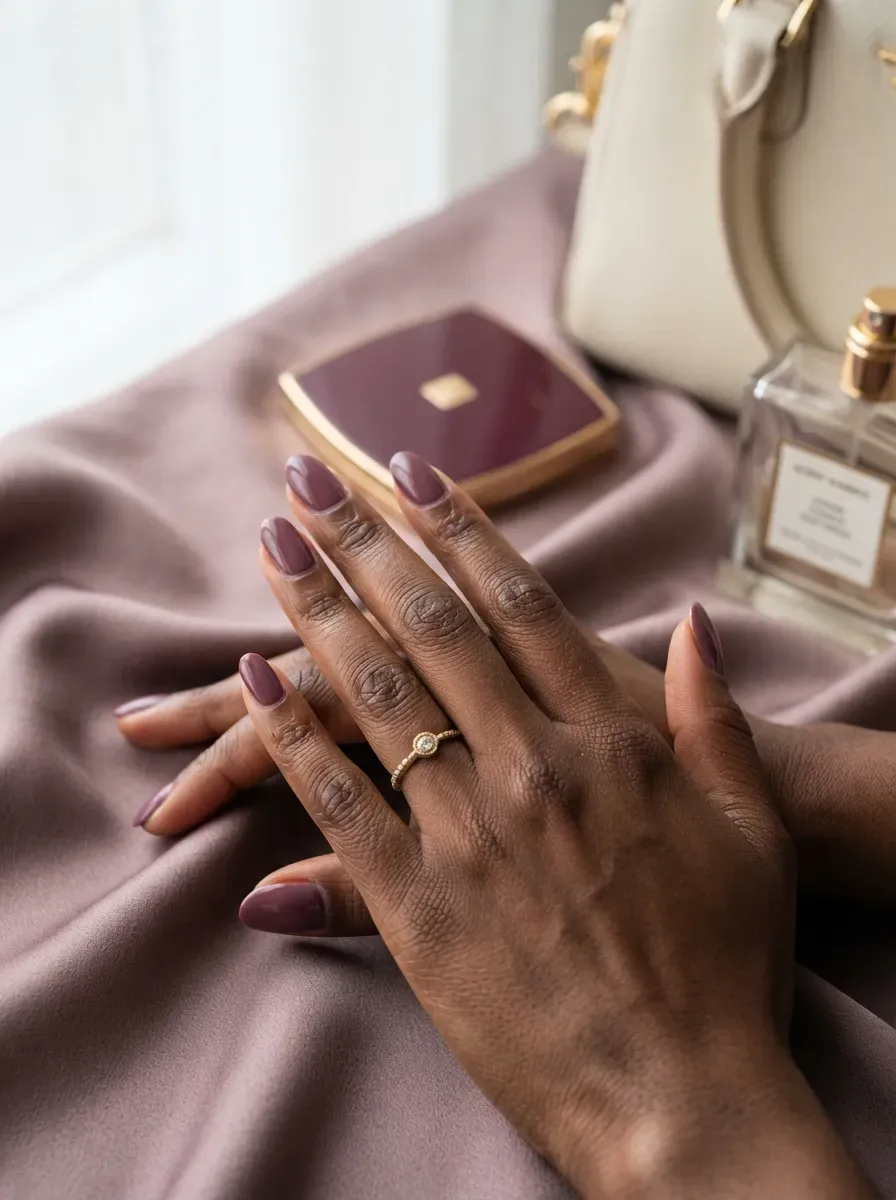
Soft plum brings more depth than mauve without moving into nearly-black eggplant. The muted purple-red tone works well for September dinners, weddings, and office wear.
Choose a redder plum if you usually prefer burgundy. Cooler purple versions pair particularly well with silver and charcoal clothing.
Read more 29 Meaningful Gift Ideas for Girlfriend or Wife That Feel Thoughtful, Emotional & Deeply Personal
9. Warm Amber Jelly Nails
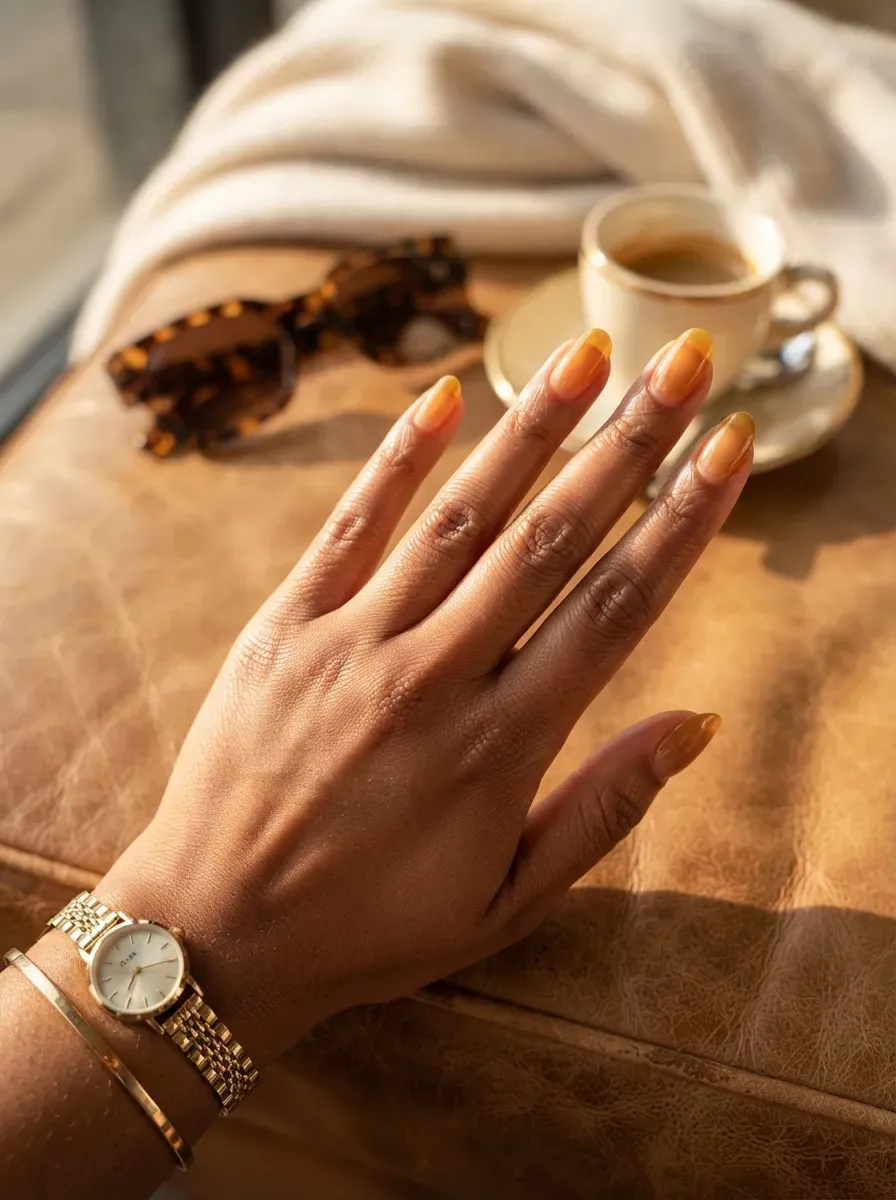
Amber polish keeps the light-catching quality of summer jelly nails while introducing honey and caramel tones that feel distinctly more autumnal. The translucent finish makes the color easier to wear on shorter nails.
Use several thin layers rather than chasing opacity. Natural nail visibility is part of what makes amber look dimensional.
10. Smoky Denim Blue Nails

Smoky denim blue keeps a familiar summer color family but removes enough brightness to make it work with early-fall outfits. The gray undertone also makes it easier to pair with neutral clothing.
Dusty blue formulas can streak. Apply one controlled coat, allow it to level, then add the second without overbrushing.
11. Cocoa Rose Nails
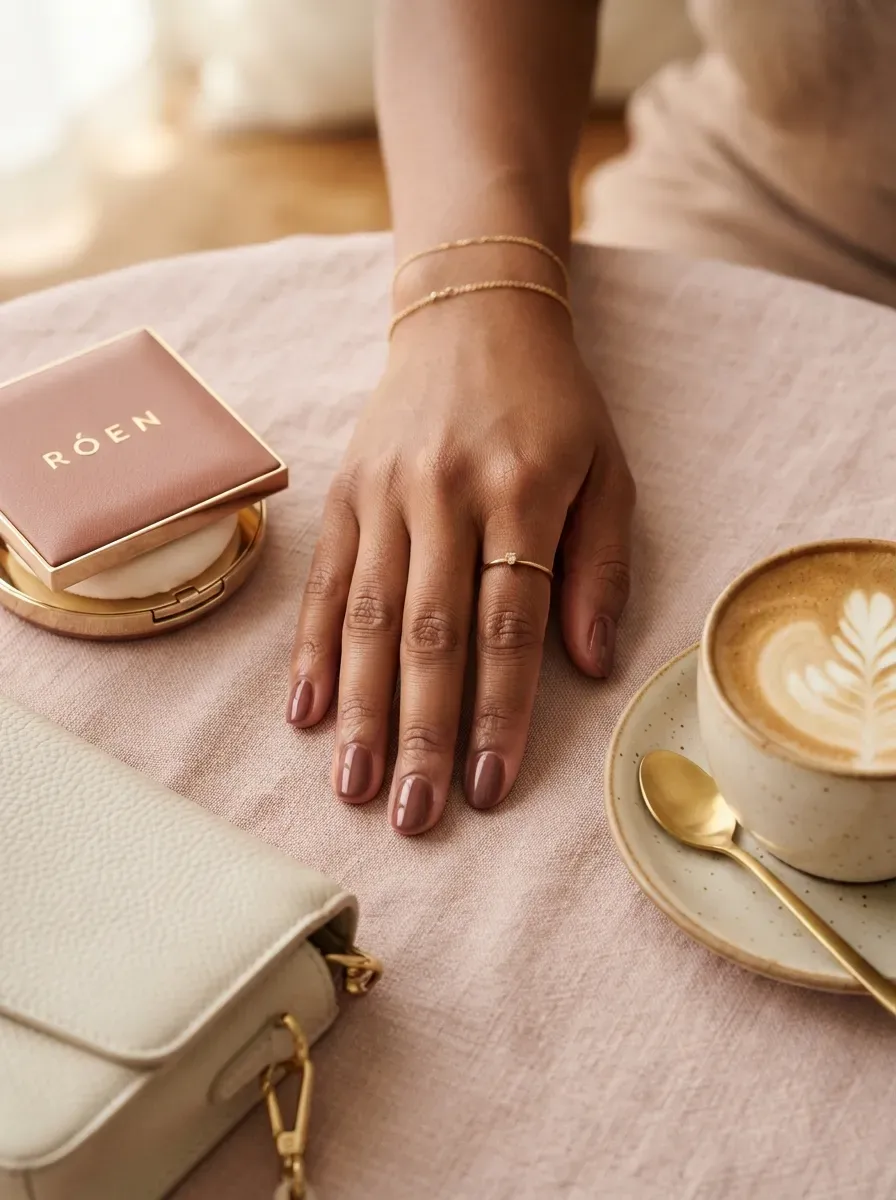
Cocoa rose mixes muted pink with enough brown to feel seasonally grounded. It is a good option if you prefer feminine colors but want something less summery than blush.
Warm undertones can handle more cocoa, while neutral skin often suits a balanced pink-brown. Pair it with cream and camel for an understated transition.
12. Burnt Terracotta Nails
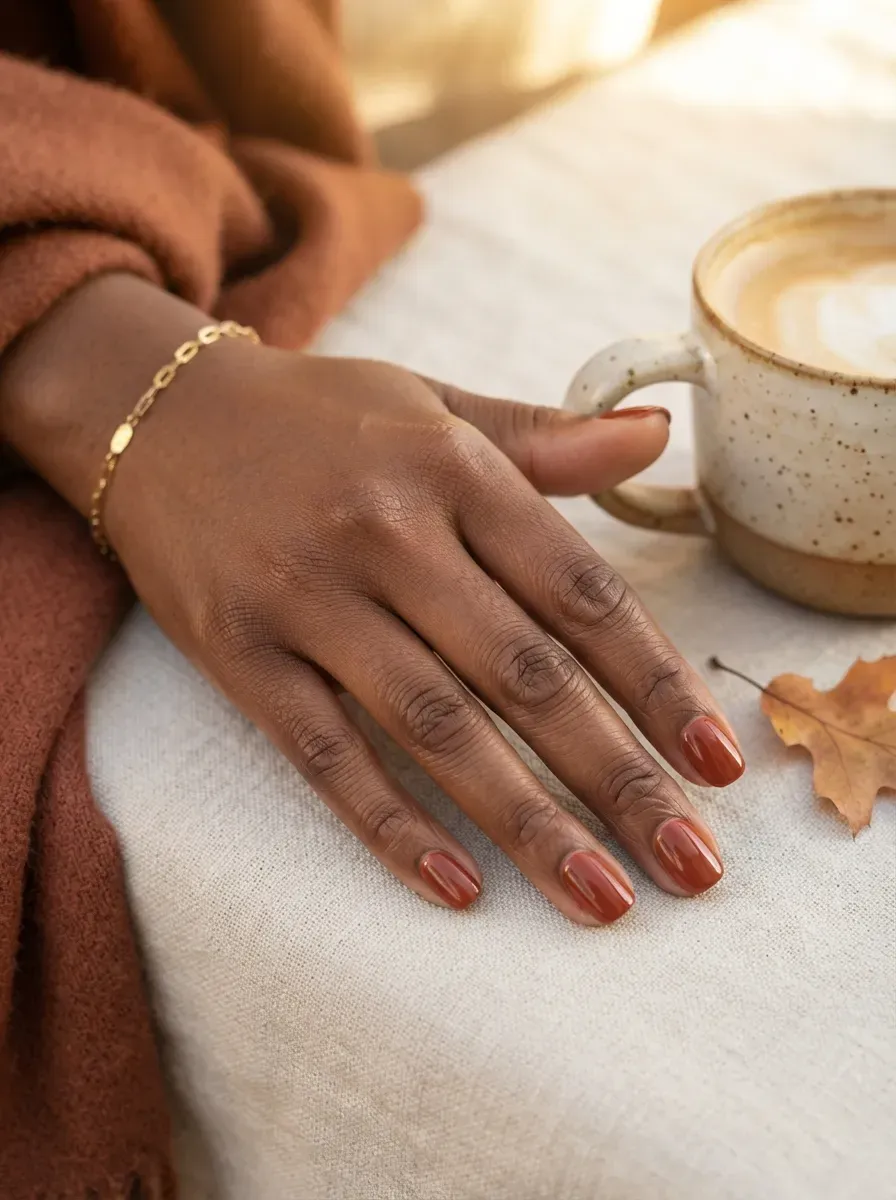
Terracotta keeps some of orange’s energy but grounds it with red and brown. That makes the shade much easier to wear in late summer and early fall than bright pumpkin orange.
Choose a muted clay tone if your wardrobe is mostly neutral. Gloss keeps the color modern, while matte pushes it further into fall.
13. Creamy Coconut White Nails
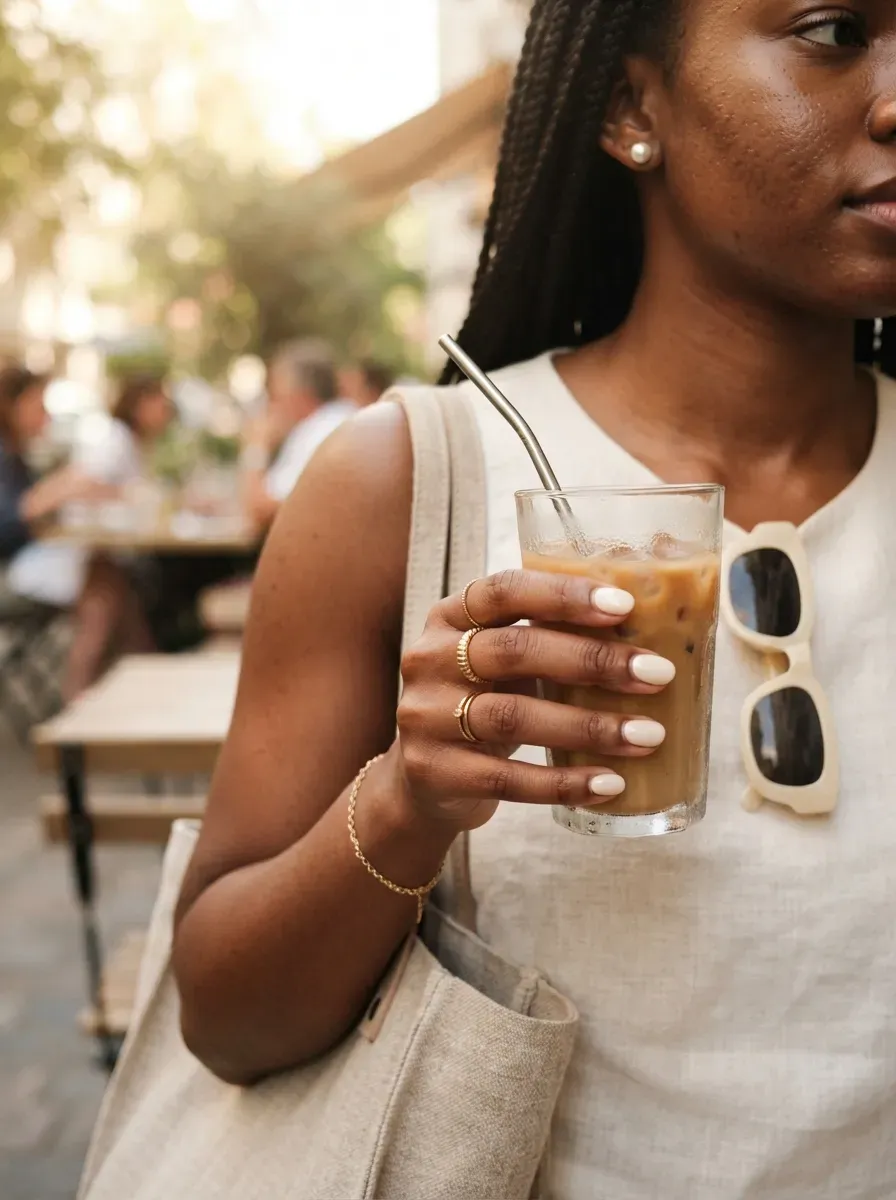
Creamy coconut white keeps September manicures light while softening the starkness of a bright summer white. The warmer undertone also pairs naturally with beige, tan, and denim.
Choose a semi-sheer formula if visible grow-out bothers you. Full opaque white usually shows chips and cuticle growth much sooner.
See now Brat Bride Bachelorette Aesthetic: The Bold Party Theme Modern Brides Are Obsessed With
14. Chestnut Brown Nails
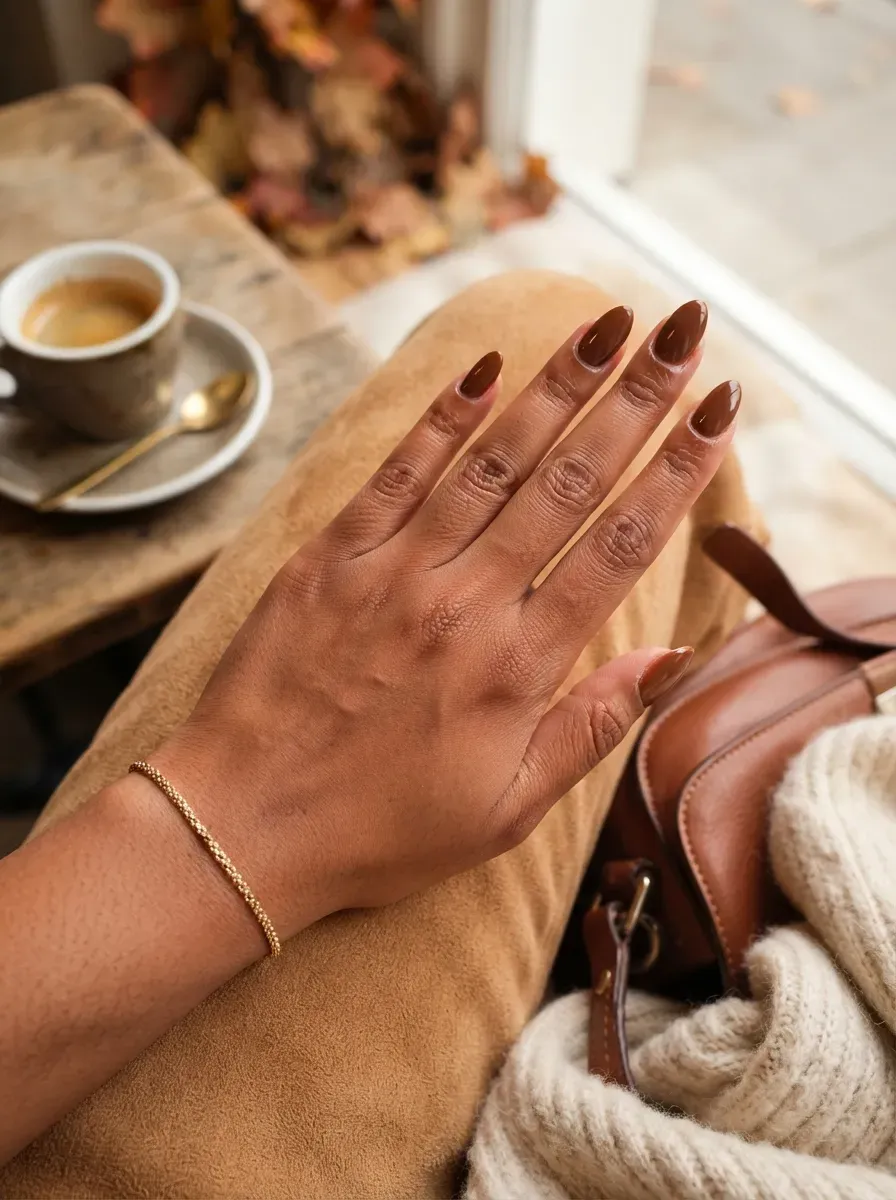
Chestnut is warmer than chocolate because of its subtle red undertone. It feels autumnal without becoming as deep as espresso or black-brown.
A glossy finish brings out that red-brown warmth. Use chestnut if camel, rust, cream, and gold already dominate your early-fall wardrobe.
15. Berry Mauve Nails
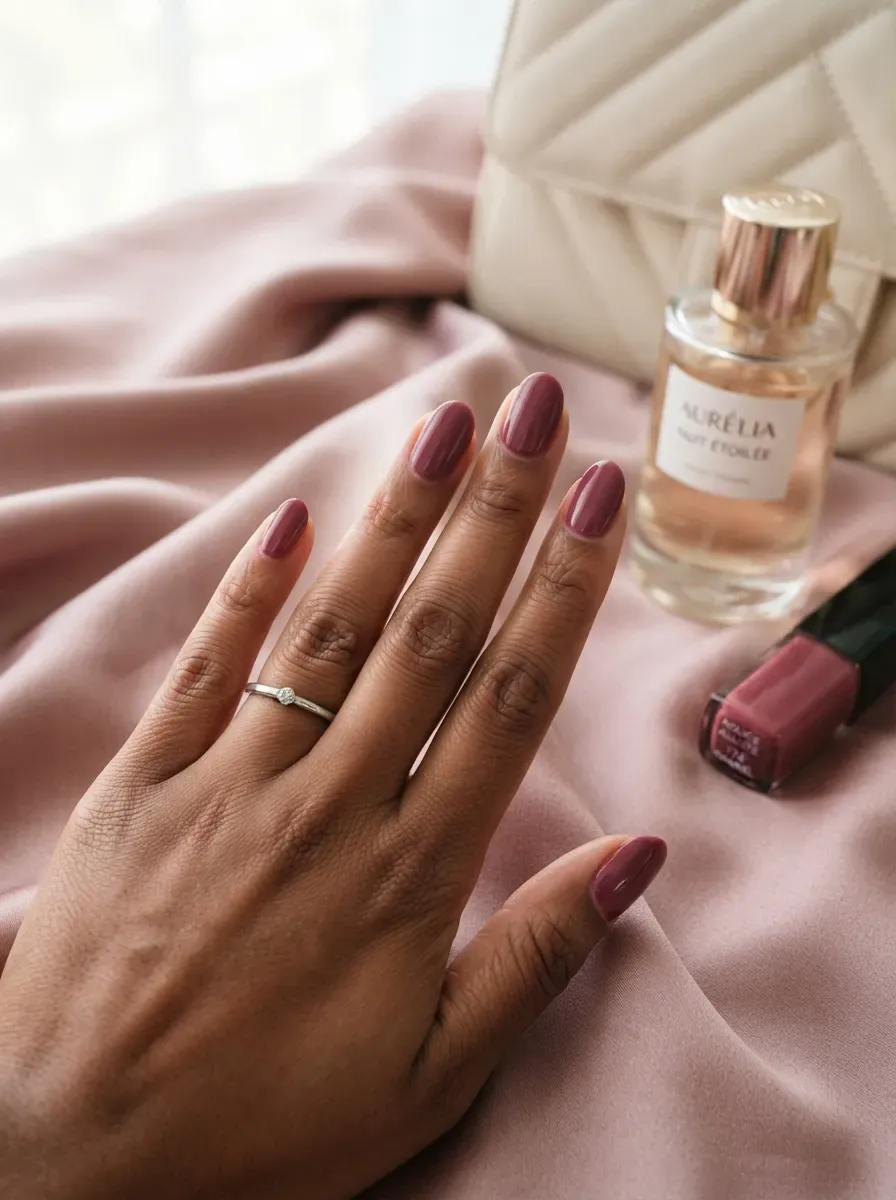
Berry mauve sits between dusty pink and burgundy, making it an easy option when you want more color without going fully vampy. It also transitions well from summer dresses into early-fall tailoring.
Choose a cream formula for cleaner everyday wear. Shimmer can make muted berry appear more festive than transitional.
16. Light Khaki Green Nails

Khaki green bridges pale summer greens and the darker olive shades associated with autumn. Its beige-yellow undertone makes it especially wearable with earthy neutrals.
Keep the finish glossy if your skin is warm and the polish already contains a lot of yellow. Matte can make pale khaki look dustier.
See now 30 Romantic Picnic Date Ideas for Couples: A Soft Escape from the World
17. Merlot Jelly Nails
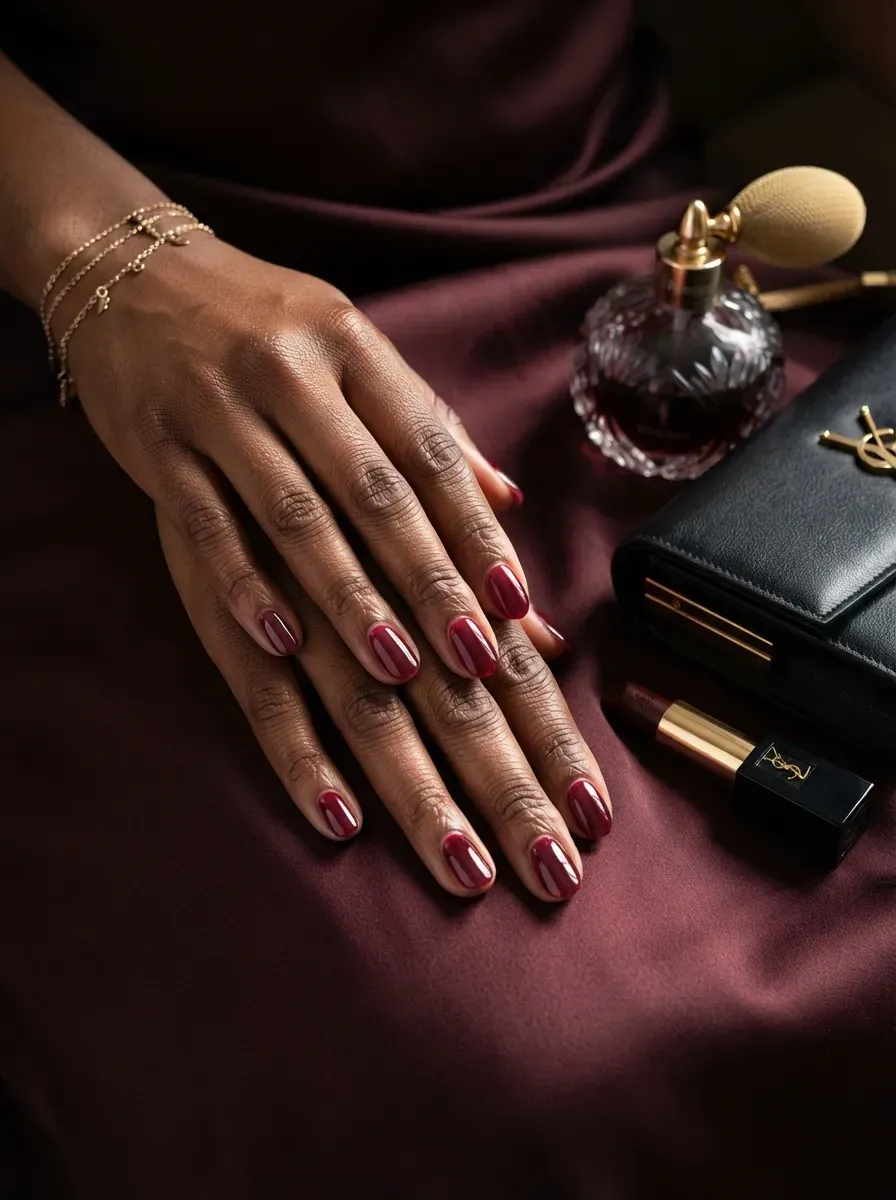
Merlot jelly offers a softer way to introduce wine tones before full fall arrives. The semi-transparent formula gives the red visible depth rather than one dense block of color.
Use two coats for a lighter transitional effect or three for deeper saturation. Keep each layer thin enough for the translucency to remain.
18. Oatmeal Beige Nails

Oatmeal is warmer than ivory but lighter than caramel, giving it enough depth for September without feeling overtly fall. It is especially easy to wear in offices and formal settings.
Use a ridge-filling base underneath. Pale cream polish tends to reveal surface texture more than darker colors.
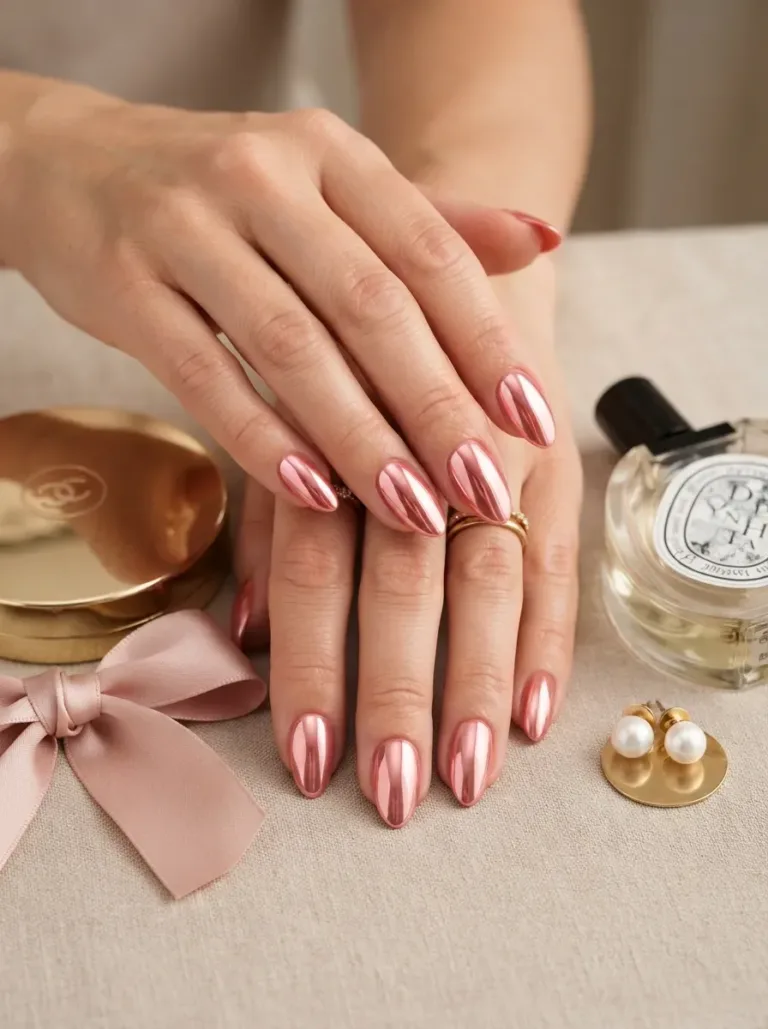
19. Copper Shimmer Nails
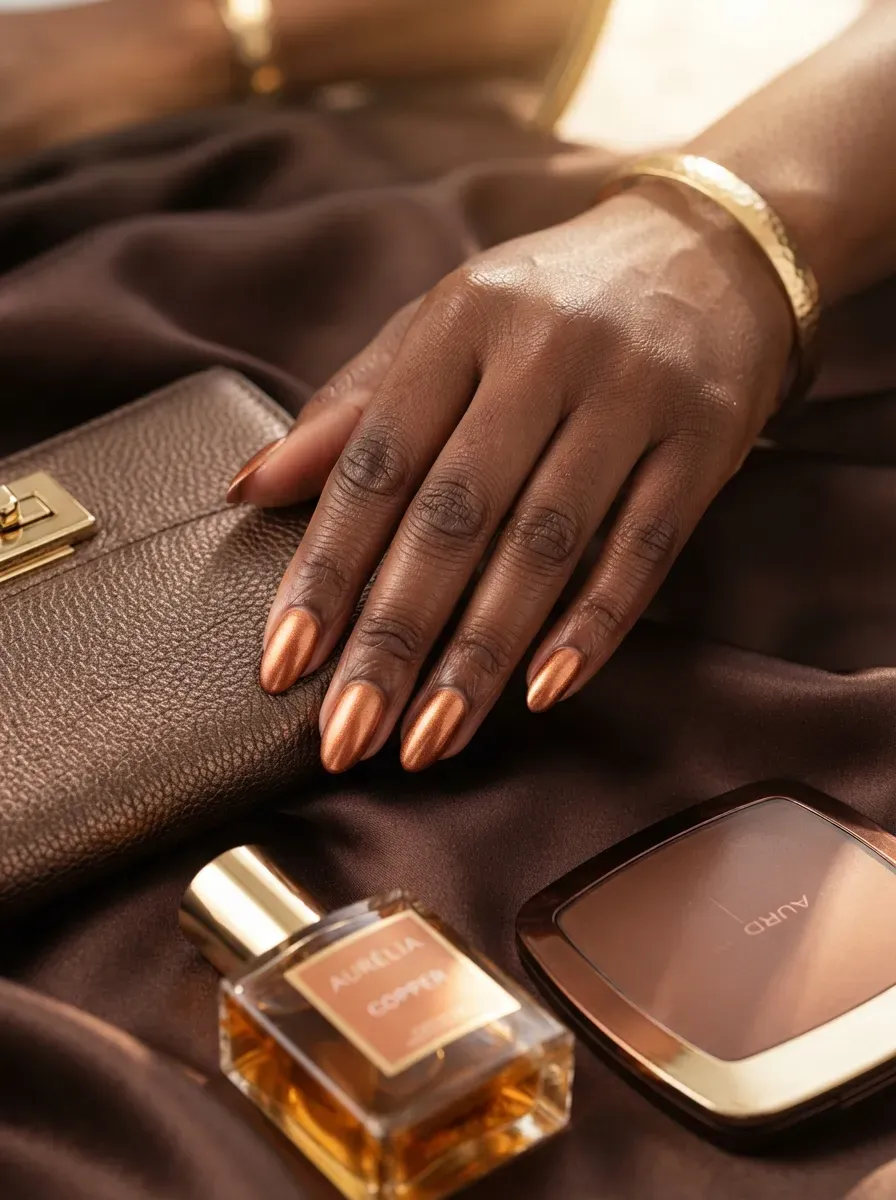
Copper gives September nails autumn warmth without the stronger statement of full chrome. Fine shimmer also keeps the finish smooth enough for everyday wear.
Choose micro-shimmer rather than chunky glitter if you want a sophisticated transition manicure. One glossy top coat should be enough to level the surface.
Read also Best Grid Patterns for Small DIY Locs: How to Choose the Perfect One for Your Hair
20. Fog Gray Blue Nails
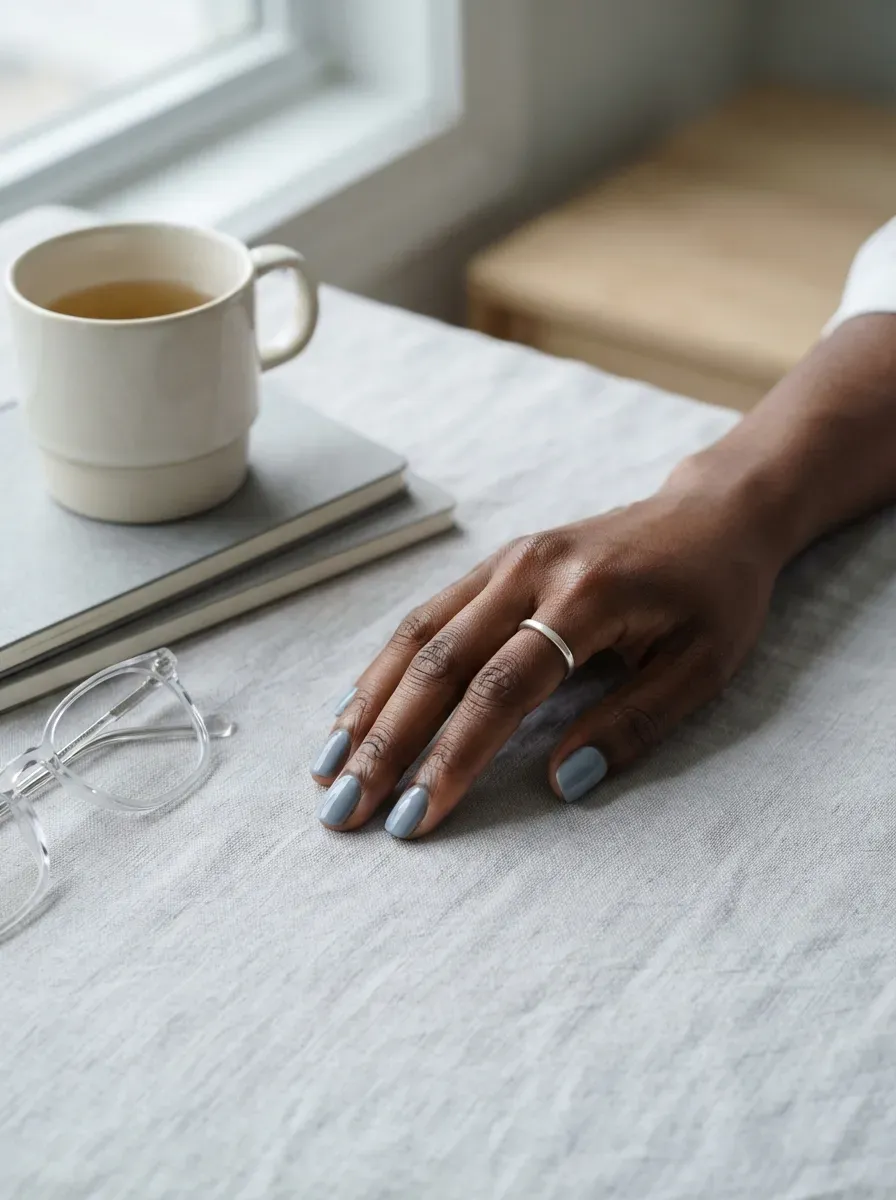
Fog blue softens summer blue with gray, creating a shade that works naturally with denim, charcoal, cream, and silver. It feels cooler than traditional fall colors without looking out of season.
A glossy finish is important here. Too much matte can make gray-blue appear dull or chalky.
21. Rosy Taupe Nails

Rosy taupe adds a hint of pink to gray-brown polish, making it softer than traditional mushroom taupe. The shade works particularly well when you want a neutral manicure with a little warmth.
Match the undertone to your jewelry. Warmer rosy taupes suit gold, while cooler versions pair easily with silver.
22. Deep Teal Cream Nails
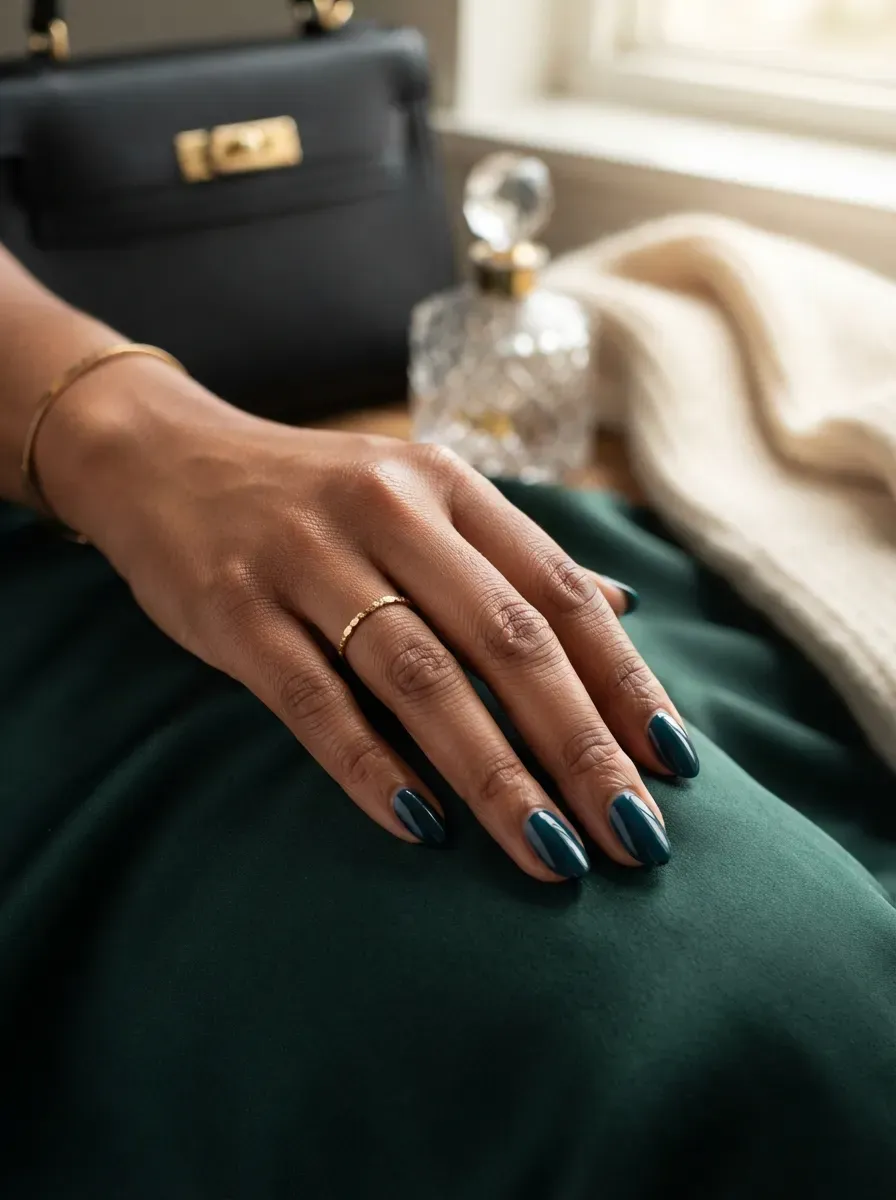
Deep teal provides a jewel-tone transition without feeling as wintery as navy. Its balance of green and blue makes it easier to wear during September than brighter turquoise.
Keep the polish glossy so both undertones remain visible. On short nails, rounded edges help the strong color feel more balanced.
See more Minimalist Loc Accessories for the Office Every Professional Woman Needs
23. Cocoa Brown Cream Nails

Cocoa brown sits between caramel and espresso, making it one of the most adaptable transitional neutrals. It adds depth without overpowering shorter nails.
Look for a cocoa with visible warmth if your skin has golden undertones. Deep neutral skin can also carry slightly cooler chocolate-brown beautifully.
24. Peachy Nude Nails
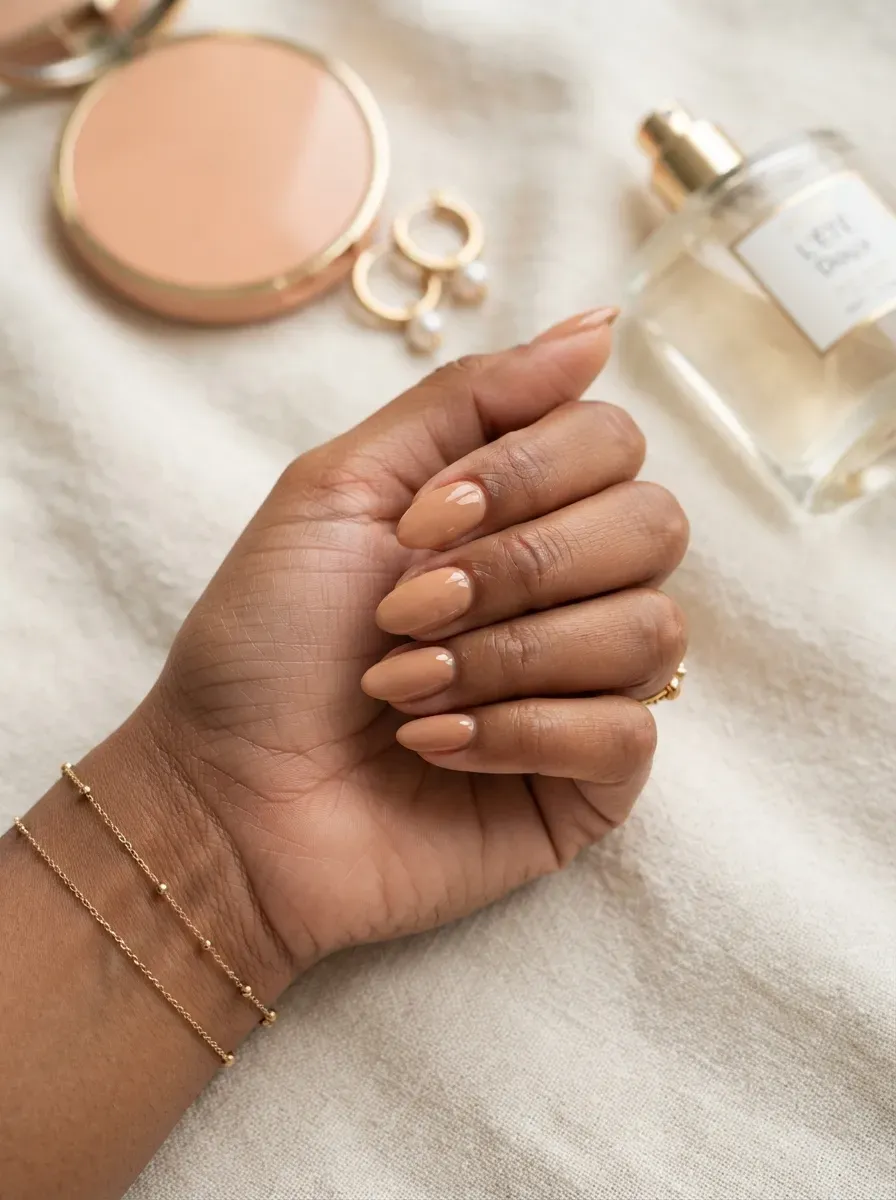
Peachy nude keeps some late-summer warmth while moving away from bright coral. The neutral base makes it suitable for work, weddings, and everyday wear.
Because sheer peach can shift depending on your natural nail color, test one coat first. Add a second only if you want more warmth.
25. Wine Red Cream Nails
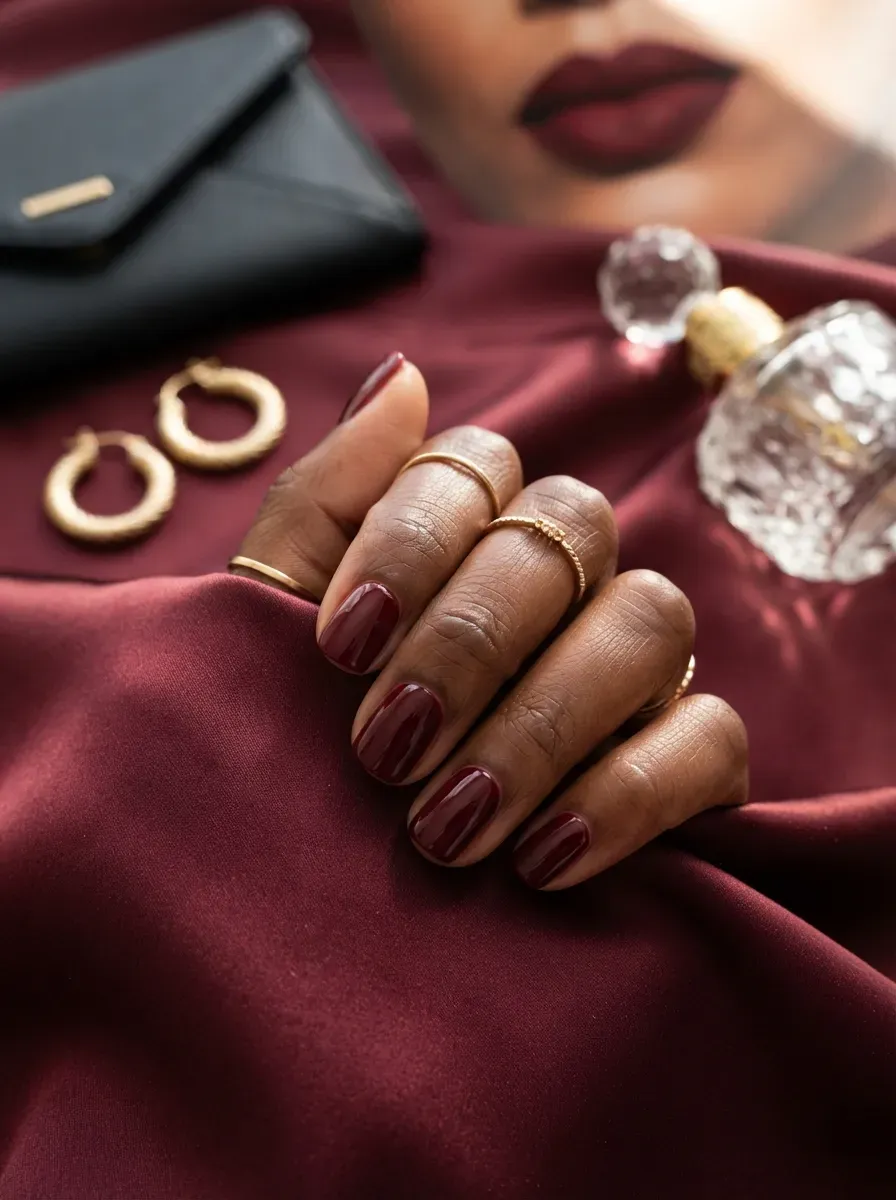
Wine red takes classic red deeper without turning nearly black. It works especially well toward the second half of the transition season when wardrobes become darker.
Use a fine clean-up brush around the cuticle before top coat. Deep reds make even small application errors visible.
26. Greige Gloss Nails
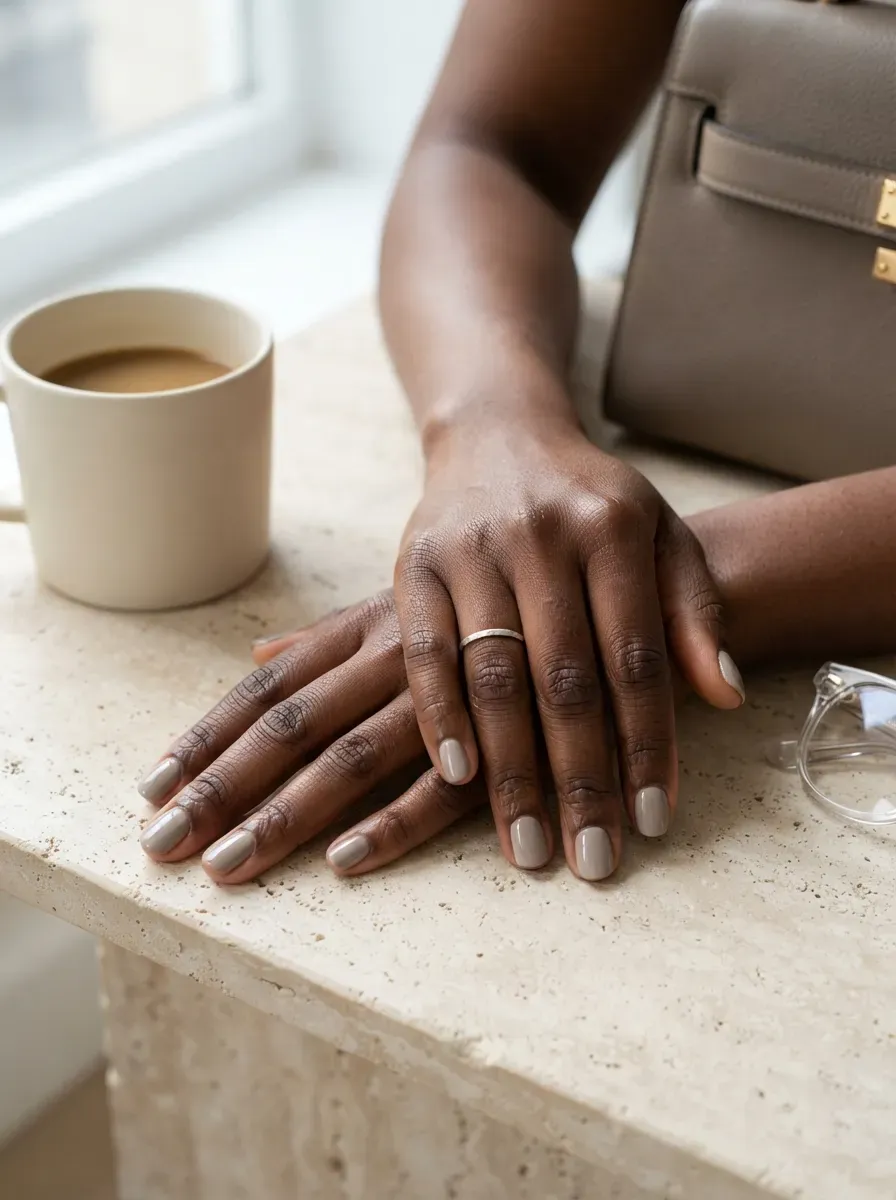
Greige solves the problem of beige feeling too warm and gray feeling too cool. Its balanced undertone makes it especially useful during seasonal wardrobe changes.
Choose a slightly warmer greige on golden skin and a cooler version on neutral undertones. High-gloss top coat keeps muted color from looking flat.
See now 25 Long Nail Ideas Black Women Are Loving Right Now
27. Forest Sage Nails
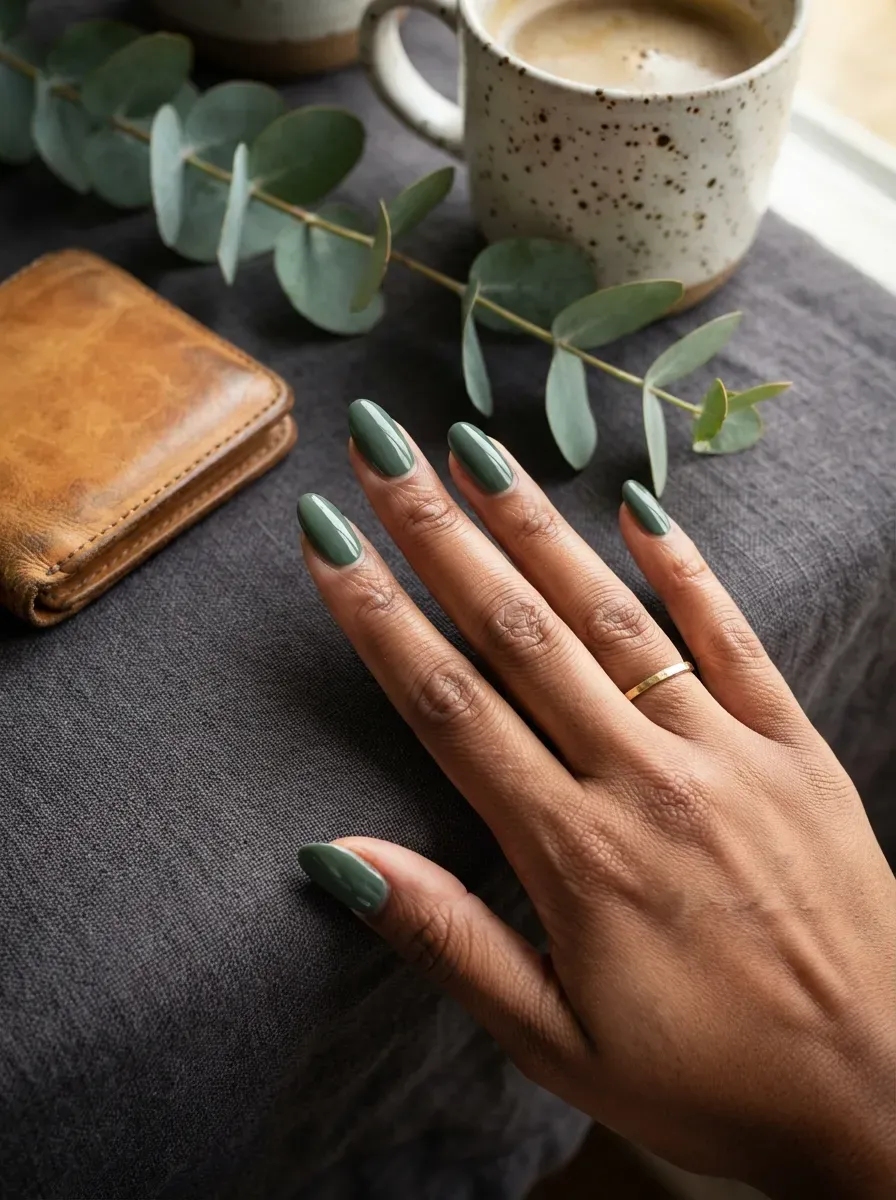
Forest sage sits between pale sage and traditional forest green. That middle depth makes it ideal when you want an obvious seasonal shift without committing to very dark green.
Use it on oval or squoval nails for a softer outline. Gold jewelry brings out the warmer side of the shade.
28. Burnished Bronze Nails

Burnished bronze is deeper than gold and softer than copper chrome, giving it enough warmth for fall without looking festive. Fine metallic pigment makes the shade easier to wear during the day.
Use a smoothing base if your natural nails have ridges. Metallic particles tend to emphasize uneven surfaces.
29. Mauve Brown Nails
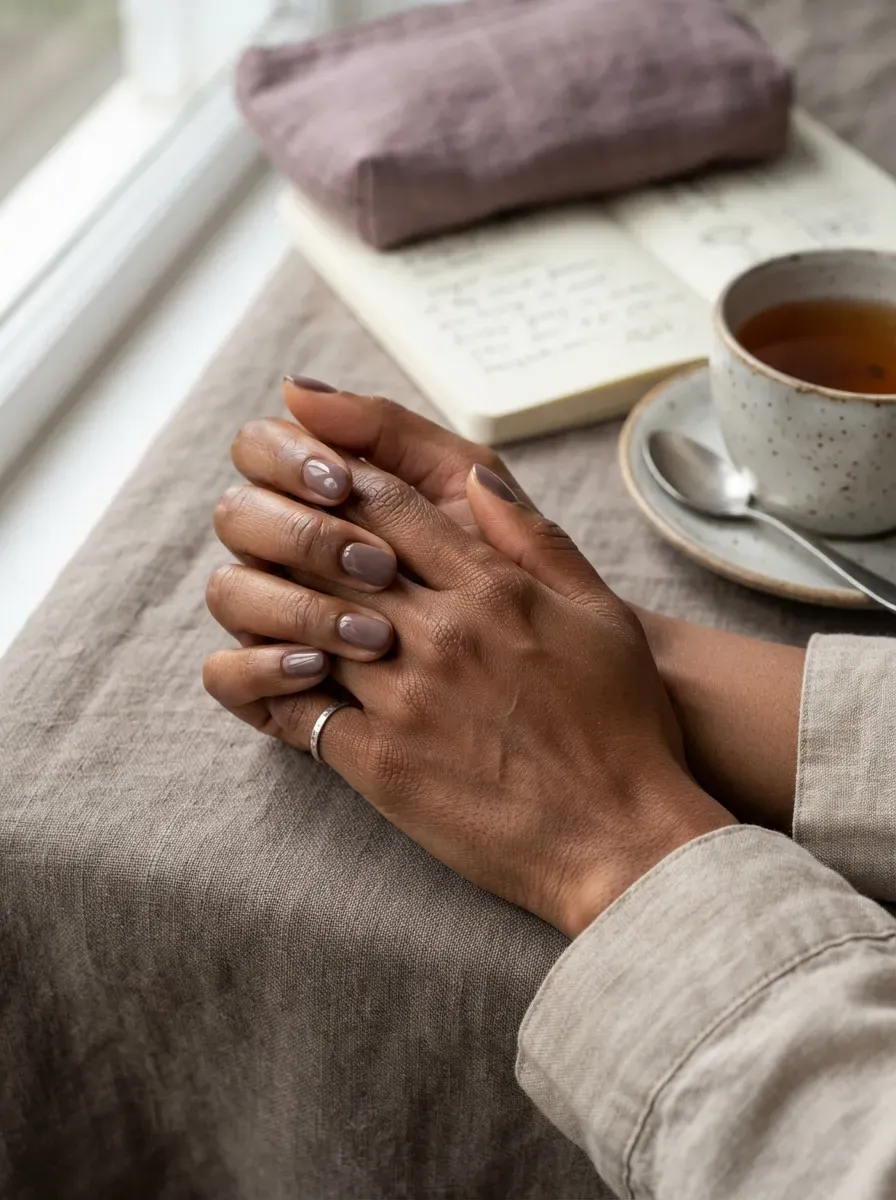
Mauve brown feels more grounded than traditional mauve and softer than chocolate. The mixed undertone works especially well if you prefer muted, sophisticated colors.
Choose a glossy cream formula for everyday wear. Matte can make this already-muted shade appear considerably darker.
30. Sheer Espresso Jelly Nails

Espresso jelly gives a dark brown manicure more transparency and less visual weight. The finish is useful when opaque chocolate feels too heavy for the weather.
Apply several very thin coats and keep the edges clean. Dark jelly can pool near the cuticle and create uneven-looking depth.
Check out September Nails Aesthetic: 20 Chic Ideas for Early Fall
31. Muted Coral Clay Nails

Muted coral clay lets you hold onto summer warmth while introducing the earthy undertones of fall. The added brown keeps the shade from looking tropical.
This is especially useful during warmer September weather. Pair it with tan accessories rather than bright summer colors to push the look toward autumn.
32. Smoky Lavender Nails
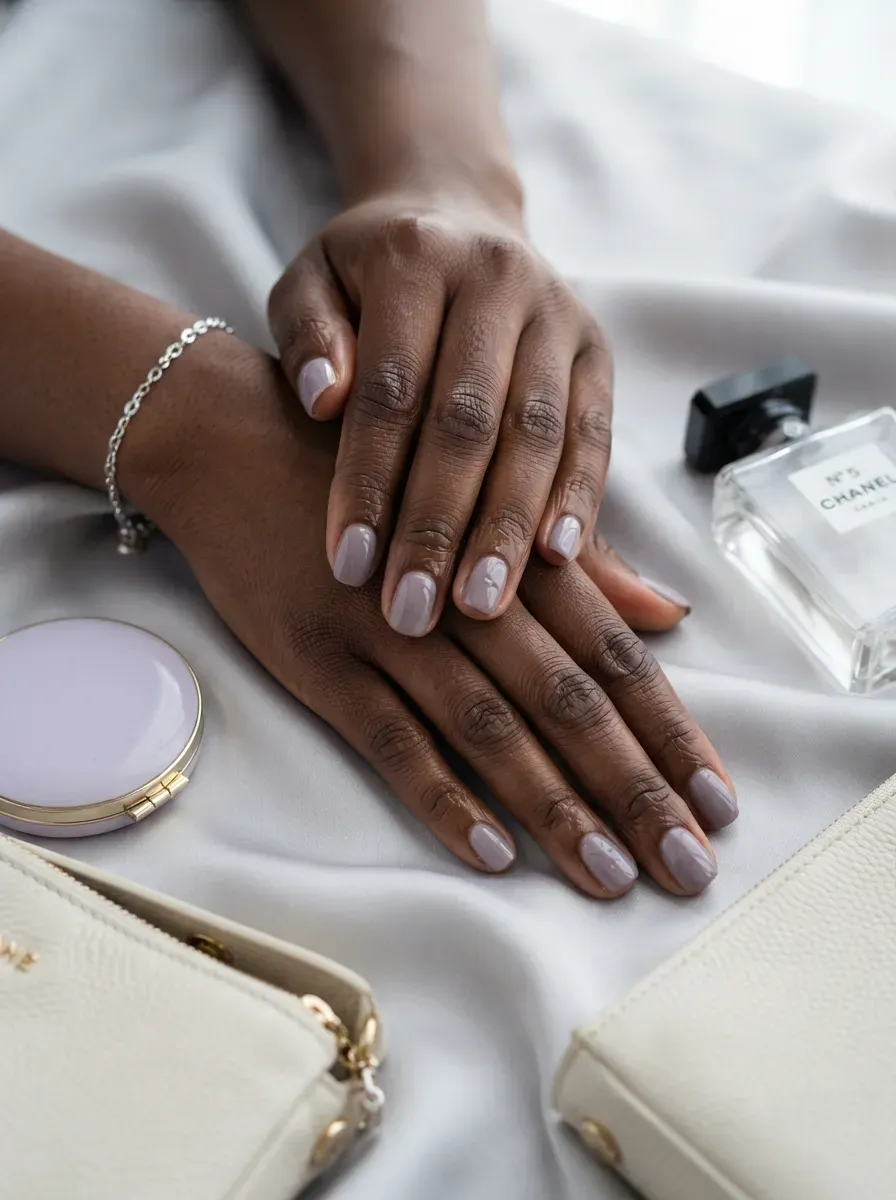
Smoky lavender darkens pastel purple with a gray undertone, making it much easier to wear beyond summer. It also offers a softer alternative to plum and eggplant.
Cool and neutral undertones usually carry this shade especially well. Choose a cream finish instead of shimmer if you want it to stay understated.
Read also 10 Painful Signs Your Partner Doesn’t Love You Anymore (2026 Guide)
33. Maple Brown Nails
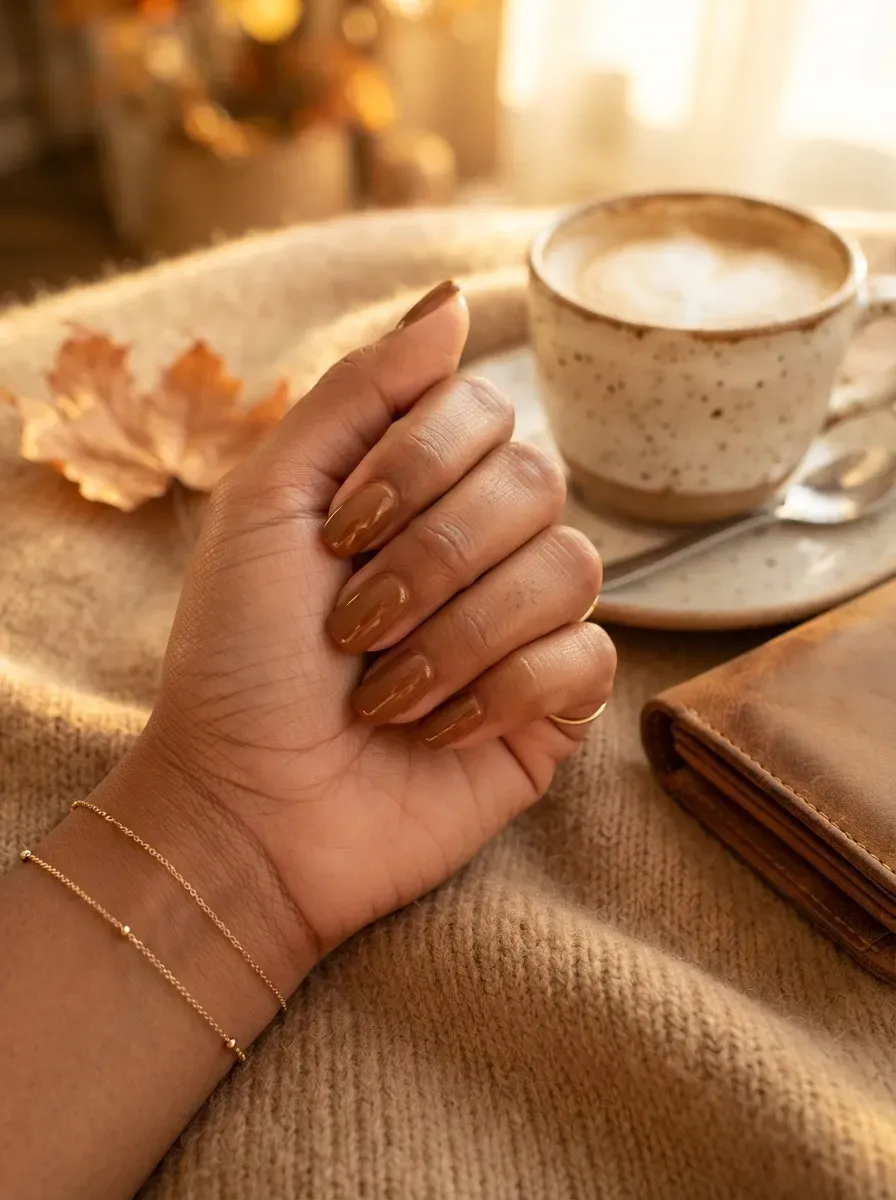
Maple brown carries more golden warmth than cocoa, making it a softer early-fall brown. It looks especially cohesive with camel, cream, olive, and gold.
Use a high-shine top coat to emphasize the warm undertone. Matte maple can lose some of the color variation that makes it interesting.
34. Muted Cranberry Nails
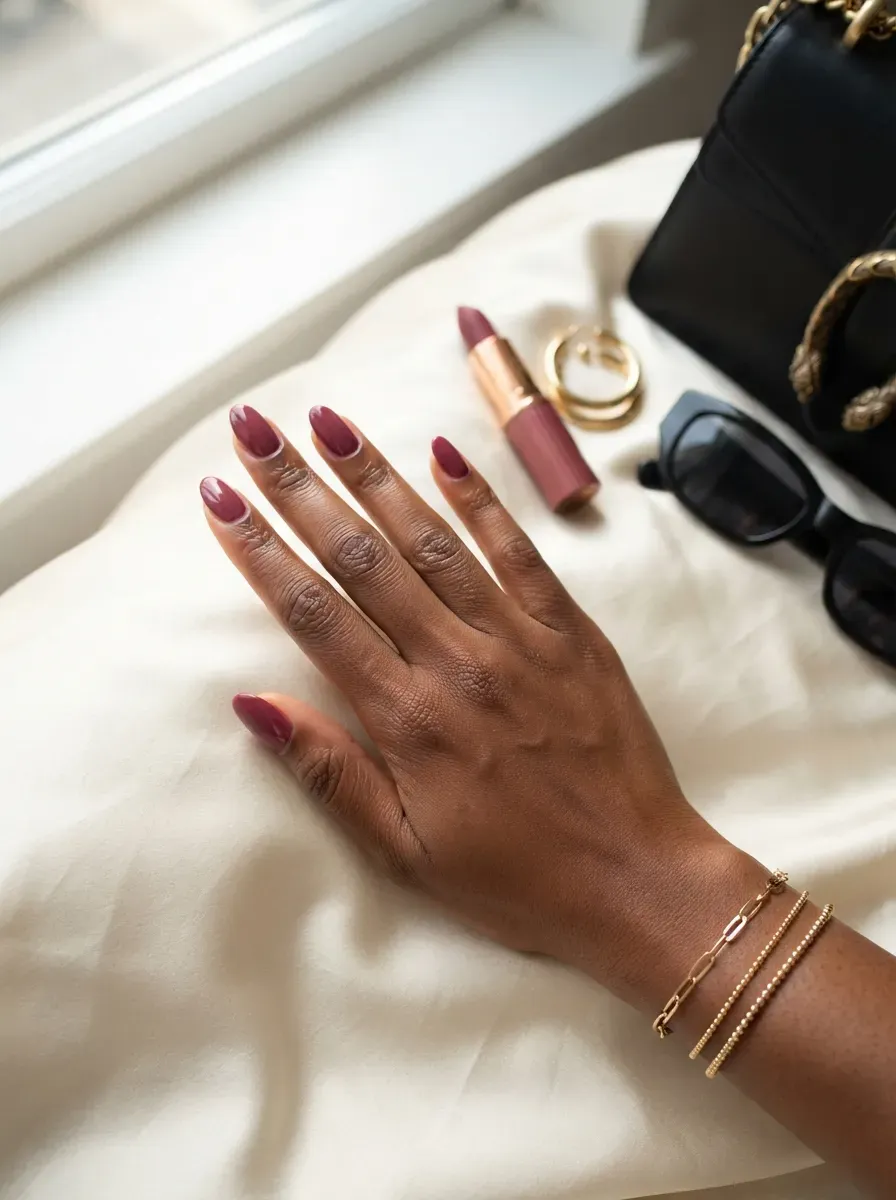
Cranberry is brighter than burgundy but deeper than summer red, giving it a balanced transitional quality. The berry undertone also works well for dinners and events.
Keep the finish glossy to preserve vibrancy. A matte top coat can make cranberry read much darker and more late-fall.
35. Warm Stone Gray Nails

Warm stone gray contains enough beige to feel softer than cool cement gray. It works naturally with black, cream, taupe, denim, and both gold and silver jewelry.
Choose a warmer stone shade if your complexion has golden undertones. A cooler gray can create more intentional contrast.
36. Moss Green Nails
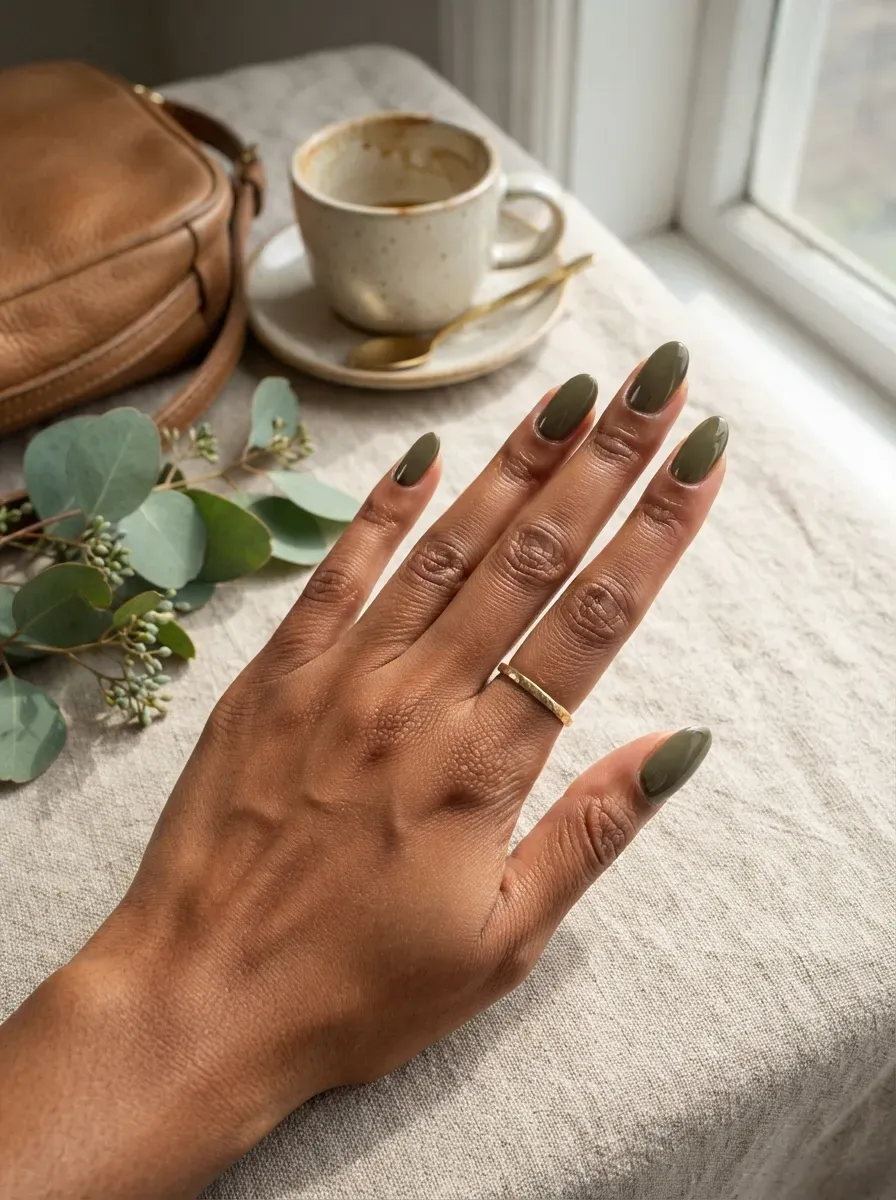
Moss is deeper and browner than sage but softer than forest green. That earthy balance makes it particularly useful during the shift into cooler weather.
Look for a muted moss rather than bright green. Pairing it with brown leather and gold jewelry makes the autumn undertone more obvious.
Pin this post How to Fix Thinning Locs at the Crown and Bring Your Locs Back to Life
37. Soft Gold Pearl Nails

Soft gold pearl keeps metallic nails light and wearable while adding warmth that fits naturally into early fall. The pearl finish is subtler than full chrome.
Apply one thin reflective layer over beige or milky nude. Too much pigment can turn the effect from soft pearl into dense metallic gold.
38. Deep Rosewood Nails
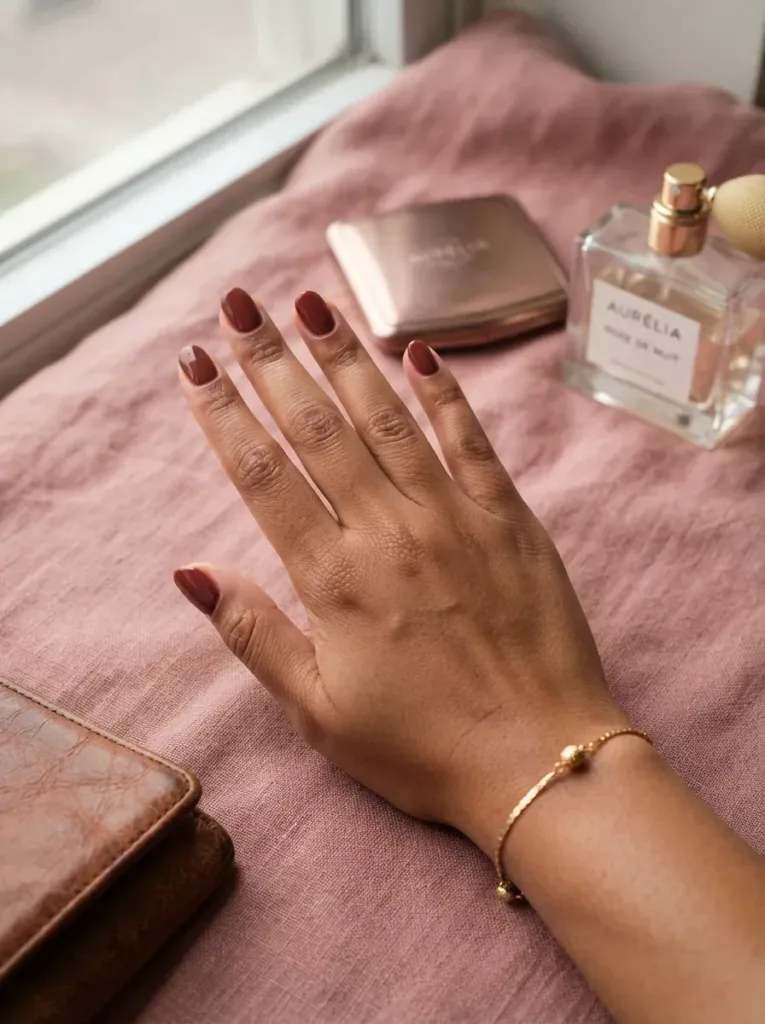
Rosewood blends muted red, pink, and brown, making it warmer than mauve but softer than burgundy. It is especially useful if you like rosy tones year-round.
Choose a rosewood with visible brown for September. Pink-heavy versions can still read more summer than fall.
See now 20 Rose Nail Art Designs That Look Hand-Painted
39. Taupe Velvet Cat-Eye Nails

Taupe velvet gel adds movement to a neutral without introducing a bold seasonal color. The magnetic shimmer gives the gray-brown base enough depth for evening wear.
Use a slightly darker taupe underneath to strengthen the effect. Keep magnet placement consistent before curing each nail.
40. Deep Olive Gloss Nails
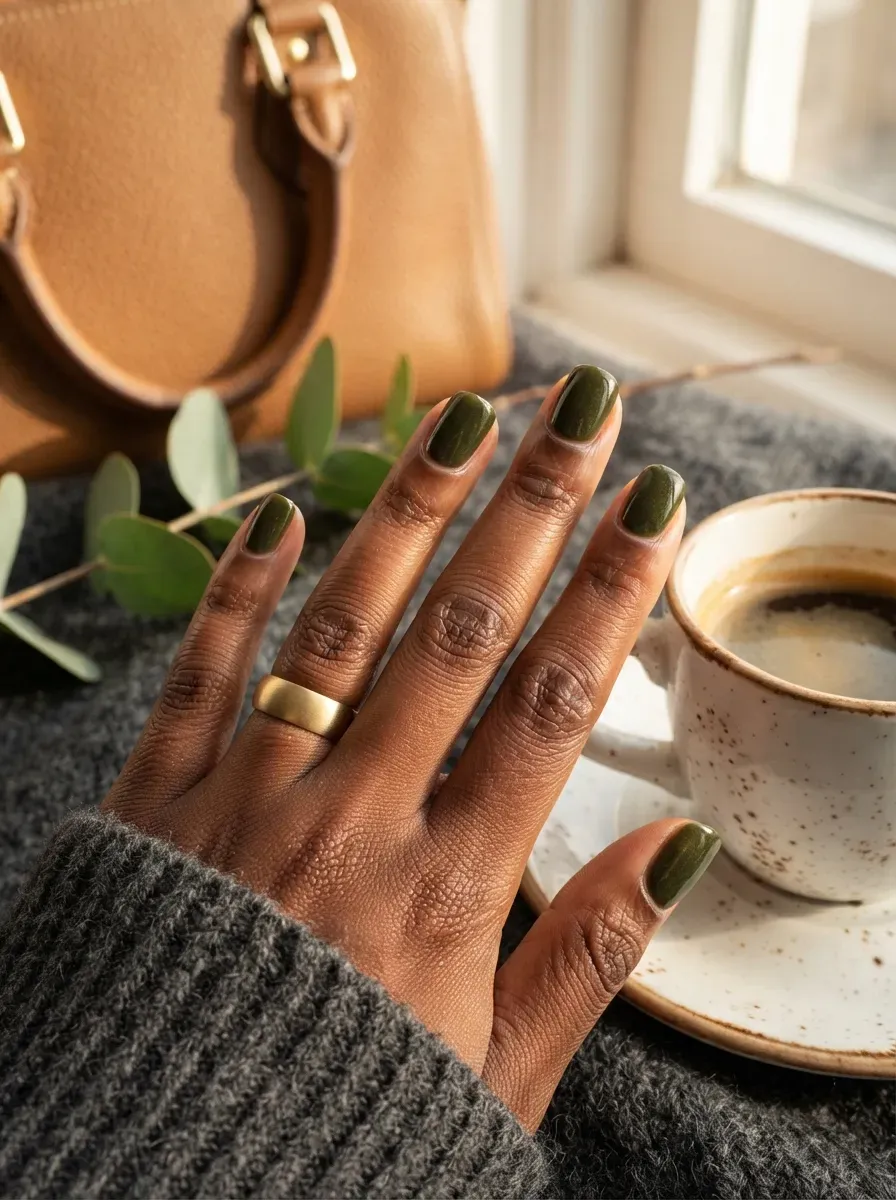
Deep olive is a natural next step once pale sage begins to feel too summery. It has more depth than khaki but stays softer than forest green.
Gloss helps preserve the green undertone. On very short nails, round the corners slightly so the dark shade does not look overly severe.
41. Espresso Cream Nails

Espresso pushes brown toward the darker end of the transition spectrum without reaching black. It works especially well later in September or when your wardrobe already contains deeper fall colors.
Clean the cuticle line before top coat. Dark brown shows flooding and uneven sidewalls more clearly than lighter caramel shades.
42. Muted Aubergine Nails

Aubergine is an easy final step into full fall because it offers nearly-black depth while still revealing purple under light. A muted version feels more sophisticated than bright violet.
Use a protective base coat underneath. Deep purple pigments can stain natural nails, especially when worn for several weeks in a row.
Continue reading 25 Back-to-School Nails to Start the Year Right
How to Know When a Color Is Truly Transitional
A transitional nail color does not have to belong equally to summer and fall. It simply needs enough flexibility to work with both sides of your changing wardrobe.
Temperature is one of the easiest ways to make that shift. Summer pink can become dusty rose or cocoa rose. Bright coral can move toward clay or terracotta. Pale mint develops into sage, while turquoise becomes smoky denim or teal. Beige gains warmth through caramel, maple, or cinnamon.
Depth matters too. Going one or two shades darker often creates enough seasonal difference without making your manicure suddenly feel wintery.
Finish can completely change the result. Black cherry in a sheer jelly feels lighter than opaque burgundy. Amber jelly keeps brown translucent. Copper shimmer introduces warmth without using literal fall motifs.
Consider your weather as well. If September remains hot where you live, lighter shades such as peachy nude, coconut white, sage, and smoky blue may feel more natural. Cooler climates can move sooner into espresso, wine red, moss, and aubergine.
The goal is gradual change rather than following a fixed calendar.
Choosing Fall Transition Colors for Your Skin Undertone
Undertone affects how muted transitional shades behave once they are actually on your hands.
Warm and golden undertones often work naturally with caramel, amber, terracotta, cinnamon, maple brown, copper, olive, moss, and warm rosewood. Those shades repeat warmth already present in the skin.
Cool undertones can make smoky lavender, fog blue, taupe, plum, aubergine, berry mauve, and cool wine tones look especially refined.
Neutral undertones usually have more room to move between both groups.
Complexion depth does not determine which colors you can wear. Deep skin can create striking contrast with coconut white, sage, peachy nude, or fog blue, while very deep brown and aubergine can still look rich and dimensional. Lighter complexions can carry espresso or dark olive beautifully when the undertone is balanced.
Whenever possible, check the polish in daylight before committing. Salon lamps can make beige look yellower, mauve look pinker, and olive appear brighter.
Jelly formulas need special attention because your natural nail color becomes part of the finished result.
Why Jelly and Sheer Finishes Work So Well Between Seasons
Jelly polish is particularly useful during seasonal transitions because it allows darker color without creating the visual weight of opaque cream.
Black cherry, espresso, amber, and merlot can all look considerably lighter when the natural nail remains faintly visible underneath. That transparency creates depth around the free edge and keeps deep shades from appearing flat.
Application matters. Jelly polish should be built in several thin layers. A thick coat may pool around the sidewalls and cuticle while also losing the translucency that makes the finish attractive.
Crelly formulas, which sit between jelly and cream, are another useful option. They provide more coverage while retaining a softer, slightly translucent appearance.
Sheer colors also tend to disguise grow-out better than full-coverage polish because there is less contrast between the cuticle area and the natural nail.
If you are moving from summer brights into darker fall colors for the first time, try the deeper shade in a jelly formula first. It gives you the seasonal color without committing to its full intensity.
Matching Nail Length and Shape to Deeper Transition Shades
Deeper colors change how the outline of a nail looks, so shape becomes more noticeable as you move into fall.
Short rounded nails handle wine red, espresso, olive, plum, and cranberry well because curved edges soften the intensity. Squoval nails provide more structure while remaining practical for everyday wear.
Medium oval nails work beautifully with jelly colors because the extra length gives translucent polish more room to show depth. Almond shapes suit warm browns, metallic copper, smoky purple, and other shades that benefit from an elongated silhouette.
Square nails make denim blue, red, and taupe feel more graphic.
Avoid aggressively narrowing the sidewalls simply because dark polish makes your nail plates look wider. The sidewalls contribute to structural strength. Instead, use shaping and polish placement to change the visual effect.
Keeping the cuticle line clean also makes a major difference. Dark colors create a stronger outline than beige or sheer pink, so even a small amount of flooding can make the manicure appear uneven.
Making Transitional Manicures Last Through Everyday Wear
Changing seasons often means more closed shoes, heavier fabrics, jackets, bags, and frequent hand washing, all of which can increase wear around nail edges.
Start with proper preparation. Remove surface oil and residue before base coat, but avoid soaking natural nails immediately before application because water can temporarily expand the nail plate.
Thin layers usually wear better than thick ones. This matters especially for dark jelly, cream, and metallic formulas, where bulky polish can cure or dry unevenly.
Cap the free edge lightly with base, color, and top coat. A sealed edge slows visible tip wear, but avoid building a thick ridge.
Metallic finishes and shimmer need smooth nail surfaces because reflective particles can emphasize ridges. Use a leveling base rather than aggressively buffing natural nails thin.
Apply cuticle oil once the manicure is completely finished. Daily oil keeps the surrounding skin flexible and reduces dryness that can make a neat manicure look older.
For cleaning, gardening, or prolonged water exposure, gloves protect polish better than repeatedly adding new layers of top coat.
Choosing Your Fall Transition Nail Color
Start with how far into fall you actually want to go. Coconut white, peachy nude, dusty rose, sage, and smoky blue hold onto late summer, while caramel, olive, cocoa, copper, and rosewood move comfortably into early fall. Espresso, wine, deep olive, and aubergine create the strongest seasonal shift.
Keep nail length in mind too. Short nails handle solid dark colors beautifully, while longer oval and almond shapes give jelly, metallic, and layered finishes more room to show.
For work or everyday wear, choose cream neutrals, muted greens, or soft pink-browns. Events can carry copper shimmer, plum, teal, or wine.
Maintenance may narrow the choice further: cream and jelly formulas are straightforward, while metallic finishes show surface wear sooner.
Your final choice should match the mood you want—light, earthy, cozy, polished, romantic, moody, or quietly dramatic.