
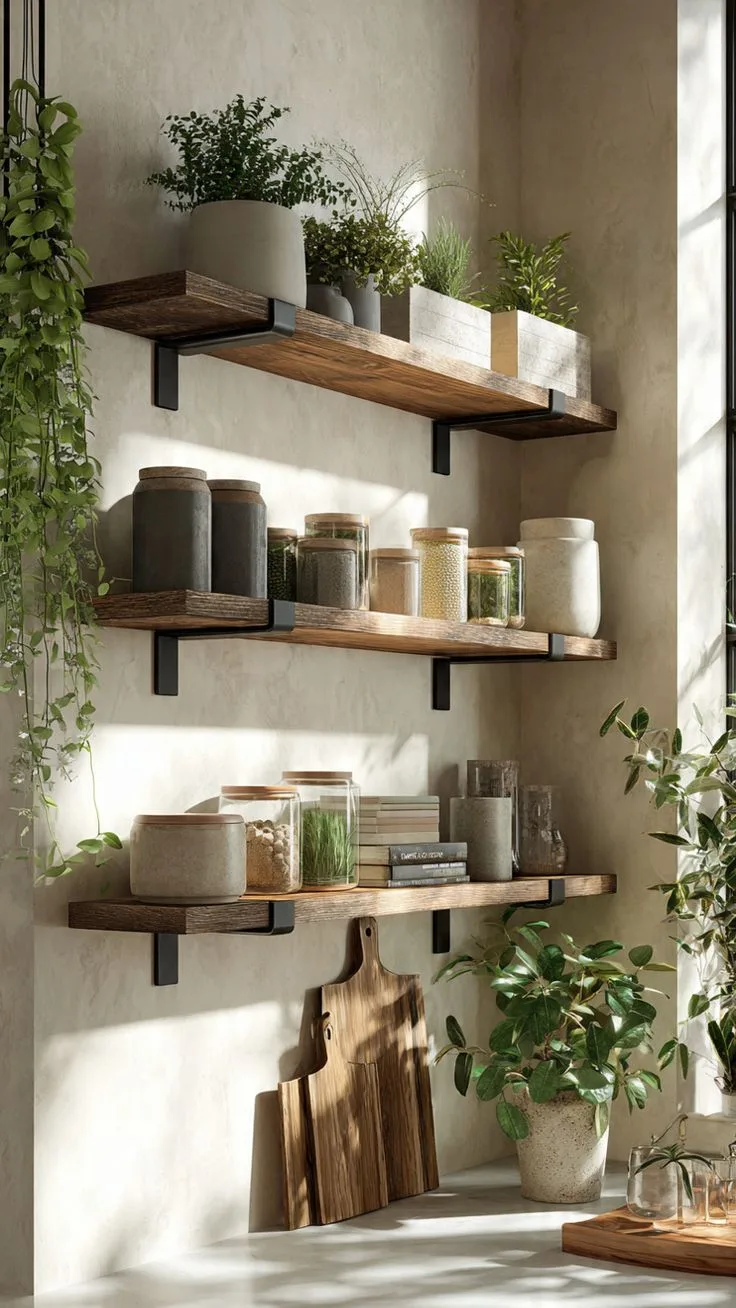
Learn how to organize your home with these 20 Eco-Friendly Home Organization Ideas for Tiny Spaces.
Living in a tiny space taught me one powerful lesson: every inch matters. When you don’t have extra rooms, hidden storage, or walk-in closets, clutter shows up fast, and peace disappears even faster.
For a long time, my small apartment felt overwhelming. Too many things. Too many plastic organizers. Too much waste. And honestly? Too much stress.
That’s when I decided to change not just how I organized my home, but why I organized it.
I wanted a space that felt calm, beautiful, functional, and environmentally responsible.
So in this post, I’m sharing 20 eco-friendly home organization ideas for tiny spaces that helped me create a clutter-free, sustainable, and peaceful home, without spending a fortune.
If you live in a small apartment, dorm room, studio, or shared space, this guide is for you.
Why I Chose Eco-Friendly Organization for My Small Space
Before I discussing the tips, let me be honest with you.
I used to buy cheap plastic storage bins every few months. They cracked easily, looked ugly over time, and eventually ended up in the trash.
I was organizing… but also contributing to waste.
That didn’t sit right with me.
So I started learning about sustainable living, minimalism, and conscious consumption, and it completely changed how I organized my home.
Eco-friendly organization helps you:
- Reduce waste
- Save money long-term
- Create healthier living spaces
- Support the environment
- Feel mentally lighter
And trust me, once you start, you’ll never want to go back.
How can I maximize vertical storage in a tiny apartment?
Maximize vertical storage by installing FSC-certified bamboo floating shelves, utilizing over-the-door jute organizers, and hanging tension rods with S-hooks. These eco-friendly solutions exploit underused wall space, keep floor areas clear, and use renewable materials to create a breathable, organized environment in compact rooms.
What are the best eco-friendly materials for home storage?
The best eco-friendly materials for home storage include bamboo for its rapid renewability, borosilicate glass for non-toxic food preservation, and recycled steel for heavy-duty shelving. Additionally, cork and organic cotton offer breathable, biodegradable options that improve indoor air quality while reducing plastic waste.
20 Eco-Friendly Home Organization Ideas for Tiny Spaces
1. Declutter First Before You Organize Anything
The first rule of organization is simple:
You cannot organize clutter.
Before buying containers or shelves, I always ask myself:
- Do I really need this?
- Have I used it in the last 6 months?
- Does it add value to my life?
If the answer is no, I donate, recycle, or repurpose it.
Less stuff = less stress.
2. Use Baskets Made from Natural Materials
Instead of plastic bins, I now use:
- Wicker baskets
- Bamboo trays
- Rattan containers
- Seagrass bins
They are eco-friendly, durable, and beautiful.
I use them for laundry, books, skincare, and even snacks.
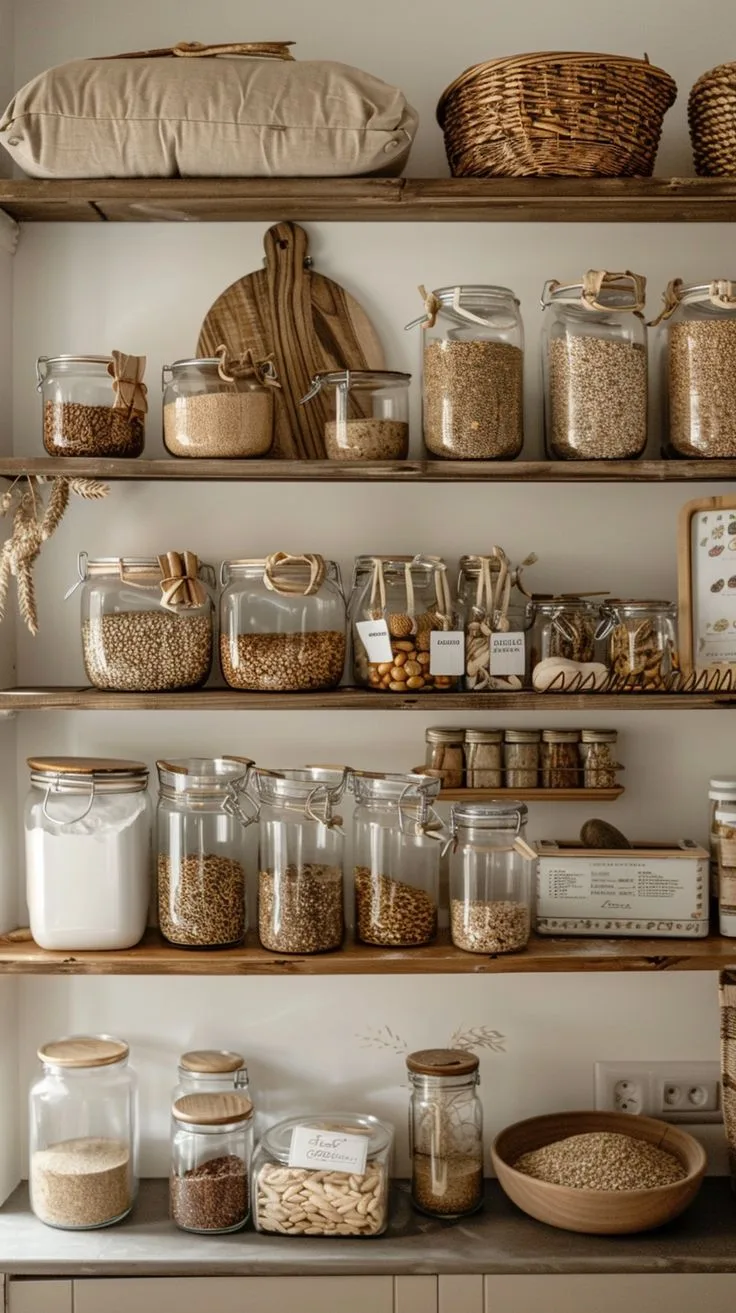
3. Repurpose Glass Jars for Storage
Check this out:
15 Budget-Friendly Thrift Home Decor Ideas for Small Apartments
Zero-Waste Apartment Hacks for Beginners: Easy Eco Tips That Actually Work
Old jars are my secret weapon.
I use them for:
Spices
Cotton pads
Hair accessories
Office supplies
Snacks
Instead of throwing them away, wash them and reuse.
It saves money and looks aesthetic.
4. Install Wall-Mounted Shelves
Source
When floor space is limited, go vertical.
Wall shelves help me store:
Books
Plants
Toiletries
Decorative items
They free up space while making your home look stylish.
Choose wooden or recycled shelves for sustainability.
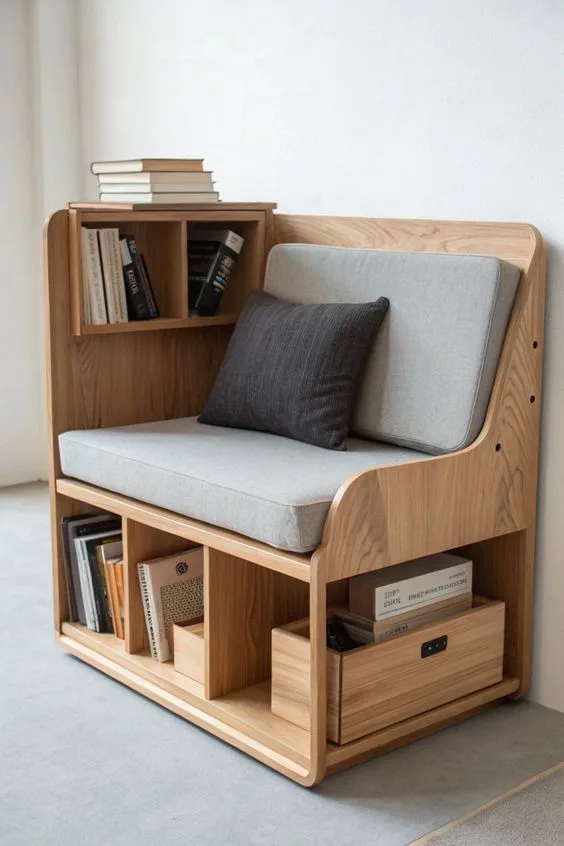
5. Use Multi-Purpose Furniture
You may aslo like:
25 Amazing Spring Tablescape Ideas for Everyday Events
Birthday Decoration Ideas for Girlfriend: Romantic, Cute & Creative Surprises
In a tiny space, furniture must work double.
My favorites include:
Storage beds
Ottomans with compartments
Foldable desks
Benches with storage
One item. Two purposes. Maximum value.
6. Switch to Refillable Containers
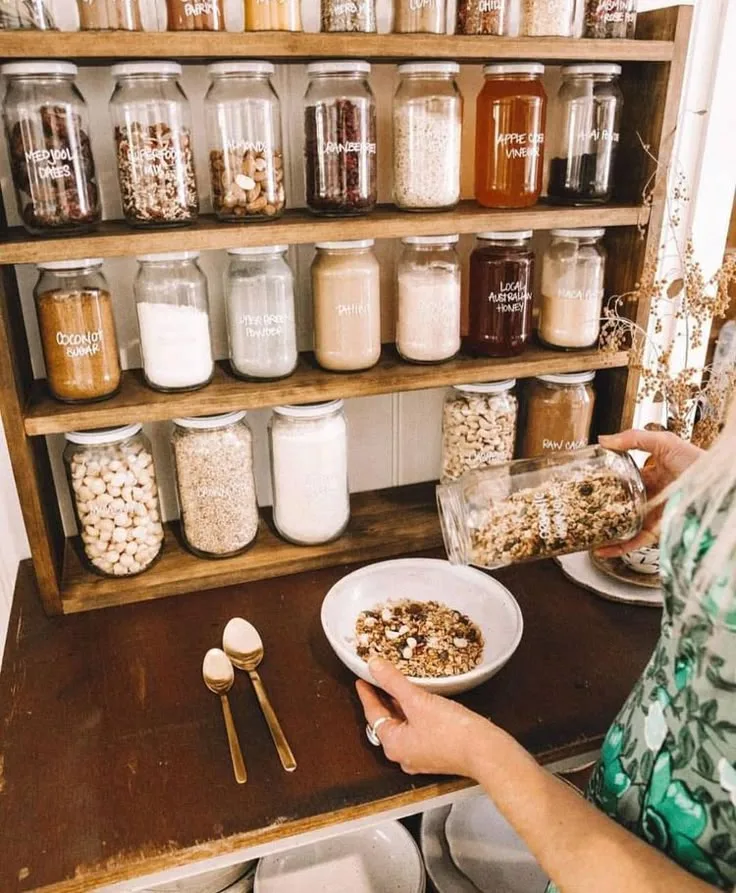
Instead of buying new bottles every time, I use refillable containers for:
Soap
Shampoo
Detergent
Cleaning sprays
It reduces plastic waste and keeps my shelves neat.
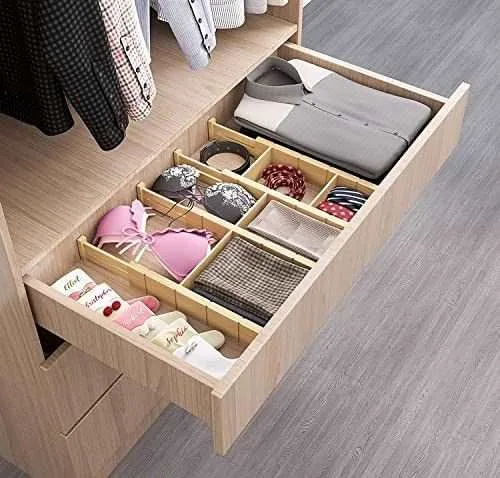
7. Organize with Drawer Dividers Made of Wood
Dill With It: The Ultimate Pickle Party Galentine’s Decor & Hosting Guide
Plastic dividers break easily.
I now use bamboo and wooden dividers for:
Cutlery
Makeup
Socks
Stationery
They last longer and look cleaner.
8. Store Vertically Whenever Possible
Vertical storage changed everything for me.
I stack:
Files
Pots
Towels
Shoes
It saves space and keeps things visible.
9. Use Fabric Storage Bags Instead of Plastic
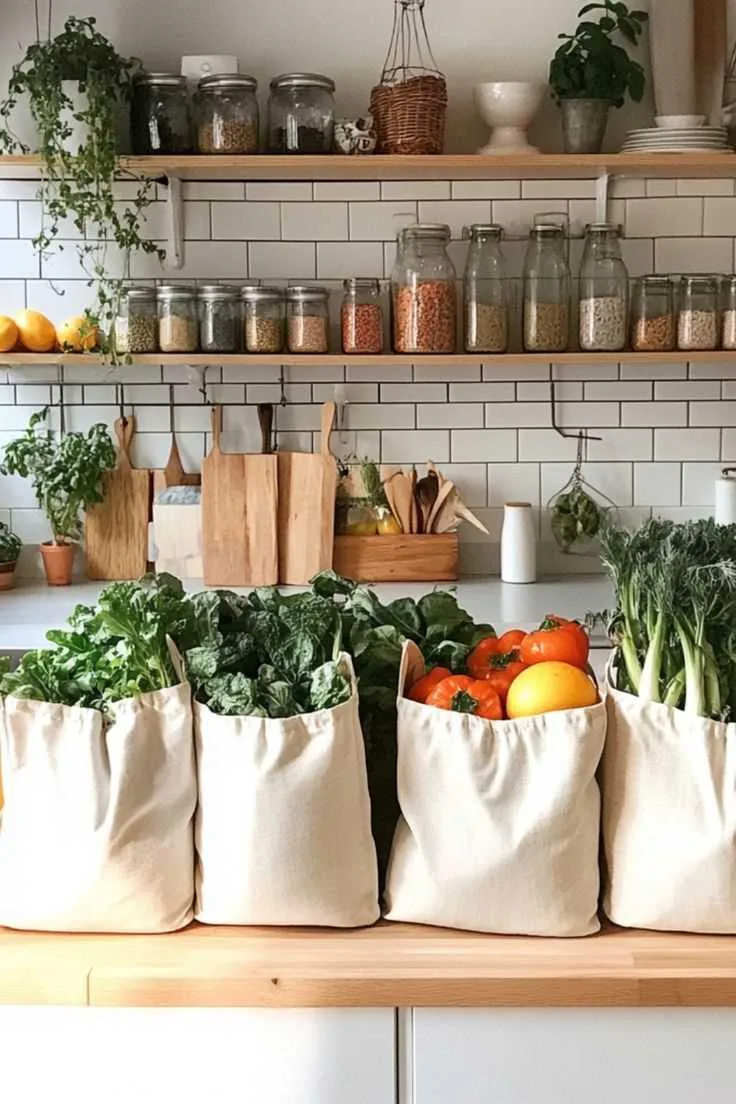
For seasonal clothes, I use cotton and linen storage bags.
They:
Allow airflow
Prevent mold
Are biodegradable
Look better
Win-win.
10. Turn Old Boxes into Storage Units
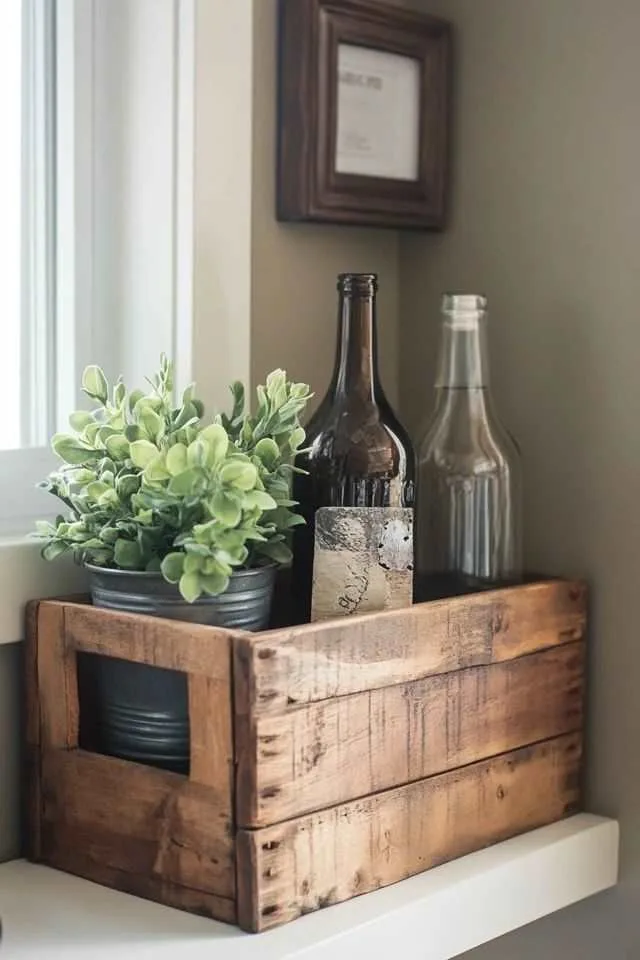
I decorate old cartons and shoe boxes with fabric or paper and use them for storage.
Perfect for:
Documents
Accessories
Cables
Beauty products
Free and eco-friendly.
11. Create a Zero-Waste Cleaning Station
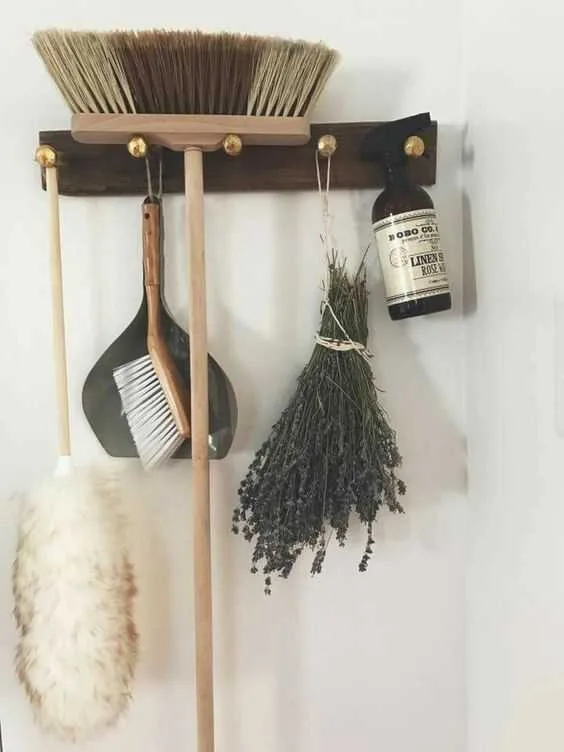
I keep all my eco-cleaning supplies in one basket:
Vinegar
Baking soda
Reusable cloths
Spray bottles
This keeps my cleaning routine organized and sustainable.
12. Hang Items Behind Doors
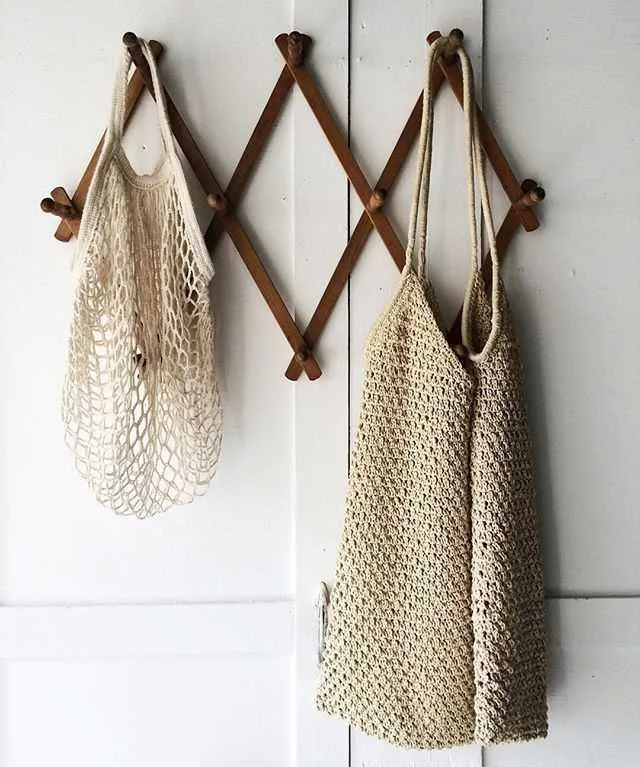
Behind-the-door organizers are lifesavers.
I use them for:
Bags
Shoes
Scarves
Toiletries
They use “hidden space” efficiently.
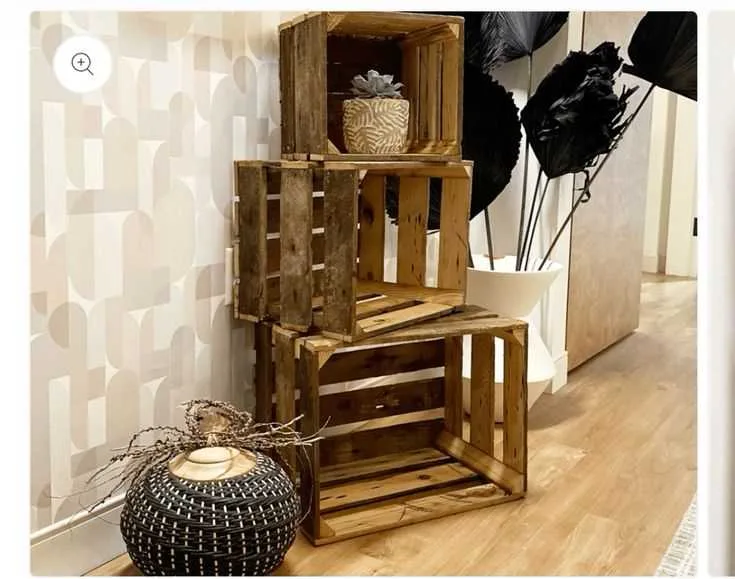
13. Use Stackable Wooden Crates
Wooden crates are versatile and stylish.
I stack them to create:
Shelves
Shoe racks
Pantry storage
They are recyclable and strong.
14. Label Everything with Reusable Tags
Labels keep me organized.
I use chalkboard labels and reusable tags for:
Pantry
Storage bins
Drawers
No more confusion.
15. Create a Minimalist Wardrobe System
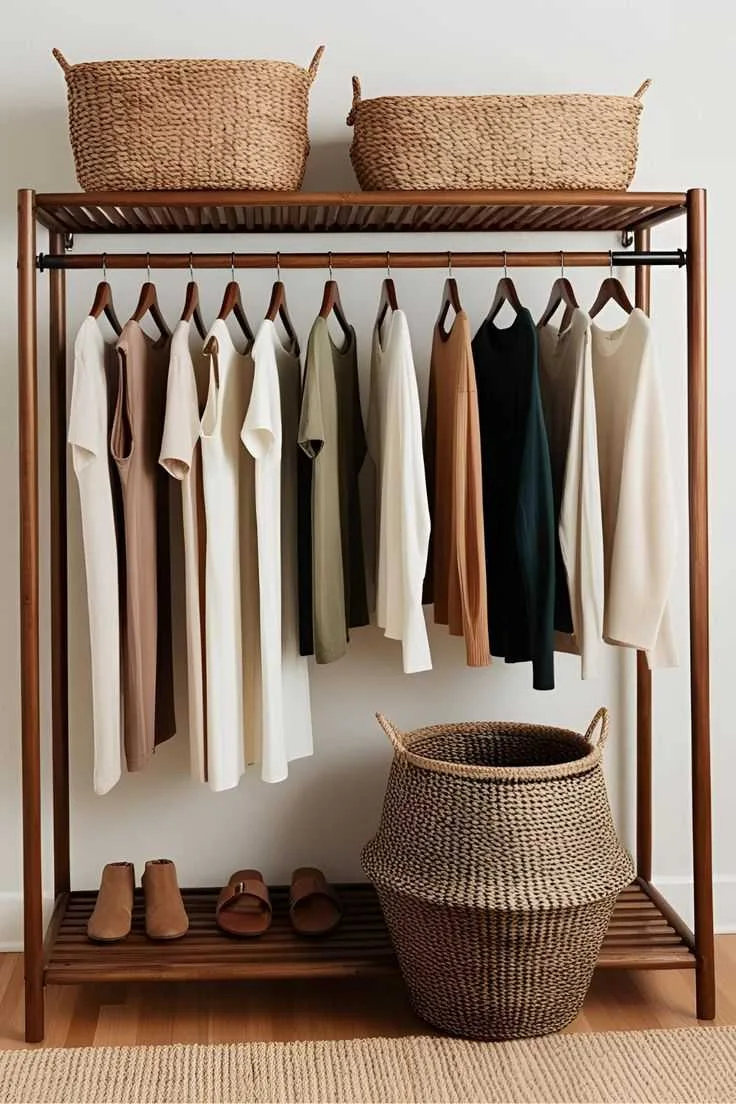
A small closet needs smart planning.
I organize my clothes by:
Category
Color
Season
I also donate clothes I no longer wear.
16. Store Under-Bed Items Sustainably
Under-bed space is valuable.
I use bamboo boxes and fabric bins for:
Shoes
Bags
Extra bedding
No plastic containers here.
17. Bring in Indoor Plants for Natural
Organization
Plants make my space feel alive.
I use them to:
Divide areas
Decorate shelves
Improve air quality
They organize visually and emotionally.
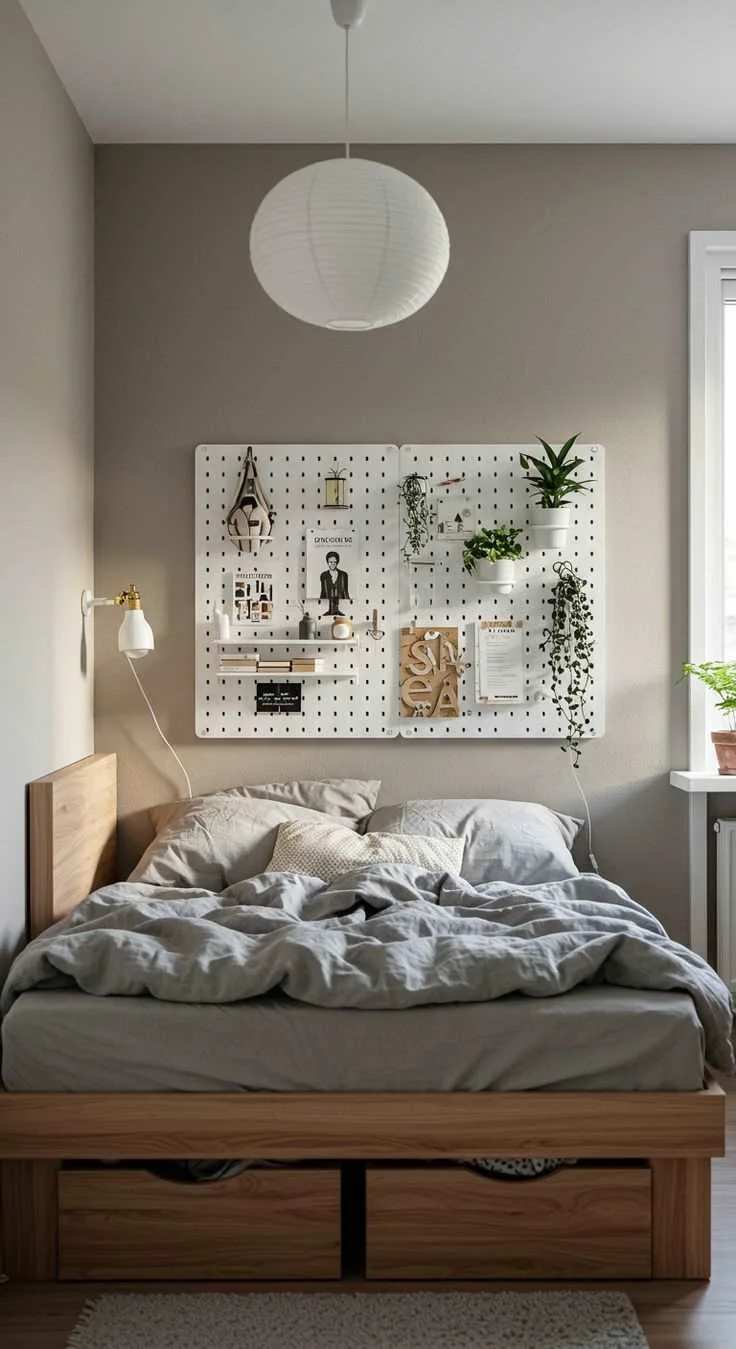
18. Use Pegboards for Flexible Storage
Pegboards help me organize:
Kitchen tools
Jewelry
Office supplies
Choose wooden pegboards for eco-friendliness.
19. Create a “One-In, One-Out” Rule
Every time I buy something new, I remove something old.
This keeps my home from filling up again. Simple but powerful.
20. Maintain a Weekly Reset Routine
Every Sunday, I do a 30-minute reset:
Return items
Wipe surfaces
Rearrange
Declutter
Consistency keeps everything in place.
How Eco-Friendly Organization Improved My Life
Since switching to sustainable organization, I’ve noticed:
- Less anxiety
- Better focus
- Cleaner space
- More gratitude
- Lower expenses
My home feels like a safe space now, not a storage unit.
And that peace is priceless.
Why Sustainability Is the New Organizing Principle in 2026
In 2026, home organization has officially outgrown the plastic bin phase. For people living in small apartments, studios, and tiny homes, sustainability isn’t just a feel-good trend, it’s the smartest way to organize a limited space.
The above and more eco-friendly home organization ideas for tiny spaces work better, last longer, and create healthier homes for three key reasons.
1. The Rise of “Chateaucore” and Long-Lasting Materials
More homeowners are choosing quality over quantity. Instead of flimsy plastic bins that crack or yellow, people are investing in timeless, durable pieces made from bamboo, stainless steel, glass, and solid wood.
These materials fit perfectly with the 2026 “Buy Once, Buy Well” mindset, fewer replacements, less waste, and storage that actually looks beautiful on display.
2. Indoor Air Quality Matters More Than Ever
In tiny spaces, fresh air doesn’t circulate as easily. Many plastic storage containers release chemicals over time, a process known as off-gassing, which can affect indoor air quality.
Sustainable materials like organic cotton, glass, and untreated wood are naturally non-toxic, helping your home feel cleaner, calmer, and safer, especially in areas where you sleep or eat.
3. The Circular Economy Mindset
Modern organization is no longer about buying more, it’s about using what you already have wisely. In 2026, eco-friendly home organization ideas for tiny spaces focus on upcycling. A glass pasta jar becomes a pantry container. A vintage wooden crate turns into shoe storage.
These small choices reduce waste, save money, and keep perfectly usable items out of landfills while giving your home a personalized, lived-in charm.
Maintenance: The “Daily Reset” Routine for Tiny Spaces
Staying organized in a small home isn’t about deep cleaning every weekend, it’s about consistency. A daily reset is a simple 10-minute habit that keeps clutter from taking over.
By lightly resetting your space each evening, you protect your air quality, maintain visual calm, and wake up to a home that feels instantly lighter.
-
The 2026 “Closing Shift” Strategy
In tiny homes where rooms multitask all day long, the “Closing Shift” is a game-changer. Think of it as gently closing down your space for the night so tomorrow starts fresh, without stress.
1. The 2-Minute Surface Sweep
Start by clearing flat surfaces like kitchen counters, coffee tables, and desks. In small spaces, clutter shows up fast, and even one messy surface can make the entire room feel overwhelming.
2. The “Elsewhere” Basket
Keep a small jute, wicker, or fabric basket nearby. Drop in items that don’t belong in the main living area; chargers, mail, hair accessories.
Once your reset is done, take two minutes to return each item to its “forever home.”
3. Zero-Waste Dish Reset
Don’t let dishes sit overnight. Washing, drying, and putting them away immediately prevents odors, moisture buildup, and mold, common issues in compact kitchens with limited ventilation.
4. Somatic Tidy-Up
Turn your reset into a calming ritual. Play a 10-minute soft playlist, step away from your phone, and let tidying become a way to signal closure to your day.
This mindful approach doesn’t just organize your space, it helps your nervous system unwind, too.
With these eco-friendly home organization ideas for tiny spaces, sustainability becomes effortless, and maintaining order feels less like a chore and more like self-care.
Frequently Asked Questions (FAQs)
1. Is eco-friendly organization expensive?
No. Most eco-friendly solutions save money because you reuse what you already have.
2. Can I organize sustainably in a rented apartment?
Yes. Use removable hooks, baskets, and portable shelves.
3. What is the best material for storage?
Bamboo, wood, cotton, linen, glass, and metal are best.
4. How do I start if I feel overwhelmed?
Start with one drawer or one shelf. Small steps matter.
5. Does minimalism mean throwing everything away?
No. It means keeping what truly serves you.
6. How often should I declutter?
Every 3–6 months is ideal.
7. Can eco-friendly organization look stylish?
Absolutely. Natural materials are timeless and beautiful.
Your Small Space Can Still Be Powerful. Living in a tiny space doesn’t mean living in chaos.
With intention, creativity, and eco-friendly choices, you can turn your small home into a peaceful sanctuary.
You don’t need more space.
You need better systems.
Start small. Be patient. Stay consistent.
Your future self will thank you.
And remember, every organized corner is a step toward a calmer life.
Here in this post you just read 20 Eco-Friendly Home Organization Ideas for Tiny Spaces.