Being in a relationship with a veteran can be one of the most rewarding experiences, even if it comes with unique challenges that stem from their history. Veterans often have experiences, memories, and emotions that colour their worldview and shape their relationships with others.
Building an understanding of the nuances of their experiences can help your relationship develop into a life truly lived together, vs just existing alongside each other.
Learn how to support partner who is veteran by balancing compassion and communication. Understand their experiences and build a relationship rooted in respect and empathy.
1. Understand Their Military Experience
You don’t have to know every detail, but learning about your veterinarian’s experience will help you see things from their perspective and understand what matters most to them.
Inquire thoughtfully about their military service and ask where they served, any particulars about their job and what they found most meaning in their service.
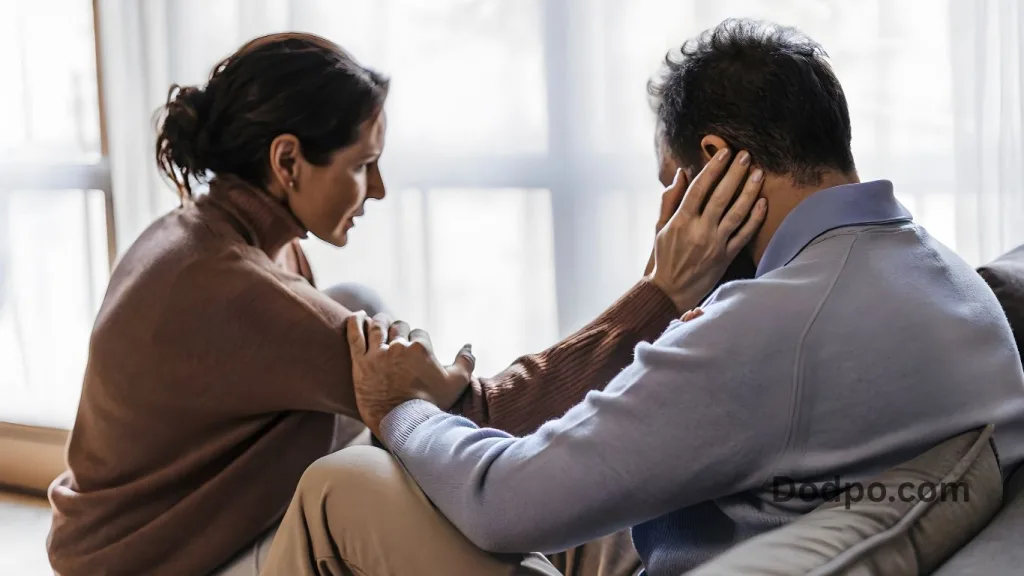
At the same time, let them tell you what they want you to know and don’t put pressure on them to recount experiences that are too painful.
Expressing interest is good, but wouldn’t it be even better to express interest without feeling pressured?
Your respectful request for admittance to their past and the sacrifices made will matter to them.
Mutual goals, mutual responsibilities, mutual interests, and healthy connections are all elements of a successful marriage.
If one partner suspects they are the reason for the distress in the relationship, they worry deeply about the state of the relationship.
The hurt partner struggles with self-doubt and wonders why their spouse is with them. Couples hesitate to ask each other for support.
Read also: 13 Romantic Veterans Day Date Ideas for Couples to Celebrate Love and Service
2. Make Caring Mutual
Understand that the healing process will have highs and lows. You can only negotiate effectively by giving and receiving, and understanding each partner’s ability to provide for the other’s needs through open communication and creativity.
When you have a need, state the need; this eliminates invisible resentment.
Do not assume your partner understands your needs; provide them with a clear strategy for success.
Assume they want to care for you and help you with your needs. They need to understand what they can do. Do you want some quality time and attention?
Perhaps they can provide you with some type of physical affection. Ask for the words or actions you desire to receive.
Neither of you has experience with this. If you both make an effort to support and grow together, you will have a happy, healthy partnership.
Ease your spouse’s sense of abandonment by attending to their intimate needs. Sex may be quickly out of the question due to health challenges, but intimacy doesn’t have to be.
Even if the healthy spouse isn’t complaining, it’s still essential to maintain open lines of communication. Your well-spouse may feel selfish or guilty for expressing their needs.
Figure out the best way to create a level of physical intimacy that acknowledges your love for one another.
This means letting go of unrealistic expectations of sex and having candid conversations about how to accomplish this in a realistic way.
When learning how to support partner who is veteran, remember that intimacy and connection are just as important as emotional understanding.
Schedule dates for sex, affection or an intimate encounter, allowing time for the injured person to prepare by taking pain medication, not overdoing it earlier, or working up some desire.
Schedule dates when you both have the most energy and the least pain, etc. Prioritize intimacy and talk about it. Let one another know what hurts and what feels erotic.
3. Have Patience During Their Transition
Transitioning from military life to civilian life can be a challenging process.
Many veterans work hard to adjust to longer, slower days, being responsible for others and things, with little structure, and may miss the camaraderie or purpose that even the most mundane things have brought to their lives.
During any transition, take your time and try not to interpret mood changes or withdrawing as a sign of indifference.
Before providing support, try to reassure the veteran that they are valued and appreciated.
Consistent reassurance from you will help them feel rooted and acknowledged as they transition.
4. Understand Signs of Emotional Distress
Some veterans may deal with residual issues, including post-traumatic stress or anxiety related to their service.
Loud noises, crowds, or the environment might trigger anxiety for those veterans.
If you notice unexplained signs of distress, for example, difficulty sleeping, agitation, or avoidance, you should not minimize what they are feeling. Instead of judging or being critical, you should show understanding.

Inform them that it is okay to ask for help, and if they do, you would be happy to help them find a professional support system aligned with their needs or care in that moment.
Saying something as simple as “You are not alone…” will go a long way.
5. Encourage Professional Support
Encouraging therapy/counselling does not imply that something is “wrong”; it is a gesture of care and compassion for them.
Many veterans utilize some of the counselling programs that provide support and are tailored for the veteran and their families.
Whether it is a program provided through the VA, through a military family centre, or a nonprofit organisation, these programs are voluntary, private, and effective in improving mental and emotional health.
Read also: Best Halloween Costumes for Couples: 20 Fun Ways to Dress Together
If your partner hesitates, consider attending couples therapy or support groups together. Sometimes, shared participation makes it easier for them to open up and feel understood.
6. Celebrate Their Strengths and Achievements
Your partner’s military service reflects courage, discipline, and resilience qualities that often define who they are today. Celebrate these strengths.
Recognize their dedication and remind them of how their experiences make them unique and capable.
Small gestures, such as saying “I’m proud of you,” can mean the world. It reinforces their sense of purpose and helps them feel appreciated beyond their role as a veteran.
7. Create a Calm and Supportive Home Environment
Many veterans value structure and stability. Creating a peaceful, organized home environment can help reduce anxiety and promote relaxation.
Maintain open communication, predictable routines, and conflicts that are calm and respectful.
A safe home isn’t just about physical space, it’s also about emotional safety. Let your partner know that home is their place of peace, where they can express themselves freely without fear of judgment.
8. Honour Their Need for Alone Time
Sometimes, veterans feel overwhelmed and may withdraw while they recharge, reflect, or work through their emotions.
Again, this is not a sign they don’t love you back; joining in their solitude is often part of their coping process. It may benefit you to give them their space without personalisation.
When they are ready to re-engage and return to activity, welcome them back with open arms. Your understanding during a veteran’s time of solitude creates emotional safety and trust.

9. Be Part of Their Interests
One meaningful way to practice how to support partner who is veteran is by engaging in shared interests and hobbies together.
Participating in shared interests is one of the best ways to rekindle your relationship and create new, positive memories.
This can be anything from hiking, watching sports, cooking, or even volunteering, but doing things together has been shown to help partners reconnect.
If your partner finds peace in structure or physical activity, join them in that space. Most veterans find peace and stimulation in routines, movement, collective, and/or structured purpose.
10. Communicate Honestly and Gently
Effective communication is a key component in any healthy relationship. When approaching sensitive topics, communicate openly with honesty and kindness.
Avoid blaming or jumping to conclusions. Instead of saying, “You never communicate with me,” say, “I feel anxious when it seems like you are pulling away.”
This type of communication encourages a healthy discussion without putting your partner on the defense. It lets your partner know it is safe to start talking about how they’re feeling.
11. Learn About Support Services for Military Families
There are numerous services available to assist veterans and their family members. There are local veteran family centres, mental health hotlines, and support groups for family members.
Even knowing where to go before you need help will help you feel more assured.
Veterans Service Organisations, the U.S. Department of Veterans Affairs (VA), the Veterans Crisis Line (Dial 988 and press 1), and the Wounded Warrior Project all offer excellent programs for veterans and their partners.
12. Commemorate a Military Holiday Together
Honouring Veterans Day, Memorial Day, or Armed Forces Day together is one way to support each other within the military family.
Attend community events, volunteer, or simply spend time together to honour those holidays and what they mean to veterans and their families.
Honouring the holiday is a nice way to recognise your partner’s service and sacrifice, as well as a way to remember those who sacrificed for the country.

These moments together not only deepen your bond but also enable you to appreciate the values inherent in your partner.
Read also: Best Weird Questions to Ask Your Boyfriend That Will Make Him Laugh and Open Up
13. Don’t Forget You
Sometimes supporting someone serving in the armed forces can feel exhausting and emotionally taxing.
Know that it’s important to take care of yourself. Practice self-care when needed, ask for help when you need it, and congratulate other people you know who have been through similar experiences.
Full support of your partner comes from being in an emotional balanced state yourself. It’s not selfish; it’s an act of love to take care of yourself so you can support each other.
Final Words
To support your partner who has served, it takes patience, empathy, and unconditional respect.
It is walking beside your partner, not to try to fix or change them, but to learn and love them alongside on their journey.
If you do more observing than speaking, more loving than judging, and more learning than assuming, you’ve created a relationship that honours their past and future with you.