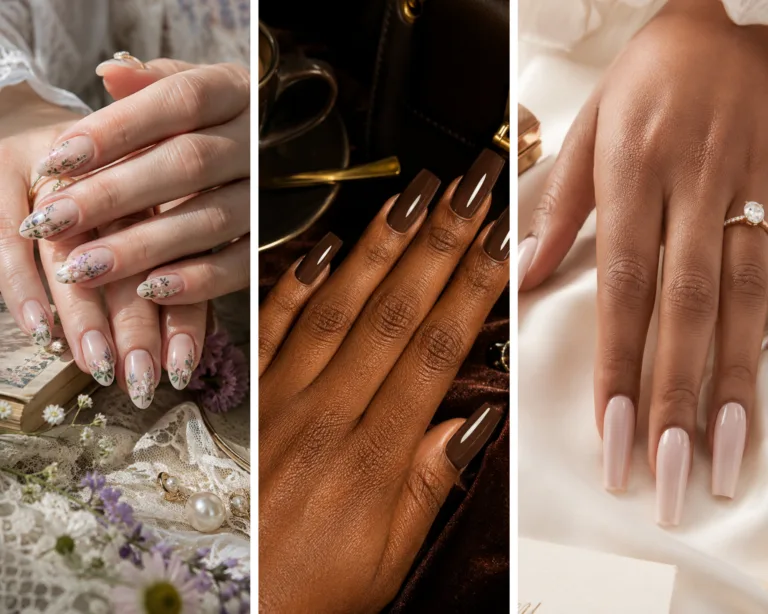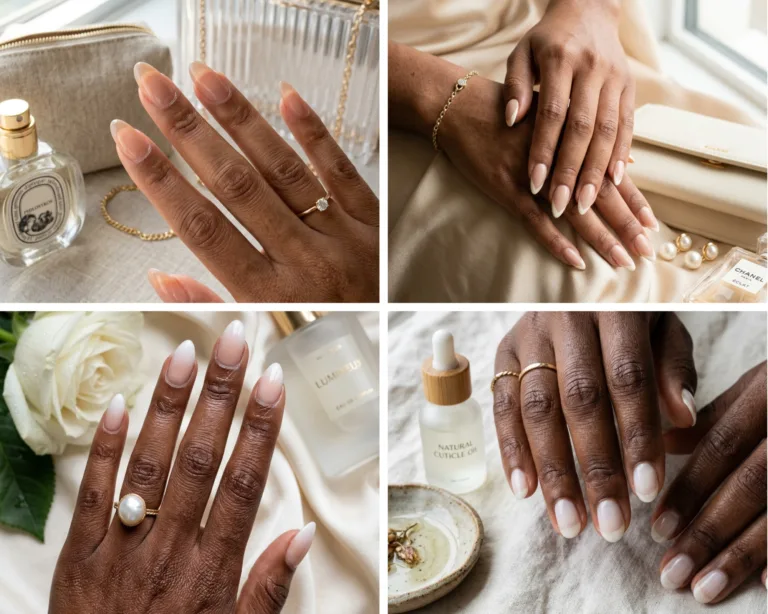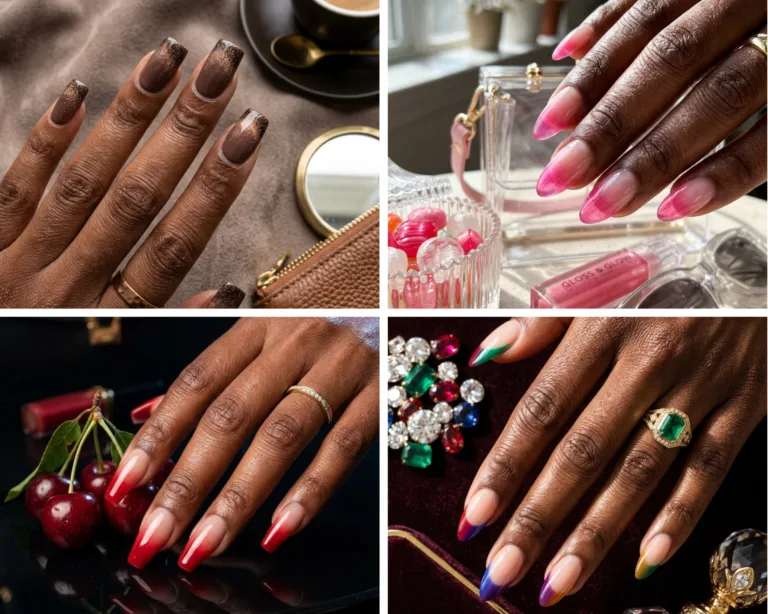
A manicure can feel like a small reset before another run of early shifts, long rounds, constant handwashing, and tight disposable gloves.
The challenge is choosing something polished that will not interfere with work or look out of place in a clinical setting. Short nail ideas nurses can realistically wear usually rely on neat shaping, smooth surfaces, sheer colors, and restrained details rather than extra length or raised decorations.
Depending on your facility policy, that might mean a clear strengthening coat, a soft neutral gel, a tiny French edge, or a muted color that still feels personal. Always check local rules first, then use these practical designs as inspiration, starting with the cleanest version of the barely there manicure.
1. Sheer Pink Soap Nails
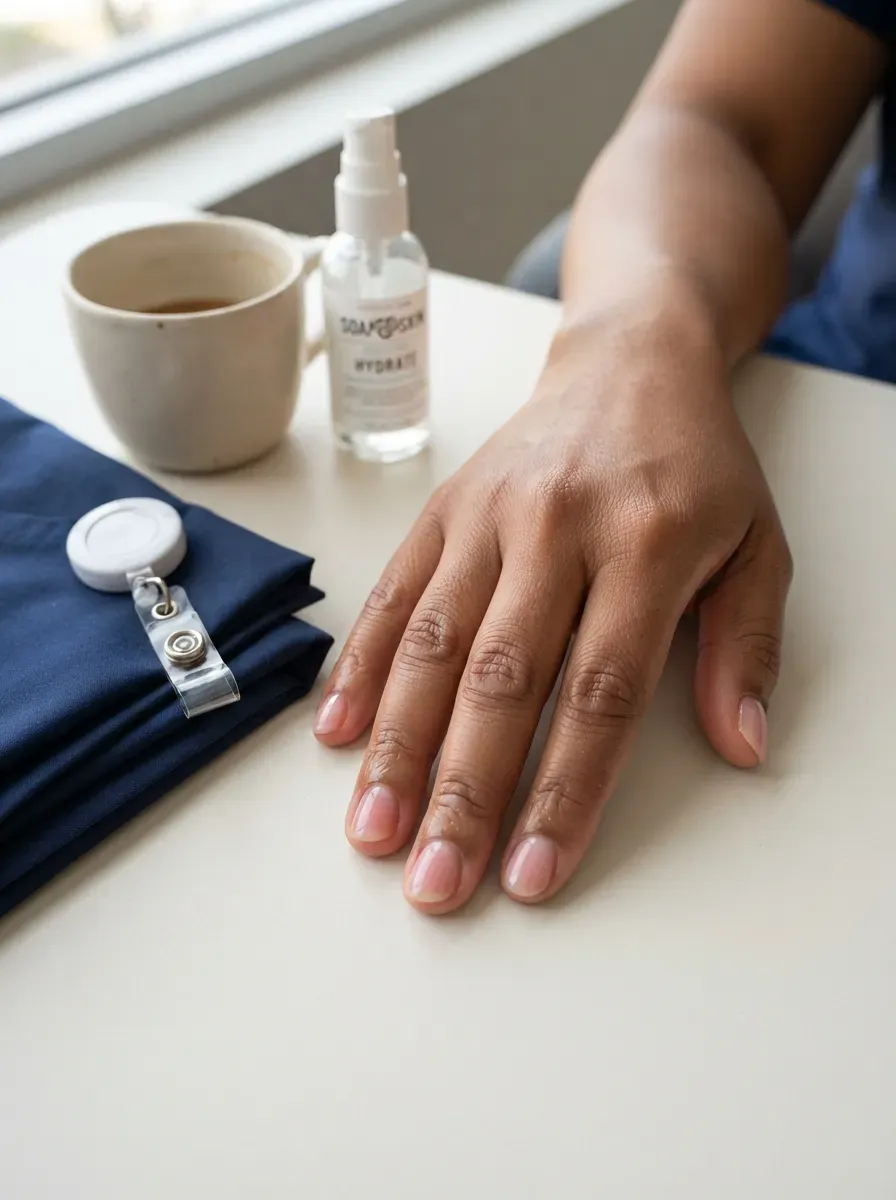
Sheer pink soap nails look clean because the natural nail remains visible beneath a polished, high gloss layer.
Rounded tips stay practical under gloves, while the translucent color makes minor growth less obvious. Use a ridge filling base first, since sheer polish reveals peeling and surface dents more clearly than opaque shades.
2. Milky Beige Short Squoval Nails
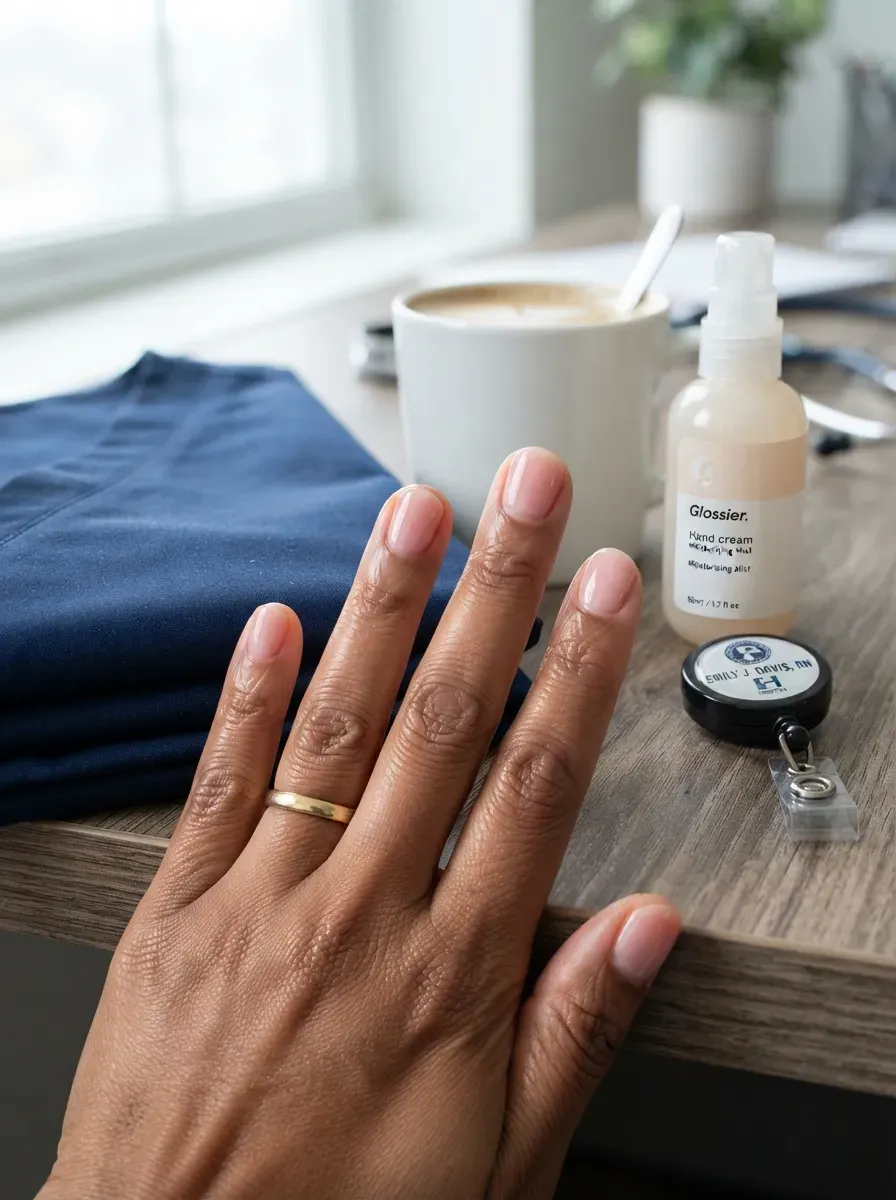
Milky beige softens the nail plate without creating a stark contrast against the skin.
The squoval shape combines straight edges with rounded corners, making it less likely to catch when changing gloves. Choose a beige that sits close to your undertone, and keep the free edge no longer than the fingertip.
Here’s 18 Circus Aesthetic Dinner Party Ideas That Feel Straight Out of a Vintage Carnival
3. Clear High Gloss Natural Nails
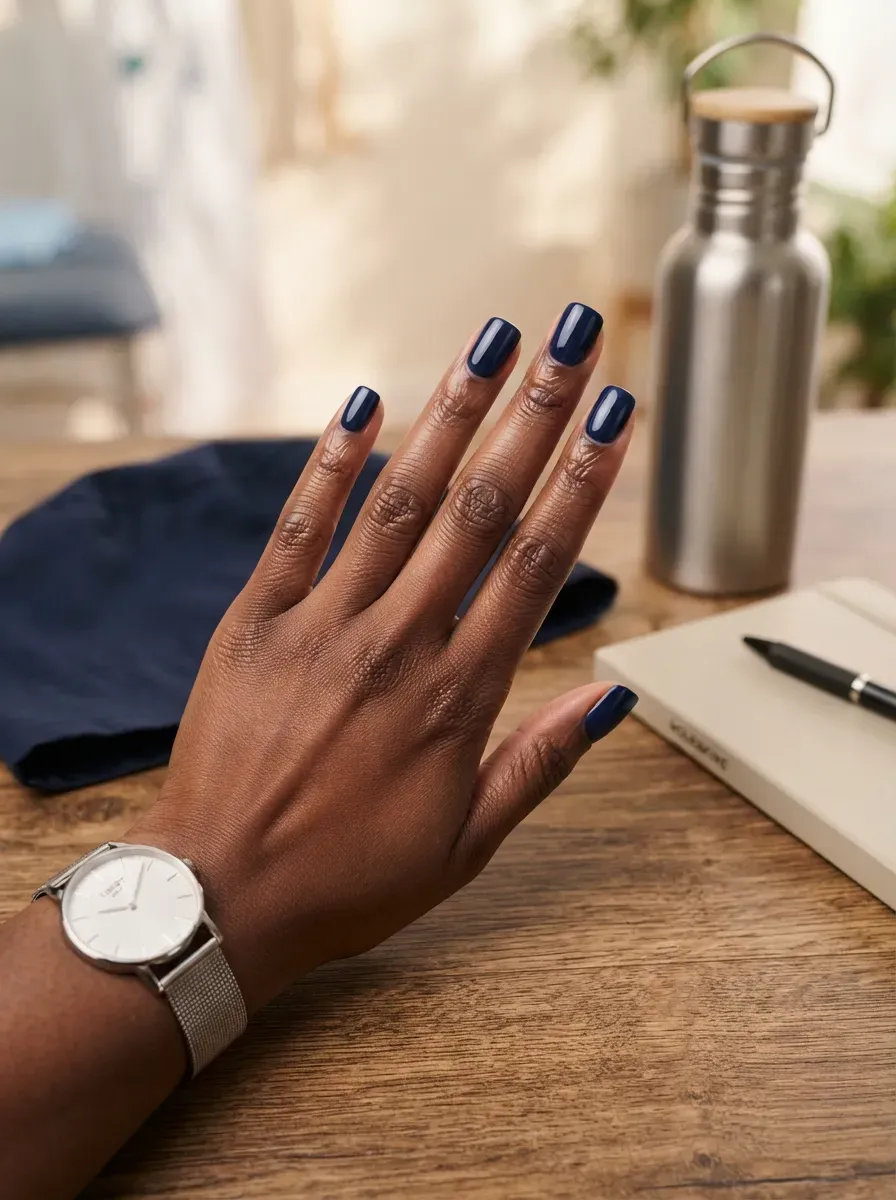
Clear polish is often the easiest way to make short natural nails appear tidy without introducing visible color.
A glossy coat smooths the surface and gives the cuticle area a finished look. Keep the layers thin, because thick clear polish can peel at the edges after repeated washing and sanitizer use.
4. Soft Taupe Micro French Nails
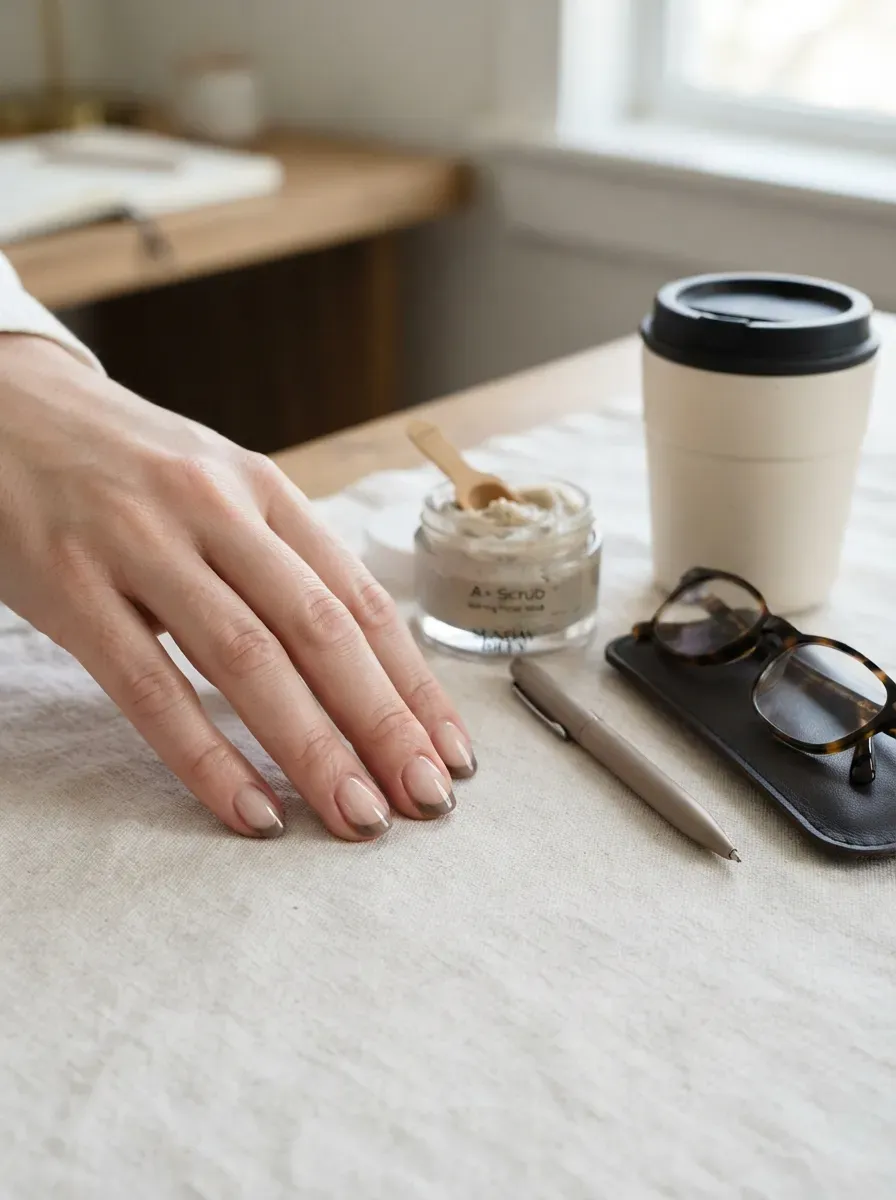
A narrow taupe French tip adds definition without the sharp contrast of traditional white.
The muted line reads neatly on very short nails and pairs easily with neutral uniforms. Use highly pigmented detailing gel so the technician can complete each tip in one slim pass rather than building bulky layers.
Check out 20 Summer Coral Nail Ideas for Warm Skin Tones
5. Blush Ombré Rounded Nails
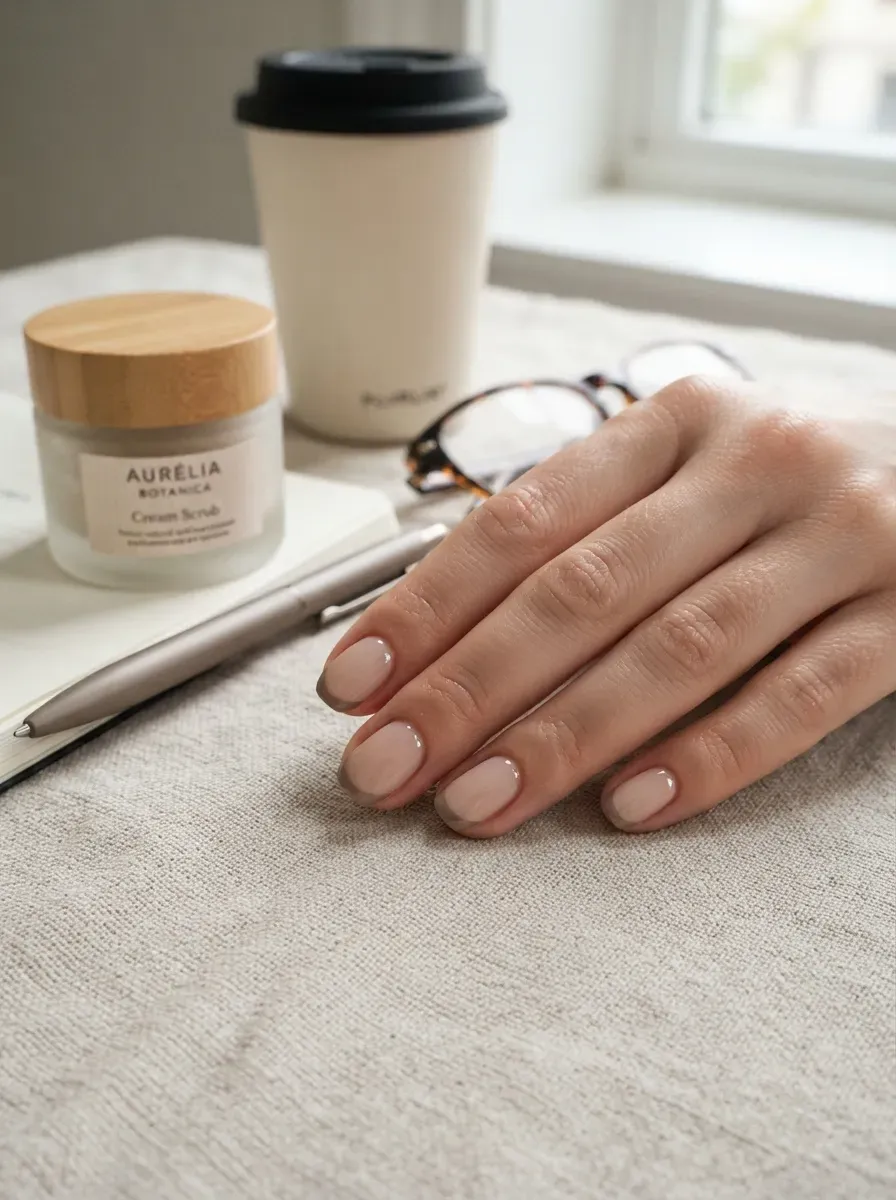
A soft blush ombré creates visual length without adding a hard French line.
The fade also hides regrowth better than fully opaque polish, which helps between busy appointments. Ask for semisheer pink and nude shades rather than white pigment, and keep the transition low enough to remain visible on short nail beds.
6. Pale Gray Cream Nails
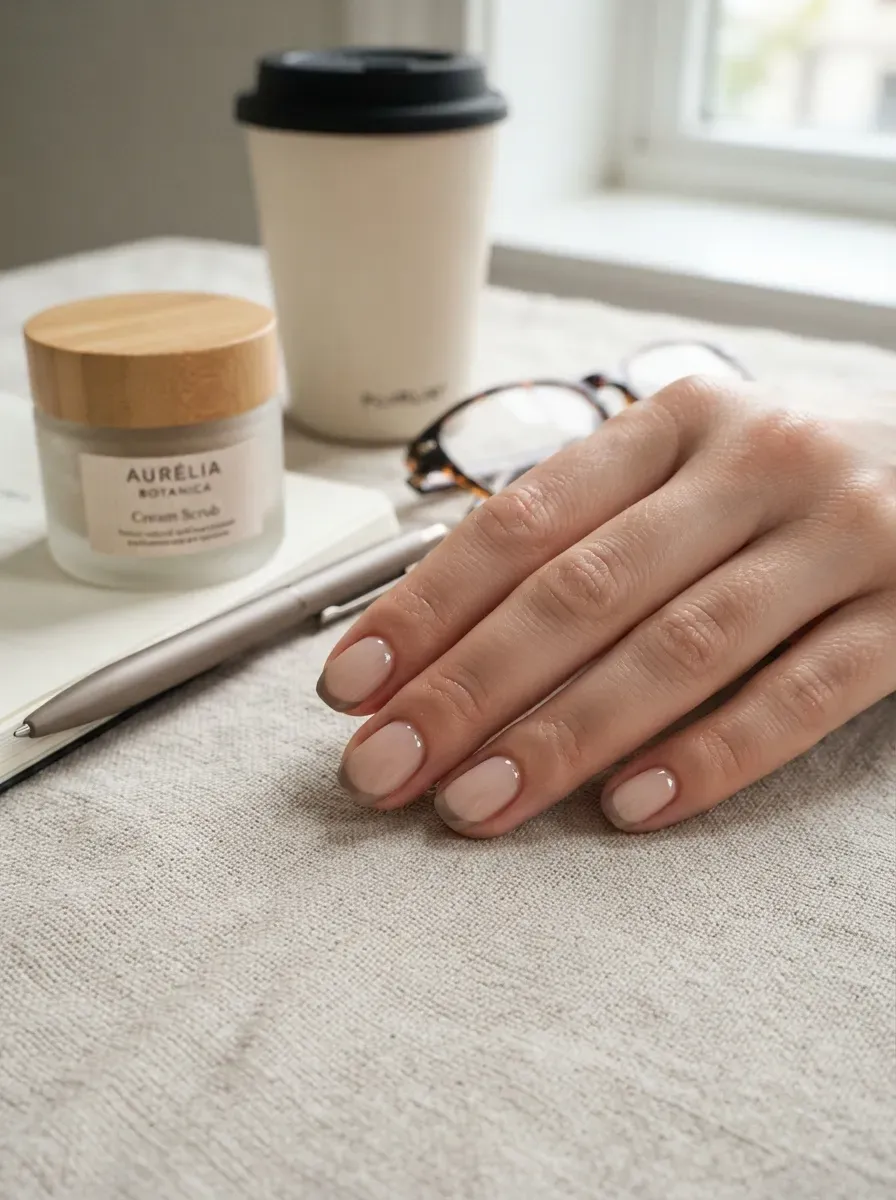
Pale gray gives short nails a modern neutral finish without appearing as bright as white.
A cream formula is easier to maintain than shimmer because scratches are less noticeable under overhead lighting. Choose a gray with a hint of beige if your skin has warm undertones, and apply two thin coats.
See more 20 Short Nail Ideas That Prove You Don’t Need Length to Look Stunning
7. Navy Micro Tip Squoval Nails
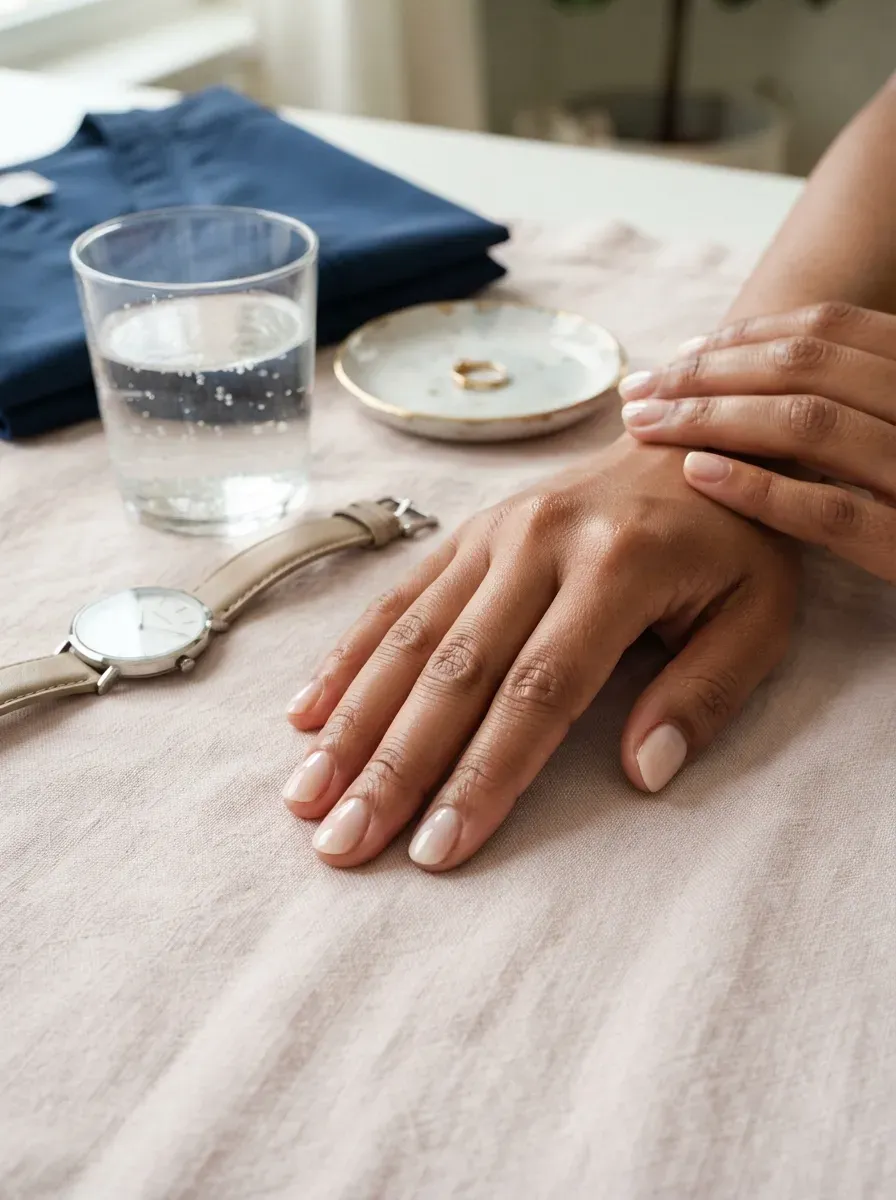
Navy micro tips introduce dark color without coating the entire nail.
Keeping the line narrow helps the manicure stay restrained and prevents short nail beds from looking visually smaller. Match the curve to the natural free edge, and seal underneath each tip because dark polish makes minor wear easy to spot.
8. Warm Caramel Nude Nails
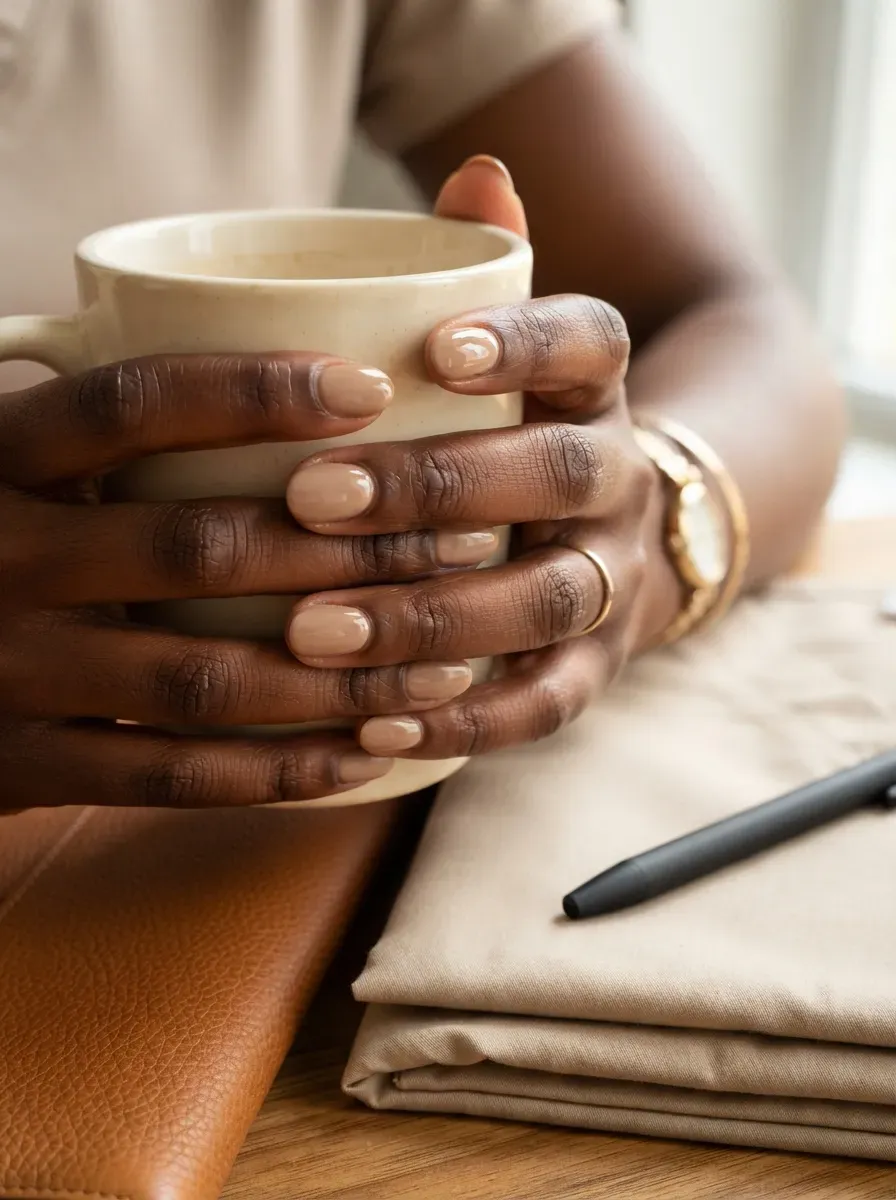
Caramel nude creates a polished tone on tone effect on warm and deep complexions.
Short oval shaping keeps the color soft, while full coverage hides uneven natural nail color. Test the shade near the cuticle instead of inside the bottle, and avoid nudes several shades lighter than the skin because they can look chalky.
9. Soft Sage Short Round Nails
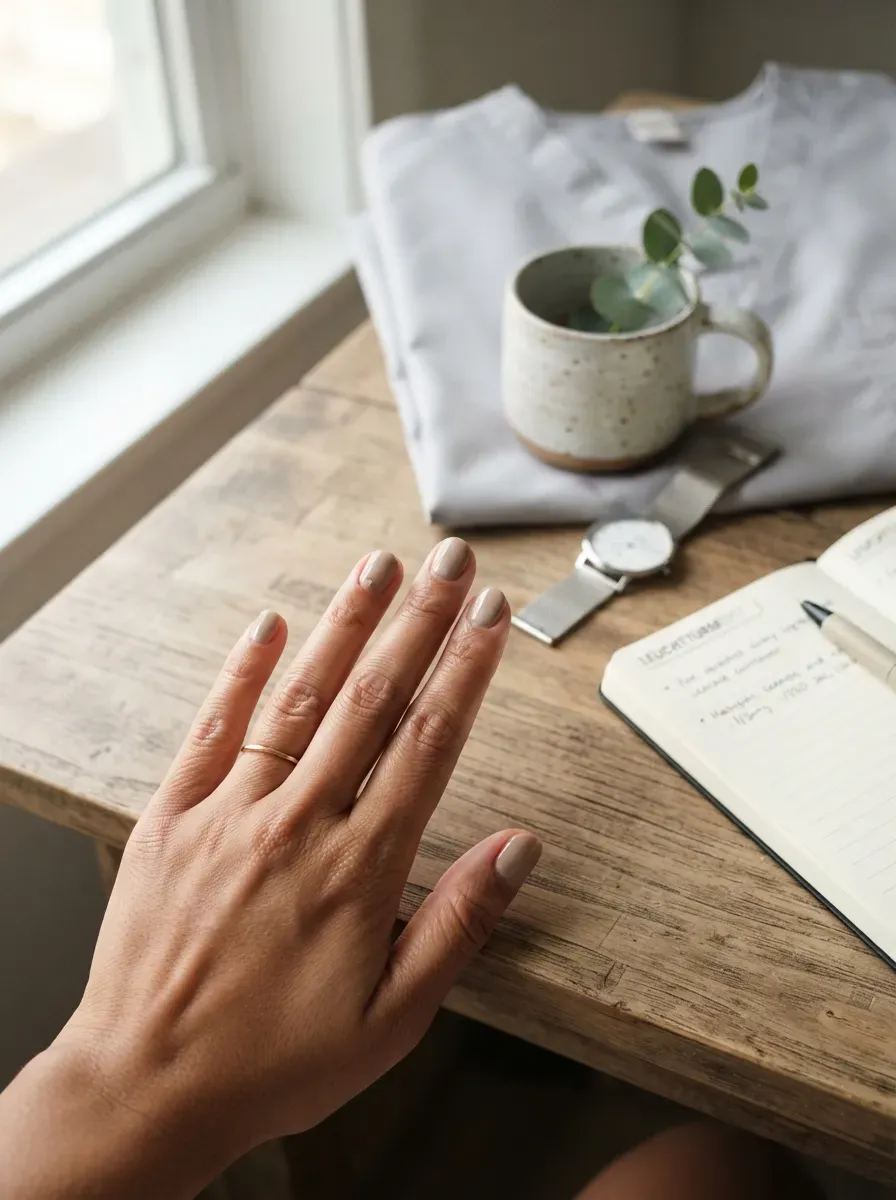
Muted sage adds color while remaining softer than bright green or teal.
The dusty undertone works especially well with warm skin and neutral uniforms, while short round shaping keeps the manicure approachable. Use a true cream finish rather than glitter, and choose a slightly grayer sage when workplace dress standards are conservative.
Read more 20 Summer Coral Nail Ideas for Warm Skin Tones
10. Translucent Rose Jelly Nails
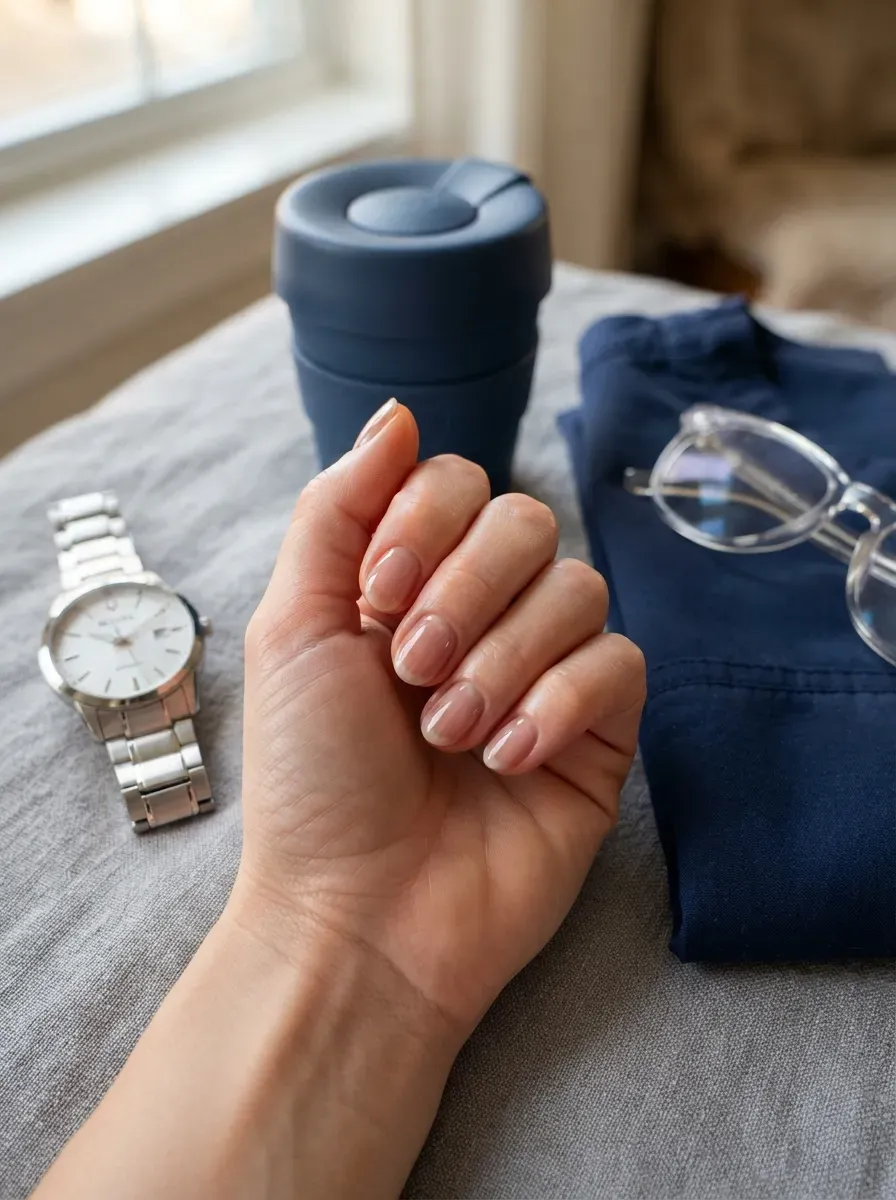
Rose jelly polish gives short nails healthy looking color while allowing the natural nail bed to show through.
Thin translucent layers make small chips less obvious than opaque pink. Apply two or three light coats and cure each completely, since thick jelly gel can wrinkle underneath the glossy surface.
11. Matte Mauve Short Square Nails
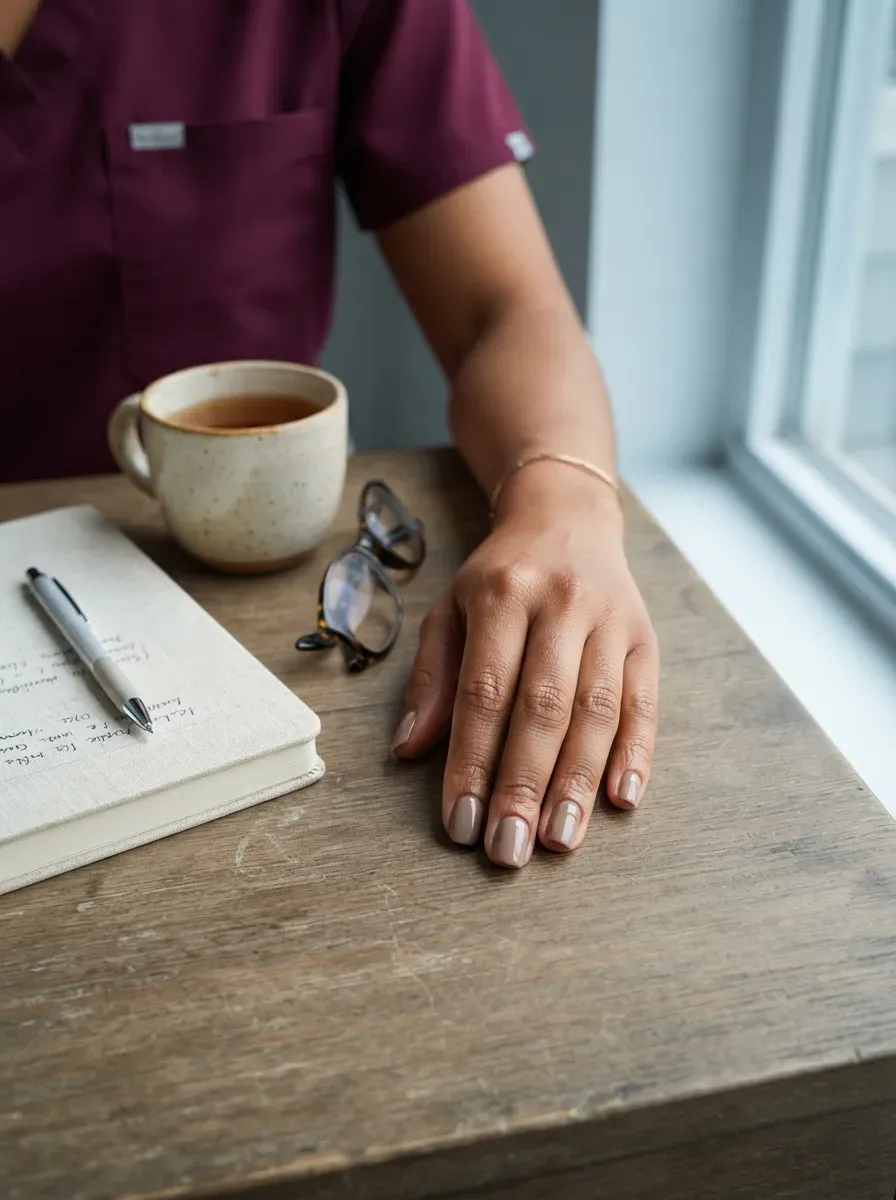
Matte mauve feels more subdued than glossy berry polish and gives short square nails a soft, velvety surface.
The muted purple brown tone suits many undertones without becoming visually loud. Keep lotion and cuticle oil off the nail plate during work, since oils can create uneven shiny patches on matte top coat.
12. White Micro French Nude Nails
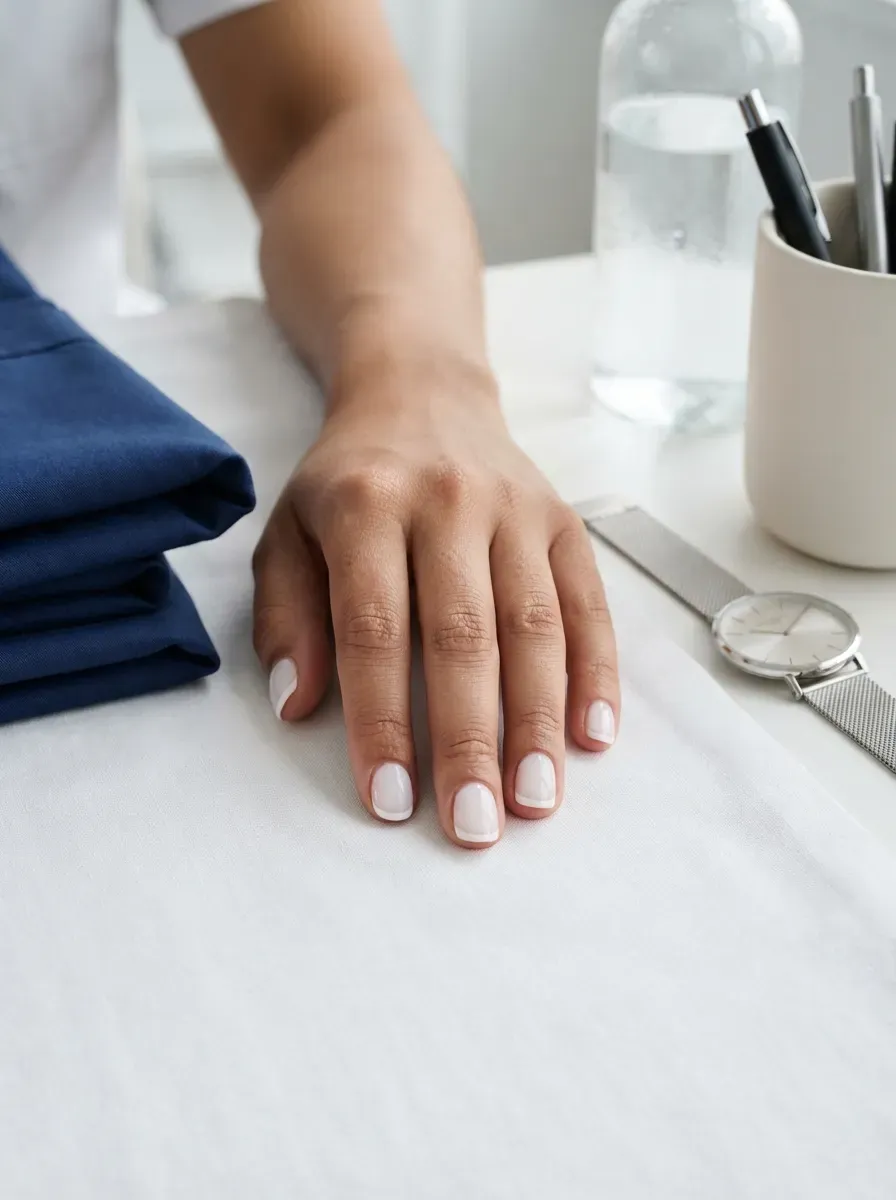
A very slim white French tip gives short nails a crisp finish without creating a thick, dated band.
Rounded shaping mirrors the natural curve and reduces sharp corners under gloves. Use a soft white rather than a harsh bright white, and keep every tip the same depth across all five nails.
Check out 30 Professional Locs Hairstyles for Black Women
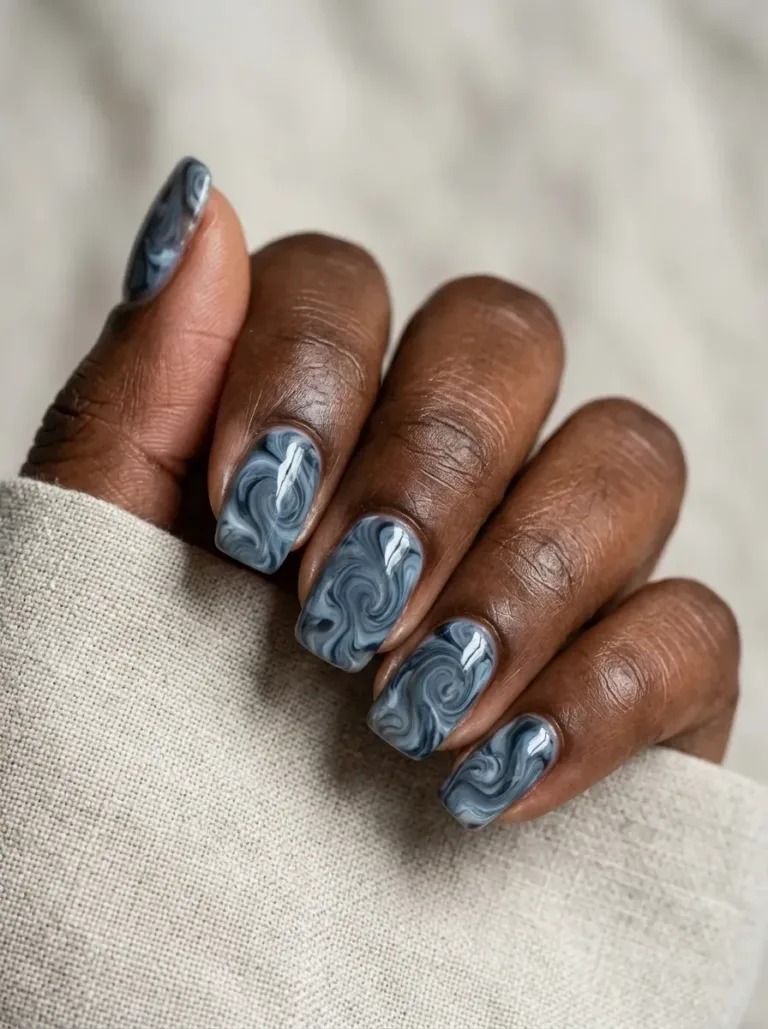
13. Dusty Blue Cream Nails

Dusty blue gives nurses a muted alternative to brighter cobalt or turquoise.
The gray undertone prevents the color from becoming distracting, while a cream formula creates smooth, even coverage. Pair it with short squoval nails for easier glove changes, and wrap the free edge to reduce visible tip wear.
14. Cocoa Negative Space Half Moon Nails
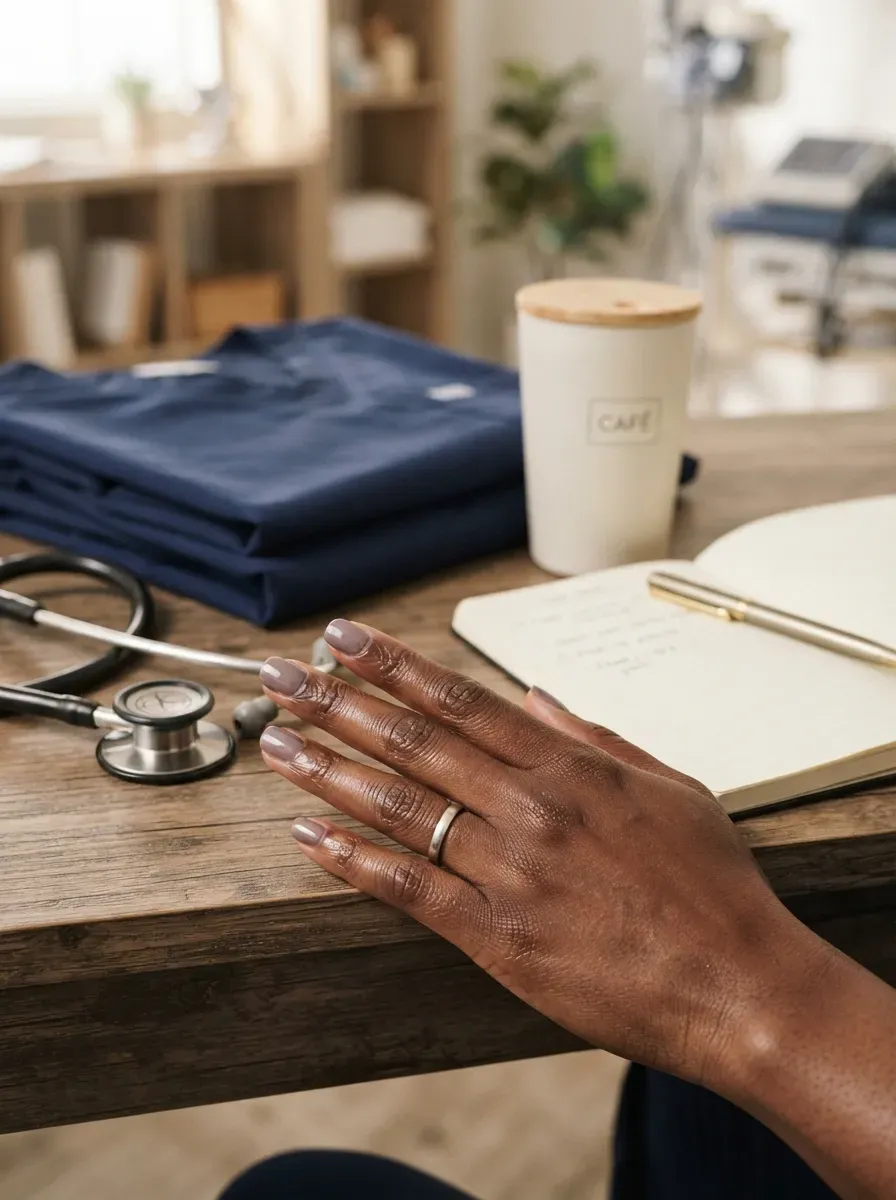
Leaving a clear half moon near the cuticle makes cocoa polish feel lighter and helps disguise growth.
The curved negative space also keeps dark brown from visually shortening the nail bed. Apply clear base coat across the exposed section, and keep every arc balanced rather than trying to make them mechanically identical.
15. Champagne Pearl Glaze Nails
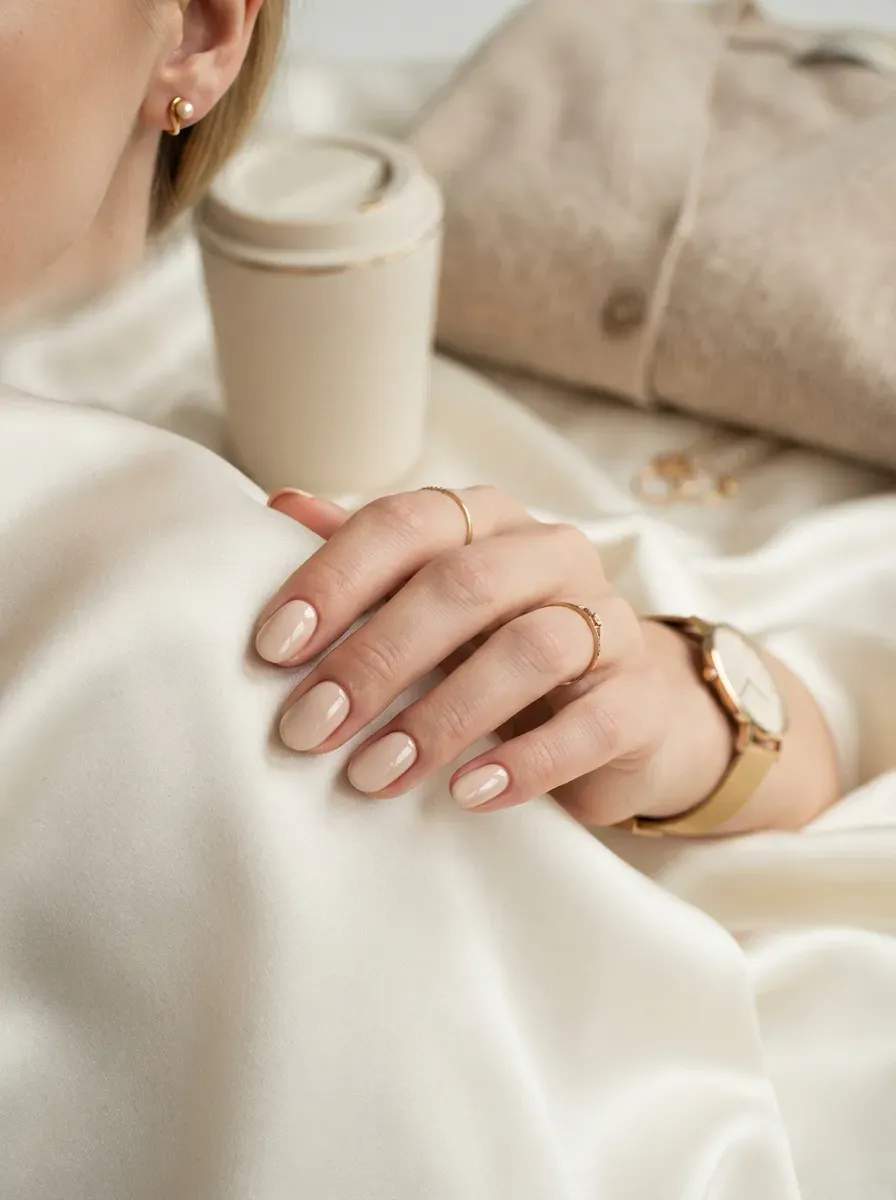
A fine champagne glaze brings light to a nude base without introducing visible glitter.
The soft reflection looks polished under indoor lighting and stays smoother than raised embellishments. Choose finely milled pearl powder, and keep the almond tip very short so the shape remains functional during clinical tasks.
Read also 12 Bridal Loc Styles With Pearls and Lace That Look Like Pure Wedding Magic
16. Short Burgundy Oval Nails
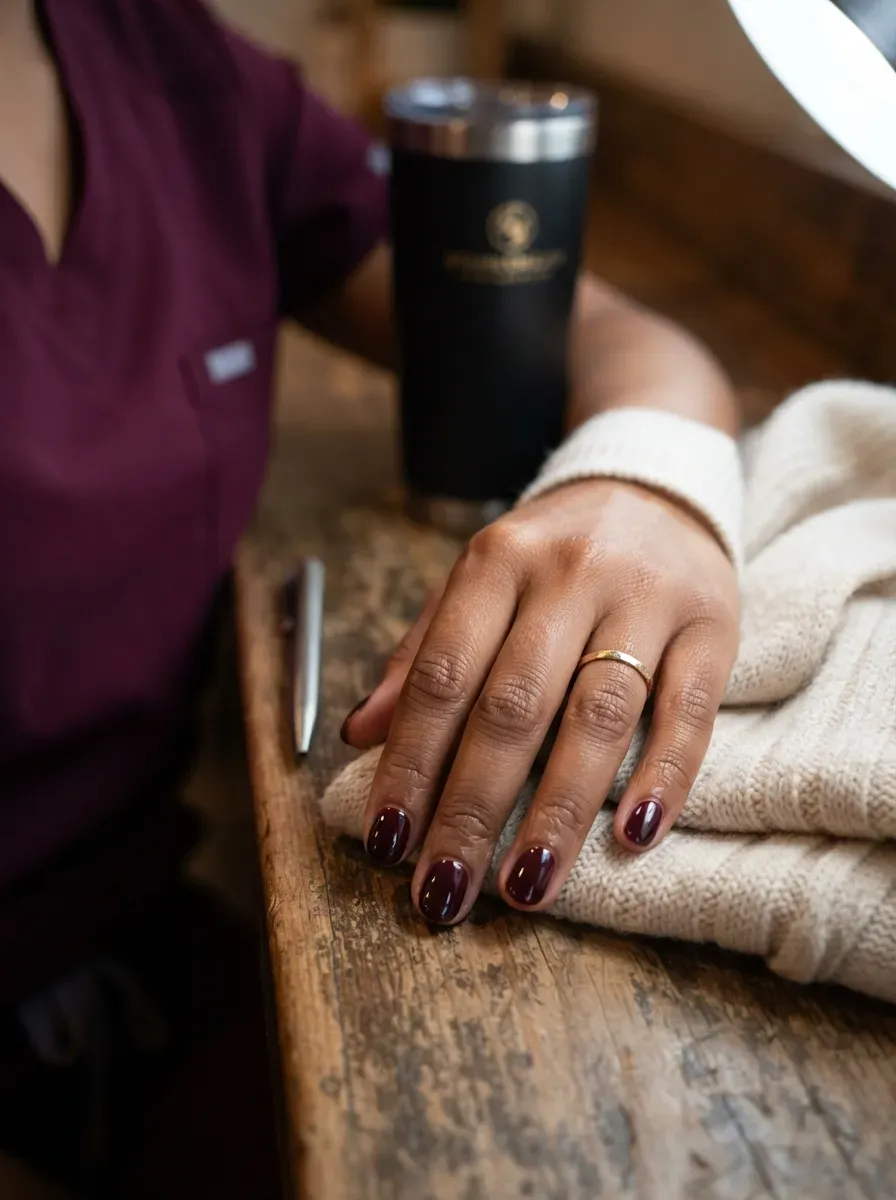
Burgundy gives short nails a rich, professional looking finish without requiring art or extra length.
Oval shaping softens the dark color and reduces square corners that may catch during glove changes. Apply two thin coats, and keep a matching polish bottle for small repairs because dark chips show quickly.
17. Single Micro Dot Accent Nails
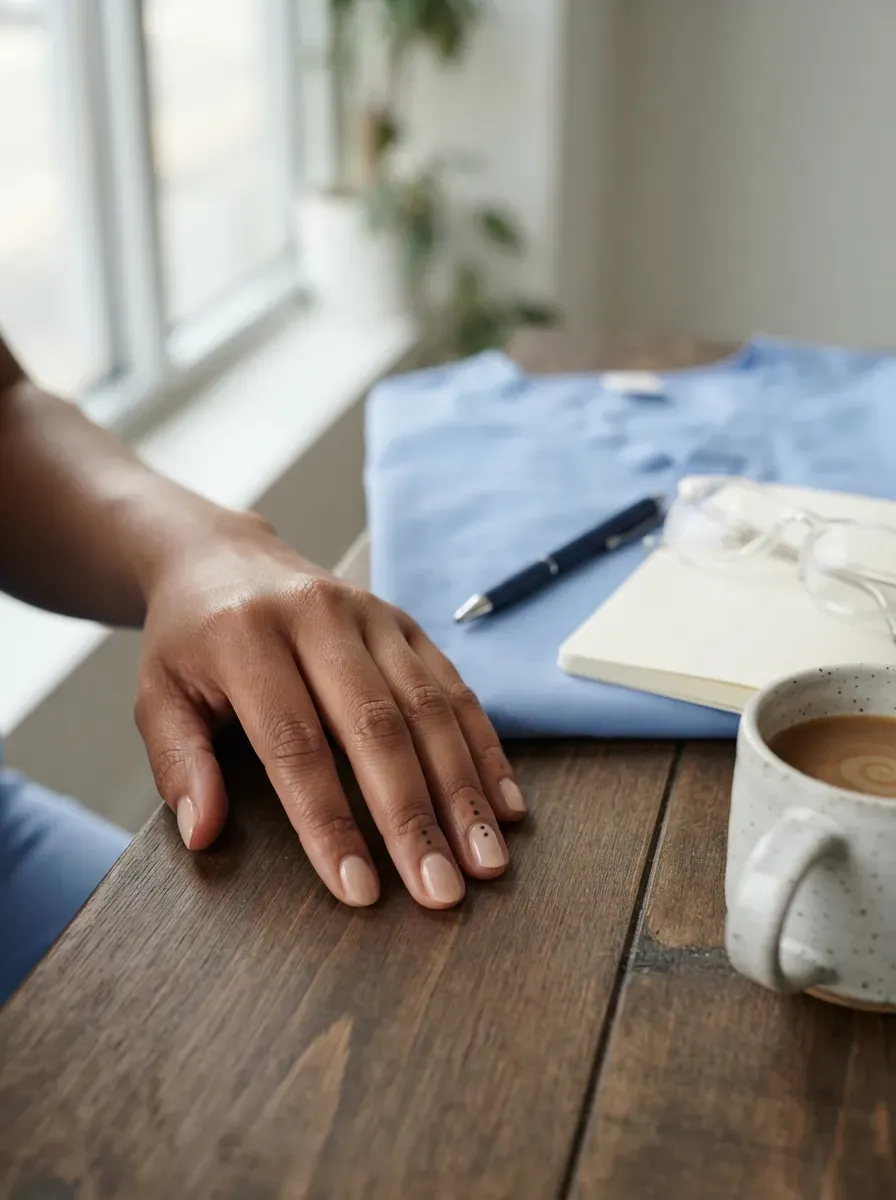
One tiny navy dot on each ring finger adds detail without turning the manicure into obvious nail art.
The rest of the nails remain sheer nude, keeping the overall look restrained. Place the dots close to the cuticle where they experience less wear, and use flat painted gel rather than studs.
18. Nude Side Line Squoval Nails
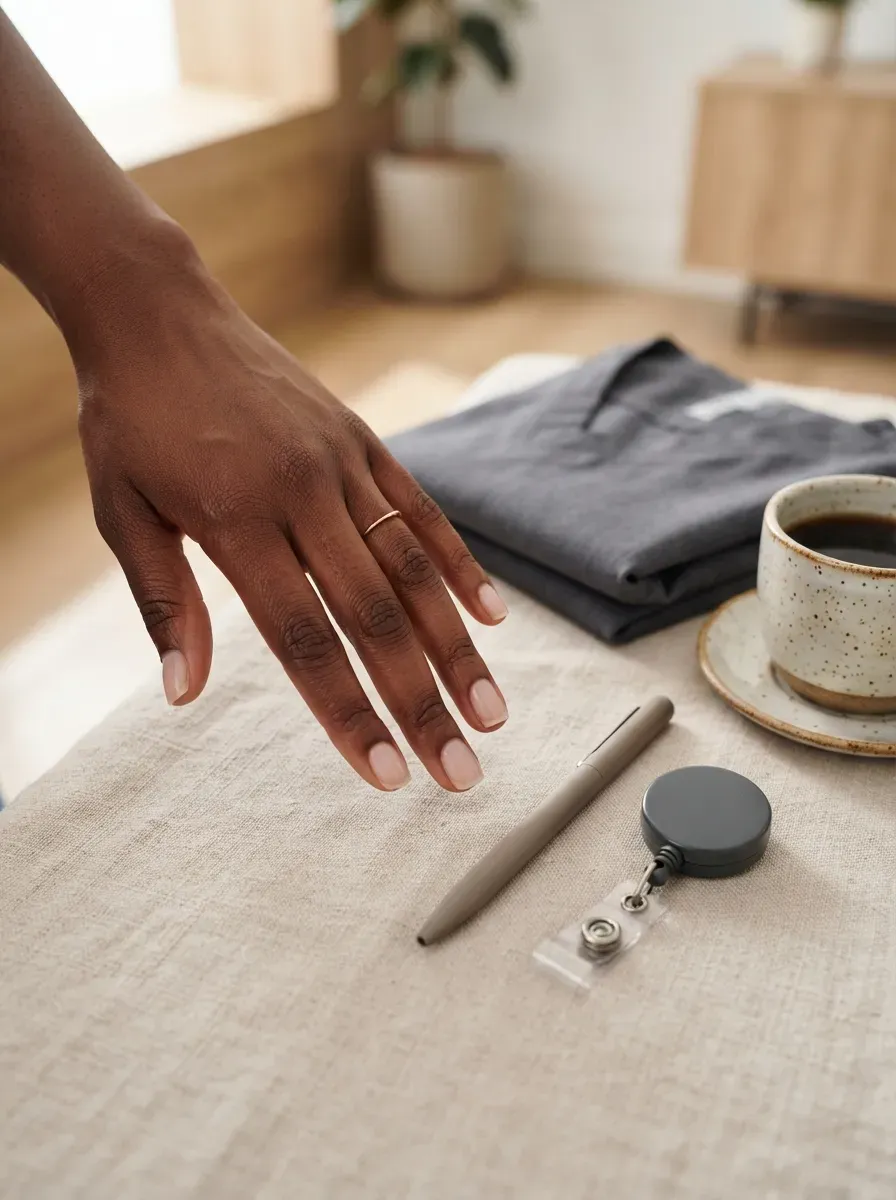
A fine taupe line painted along one side adds asymmetry while keeping the nail surface smooth.
The vertical placement subtly lengthens short squoval nails and feels less traditional than a French tip. Cure each line before applying top coat, since uncured detailing gel can spread and lose its clean edge.
Read now Transitioning from Relaxed Hair to Microlocs: Everything You Need to Know
19. Soft Lilac Rounded Nails
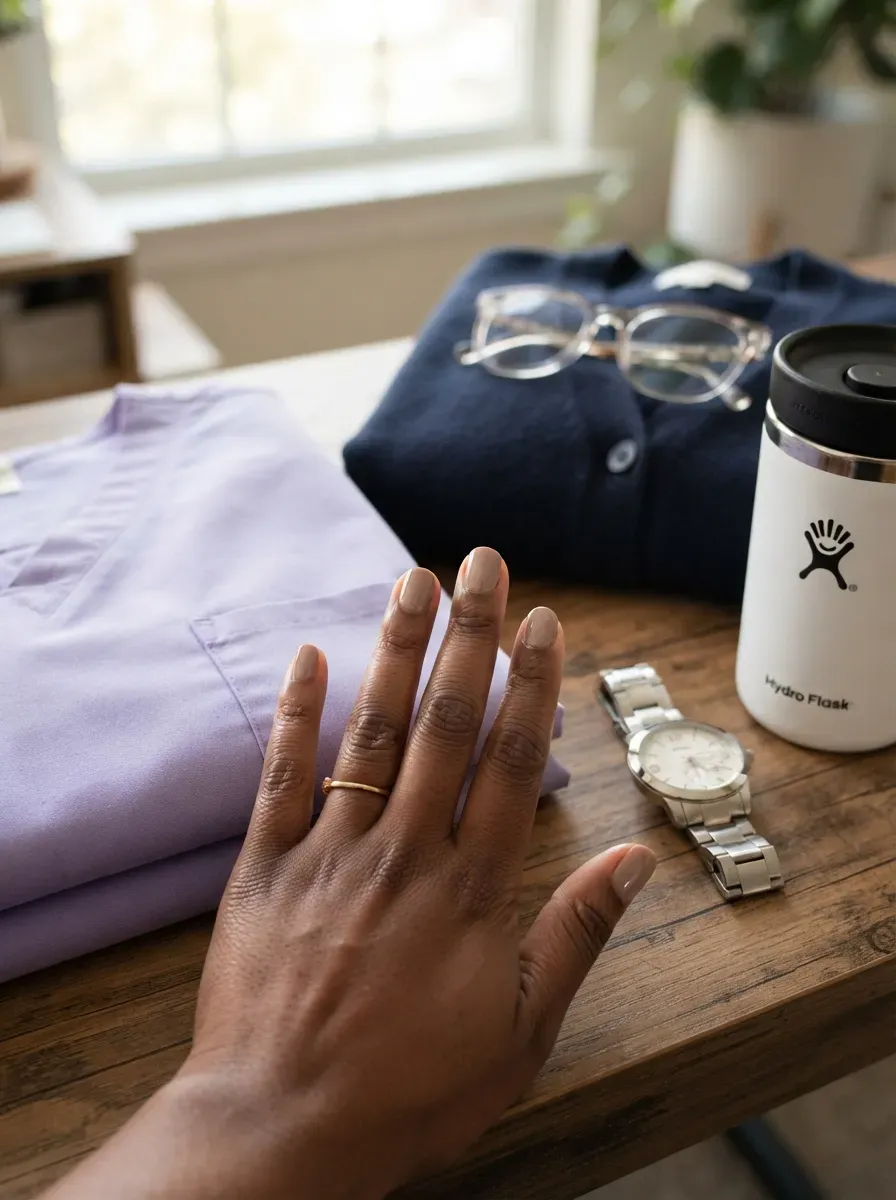
Soft lilac offers color without the intensity of bright purple.
A slightly grayed version looks calmer under clinical lighting and tends to flatter cool or neutral undertones. Keep the nails rounded and close to the fingertip, and apply a stain blocking base so purple pigment does not discolor the natural nail.
20. Clear Strengthening Overlay Nails
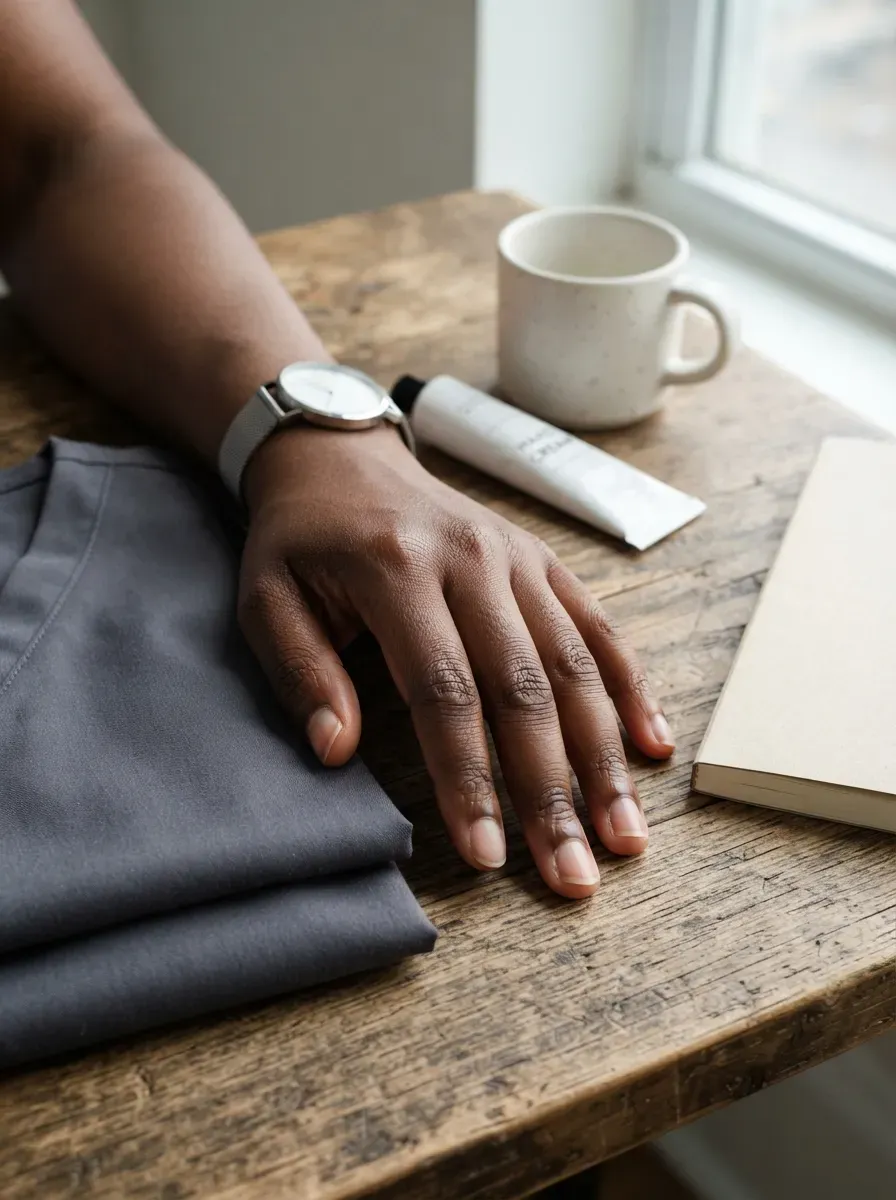
A thin clear overlay reinforces flexible natural nails without adding visible length or color.
The finish can be glossy or softly buffed, depending on workplace rules. Ask for minimal product around the cuticle and side walls, and schedule removal or maintenance before lifting creates gaps that trap moisture or debris.
Check Your Facility Nail Policy Before Booking
Nail rules can differ between hospitals, clinics, care homes, departments, and individual roles.
A design that is accepted in an administrative setting may not be allowed in an operating theatre, intensive care unit, isolation area, food handling environment, or direct patient care position.
Some workplaces permit short polish but restrict extensions, artificial overlays, gel products, chipped color, embellishments, or nails extending beyond the fingertip.
Read the written infection control or uniform policy rather than relying only on what coworkers wear. Enforcement can change after audits, department transfers, outbreaks, or updates from management.
Students and agency nurses should also check the rules of each placement because one facility standard may not apply elsewhere.
When the wording is unclear, ask whether the restriction covers polish, enhancements, length, surface texture, or all four. A clear strengthening coat may still count as a nail product under a strict policy.
Choose designs from this list only where they are permitted. Even the most restrained manicure is not worth disciplinary trouble or creating difficulty during hand hygiene. Keeping the natural nail short, smooth, intact, and easy to inspect should remain the priority.
Continue reading 20 Teacher’s Appreciation Board Ideas (School Decor Inspo)
Why Round and Squoval Shapes Work Better Under Gloves
Short round and squoval nails tend to feel more practical because they remove the sharp corners found on square extensions and the narrow points associated with almond or stiletto shapes.
Rounded edges are less likely to catch on glove cuffs, uniform fabric, hair, bedding, or equipment during a busy shift. Squoval nails still provide a neat straight edge, but the softened corners make the shape easier to manage.
Length matters just as much as shape. A nail that extends noticeably beyond the fingertip creates more leverage when opening packaging, adjusting equipment, or pressing small controls. Keeping the free edge minimal reduces the chance of painful breaks and makes daily tasks feel more natural.
File in one direction with a fine grit file rather than aggressively sawing across the tip. That approach helps reduce splitting on thin natural nails.
Check the side walls after shaping because hidden corners can remain even when the nail looks rounded from above. When you regularly tear gloves near the fingertips, shorten the nails further before blaming the product.
A well shaped natural nail should feel smooth when lightly dragged across delicate fabric.
How Repeated Washing and Sanitizer Affect a Manicure
Frequent washing exposes polish and enhancements to water, soap, friction, temperature changes, and repeated drying.
Alcohol based sanitizer can also make already dry cuticles feel tighter, although properly cured gel should not simply dissolve during routine use. Wear usually appears first around the free edge, side walls, and any place where the top coat was not sealed completely.
Thin coats tend to perform better than bulky applications because they cure more evenly and flex with short natural nails. Thick polish may feel durable at first but can peel in larger sections after moisture reaches a weak edge.
Wrap the color and top coat across the free edge without creating a heavy ridge underneath.
Cuticle oil helps the surrounding skin remain flexible, but apply it after work rather than immediately before gloving. A small amount massaged into the skin is enough. Hand cream can be used more broadly once the shift ends.
Remove chipped polish promptly instead of painting repeatedly over damaged areas. Multiple patch layers create an uneven surface and can conceal lifting.
When wear becomes frequent, switching to a clear coat or bare, neatly buffed nails may be more practical.
Regular Polish, Gel, or a Clear Overlay?
Regular polish is the simplest option for nurses who want color without committing to a structured enhancement.
It can be removed quickly at home, but repeated washing may cause earlier tip wear. Fast drying formulas and a strong top coat help, especially when the nail is kept extremely short.
Gel polish offers longer gloss and better resistance to minor scratches. Proper application requires complete curing, thin layers, and careful removal.
Peeling gel from the nail strips away surface layers and can leave the natural plate weak. Professional soak off removal or patient removal at home is safer than lifting the product manually.
A clear strengthening overlay uses builder gel or another structured product to reinforce flexible nails. It should remain thin and must not be confused with long extensions. Maintenance is essential because lifting can develop as the natural nail grows.
Bare nails may still be the best choice under strict clinical policies. They can look polished when evenly shaped, gently buffed, and maintained with neat cuticles.
Choose the system that fits your workplace rules, schedule, nail condition, and willingness to maintain it properly.