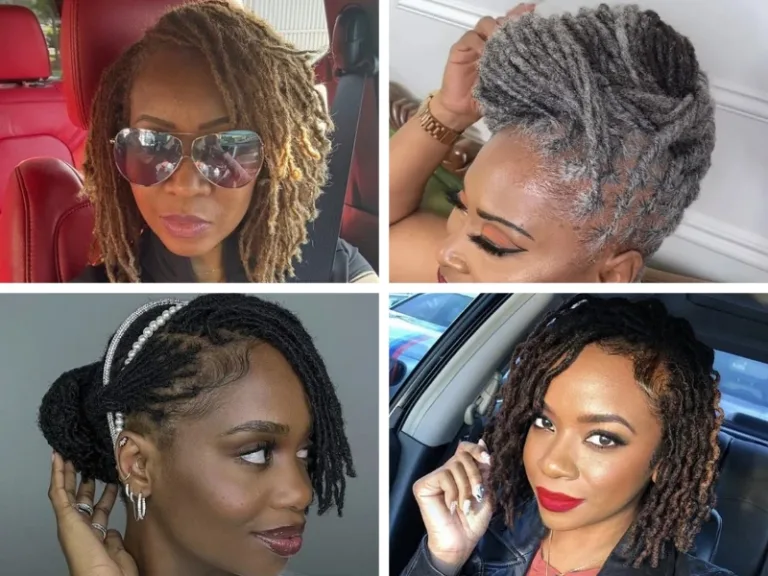
Learn About Signs Your Locs Are Dehydrated And How to Fix It.
I want you to do something right now. Reach up and feel your locs. Not just touch them really feel them.
Are they soft and flexible? Or do they feel rough, stiff, almost crackling under your fingers.
If it is the second one, your locs are telling you something important.
Dehydration is one of the most common problems in the loc community. Furthermore, it is one of the most misunderstood.
Many loc wearers apply oil after oil and wonder why their locs still feel dry. Others wash frequently and still cannot shake the dullness.
The truth is that most people confuse oiling with moisturising and that confusion is exactly where the dehydration problem begins.
This guide Signs Your Locs Are Dehydrated And How to Fix It is going to change that.
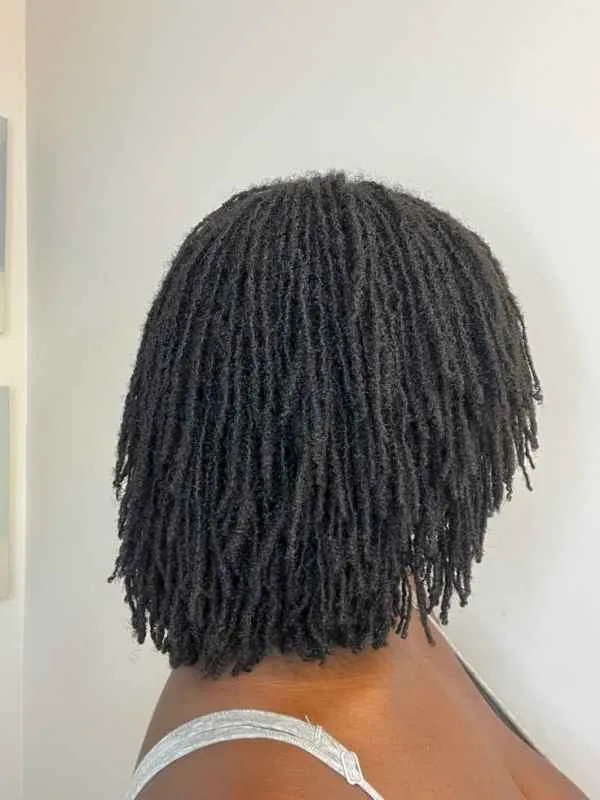
You will learn the exact signs of dehydrated locs, why dehydration happens in the first place, and most importantly, the step-by-step process for fixing it at every stage of the loc journey.
Whether your locs are brand new or fully mature, this guide Signs Your Locs Are Dehydrated And How to Fix It
has what you need. Let us get into it.
Below are Signs Your Locs Are Dehydrated And How to Fix It:
Signs Your Locs Are Dehydrated And How to Fix It
1. The Difference Between Dry Locs and Dehydrated Locs
Why This Distinction Matters
These two terms feel like the same thing. They are actually different problems. Dry locs lack oil on the surface.
As a result, they feel rough and look dull. Dehydrated locs, however, lack water inside the strand itself.
Consequently, they become brittle, inelastic, and structurally weak over time.
Furthermore, oiling dry locs solves the problem immediately.
Oiling dehydrated locs, on the other hand, does very little. Oil cannot replace missing water inside the strand.
Therefore, understanding which problem you are dealing with determines whether your routine is actually solving the issue or simply masking it temporarily.
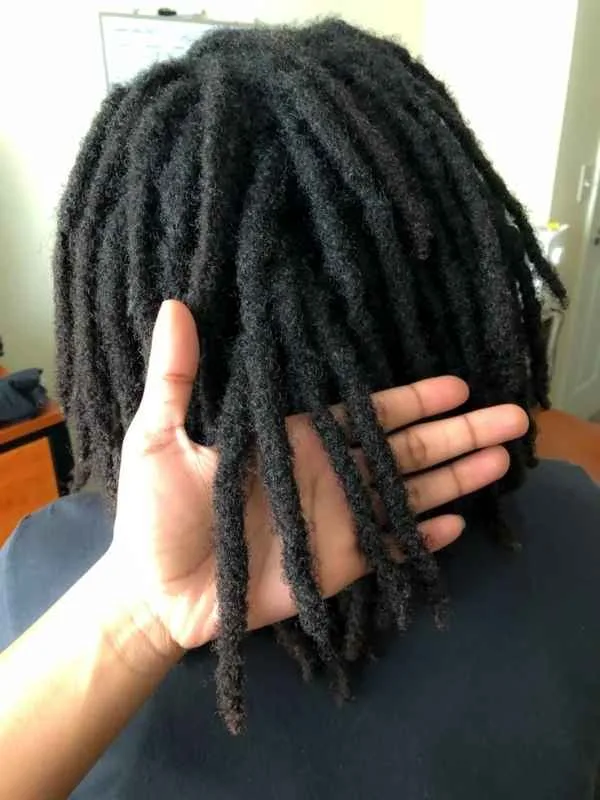
How Locs Lose Moisture Differently Than Loose Hair
Loose natural hair loses moisture through the open cuticle along every strand. Locs, however, are compressed and layered internally.
As a result, moisture loss in locs happens more slowly but it also penetrates deeper into the strand structure before it becomes noticeable.
Additionally, locs lock in whatever condition the hair was in at the time. If the hair was already dry when the locs formed, that dryness is now part of the loc’s internal foundation.
This article dives into How to Reattach a Broken Loc at Home (Without Losing Your Progress)
Consequently, neglecting moisture during the starter and budding phases creates a dehydration problem that takes significant effort to reverse later.
This is why consistent moisture habits from day one are non-negotiable.
2. The Most Common Signs of Dehydrated Locs
Excessive Dullness That Does Not Improve With Oiling
Healthy locs have a natural sheen. It is not a glossy shine, it is a quiet, healthy glow that comes from properly hydrated strands. Dehydrated locs, in contrast, look flat and chalky.
Moreover, no amount of oiling restores that glow, because the dullness is coming from inside the strand rather than the surface.
If you have been applying oil consistently and your locs still look lifeless, this is the clearest sign that the problem is dehydration rather than surface dryness.
Consequently, switching from an oil-focused routine to a water-first routine will produce visible results that oiling alone never could.
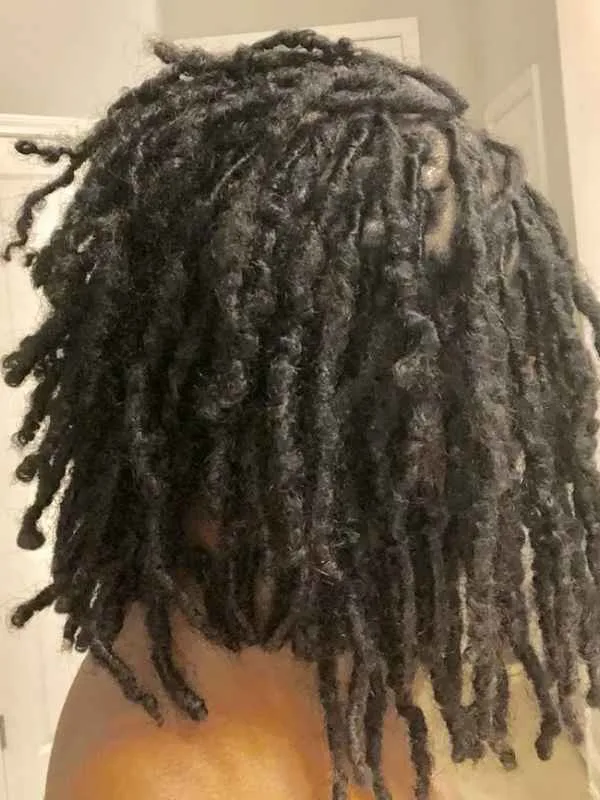
Brittleness and Snapping Under Gentle Manipulation
Healthy hair has elasticity. It stretches slightly under tension and springs back. Dehydrated hair does not stretch, it snaps.
Therefore, if you notice your locs or individual strands breaking during gentle styling, detangling, or even sleep movement, dehydration is very likely a primary cause.
Furthermore, this brittleness tends to appear first at the ends of the locs, which are the oldest and most exposed section of the strand.
Additionally, ends that are consistently dry begin to fray and split, creating a frayed tip rather than a clean, rounded end.
If your loc ends consistently look or feel more like dry grass than smooth, mature hair, they need water, not oil.
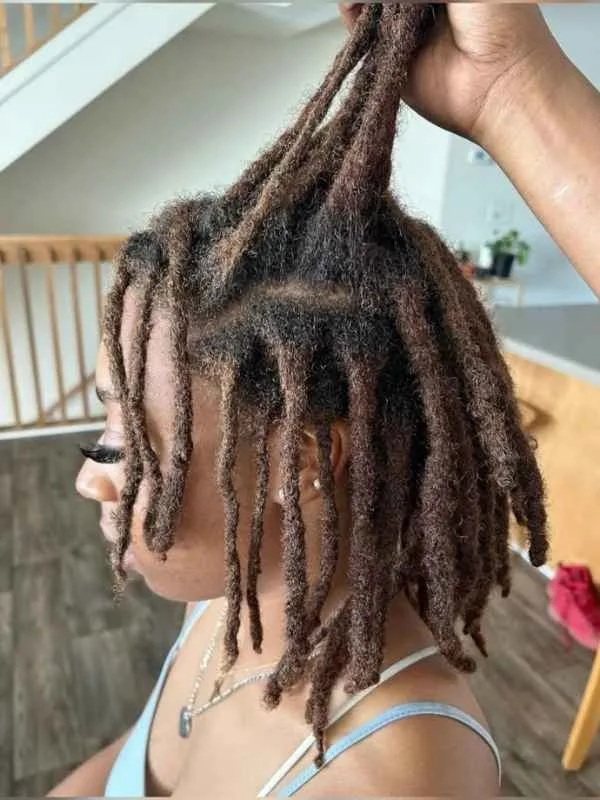
Excessive and Persistent Frizz
Some frizz during the starter and budding phases is completely normal. It is proof that your hair is actively locking.
However, excessive frizz in mature locs, the kind that does not respond to palm rolling or any maintenance is often a moisture signal.
This Post explains How to Hide Starter Loc Frizz for Interviews (Without Damaging Your Locs)
Dehydrated locs lose their smooth outer surface and the strands begin to lift away from the loc body.
Moreover, dehydration-related frizz feels different from natural locking frizz. Natural frizz feels soft and slightly coiled.
Dehydration frizz feels dry and rough to the touch.
Additionally, dehydration frizz tends to worsen with every passing week rather than gradually settling as the loc matures.
Itching and Scalp Tightness
The scalp and the loc root are part of the same system.
When the locs are chronically dehydrated, the scalp often shows corresponding signs.
Persistent itching without flaking or dandruff is frequently a moisture signal from the scalp.
Tightness at the roots especially a few days after a wash points to the same issue.
Furthermore, a dehydrated scalp overproduces oil to compensate for the missing moisture.
Consequently, some people experience both scalp oiliness and loc dryness simultaneously, a combination that feels paradoxical but makes complete sense once you understand the dehydration cycle.
Moisturising correctly breaks this cycle.
3. What Causes Locs to Become Dehydrated
Confusing Oil With Moisture
This is the most common and most damaging mistake in loc care.
Water is moisture. Oil is not. Oil seals moisture inside the strand after it has been introduced.
Without water first, oil simply coats the surface of the loc. Consequently, it creates a seal over a dry strand, locking the dryness in rather than keeping moisture in.
Therefore, the correct sequence is always water first, oil second.
A water-based spray or a plain water mist applied to the locs opens the strand and delivers hydration internally.
For more insight Tension-Free Updos for Mature Locs: Protective Styles That Slay Without Pulling
The oil is then applied over damp locs to slow down moisture evaporation.
Reversing this sequence or skipping water entirely is the primary reason so many loc wearers apply oil daily and still experience persistent dryness.
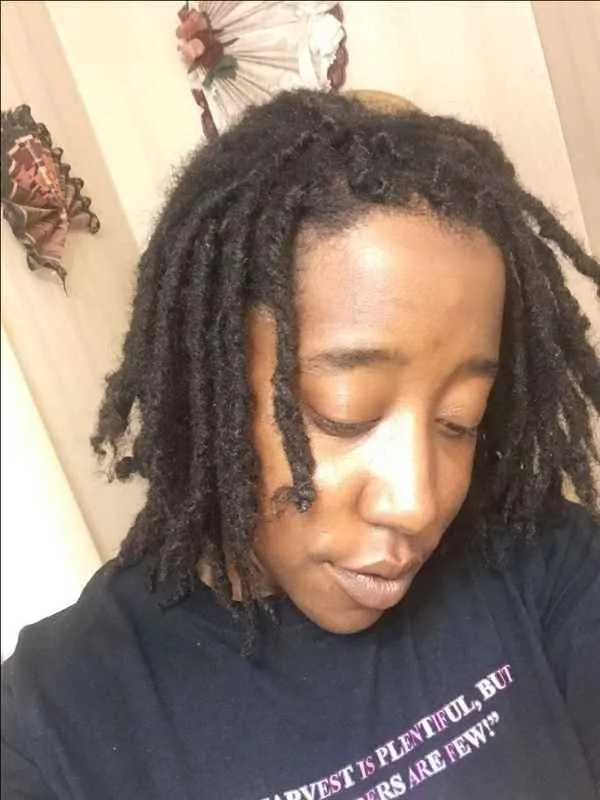
Hard Water Mineral Buildup
Hard water contains high concentrations of calcium and magnesium minerals. Over time, these minerals deposit inside the loc strand with every wash.
As a result, a mineral film gradually builds up inside the loc, blocking moisture from penetrating the strand effectively.
Consequently, locs washed consistently with hard water become progressively more difficult to hydrate regardless of how frequently moisture is applied.
Additionally, hard water mineral buildup makes locs feel stiff and heavy even when they appear clean.
Furthermore, the mineral deposits are not removed by regular shampooing. They require a chelating or clarifying shampoo specifically formulated to dissolve mineral buildup.
If you live in an area with hard water and your locs feel perpetually dry despite a good routine, mineral buildup is very likely a significant contributing factor.
Overwashing With Harsh Shampoos
Washing locs is essential for scalp health and cleanliness.
However, washing too frequently with a harsh or stripping shampoo removes the natural oils that help the scalp and strands retain moisture.
As a result, the hair is left drier after each wash than it was before.
Furthermore, heavy sulphate shampoos are particularly stripping on locs.
Here’s a closer look at How to Remove Lint from Locs Without Causing Damage: A Gentle Care Guide for Healthy, Clean Locs
Unlike loose hair, which recovers its moisture balance relatively quickly after a wash, locs take longer to rehydrate because moisture must penetrate multiple compressed layers.
Consequently, if you are washing weekly with a stripping shampoo and not replenishing moisture immediately afterward, each wash cycle compounds the dehydration rather than addressing it.
Environmental Factors
Hot, dry climates accelerate moisture loss from locs significantly.
Additionally, central heating in winter strips humidity from indoor air, which affects the moisture balance of locs just as it affects skin.
Sun exposure during outdoor activities bleaches and dries the outer surface of locs over time.
Moreover, swimming in chlorinated pools introduces chemicals that damage the cuticle and accelerate dryness.
Salt water from ocean swimming has a similar dehydrating effect.
These environmental factors are not reasons to avoid activities, they are reasons to build intentional protective habits around those activities.
4. The Water-First Rule for Rehydrating Your Locs
Before anything else, internalise this: water is the only true moisturiser for your locs.
Every other product either supports, seals, or supplements that water. Nothing replaces it.
Therefore, if your current routine does not start with water, start there before changing anything else.
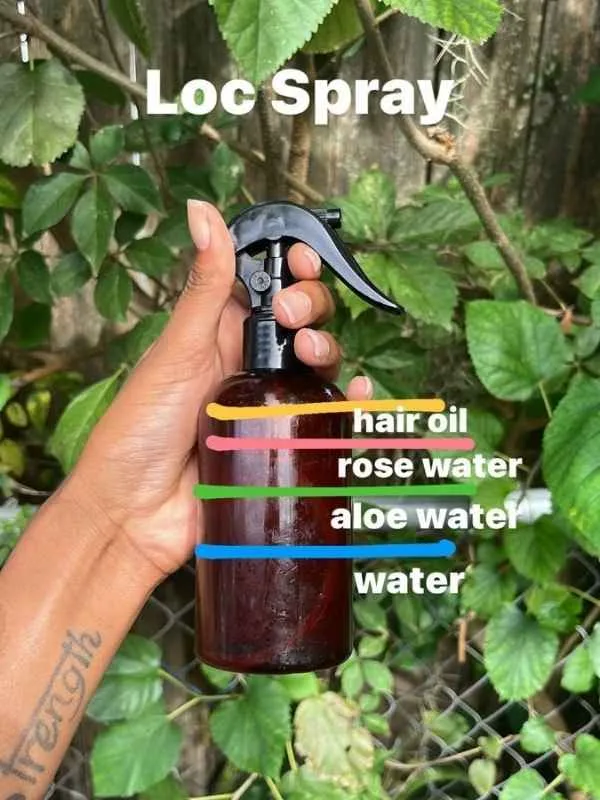
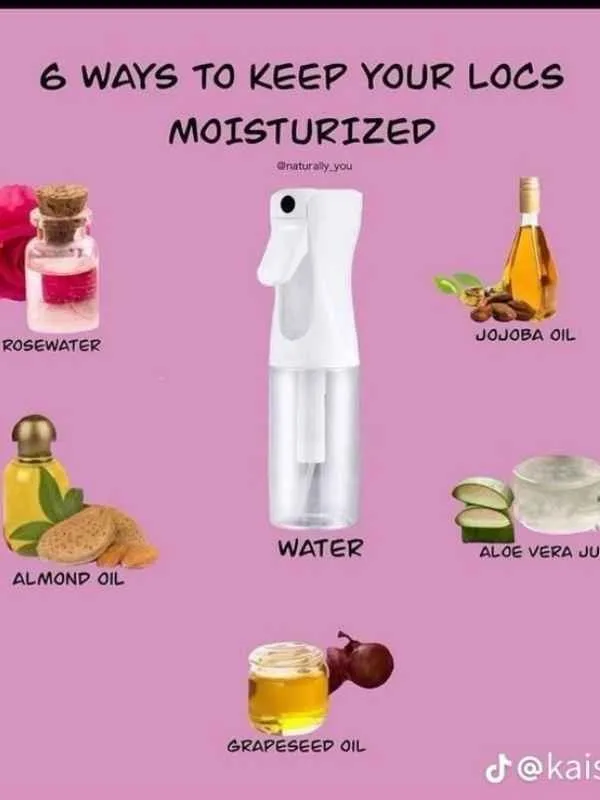
A simple distilled water spray applied to the locs every two to three days is the foundation of a strong moisture routine.
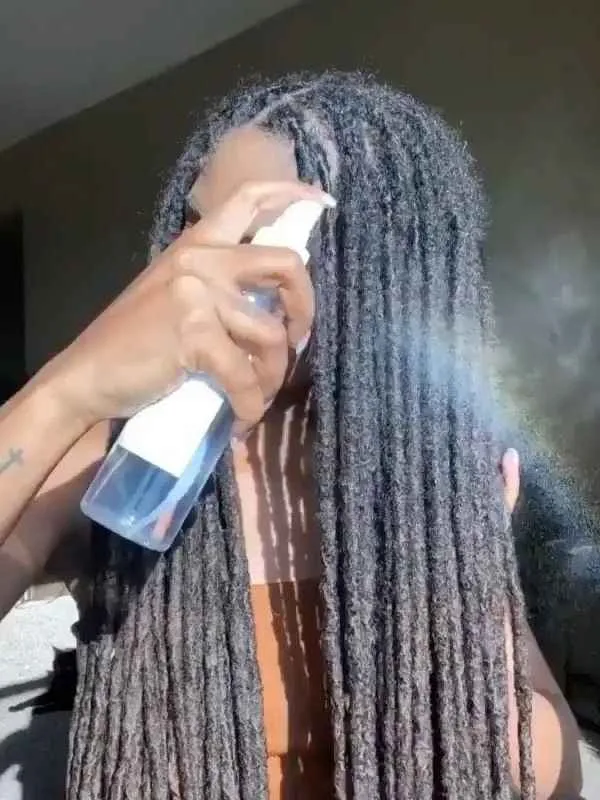
Distilled water is mineral-free, which means it hydrates the strand without depositing additional buildup.
If you are looking to understand Best Grid Patterns for Small DIY Locs: How to Choose the Perfect One for Your Hair
Additionally, mixing aloe vera juice into the water spray in a ratio of two parts water to one part aloe vera juice creates a lightweight moisture spray that hydrates and also adds a thin, flexible hold to the outer loc surface.
Furthermore, the way you apply the water matters.
Misting lightly over the surface of the loc is less effective than working the moisture through the strand.
Run your fingers gently along each loc after misting, pressing the water into the surface and mid-shaft.
As a result, the water penetrates further into the loc structure rather than simply sitting on the outer layer and evaporating before it can reach the interior.
5. How to Deep Rehydrate Severely Dehydrated Locs
The Steam Treatment
Steam is the most effective way to reintroduce deep moisture into severely dehydrated locs.
Steam opens the hair cuticle more effectively than liquid water can, allowing moisture to penetrate into the internal layers of the loc where surface spraying cannot reach.
Furthermore, it does this without disturbing the loc structure or requiring any product application.
Use a handheld hair steamer or sit under a hooded steamer for fifteen to twenty minutes.
If neither option is available, the steam from a hot shower works as a starting point sit in a steam-filled bathroom with your locs exposed for ten to fifteen minutes before applying your water spray.
You may also like How to Start Locs Yourself at Home Without a Loctician: A Simple, Confident Beginner’s Guide
Additionally, follow the steam session immediately with a light water-based spray while the cuticle is still open.
Then seal with a lightweight oil to lock the moisture in before the cuticle closes again.
The Diluted Conditioner Soak
For severely dehydrated locs, a diluted leave-in conditioner soak once a month provides a more intensive hydration session than regular spraying can achieve.
Mix one part lightweight, water-based leave-in conditioner with three parts distilled water in a basin.
Submerge the locs and soak for fifteen minutes, gently squeezing each loc to work the mixture through the strand.
However, choose the conditioner carefully. Heavy creams, silicones, and thick butters create buildup inside the loc that worsens dehydration over time.
Specifically, look for water-based leave-in conditioners with simple ingredient lists.
Rinse thoroughly with cool water after the soak.
Furthermore, follow with a light oil seal on the ends and allow to air dry completely.
Do not cover or tie damp locs immediately after a soak.
The Glycerin Boost
Vegetable glycerin is a humectant, it draws moisture from the air into the hair strand.
Adding a small amount of vegetable glycerin to your water spray provides extra hydration pull, particularly in humid climates where there is moisture in the air for the glycerin to attract.
Specifically, add half a teaspoon of vegetable glycerin to your regular distilled water spray.
However, avoid glycerin in very dry climates or low-humidity environments.
In the absence of adequate moisture in the air, glycerin draws moisture from inside the strand outward instead of drawing it inward.
You may also find helpful How to Start Locs on Short Hair: A Beautiful Beginner’s Guide to Your Loc Journey
Consequently, it can make dehydration significantly worse in dry climates. Know your environment before adding glycerin to your routine.
6. Sealing Moisture Correctly After Rehydrating
Water alone evaporates quickly.
Therefore, sealing is the step that makes your moisture work last.
The right oil, applied correctly, creates a protective layer over the hydrated strand that slows moisture evaporation and keeps the loc feeling soft and flexible between moisture sessions.
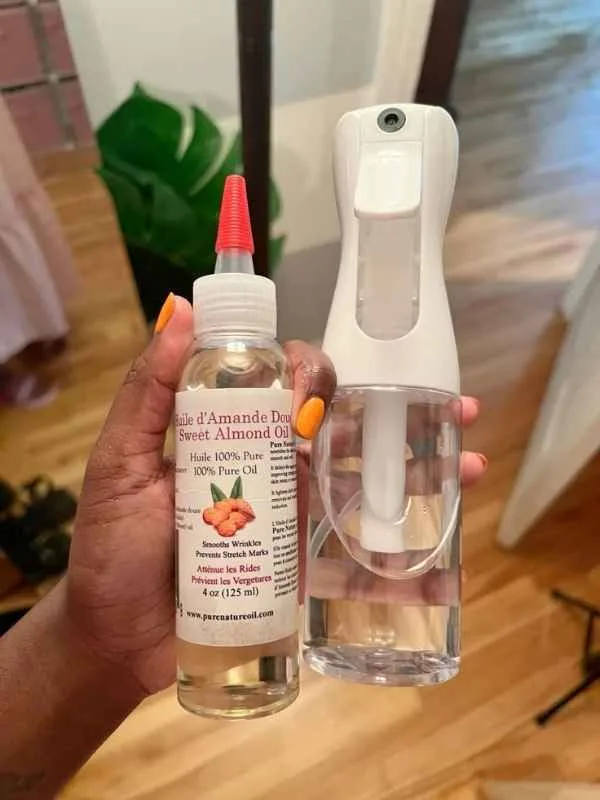
The best oils for sealing moisture in locs are lightweight and absorbing.
Jojoba oil is the closest to the scalp’s natural sebum and is therefore the most compatible with the hair and scalp environment. Argan oil provides smoothness and shine.
Sweet almond oil penetrates the strand slightly before sealing.
Any of these applied sparingly to damp locs immediately after moisturising produces excellent results.
Furthermore, apply the sealing oil to the locs themselves specifically the mid-shaft and ends.
The scalp produces its own oil and generally does not need additional product.
Heavy application of oil to the scalp creates buildup around the root that blocks moisture rather than sealing it.
Consequently, use the lightest possible amount of oil on the locs and focus the scalp application on areas that are visibly dry or flaking.
7. Building a Moisture Routine That Prevents Rehydration
How Often to Moisturise
The honest answer depends on your climate, your hair texture, and your loc stage.
As a general starting point, applying moisture two to three times per week works well for most loc wearers in moderate climates.
However, in hot, dry weather, daily moisture application may be necessary. In humid climates, every three to four days is often sufficient.
Furthermore, your locs will tell you when they need moisture.
The simplest test is to bend a loc gently between your fingers. If it bends easily and springs back, the moisture level is good.
If it feels stiff or resists bending, it needs water.
Additionally, running your fingers along the loc surface provides information smooth and slightly pliable means hydrated, rough and resistant means dry.
Wash Day as a Moisture Reset
Wash day should always end with a thorough moisture session.
After rinsing out the shampoo, apply your water spray to each loc while the hair is still damp.
Then seal with a lightweight oil before air drying.
As a result, the locs begin their drying process already hydrated rather than drying from a depleted state.
Moreover, avoid washing with hot water. Hot water strips more oil from the scalp and strand than lukewarm water does.
Consequently, finishing every wash with a cool-water rinse which helps close the cuticle, significantly improves how well your locs retain the moisture applied afterward.
Night-Time Moisture Protection
Cotton pillowcases actively absorb moisture from locs during sleep.
Over a full night, a cotton surface in constant contact with the locs pulls a significant amount of moisture from the strand.
Therefore, a satin or silk bonnet worn every night is both a protective and moisture-retention tool.
Additionally, if your locs feel dry specifically in the morning, this is a strong indicator that nighttime moisture loss is a significant part of the problem.
Switching to a satin bonnet consistently will show results within two to three weeks.
Furthermore, if your locs are very long and difficult to contain in a standard bonnet, use a large satin scarf tied loosely at the nape.
The goal is to eliminate cotton contact with the locs during sleep.
8. Bad Ideas On Signs Your Locs Are Dehydrated And How to Fix It
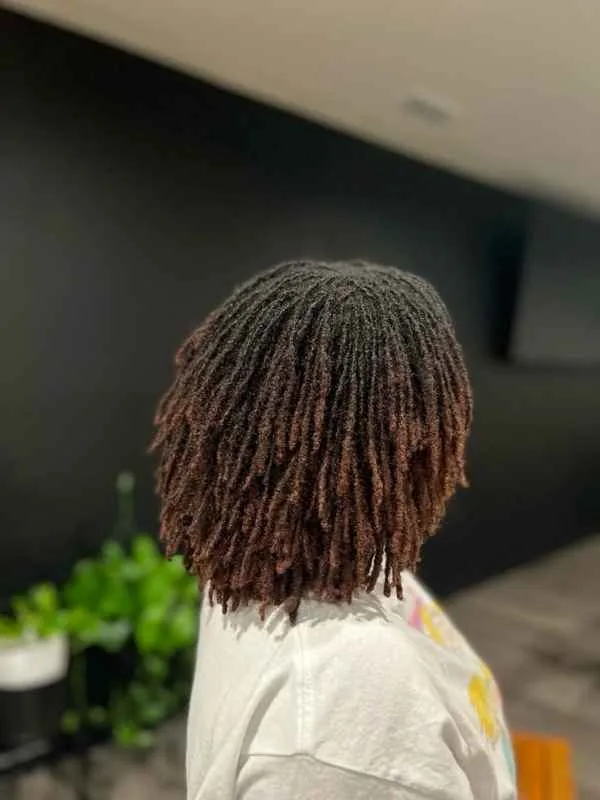
Applying more and more oil to fix what feels like dryness. Oil over dehydrated locs creates a false surface softness.
The loc may feel smoother immediately after oiling. However, the internal dehydration is unchanged.
Over time, the excess oil accumulates as buildup inside the loc, which eventually makes the dehydration harder to treat because moisture cannot penetrate a strand coated in product residue.
Using thick creams and butters as your primary moisturiser. Heavy creams feel intensely moisturising on application.
For locs, however, they sit on the surface rather than penetrating the strand.
Consequently, they create a coating that blocks subsequent water from entering.
They also attract lint and dust, which compounds the buildup problem over time. Water-based products are always a better choice for loc moisture.
You may also like our How to Fix Thinning Locs at the Crown and Bring Your Locs Back to Life
Washing more frequently to fix persistent dryness.
Increased washing frequency without improving the moisture routine leaves locs progressively drier. Each wash strips natural oils.
Without a consistent water-first moisture session after every wash, the hair never fully recovers between sessions.
Therefore, fixing the moisture routine after washing is always more effective than increasing how often you wash.
Skipping moisture sessions because your locs do not look dry.
Dehydration builds gradually from the inside.
By the time locs look visibly dry on the outside, the internal dehydration has typically been developing for weeks.
Consequently, a consistent moisture routine maintained even when the locs appear fine prevents the problem from becoming visible in the first place.
Reactive care is always harder than preventive care.
Using alcohol-based products on already dehydrated locs.
Many sprays, holding products, and edge controls contain drying alcohols. These evaporate quickly and take moisture with them as they do.
For healthy locs, this effect is manageable. For already dehydrated locs, alcohol-based products actively worsen the problem with every application.
Check ingredient lists carefully and avoid any product where alcohol appears in the first five ingredients.
9. Special Considerations by Loc Stage
Starter Locs
Starter locs are particularly vulnerable to dehydration because the locking process is actively happening inside the strand.
Moisture supports the flexibility that allows strands to tangle and interlock properly.
Therefore, dry starter locs do not just feel uncomfortable, they struggle to lock properly.
Additionally, starter locs should be moisturised with the lightest possible products.
Heavy creams and thick gels interfere with the locking process at this stage.
A simple distilled water spray or rose water mist applied two to three times per week is genuinely sufficient for most starter loc wearers.
Furthermore, keep the scalp lightly oiled but the locs themselves product-free as much as possible.
Budding Locs
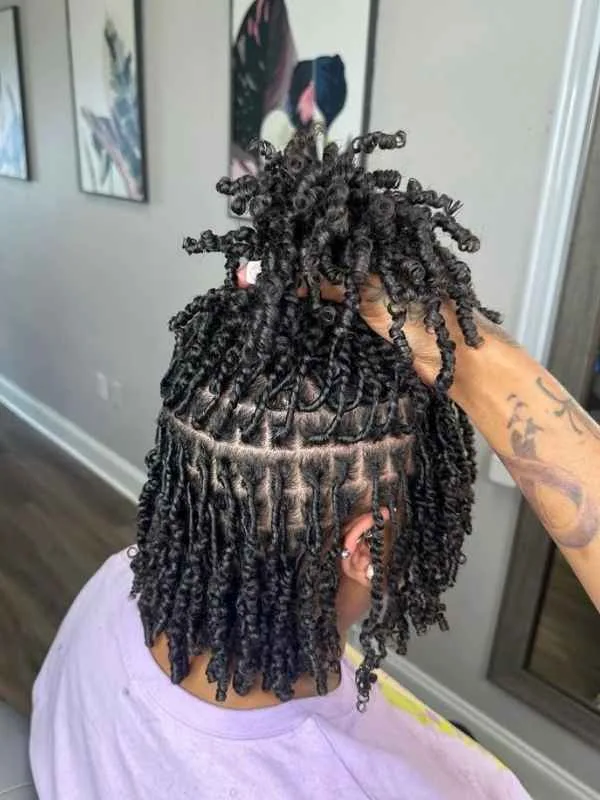
During the budding phase, the locs are swelling internally as the hair tangles and compresses.
This phase can feel paradoxically dry because the internal activity is consuming energy and the strand is under more structural stress than at any other point in the journey.
For more insight How to Start Sisterlocks on Natural Hair: A Beginner’s Step-by-Step Guide
Consequently, the budding phase is when moisture neglect first becomes visible.
Therefore, increase your moisture frequency slightly during budding.
A light water-based spray every other day during this phase supports the internal locking process and keeps the strands flexible enough to continue matting comfortably.
Furthermore, be especially consistent with the satin bonnet during this phase nighttime moisture loss is particularly noticeable on locs that are actively forming their internal structure.
Mature Locs
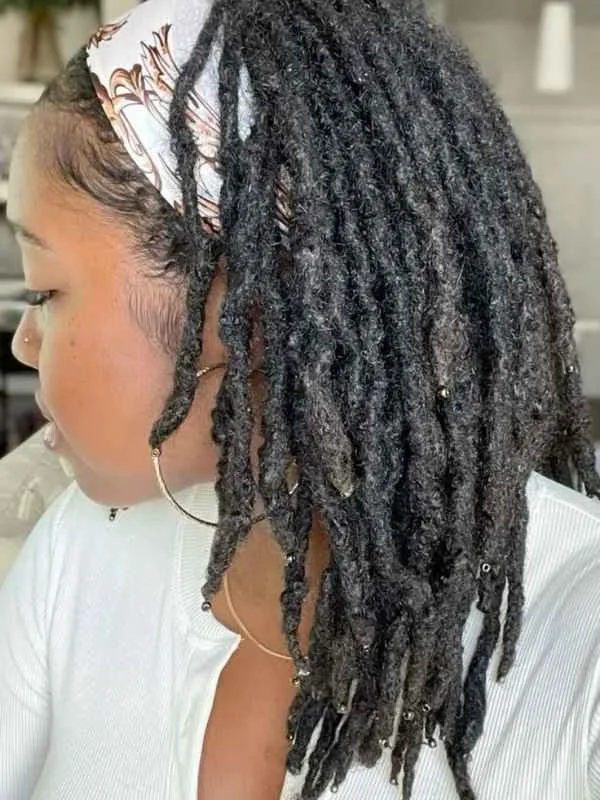
Mature locs are denser and more compressed internally.
As a result, moisture penetrates more slowly and the loc holds water for longer once it does penetrate.
This means mature loc wearers often need to moisturise less frequently but more deeply when they do.
Steam treatments and diluted conditioner soaks are particularly effective at this stage because they provide deep penetration that light spraying cannot always achieve.
Furthermore, mature locs that have been consistently well-maintained are easier to rehydrate than mature locs that have experienced prolonged dehydration.
Early and consistent moisture habits compound positively over time.
The locs you see on someone’s five-year journey that look rich, full, and deeply healthy are almost always the result of moisture consistency that started in month one not a rescue effort that began at year four.
Final Words On Signs Your Locs Are Dehydrated And How to Fix It
Signs Your Locs Are Dehydrated And How to Fix It are not a sign of failure.
They are a signal your hair asking for something it needs and has not been getting enough of.
The good news is that this is one of the most fixable problems in loc care.
Start with water. Always start with water. Seal with a lightweight oil immediately after. Protect your locs at night with satin.
Build the habit before you need to fix a problem, and you will rarely need to fix one. Furthermore, pay attention to what your locs are telling you.
They communicate clearly and consistently dullness, brittleness, persistent frizz, scalp tightness.
These are ot random. They are a language worth learning.
Your loc journey deserves consistent, informed care at every stage.
Moisture is not a luxury addition to that care. It is the foundation everything else is built on. Honour your locs with the water they need.
I promise they will show you exactly what they are capable of when they have it.
Learn Signs Your Locs Are Dehydrated And How to Fix It.